
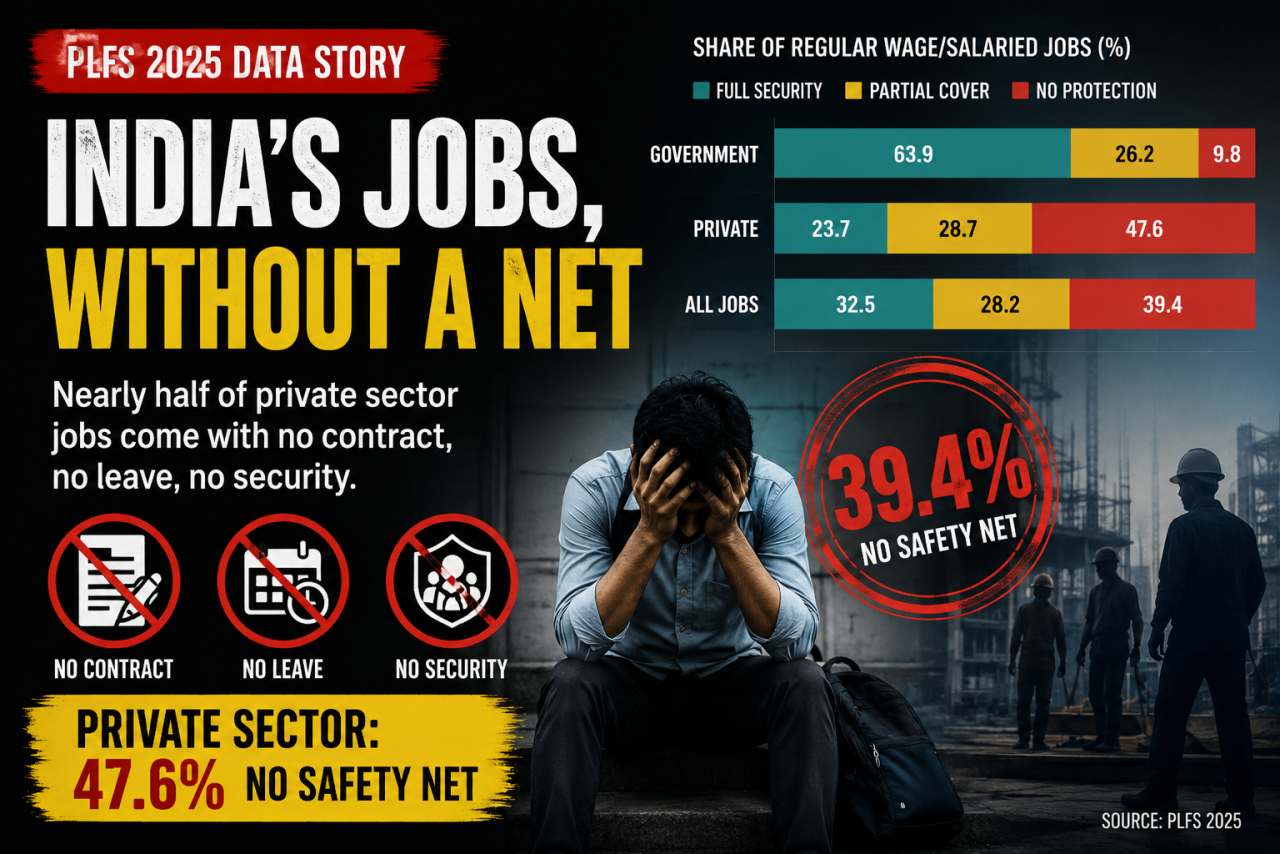
Nearly one in two private sector salaried workers in India lacks a contract, paid leave and social security. PLFS 2025 reveals why India's employment crisis is about job quality, not just job numbers.
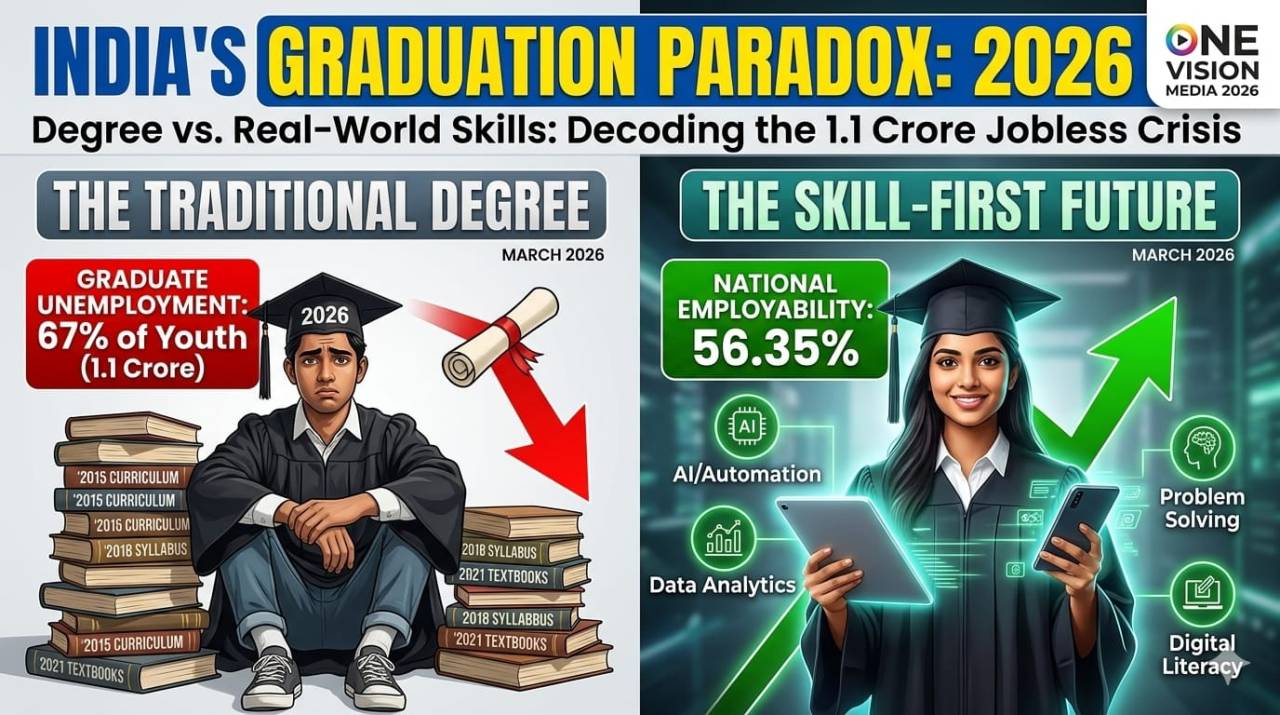
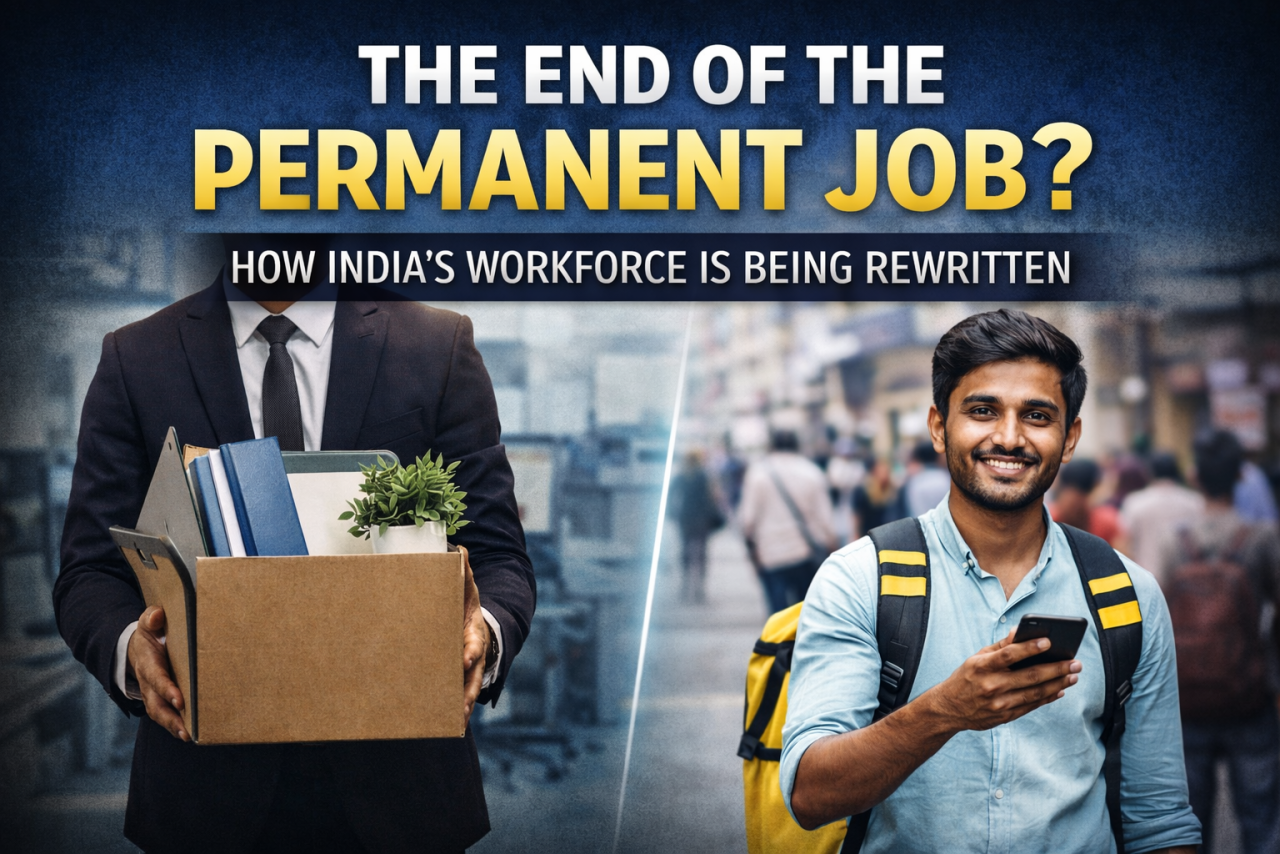
India's employment challenge is no longer just about creating jobs. It is increasingly about creating good jobs. Fresh data from the Periodic Labour Force Survey (PLFS) 2025 paints a worrying picture. Nearly 40 percent of salaried workers in India have no written employment contract, no paid leave, and no social security benefits. In the private sector, the situation is even more alarming, with almost 48 percent of salaried workers lacking all three basic protections.
The findings reinforce what many young job seekers already experience firsthand. Finding employment is difficult, but finding stable, secure employment has become even harder.
The contrast between public and private employment is striking. Nearly 64 percent of jobs in the government, local bodies, and public sector come with a written contract, paid leave, and some form of social security. In comparison, only about 24 percent of private sector jobs provide the same level of protection. This explains why government recruitment drives continue to attract millions of applicants, even for modestly paid positions. For many workers, security remains more valuable than a higher but uncertain salary.
The absence of a written contract is more than a paperwork issue. It often leaves workers vulnerable to arbitrary termination, weakens their ability to claim wages or employment benefits, and limits access to social security schemes. Paid leave and formal employment protections are not merely workplace perks. They are fundamental components of economic security.
Interestingly, the problem does not appear to stem from an inability of companies to spend on employees. Data from the Centre for Monitoring Indian Economy (CMIE) Prowess database shows that the ratio of company income to employee compensation has declined steadily since the early 1990s, falling from around 12.8 in 1990–91 to below 10 in the latest available data for 2025–26. A declining ratio suggests that companies are allocating a larger share of their income towards employee compensation overall. Yet the PLFS data indicates that these gains are not translating into better employment conditions for a significant share of salaried workers.
The quality of employment also varies sharply across industries. Agriculture, forestry, and fishing, which still employ a substantial share of India's workforce, provide almost no formal protections. Less than 1 percent of workers in these sectors have a written contract, paid leave, or social security. Construction performs only slightly better.
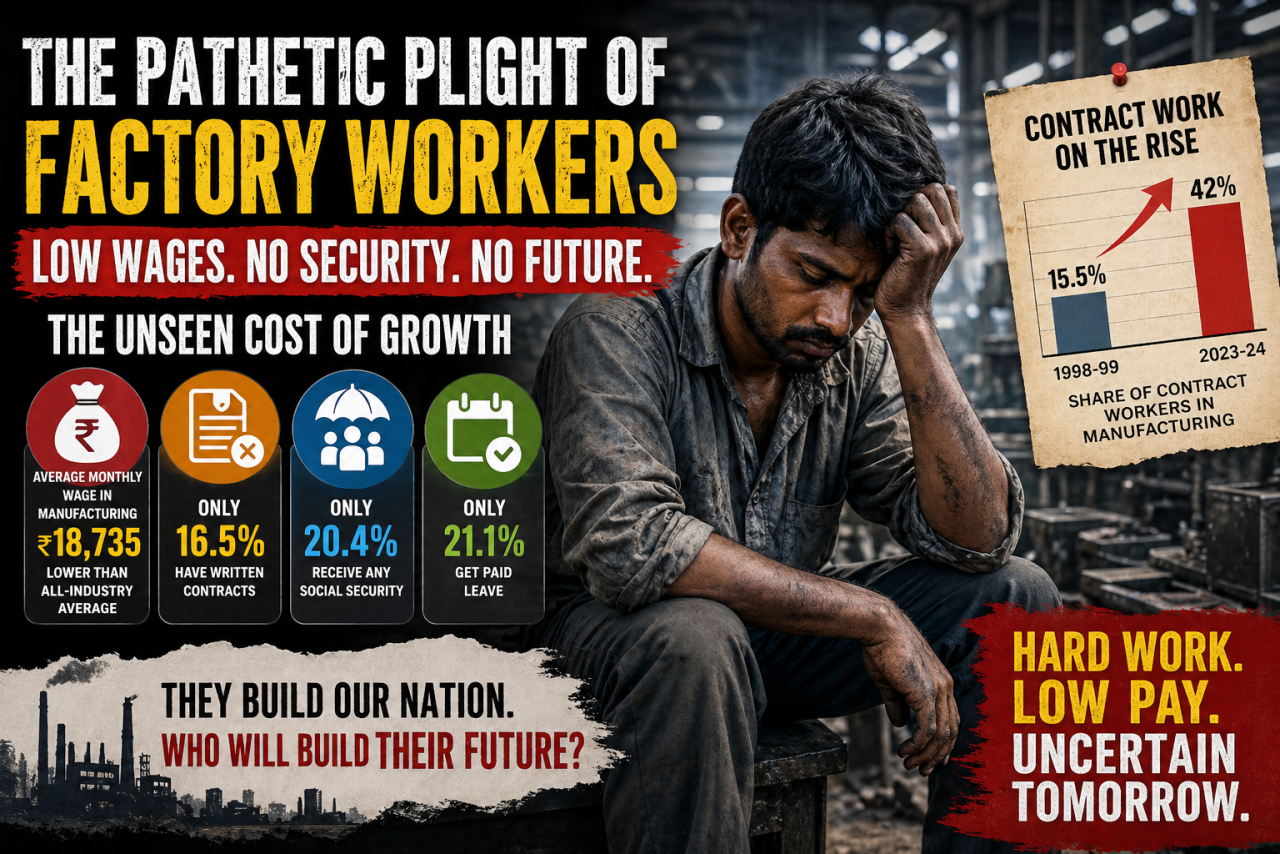
At the other end of the spectrum, sectors such as electricity, gas, water supply, financial services, and professional services offer considerably better working conditions, with roughly 40 to 48 percent of workers receiving these protections. Manufacturing occupies an uncomfortable middle ground. Only about 16.5 percent of manufacturing workers have written contracts, while just 21 percent receive paid leave.
This raises an important question. Where can India generate secure employment at the scale required by its rapidly growing workforce?
Economic history offers a clear answer. Manufacturing has traditionally been the engine that transforms large populations into a stable middle class by creating productive, reasonably paid jobs. Countries across East and Southeast Asia used export-oriented manufacturing to absorb millions of young workers into formal employment.
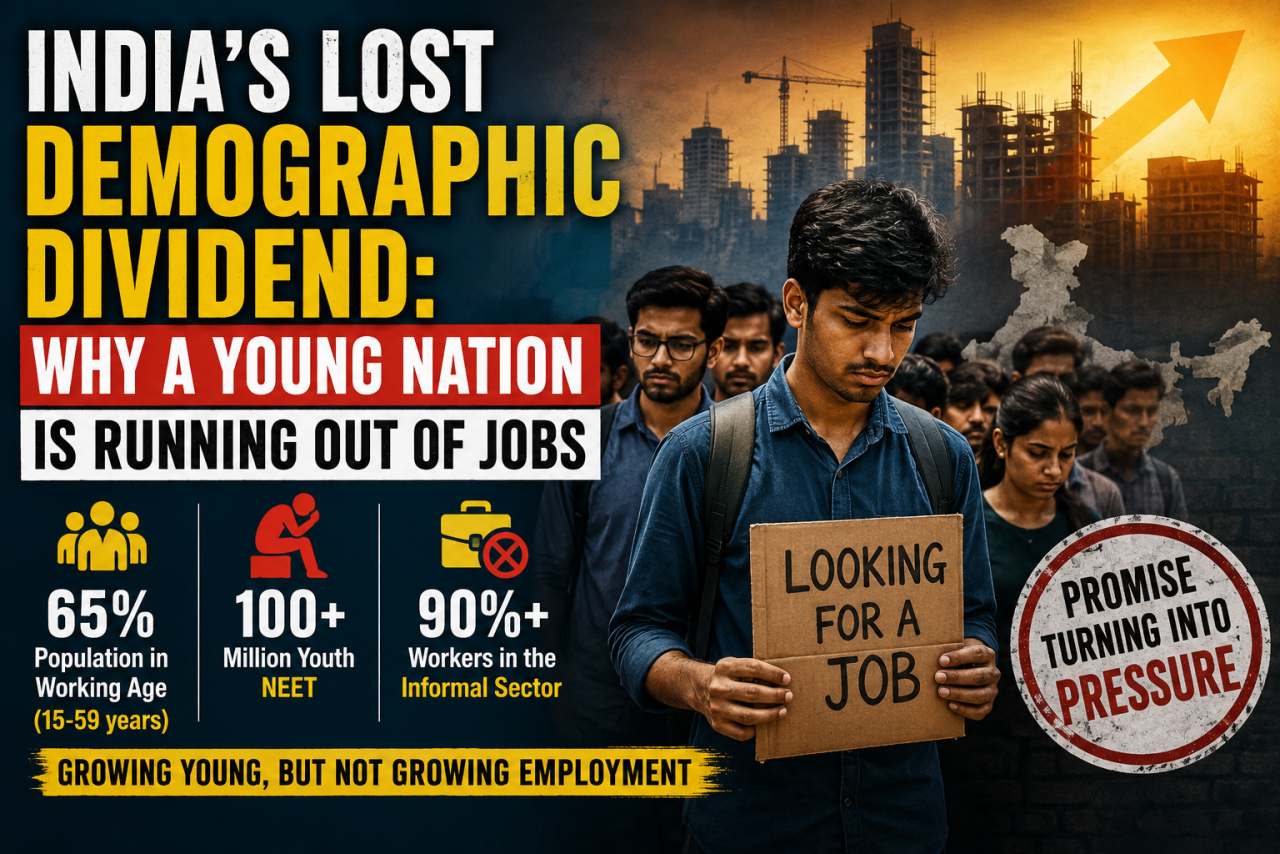
India, however, has struggled to replicate that transformation. According to the World Bank, around 503 million Indians fall within the 15–34 age group. PLFS estimates suggest that nearly 20 million of them are unemployed, accounting for more than 90 percent of the country's unemployed population. Government recruitment and white-collar services alone cannot absorb a workforce of this scale. Expanding labour-intensive manufacturing remains one of the few proven pathways capable of generating secure employment for millions.
Yet manufacturing has not fulfilled that role. Its contribution to India's GDP has remained largely stagnant despite more than three decades of economic reforms. At the same time, India's merchandise trade deficit relative to GDP has widened, reflecting the country's continuing struggle to expand labour-intensive exports on the scale achieved by many competing economies.
Wage data reinforces the challenge. Average monthly wages for workers aged 15–18 are marginally higher in manufacturing than the average across all industries. However, this advantage disappears as workers grow older.
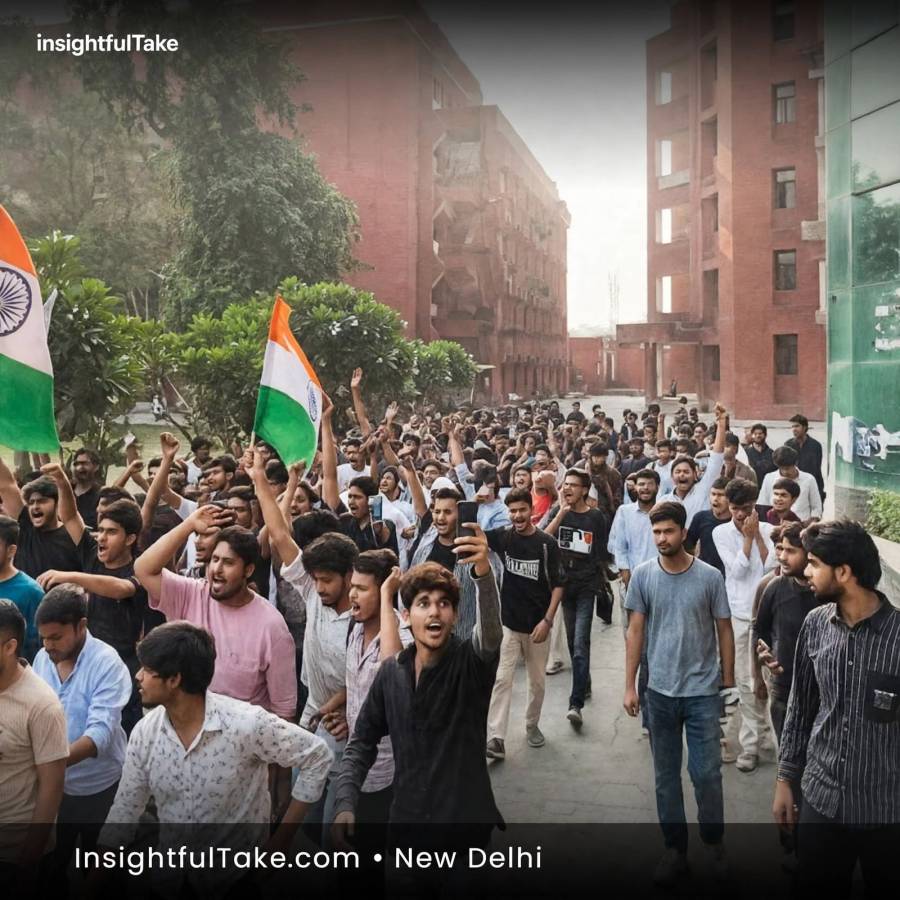
Among workers aged 25–29, average monthly wages across all industries stand at around ₹20,860, compared with approximately ₹17,649 in manufacturing. The gap widens further among workers aged 40 and above, where manufacturing employees earn roughly ₹4,800 less per month than the all-industry average. Rather than offering a wage premium, manufacturing increasingly imposes a wage penalty as careers progress. Recent factory worker protests in Noida have brought renewed public attention to these concerns.
The larger challenge, therefore, is not simply creating more jobs. It is creating jobs that offer dignity, stability, and long-term economic security.
The responsibility does not rest with the government alone. Private industry already accounts for the overwhelming majority of manufacturing employment and therefore has a central role in improving job quality. Better contracts, stronger social security coverage, and fair employment practices are not merely labour issues. They are essential ingredients of sustainable economic growth.
India's demographic dividend will deliver lasting prosperity only if millions of young people can access secure, productive employment. Otherwise, a generation rich in potential risks becoming one marked by growing insecurity and frustration. Employment statistics may improve, but without contracts, leave, and social security, the promise of economic opportunity will remain incomplete.
Source: Periodic Labour Force Survey (PLFS) 2025; CMIE Prowess Database; World Bank.
India's employment challenge is no longer just about creating jobs. It is increasingly about creating good jobs. Fresh data from the Periodic Labour Force Survey (PLFS) 2025 paints a worrying picture. Nearly 40 percent of salaried workers in India have no written employment contract, no paid leave, and no social security benefits. In the private sector, the situation is even more alarming, with almost 48 percent of salaried workers lacking all three basic protections.
The findings reinforce what many young job seekers already experience firsthand. Finding employment is difficult, but finding stable, secure employment has become even harder.
The contrast between public and private employment is striking. Nearly 64 percent of jobs in the government, local bodies, and public sector come with a written contract, paid leave, and some form of social security. In comparison, only about 24 percent of private sector jobs provide the same level of protection. This explains why government recruitment drives continue to attract millions of applicants, even for modestly paid positions. For many workers, security remains more valuable than a higher but uncertain salary.
The absence of a written contract is more than a paperwork issue. It often leaves workers vulnerable to arbitrary termination, weakens their ability to claim wages or employment benefits, and limits access to social security schemes. Paid leave and formal employment protections are not merely workplace perks. They are fundamental components of economic security.
Interestingly, the problem does not appear to stem from an inability of companies to spend on employees. Data from the Centre for Monitoring Indian Economy (CMIE) Prowess database shows that the ratio of company income to employee compensation has declined steadily since the early 1990s, falling from around 12.8 in 1990–91 to below 10 in the latest available data for 2025–26. A declining ratio suggests that companies are allocating a larger share of their income towards employee compensation overall. Yet the PLFS data indicates that these gains are not translating into better employment conditions for a significant share of salaried workers.
The quality of employment also varies sharply across industries. Agriculture, forestry, and fishing, which still employ a substantial share of India's workforce, provide almost no formal protections. Less than 1 percent of workers in these sectors have a written contract, paid leave, or social security. Construction performs only slightly better.
At the other end of the spectrum, sectors such as electricity, gas, water supply, financial services, and professional services offer considerably better working conditions, with roughly 40 to 48 percent of workers receiving these protections. Manufacturing occupies an uncomfortable middle ground. Only about 16.5 percent of manufacturing workers have written contracts, while just 21 percent receive paid leave.
This raises an important question. Where can India generate secure employment at the scale required by its rapidly growing workforce?
Economic history offers a clear answer. Manufacturing has traditionally been the engine that transforms large populations into a stable middle class by creating productive, reasonably paid jobs. Countries across East and Southeast Asia used export-oriented manufacturing to absorb millions of young workers into formal employment.
India, however, has struggled to replicate that transformation. According to the World Bank, around 503 million Indians fall within the 15–34 age group. PLFS estimates suggest that nearly 20 million of them are unemployed, accounting for more than 90 percent of the country's unemployed population. Government recruitment and white-collar services alone cannot absorb a workforce of this scale. Expanding labour-intensive manufacturing remains one of the few proven pathways capable of generating secure employment for millions.
Yet manufacturing has not fulfilled that role. Its contribution to India's GDP has remained largely stagnant despite more than three decades of economic reforms. At the same time, India's merchandise trade deficit relative to GDP has widened, reflecting the country's continuing struggle to expand labour-intensive exports on the scale achieved by many competing economies.
Wage data reinforces the challenge. Average monthly wages for workers aged 15–18 are marginally higher in manufacturing than the average across all industries. However, this advantage disappears as workers grow older.
Among workers aged 25–29, average monthly wages across all industries stand at around ₹20,860, compared with approximately ₹17,649 in manufacturing. The gap widens further among workers aged 40 and above, where manufacturing employees earn roughly ₹4,800 less per month than the all-industry average. Rather than offering a wage premium, manufacturing increasingly imposes a wage penalty as careers progress. Recent factory worker protests in Noida have brought renewed public attention to these concerns.
The larger challenge, therefore, is not simply creating more jobs. It is creating jobs that offer dignity, stability, and long-term economic security.
The responsibility does not rest with the government alone. Private industry already accounts for the overwhelming majority of manufacturing employment and therefore has a central role in improving job quality. Better contracts, stronger social security coverage, and fair employment practices are not merely labour issues. They are essential ingredients of sustainable economic growth.
India's demographic dividend will deliver lasting prosperity only if millions of young people can access secure, productive employment. Otherwise, a generation rich in potential risks becoming one marked by growing insecurity and frustration. Employment statistics may improve, but without contracts, leave, and social security, the promise of economic opportunity will remain incomplete.
Source: Periodic Labour Force Survey (PLFS) 2025; CMIE Prowess Database; World Bank.





















Leave a Comment