
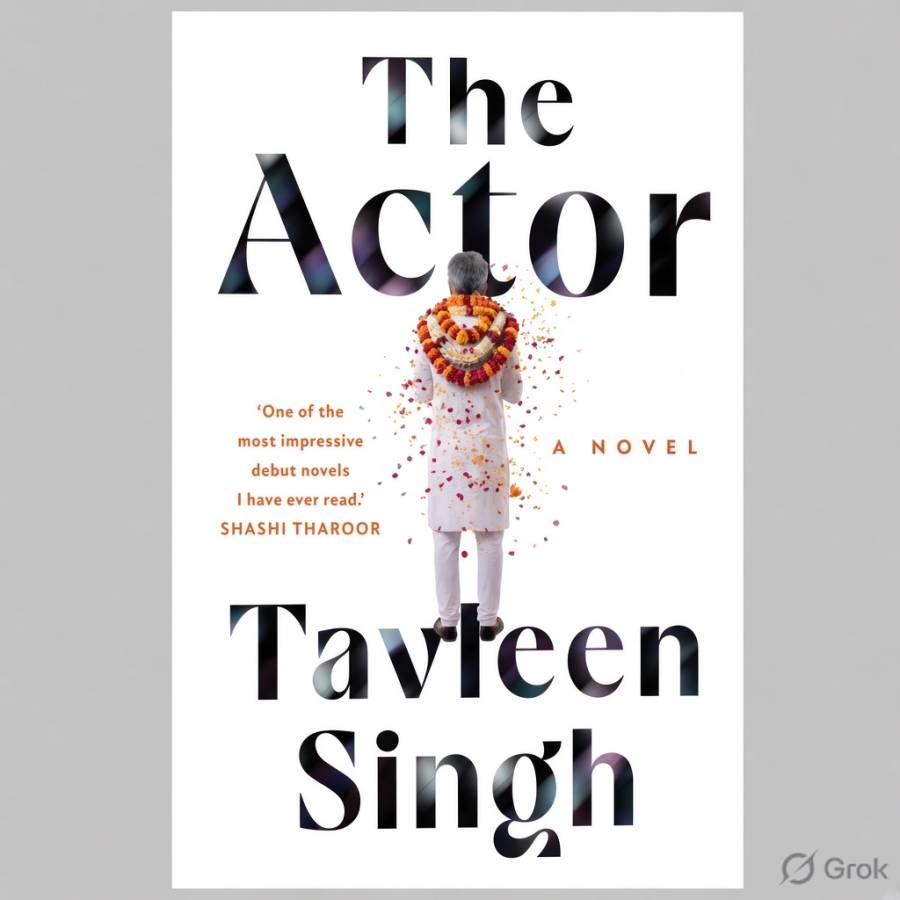
What happens when political leadership becomes a performance? Tavleen Singh’s The Actor explores the uneasy relationship between ambition, image, media and power.
Politics has always involved some degree of performance. Politicians choose their words carefully, manage their public image and learn how to appear confident even when things are falling apart behind the scenes.
Tavleen Singh takes that idea and builds her debut novel, The Actor, around it.
Known for decades of political journalism, Singh moves from writing about politicians to creating a fictional world that closely resembles the one she has spent years observing. The result is a novel about ambition, image, power and the complicated relationship between politics and the media.
A Politician Who Understands the Power of Image
The central character rises through India's political world by understanding something that many modern politicians have mastered: people do not only vote for policies. They vote for personalities, stories and emotions.
The protagonist knows how to present himself. He understands the importance of speeches, carefully constructed appearances and the right message at the right time. Politics becomes less about what happens inside government offices and more about what people believe is happening.
This is where the title The Actor becomes important.
The politician is constantly performing. There is a public version of himself and a private one, and the distance between the two grows as his political career advances.
Singh uses this contrast to question the idea of political authenticity. Can a leader remain genuine after spending years creating an image for public consumption? And does the public even want authenticity, or does it prefer a convincing performance?
The Media Is Part of the Story
Given Singh's background, it is hardly surprising that journalists and the media occupy an important place in the novel.
Modern politics cannot be separated from television, newspapers and social media. A political event can be forgotten within hours if it does not make the news, while a carefully staged moment can dominate public discussion for days.
The Actor explores this relationship without treating politicians as the only people responsible for the spectacle. Journalists, advisers, political operators and other influential figures are all part of the machinery.
That makes the political world of the novel feel familiar. Power is rarely exercised by one person alone. It depends on networks of people who know how to create, protect and sometimes destroy a public image.
Power Behind Closed Doors
One of the more interesting aspects of the novel is its portrayal of the relationships between politics, business and the media.
The public sees speeches, rallies and political campaigns. Behind them are negotiations, alliances and calculations that rarely make it into the public view.
Singh's journalistic experience helps here. She writes about political manoeuvring with the confidence of someone who has spent years watching it up close.
At times, however, this familiarity can also work against the novel. Readers who follow Indian politics closely may recognise echoes of real events, personalities and political strategies. That can make the story intriguing, but it can also make the fictional world feel less separate from reality.
The Supporting Characters
The protagonist naturally receives most of the attention, while the supporting characters help reveal different sides of the political system.
Journalists represent the media's complicated relationship with power. Political advisers show how leaders are shaped and packaged for public consumption. Allies and rivals demonstrate how quickly loyalty can change when political interests shift.
Some of these characters are convincing. Others sometimes feel as though they exist mainly to explain an idea or move the plot forward.
That is one of the novel's limitations. The political world is often more developed than the people living inside it.
What Works
Singh's biggest strength is her familiarity with the subject.
The novel moves quickly and does not get buried under complicated prose. Her writing is straightforward, which suits a story driven by political manoeuvring, ambition and conflict.
The book is also at its strongest when it examines the gap between political image and political reality. The idea of politics as theatre is hardly new, but Singh gives it an Indian political setting that makes it particularly relevant.
Where It Falls Short
The novel is not without weaknesses.
Some of its political twists can feel predictable, particularly for readers familiar with Indian political journalism. At times, the supporting characters appear more like vehicles for political commentary than fully developed people.
There is also a constant temptation to compare the fictional world with real Indian politics. For some readers, that will make the book more interesting. For others, it may take attention away from the story itself.
Still, these shortcomings do not take away from the central idea of the novel.
Why The Actor Matters
The most interesting thing about The Actor is not whether a particular fictional politician resembles a real one. It is the larger question the book raises about the nature of political leadership.
Politics today is increasingly personal. Leaders build individual brands, communicate directly with voters and carefully manage how they are seen. A photograph, speech or viral video can sometimes matter as much as a policy announcement.
In that environment, the ability to perform can become a form of political power.
Singh's novel asks readers to look beyond the performance and consider what might be happening backstage.
Final Take
Tavleen Singh's The Actor is an engaging political novel that draws heavily on the author's long experience of watching Indian politics from close quarters.
Its greatest strength is also its most obvious feature: the book feels connected to the political world we already know.
It does not offer a completely new idea about politicians and performance, but it presents that idea through a distinctly Indian political lens. The result is a readable and often thought-provoking novel about ambition, image, media and the pursuit of power.
For readers interested in Indian politics, journalism or the increasingly blurred line between political leadership and public performance, The Actor is worth picking up.
Book: The Actor
Author: Tavleen Singh
Genre: Political Fiction / Novel
Politics has always involved some degree of performance. Politicians choose their words carefully, manage their public image and learn how to appear confident even when things are falling apart behind the scenes.
Tavleen Singh takes that idea and builds her debut novel, The Actor, around it.
Known for decades of political journalism, Singh moves from writing about politicians to creating a fictional world that closely resembles the one she has spent years observing. The result is a novel about ambition, image, power and the complicated relationship between politics and the media.
A Politician Who Understands the Power of Image
The central character rises through India's political world by understanding something that many modern politicians have mastered: people do not only vote for policies. They vote for personalities, stories and emotions.
The protagonist knows how to present himself. He understands the importance of speeches, carefully constructed appearances and the right message at the right time. Politics becomes less about what happens inside government offices and more about what people believe is happening.
This is where the title The Actor becomes important.
The politician is constantly performing. There is a public version of himself and a private one, and the distance between the two grows as his political career advances.
Singh uses this contrast to question the idea of political authenticity. Can a leader remain genuine after spending years creating an image for public consumption? And does the public even want authenticity, or does it prefer a convincing performance?
The Media Is Part of the Story
Given Singh's background, it is hardly surprising that journalists and the media occupy an important place in the novel.
Modern politics cannot be separated from television, newspapers and social media. A political event can be forgotten within hours if it does not make the news, while a carefully staged moment can dominate public discussion for days.
The Actor explores this relationship without treating politicians as the only people responsible for the spectacle. Journalists, advisers, political operators and other influential figures are all part of the machinery.
That makes the political world of the novel feel familiar. Power is rarely exercised by one person alone. It depends on networks of people who know how to create, protect and sometimes destroy a public image.
Power Behind Closed Doors
One of the more interesting aspects of the novel is its portrayal of the relationships between politics, business and the media.
The public sees speeches, rallies and political campaigns. Behind them are negotiations, alliances and calculations that rarely make it into the public view.
Singh's journalistic experience helps here. She writes about political manoeuvring with the confidence of someone who has spent years watching it up close.
At times, however, this familiarity can also work against the novel. Readers who follow Indian politics closely may recognise echoes of real events, personalities and political strategies. That can make the story intriguing, but it can also make the fictional world feel less separate from reality.
The Supporting Characters
The protagonist naturally receives most of the attention, while the supporting characters help reveal different sides of the political system.
Journalists represent the media's complicated relationship with power. Political advisers show how leaders are shaped and packaged for public consumption. Allies and rivals demonstrate how quickly loyalty can change when political interests shift.
Some of these characters are convincing. Others sometimes feel as though they exist mainly to explain an idea or move the plot forward.
That is one of the novel's limitations. The political world is often more developed than the people living inside it.
What Works
Singh's biggest strength is her familiarity with the subject.
The novel moves quickly and does not get buried under complicated prose. Her writing is straightforward, which suits a story driven by political manoeuvring, ambition and conflict.
The book is also at its strongest when it examines the gap between political image and political reality. The idea of politics as theatre is hardly new, but Singh gives it an Indian political setting that makes it particularly relevant.
Where It Falls Short
The novel is not without weaknesses.
Some of its political twists can feel predictable, particularly for readers familiar with Indian political journalism. At times, the supporting characters appear more like vehicles for political commentary than fully developed people.
There is also a constant temptation to compare the fictional world with real Indian politics. For some readers, that will make the book more interesting. For others, it may take attention away from the story itself.
Still, these shortcomings do not take away from the central idea of the novel.
Why The Actor Matters
The most interesting thing about The Actor is not whether a particular fictional politician resembles a real one. It is the larger question the book raises about the nature of political leadership.
Politics today is increasingly personal. Leaders build individual brands, communicate directly with voters and carefully manage how they are seen. A photograph, speech or viral video can sometimes matter as much as a policy announcement.
In that environment, the ability to perform can become a form of political power.
Singh's novel asks readers to look beyond the performance and consider what might be happening backstage.
Final Take
Tavleen Singh's The Actor is an engaging political novel that draws heavily on the author's long experience of watching Indian politics from close quarters.
Its greatest strength is also its most obvious feature: the book feels connected to the political world we already know.
It does not offer a completely new idea about politicians and performance, but it presents that idea through a distinctly Indian political lens. The result is a readable and often thought-provoking novel about ambition, image, media and the pursuit of power.
For readers interested in Indian politics, journalism or the increasingly blurred line between political leadership and public performance, The Actor is worth picking up.
Book: The Actor
Author: Tavleen Singh
Genre: Political Fiction / Novel













Leave a Comment