
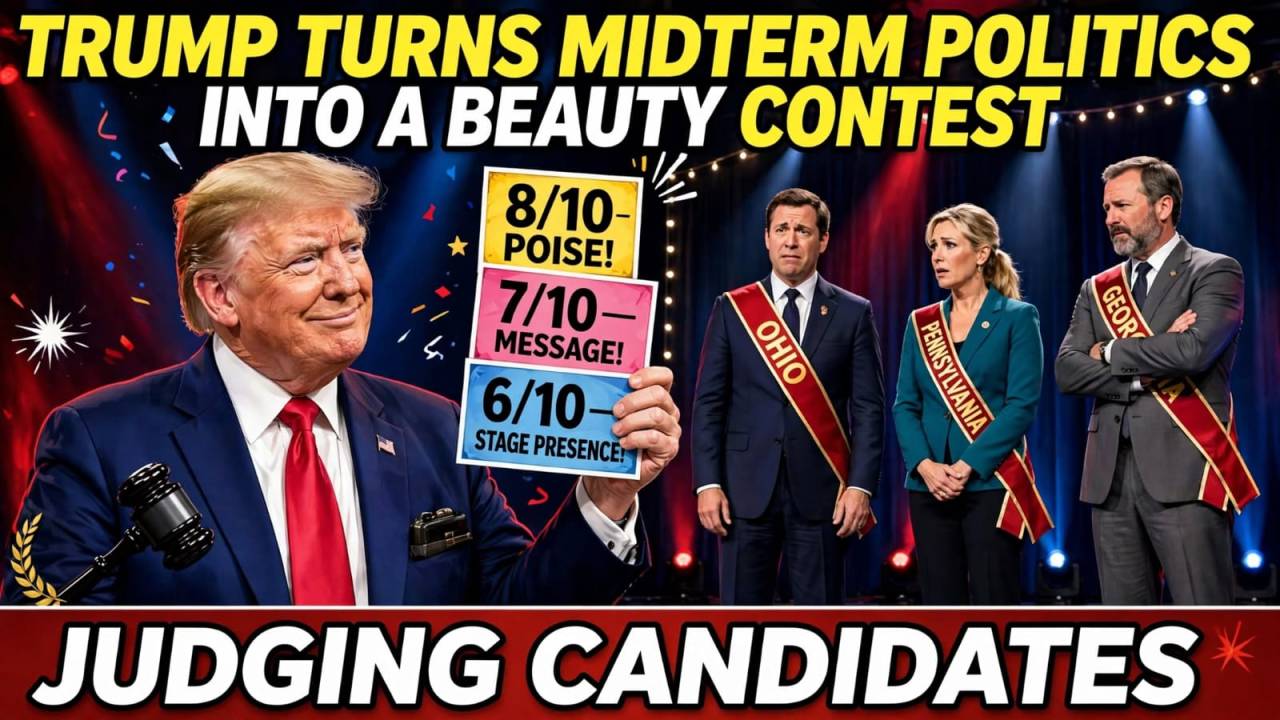
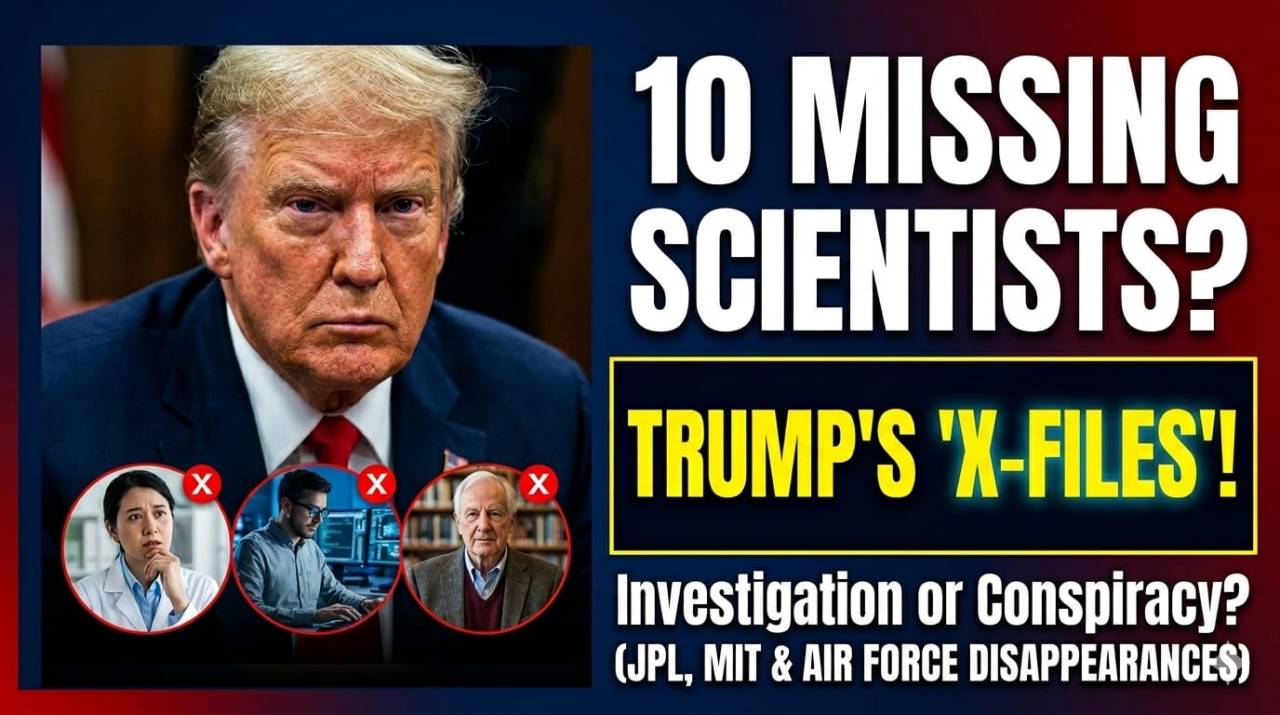
Sharp jawlines, good looks and cartoon comparisons. Donald Trump's unusual approach to judging candidates is drawing attention ahead of the 2026 US midterm elections.
From praising sharp jawlines to mocking opponents' appearances, Donald Trump is bringing his reality-TV instincts into the 2026 US midterm campaign.
Politicians usually ask voters to judge them by their record, policies and promises. At a rally in Kentucky, US President Donald Trump offered another way to assess candidates: their looks.
Standing on stage, Trump pointed to Ed Gallrein, a Republican House hopeful and former Navy SEAL, and invited the crowd to admire his appearance. "Look at this beautiful guy," he said, before delivering a familiar Trump compliment: "Central casting."
For a politician who once owned the Miss Universe pageant and became a television celebrity through The Apprentice, judging people by their appearance is hardly unusual. Trump has long used physical attractiveness as a measure of public appeal, sometimes to praise allies and sometimes to ridicule opponents.
Now, with the November 2026 midterm elections approaching, his comments about candidates' looks have become part of his campaign appearances.
From Military Credentials to Good Looks
Gallrein was not the only Republican to receive Trump's approval.
The president also turned his attention to Ohio Senator Jon Husted, who is seeking re-election. Trump described him as "a perfect person, good-looking guy."
He went further, telling the audience how closely he had examined Husted's physical appearance, from his shoulders and feet to his jawline. The remarks drew laughter, particularly when Trump joked that he had never examined another man that way before.
Trump had previously praised Husted's background as a college football player, linking his athletic appearance to the image of a strong political candidate.
Such remarks fit a familiar pattern. Trump frequently uses physical descriptions to establish an immediate connection with rally audiences. Instead of discussing only legislative achievements or political experience, he turns candidates into personalities that voters can recognise and remember.
Not Every Republican Passes Trump's Beauty Test
Trump's compliments, however, are not distributed equally.
Ken Paxton, the Republican Senate candidate in Texas, received a less flattering assessment during a Republican midterm convention.
With Paxton standing nearby, Trump remarked that he did not particularly like the candidate's appearance. He had made similar comments earlier, acknowledging that they might sound insulting.
Trump then softened his criticism by praising Paxton's record as attorney general, arguing that his professional achievements spoke more loudly than an unflattering suit.
The exchange illustrated how quickly appearance can become part of Trump's public assessment of a politician.
A candidate may receive praise for his political record while simultaneously becoming the subject of jokes about his clothing or physical features.
For Republican candidates seeking Trump's endorsement and support, such comments can be difficult to anticipate.
Democrats Are Not Spared Either
Trump's attention to appearance extends beyond his own party.
James Talarico, the Democratic candidate opposing Paxton in Texas, has been compared by Trump to Alfred E. Neuman, the freckled, gap-toothed fictional mascot of MAD magazine.
The comparison follows Trump's long-established practice of attaching memorable descriptions and nicknames to political rivals.
Such remarks can be dismissed as campaign humour, but they also influence how candidates are discussed in public.
A comparison to a cartoon character may have little connection to someone's political qualifications. Nevertheless, it can become a recurring reference in speeches, television debates and social media discussions.
The result is that personal appearance sometimes competes with policy positions for public attention.
When Political Image Becomes a Campaign Issue
Appearance has always played a role in democratic politics.
Candidates carefully select their clothes, practise public speaking and work with advisers to develop a recognisable image. Television and social media have made visual presentation even more important.
Trump's approach is different mainly because he makes these assessments openly, often in front of the candidates themselves.
His remarks also arrive during a campaign in which ideas about masculinity, physical strength and leadership are already part of the political conversation.
By praising one candidate's jawline and questioning another's appearance, Trump reinforces the importance of personal image within his campaign presentations.
The political effect, however, remains uncertain. A compliment from Trump may generate applause among supporters, but that does not establish whether it changes how undecided voters make their decisions.
The Real Test Comes in November
The November 2026 midterm elections will determine control of the US Congress and shape the remaining two years of Trump's presidency.
Republicans are seeking to retain their congressional position, while Democrats are campaigning to strengthen their representation and challenge the administration's agenda.
For voters, the major questions extend well beyond candidates' physical appearances. Jobs, inflation, household expenses, immigration, healthcare and government performance remain central subjects of political debate.
Trump's comments may entertain rally audiences and generate widely shared video clips, but their influence on actual voting behaviour is difficult to measure.
A candidate praised for looking as though he came from central casting still needs to persuade voters that he can represent their interests.
Similarly, an opponent compared to a cartoon character does not automatically lose credibility among constituents.
Beyond the Beauty Contest
Trump's remarks reveal an enduring feature of modern political campaigning: personality and presentation often compete with policy for public attention.
His television background gives him a particular familiarity with the power of memorable images, spontaneous remarks and audience reactions.
But elections are not television auditions. Voters ultimately choose representatives whose decisions affect taxation, employment, public services and national policy.
As the midterm campaign enters its final weeks, Republican candidates may continue receiving Trump's compliments or becoming targets of his jokes.
Whether those remarks influence election results is another matter.
For now, Trump's campaign appearances suggest that a strong political record is not the only qualification attracting presidential attention. A good profile, a sharp jawline and the right suit may also earn a mention from the stage.
















Leave a Comment