
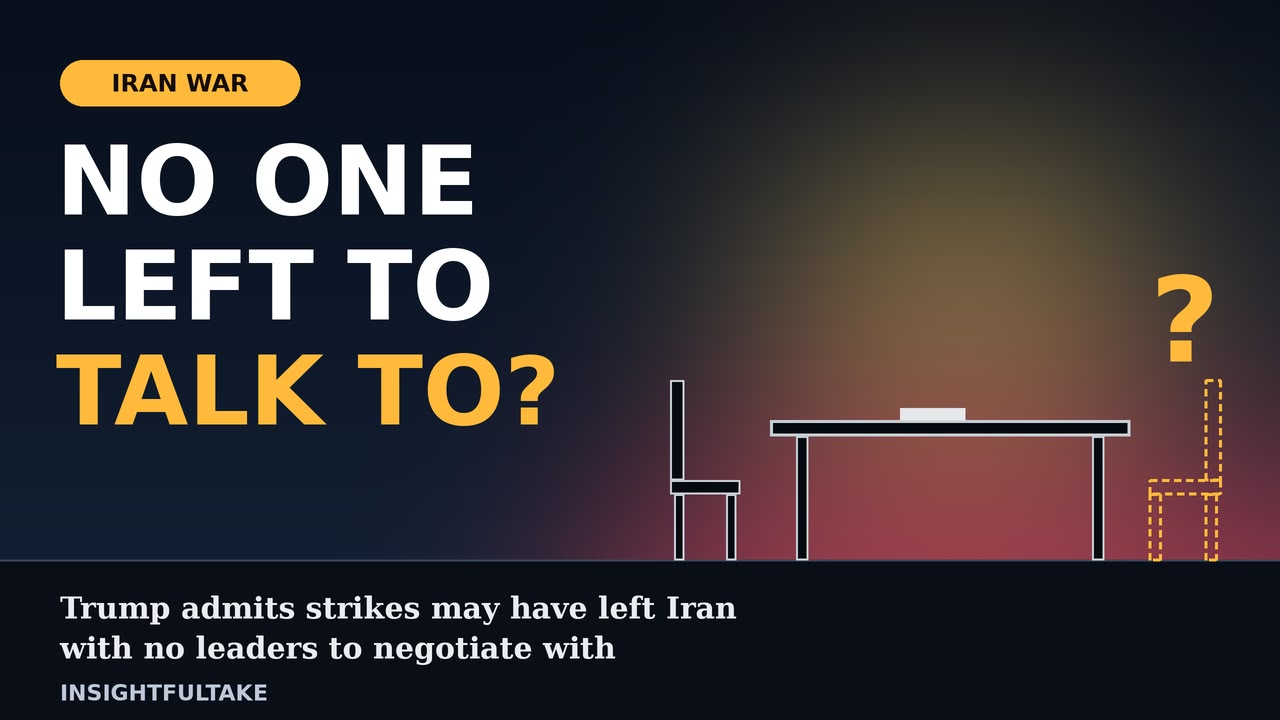
The US president says American strikes have devastated Iran’s military and leadership, but acknowledges that the damage could make a deal harder to reach.
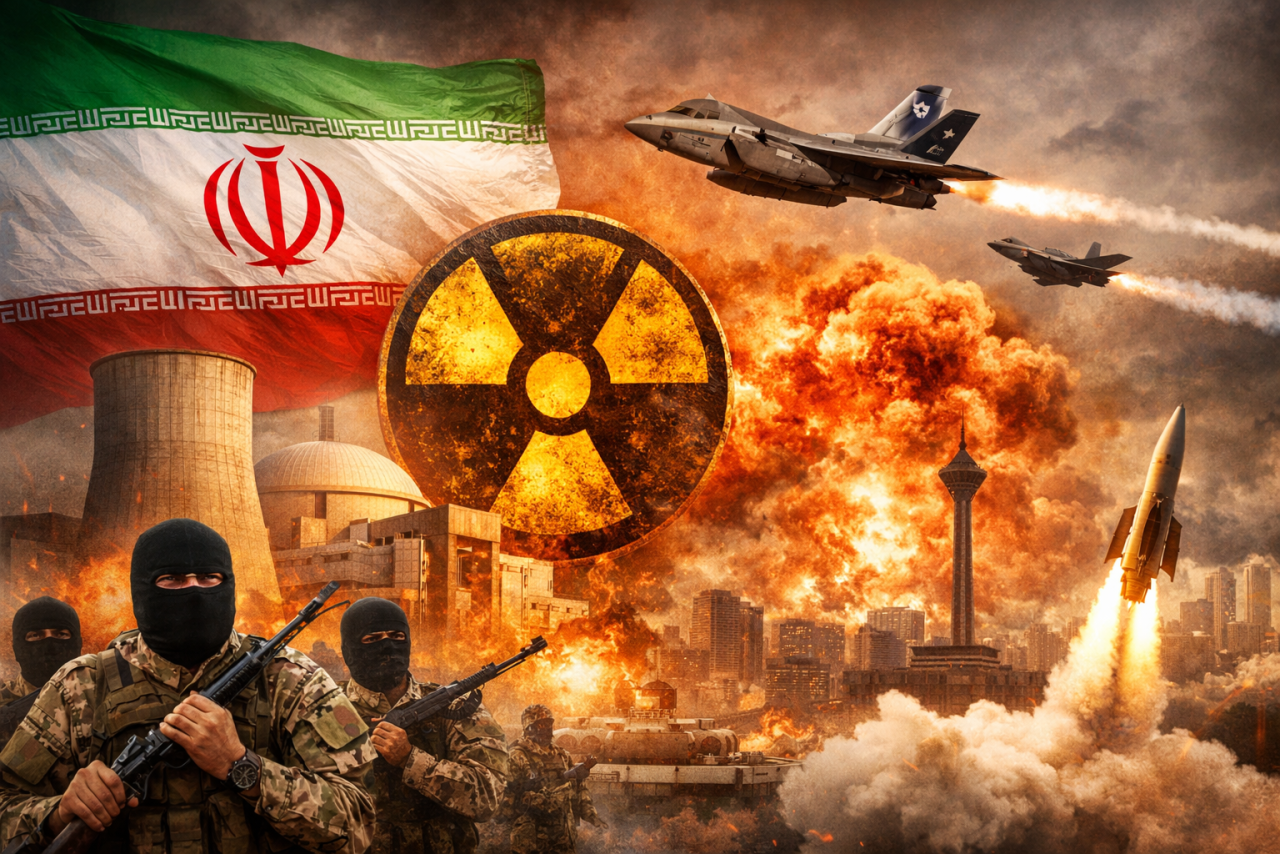
US President Donald Trump has highlighted an unusual dilemma in the war with Iran. He says American military pressure has been so severe that Washington may struggle to find anyone on the Iranian side with the authority to negotiate an end to the conflict.
Trump made the remarks on September 12, at a campaign rally in Youngstown, Ohio, and repeated the point in a late-night post on his Truth Social platform. His comments suggest that the campaign to weaken Iran's leadership could also complicate efforts to bring the war to a close.
What Trump Said About Iran’s Leadership
Trump told the crowd that Iran had lost much of its naval strength and political leadership. He described Iranian ships as lying at the bottom of the sea and claimed that the country had been left with little meaningful military capability.
He also suggested that the campaign against Iran's leadership might have gone too far. With senior figures killed or removed from power, Washington faces a problem in identifying whom it can approach to negotiate a settlement.
Trump said Iranian officials were reluctant to take on senior positions. Those who might succeed the fallen leaders, he suggested, were unwilling to assume the risks of leadership. He claimed that "nobody wants to be the president of Iran."
He described a leadership structure that had been targeted in successive layers, suggesting that the removal of the first and second tiers might have been followed by strikes that went too far.
In his Truth Social post, Trump again pointed to the difficulty of determining whom the US should engage with. The underlying problem is straightforward: ending a war requires representatives on both sides who can negotiate an agreement and secure their government's acceptance of it.
If a country's leadership has been severely weakened or its remaining officials fear taking responsibility, even an opponent willing to negotiate may struggle to find a credible counterpart.
A War That Began on February 28
The conflict began on February 28, with US and Israeli strikes on Iran. Israeli attacks on Lebanon have also added to the wider regional toll. Thousands of people have been killed and millions displaced, according to reports on the conflict.
Trump's remarks come as questions about the war's duration, human cost and possible conclusion become increasingly pressing. His comments raise the possibility that the damage to Iran's command structure could create a political vacuum, making negotiations more difficult even if both sides eventually seek a way out.
The extent of that problem remains uncertain. Trump's statements reflect his assessment of Iran's military and political situation, but they do not independently establish that Tehran has no officials capable of negotiating.
The Problem of a Leadership Vacuum
Military pressure can weaken a government and reduce its ability to continue fighting. But the removal of senior leaders can also complicate diplomacy, particularly when authority is concentrated among a small group of officials.
Negotiations require people who can speak for their country, make commitments and ensure that an agreement is implemented. If senior figures are killed, remaining officials may be unwilling to assume responsibility, or rival factions may disagree over who has the authority to negotiate.
A leadership vacuum can also create uncertainty about who will control the country next. Power may shift towards institutions or groups whose intentions are harder for foreign governments to assess. That can make a conflict more unpredictable rather than bringing it closer to a settlement.
Trump's admission is notable because he made it while presenting the US military campaign as a success. His remarks highlight a potential contradiction in the strategy: weakening an adversary's leadership may reduce its capacity to fight, but it can also remove the people needed to negotiate an end to the conflict.
Where China and Russia Fit In
Trump has also discussed the positions of China and Russia, two major powers with close ties to Tehran. He has described Chinese President Xi Jinping and Russian President Vladimir Putin as largely neutral in the conflict.
In July, Trump said he trusted the two countries not to assist Iran. He also warned that involvement on Tehran's side would have serious consequences. In his public statements, he suggested that any support they were providing was limited and argued that Washington would quickly discover if their involvement increased.
However, both countries have maintained relations with Tehran and criticised aspects of the US military campaign.
Russia has warned that the conflict could trigger a nuclear arms race in West Asia. China has condemned American attacks on Iran as a violation of Iranian sovereignty. Trump has also warned Xi against supporting Tehran.
Their positions matter because outside assistance could affect Iran's ability to sustain the war. Diplomatic pressure from Beijing or Moscow could also influence the prospects for a settlement, depending on whether either government chooses to play a more active role.
Questions Over Russia’s Role
Questions about possible Russian assistance to Iran have persisted. Reports of Iranian drone attacks on CIA facilities in the Gulf prompted US intelligence analysts to examine whether Moscow had supplied Tehran with targeting information or advanced drone technology.
According to reports, European foreign ministers raised concerns about Russia's possible role with US Secretary of State Marco Rubio in March. The Washington Post and The Wall Street Journal also reported that Russia was providing Iran with targeting information.
These reports point to a distinction between Trump's public characterisation of Russia as largely neutral and the questions US intelligence officials have reportedly examined. The precise nature and extent of any Russian assistance remain important issues in assessing how the conflict could develop.
Why Trump’s Admission Matters
Three issues stand out.
First, the war may face obstacles that military superiority alone cannot resolve. Even if Washington has substantially weakened Iran's armed forces, it still needs a credible counterpart to negotiate a settlement.
Second, the humanitarian cost continues to mount. Continued fighting means more deaths, displacement and pressure on communities across the region. If negotiations are delayed because of uncertainty over Iran's leadership, the path to ending that suffering could become longer.
Third, the role of outside powers remains significant. Greater Russian or Chinese assistance to Iran could complicate the conflict, while diplomatic engagement by either country might help create conditions for negotiations. Neither outcome is guaranteed.
Final Take
The central question is whether Iran can establish a leadership structure capable of making decisions and negotiating with Washington. A related question is whether the US would recognise and engage with whoever emerges as Tehran's principal decision-maker.
Washington's approach to military pressure will also matter. Continuing to target Iranian leadership could further weaken the country's command structure, but it could also deepen the uncertainty Trump has described.
For now, his remarks expose a difficult problem at the heart of the war. A military campaign can damage an adversary's ability to fight, but that does not automatically produce a political settlement. If Washington wants to turn battlefield gains into an agreement, it will need someone on the other side with the authority to negotiate and the power to make a deal hold.
US President Donald Trump has highlighted an unusual dilemma in the war with Iran. He says American military pressure has been so severe that Washington may struggle to find anyone on the Iranian side with the authority to negotiate an end to the conflict.
Trump made the remarks on September 12, at a campaign rally in Youngstown, Ohio, and repeated the point in a late-night post on his Truth Social platform. His comments suggest that the campaign to weaken Iran's leadership could also complicate efforts to bring the war to a close.
What Trump Said About Iran’s Leadership
Trump told the crowd that Iran had lost much of its naval strength and political leadership. He described Iranian ships as lying at the bottom of the sea and claimed that the country had been left with little meaningful military capability.
He also suggested that the campaign against Iran's leadership might have gone too far. With senior figures killed or removed from power, Washington faces a problem in identifying whom it can approach to negotiate a settlement.
Trump said Iranian officials were reluctant to take on senior positions. Those who might succeed the fallen leaders, he suggested, were unwilling to assume the risks of leadership. He claimed that "nobody wants to be the president of Iran."
He described a leadership structure that had been targeted in successive layers, suggesting that the removal of the first and second tiers might have been followed by strikes that went too far.
In his Truth Social post, Trump again pointed to the difficulty of determining whom the US should engage with. The underlying problem is straightforward: ending a war requires representatives on both sides who can negotiate an agreement and secure their government's acceptance of it.
If a country's leadership has been severely weakened or its remaining officials fear taking responsibility, even an opponent willing to negotiate may struggle to find a credible counterpart.
A War That Began on February 28
The conflict began on February 28, with US and Israeli strikes on Iran. Israeli attacks on Lebanon have also added to the wider regional toll. Thousands of people have been killed and millions displaced, according to reports on the conflict.
Trump's remarks come as questions about the war's duration, human cost and possible conclusion become increasingly pressing. His comments raise the possibility that the damage to Iran's command structure could create a political vacuum, making negotiations more difficult even if both sides eventually seek a way out.
The extent of that problem remains uncertain. Trump's statements reflect his assessment of Iran's military and political situation, but they do not independently establish that Tehran has no officials capable of negotiating.
The Problem of a Leadership Vacuum
Military pressure can weaken a government and reduce its ability to continue fighting. But the removal of senior leaders can also complicate diplomacy, particularly when authority is concentrated among a small group of officials.
Negotiations require people who can speak for their country, make commitments and ensure that an agreement is implemented. If senior figures are killed, remaining officials may be unwilling to assume responsibility, or rival factions may disagree over who has the authority to negotiate.
A leadership vacuum can also create uncertainty about who will control the country next. Power may shift towards institutions or groups whose intentions are harder for foreign governments to assess. That can make a conflict more unpredictable rather than bringing it closer to a settlement.
Trump's admission is notable because he made it while presenting the US military campaign as a success. His remarks highlight a potential contradiction in the strategy: weakening an adversary's leadership may reduce its capacity to fight, but it can also remove the people needed to negotiate an end to the conflict.
Where China and Russia Fit In
Trump has also discussed the positions of China and Russia, two major powers with close ties to Tehran. He has described Chinese President Xi Jinping and Russian President Vladimir Putin as largely neutral in the conflict.
In July, Trump said he trusted the two countries not to assist Iran. He also warned that involvement on Tehran's side would have serious consequences. In his public statements, he suggested that any support they were providing was limited and argued that Washington would quickly discover if their involvement increased.
However, both countries have maintained relations with Tehran and criticised aspects of the US military campaign.
Russia has warned that the conflict could trigger a nuclear arms race in West Asia. China has condemned American attacks on Iran as a violation of Iranian sovereignty. Trump has also warned Xi against supporting Tehran.
Their positions matter because outside assistance could affect Iran's ability to sustain the war. Diplomatic pressure from Beijing or Moscow could also influence the prospects for a settlement, depending on whether either government chooses to play a more active role.
Questions Over Russia’s Role
Questions about possible Russian assistance to Iran have persisted. Reports of Iranian drone attacks on CIA facilities in the Gulf prompted US intelligence analysts to examine whether Moscow had supplied Tehran with targeting information or advanced drone technology.
According to reports, European foreign ministers raised concerns about Russia's possible role with US Secretary of State Marco Rubio in March. The Washington Post and The Wall Street Journal also reported that Russia was providing Iran with targeting information.
These reports point to a distinction between Trump's public characterisation of Russia as largely neutral and the questions US intelligence officials have reportedly examined. The precise nature and extent of any Russian assistance remain important issues in assessing how the conflict could develop.
Why Trump’s Admission Matters
Three issues stand out.
First, the war may face obstacles that military superiority alone cannot resolve. Even if Washington has substantially weakened Iran's armed forces, it still needs a credible counterpart to negotiate a settlement.
Second, the humanitarian cost continues to mount. Continued fighting means more deaths, displacement and pressure on communities across the region. If negotiations are delayed because of uncertainty over Iran's leadership, the path to ending that suffering could become longer.
Third, the role of outside powers remains significant. Greater Russian or Chinese assistance to Iran could complicate the conflict, while diplomatic engagement by either country might help create conditions for negotiations. Neither outcome is guaranteed.
Final Take
The central question is whether Iran can establish a leadership structure capable of making decisions and negotiating with Washington. A related question is whether the US would recognise and engage with whoever emerges as Tehran's principal decision-maker.
Washington's approach to military pressure will also matter. Continuing to target Iranian leadership could further weaken the country's command structure, but it could also deepen the uncertainty Trump has described.
For now, his remarks expose a difficult problem at the heart of the war. A military campaign can damage an adversary's ability to fight, but that does not automatically produce a political settlement. If Washington wants to turn battlefield gains into an agreement, it will need someone on the other side with the authority to negotiate and the power to make a deal hold.
















Leave a Comment