
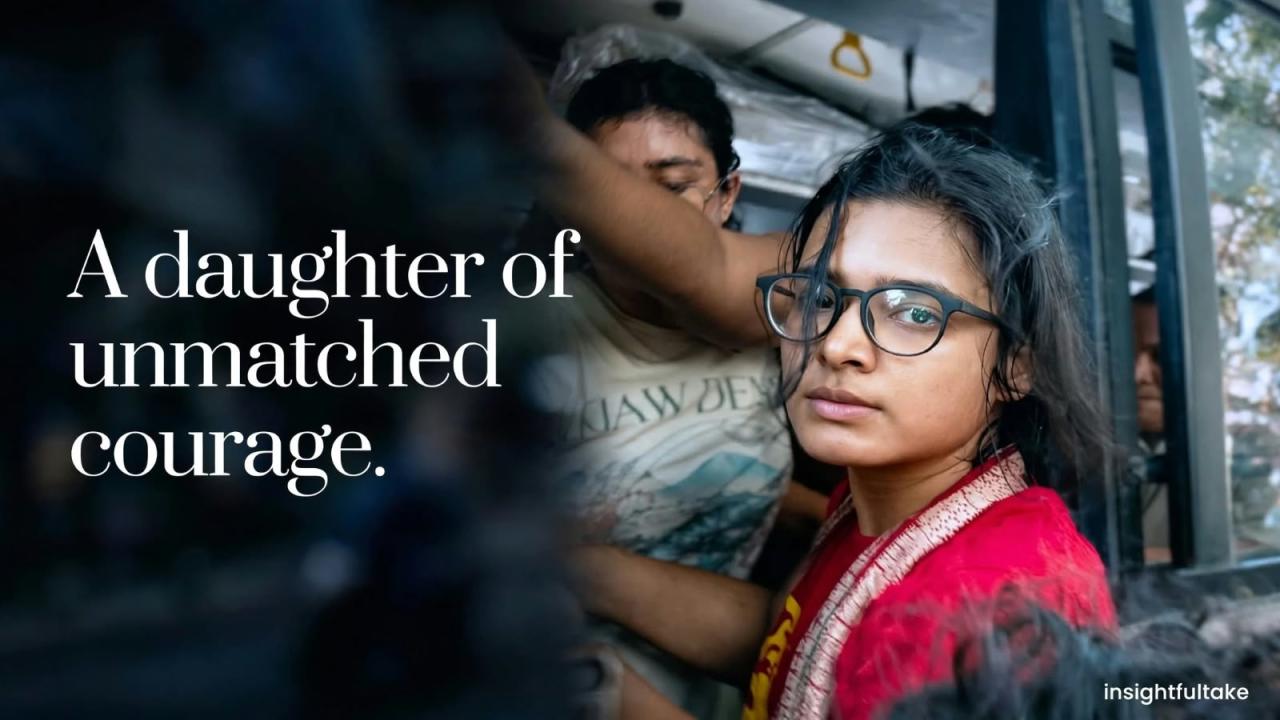
Neha Bora risked her health for students she had never met. Her courage made one father wish he had another daughter.
When the NEET paper leak came to light in 2024, thousands of students lost more than an examination. They lost a year of preparation, their families' savings and, for some, their faith in a system that was supposed to reward hard work.
The government issued statements. Committees were formed. News cycles moved on.
Neha Bora did not.
A 29-year-old PhD student at Jawaharlal Nehru University and a theatre artist from Khatima, a small town in Uttarakhand, she travelled to Delhi and sat on a protest at Jantar Mantar. She was not fighting for herself. She was standing up for students she had never met, for young people who had spent years preparing for competitive examinations and for parents who had invested their savings in the hope of securing their children's future.
She went on a hunger strike that lasted 23 days.
She weighed 66 kilograms when she began. By the end, she had lost more than seven kilograms. Doctors drew her blood several times a day. Her body grew weaker, but she continued until the protest achieved its purpose.
After the hunger strike, she said her body had forgotten how to eat. She had to learn again, almost like a baby.
Even then, she did not head straight home to recover. Still weak, she travelled to Bihar to meet more than 600 students who had been arrested in connection with the protest. She chose to meet those who had stood with her before taking time to rest herself.
In Ranchi, someone threw ink on her face and called her anti-national. Her response was that she had already faced pellets and lathis in Delhi. Ink would not frighten her.
I read about Neha and found myself thinking about my own daughter. Then I had a thought I had never expected to have.
I wished I had another daughter. One like Neha.
The daughter I always wanted
When I got married, I knew I wanted only one child. In my heart, I hoped that child would be a girl. I was blessed with a daughter.
The first time I held her, I made a silent promise to myself. She would never have to compete for my time or attention. Whatever I had to give, I would give it to her.
I had seen families with four or five children, where parents worked from morning to night and still struggled to give every child the attention they needed. I also worried about the pressure of a growing population on our natural resources. Having one child seemed right to me, both personally and responsibly.
For years, I never questioned that decision.
Then I read about Neha Bora.
I do not know her personally. Yet her courage made me wish I had one more daughter. It was a strange thought, and it surprised me. But it was honest.
I was not wishing for another child simply because Neha was brave. I was thinking about the kind of person she had chosen to become, someone willing to suffer for the rights of people she did not know.
That is a quality no parent can manufacture. It has to grow within a person.
The strength of children who keep starting over
Neha's father served in the Army. Like many Army families, hers moved from one posting to another.
My wife's father also served in the Army. I have never called him my father-in-law. To me, he is simply Papa.
My wife studied in thirteen schools. Thirteen first days in unfamiliar classrooms. Thirteen occasions when she had to make new friends and learn to belong. And thirteen goodbyes to people she might never meet again.
Children in Army families learn to pack their bags, adjust to new surroundings and begin again. They become familiar with change at an age when most children are still trying to understand the world around them. People often admire their adaptability without considering the loneliness that can accompany it.
I see that strength in my wife every day. I recognised something similar in Neha.
Perhaps growing up in a life of constant change teaches a person to stand on their own feet. Perhaps it also teaches them to recognise the struggles of others. I cannot say what shaped Neha's convictions, but I admire the courage with which she acted on them.
Her family did not agree with her decision to protest. There were arguments at home. Yet during her hunger strike, her mother came to Jantar Mantar.
I do not know what passed between them. I do not need to know.
I am a parent. I can imagine what a mother feels when she sees her child, thinner and exhausted, still refusing to give up on a hot Delhi road. Whatever disagreements came before must have seemed small in that moment. What remains is the most basic truth of parenthood: this is my child.
Neha has said that she has not yet spoken to her father.
I do not know him, but I know how difficult it can be for fathers to express emotions that sit deep inside them. We worry, we disagree, we become angry and sometimes we struggle to find the words that our children need to hear.
So, if he cannot say it yet, let me say it from Chennai.
Beta, we are proud of you. Now go and eat something properly.
What can a parent learn from Neha?
I work with energy every day as a dowser. Over time, I have come to believe that anger is heavy. It burns quickly and can consume the person who carries it.
Neha's 23-day hunger strike made me reflect on what sustains a person through such hardship. For me, the answer lies in love. Not the easy love we feel for our own families, but the difficult kind that makes us care about people whose names we may never know.
Neha stood up for students she had never met. She put her own health at risk for their right to a fair examination and an education system they could trust. Her protest was an expression of solidarity with young people who felt that their hard work and aspirations had been betrayed.
In Khatima, Delhi and Ranchi, she showed that one person can make those in power uncomfortable by refusing to look away.
As parents, we spend much of our lives trying to keep our children safe. We want them to study well, find good jobs, build secure lives and avoid unnecessary suffering. These are natural hopes. We want to spare them the pain that life can bring.
But do we also teach them to notice who is being left behind?
Do we encourage them to question injustice, even when doing so comes at a personal cost? And if they decide to stand up for someone else, will we stand beside them, as Neha's mother did? Or will we ask them to come home, keep their heads down and stay out of trouble?
There is no easy answer. Every parent worries about a child's safety. Courage does not mean that we stop worrying, nor does every protest require a person to put their health at risk. But there is a difference between protecting our children from harm and teaching them to remain silent when others are harmed.
The NEET paper leak was a failure of the system. Neha's decision to stand with the affected students was a reminder of what citizens can do when institutions fail them.
Her story has also reminded me that the purpose of raising a child cannot end with giving that child a comfortable life.
We must also help our children develop the conscience to recognise another person's suffering, the courage to question what is wrong and the compassion to act when they can.
I have one daughter, and I remain grateful for that blessing. Reading about Neha has not changed my love for my own child. It has made me think more deeply about the kind of values I hope she will carry into the world.
Perhaps that is what I mean when I say I wish I had another daughter like Neha.
I wish there were more young people who cared enough to stand up for strangers. I wish more parents could look beyond their own children's achievements and feel proud when their children fight for someone else's dignity.
And I hope that when our children find the courage to do what they believe is right, we do not become the reason they turn away from it.
Our responsibility as parents is not only to protect our children's futures. It is also to protect the light within them, even when that light leads them somewhere we did not expect.
Dear Neha, you may not be my daughter, but your courage has given this father something to think about. May you recover your strength, continue your work and always find people willing to stand beside you.
---------------------------------------------------------------------------------------------------------------
K. Sharad Haksar is a dowser and writer based in Chennai. This letter is addressed to Neha Bora.
---------------------------------------------------------------------------------------------------------------
When the NEET paper leak came to light in 2024, thousands of students lost more than an examination. They lost a year of preparation, their families' savings and, for some, their faith in a system that was supposed to reward hard work.
The government issued statements. Committees were formed. News cycles moved on.
Neha Bora did not.
A 29-year-old PhD student at Jawaharlal Nehru University and a theatre artist from Khatima, a small town in Uttarakhand, she travelled to Delhi and sat on a protest at Jantar Mantar. She was not fighting for herself. She was standing up for students she had never met, for young people who had spent years preparing for competitive examinations and for parents who had invested their savings in the hope of securing their children's future.
She went on a hunger strike that lasted 23 days.
She weighed 66 kilograms when she began. By the end, she had lost more than seven kilograms. Doctors drew her blood several times a day. Her body grew weaker, but she continued until the protest achieved its purpose.
After the hunger strike, she said her body had forgotten how to eat. She had to learn again, almost like a baby.
Even then, she did not head straight home to recover. Still weak, she travelled to Bihar to meet more than 600 students who had been arrested in connection with the protest. She chose to meet those who had stood with her before taking time to rest herself.
In Ranchi, someone threw ink on her face and called her anti-national. Her response was that she had already faced pellets and lathis in Delhi. Ink would not frighten her.
I read about Neha and found myself thinking about my own daughter. Then I had a thought I had never expected to have.
I wished I had another daughter. One like Neha.
The daughter I always wanted
When I got married, I knew I wanted only one child. In my heart, I hoped that child would be a girl. I was blessed with a daughter.
The first time I held her, I made a silent promise to myself. She would never have to compete for my time or attention. Whatever I had to give, I would give it to her.
I had seen families with four or five children, where parents worked from morning to night and still struggled to give every child the attention they needed. I also worried about the pressure of a growing population on our natural resources. Having one child seemed right to me, both personally and responsibly.
For years, I never questioned that decision.
Then I read about Neha Bora.
I do not know her personally. Yet her courage made me wish I had one more daughter. It was a strange thought, and it surprised me. But it was honest.
I was not wishing for another child simply because Neha was brave. I was thinking about the kind of person she had chosen to become, someone willing to suffer for the rights of people she did not know.
That is a quality no parent can manufacture. It has to grow within a person.
The strength of children who keep starting over
Neha's father served in the Army. Like many Army families, hers moved from one posting to another.
My wife's father also served in the Army. I have never called him my father-in-law. To me, he is simply Papa.
My wife studied in thirteen schools. Thirteen first days in unfamiliar classrooms. Thirteen occasions when she had to make new friends and learn to belong. And thirteen goodbyes to people she might never meet again.
Children in Army families learn to pack their bags, adjust to new surroundings and begin again. They become familiar with change at an age when most children are still trying to understand the world around them. People often admire their adaptability without considering the loneliness that can accompany it.
I see that strength in my wife every day. I recognised something similar in Neha.
Perhaps growing up in a life of constant change teaches a person to stand on their own feet. Perhaps it also teaches them to recognise the struggles of others. I cannot say what shaped Neha's convictions, but I admire the courage with which she acted on them.
Her family did not agree with her decision to protest. There were arguments at home. Yet during her hunger strike, her mother came to Jantar Mantar.
I do not know what passed between them. I do not need to know.
I am a parent. I can imagine what a mother feels when she sees her child, thinner and exhausted, still refusing to give up on a hot Delhi road. Whatever disagreements came before must have seemed small in that moment. What remains is the most basic truth of parenthood: this is my child.
Neha has said that she has not yet spoken to her father.
I do not know him, but I know how difficult it can be for fathers to express emotions that sit deep inside them. We worry, we disagree, we become angry and sometimes we struggle to find the words that our children need to hear.
So, if he cannot say it yet, let me say it from Chennai.
Beta, we are proud of you. Now go and eat something properly.
What can a parent learn from Neha?
I work with energy every day as a dowser. Over time, I have come to believe that anger is heavy. It burns quickly and can consume the person who carries it.
Neha's 23-day hunger strike made me reflect on what sustains a person through such hardship. For me, the answer lies in love. Not the easy love we feel for our own families, but the difficult kind that makes us care about people whose names we may never know.
Neha stood up for students she had never met. She put her own health at risk for their right to a fair examination and an education system they could trust. Her protest was an expression of solidarity with young people who felt that their hard work and aspirations had been betrayed.
In Khatima, Delhi and Ranchi, she showed that one person can make those in power uncomfortable by refusing to look away.
As parents, we spend much of our lives trying to keep our children safe. We want them to study well, find good jobs, build secure lives and avoid unnecessary suffering. These are natural hopes. We want to spare them the pain that life can bring.
But do we also teach them to notice who is being left behind?
Do we encourage them to question injustice, even when doing so comes at a personal cost? And if they decide to stand up for someone else, will we stand beside them, as Neha's mother did? Or will we ask them to come home, keep their heads down and stay out of trouble?
There is no easy answer. Every parent worries about a child's safety. Courage does not mean that we stop worrying, nor does every protest require a person to put their health at risk. But there is a difference between protecting our children from harm and teaching them to remain silent when others are harmed.
The NEET paper leak was a failure of the system. Neha's decision to stand with the affected students was a reminder of what citizens can do when institutions fail them.
Her story has also reminded me that the purpose of raising a child cannot end with giving that child a comfortable life.
We must also help our children develop the conscience to recognise another person's suffering, the courage to question what is wrong and the compassion to act when they can.
I have one daughter, and I remain grateful for that blessing. Reading about Neha has not changed my love for my own child. It has made me think more deeply about the kind of values I hope she will carry into the world.
Perhaps that is what I mean when I say I wish I had another daughter like Neha.
I wish there were more young people who cared enough to stand up for strangers. I wish more parents could look beyond their own children's achievements and feel proud when their children fight for someone else's dignity.
And I hope that when our children find the courage to do what they believe is right, we do not become the reason they turn away from it.
Our responsibility as parents is not only to protect our children's futures. It is also to protect the light within them, even when that light leads them somewhere we did not expect.
Dear Neha, you may not be my daughter, but your courage has given this father something to think about. May you recover your strength, continue your work and always find people willing to stand beside you.
---------------------------------------------------------------------------------------------------------------
K. Sharad Haksar is a dowser and writer based in Chennai. This letter is addressed to Neha Bora.
---------------------------------------------------------------------------------------------------------------

.jpeg)











Leave a Comment