
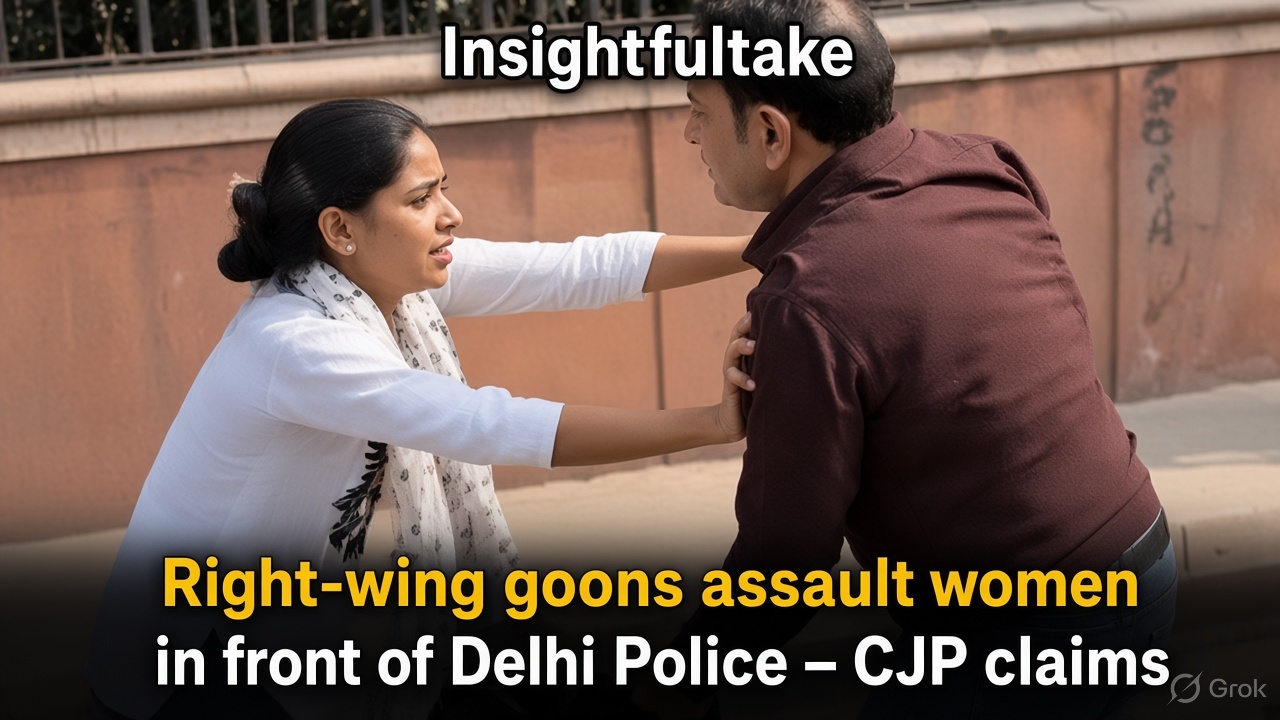
Protesters and journalists faced threats and alleged assaults in central Delhi, raising serious questions about police accountability and the right to peaceful dissent.
Violence erupted at protest sites in central Delhi on October 10, 2026, when men identifying themselves as members of right-wing organisations allegedly threatened journalists and assaulted demonstrators, including women. The incidents took place as police deployed thousands of personnel to prevent a planned demonstration by the Cockroach Janta Party (CJP) against Chief Election Commissioner Gyanesh Kumar.
Reports by and videos circulated on social media documented several confrontations in Connaught Place and near the Municipal Corporation of Delhi (MCD) Civic Centre. The incidents raised questions about police action, the safety of journalists and the right to peaceful political protest.
Why the CJP Protest Was Called
The youth-led CJP had called for demonstrations at Jantar Mantar, demanding the resignation of Chief Election Commissioner Gyanesh Kumar over alleged irregularities in the Special Intensive Revision (SIR) of electoral rolls.
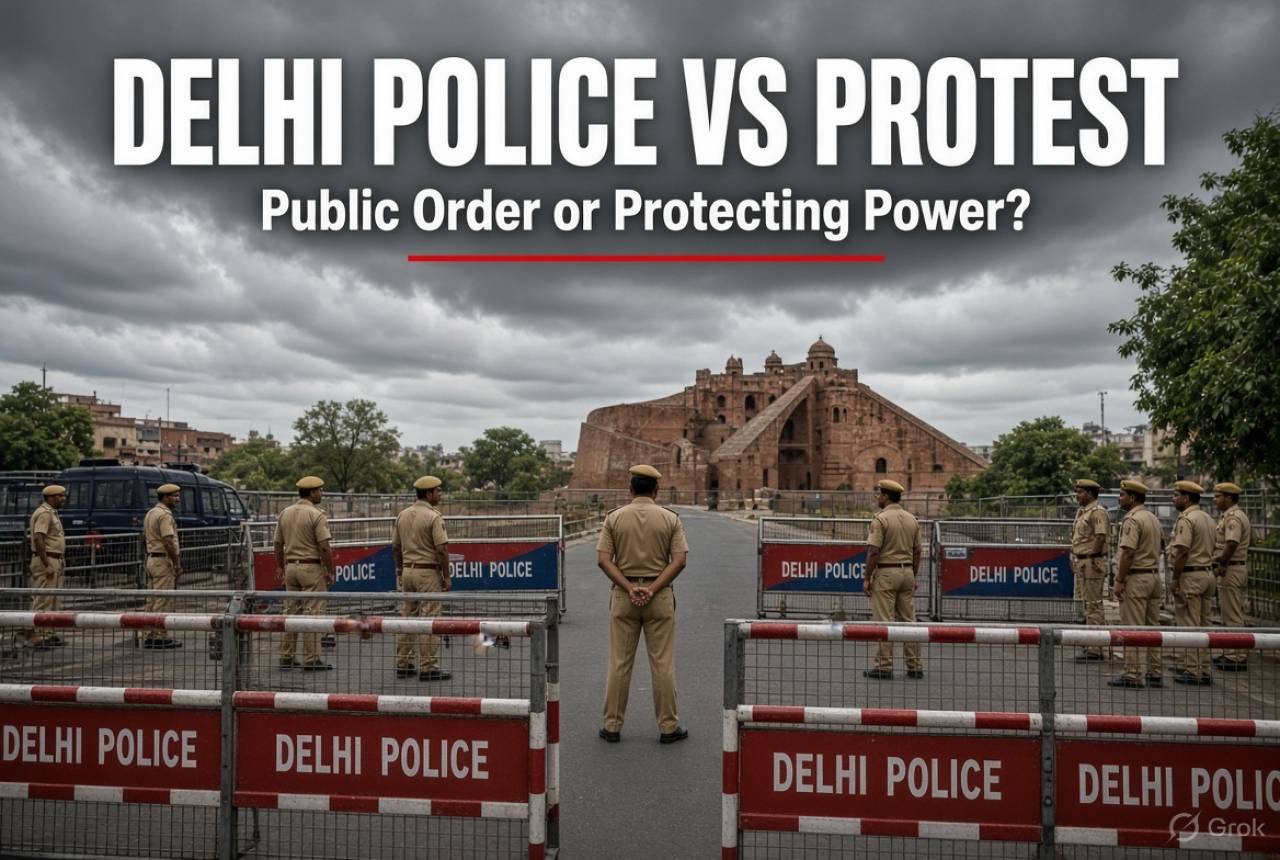
Authorities mounted a large security operation, reportedly deploying more than 25,000 personnel. Roads were blocked, access to some Metro stations was restricted, and several protesters, opposition figures, lawyers and journalists faced preventive detention.
Amid these restrictions, groups of men identifying themselves with organisations such as the Bajrang Dal and the Hindustan Raksha Dal confronted protesters and journalists at different locations.
Journalists Threatened Near Palika Bazaar
Around 2.30 pm on October 10, a group of more than 30 men identifying themselves as Bajrang Dal members confronted journalists near Palika Bazaar in Connaught Place.
According to Hindustan Times, one of the men accused journalists of reporting fake news in support of the CJP and threatened them. He reportedly said the group would protect Delhi Police because the police could not use weapons against the protesters.
Police eventually dispersed the group, and some of the men were detained later.
More serious confrontations followed. Hindustan Times reporters witnessed men beating protesters in Connaught Place while police personnel were present. Near the MCD Civic Centre, men identified as members of the Hindustan Raksha Dal allegedly dragged, assaulted and threatened both male and female demonstrators.
Videos Show Protesters Being Assaulted
Videos circulated on social media showed protesters being slapped, kicked and beaten during the clashes.
In one widely shared video, two men appeared to drag and assault a young woman before her sister intervened and pulled her away. Another video, reportedly recorded near Connaught Place, showed men attacking a protester with brass knuckles and tearing his T-shirt.
A 14-year-old girl who had previously protested against a right-wing content creator said two men followed her in Connaught Place. She alleged that around 20 others subsequently arrived, identified her and began threatening her. Bystanders intervened.
A 21-year-old media student who took shelter at Gurdwara Bangla Sahib also described being targeted. According to his account, police did not stop the attackers, and his friend was struck on the head but managed to escape.
The accounts and videos pointed to a disturbing situation in which people attending a political demonstration, including young women and students, faced threats and physical violence.
Police Response and Delayed Action
The reported assaults also raised questions about the police response.
While authorities imposed extensive restrictions on the CJP demonstration and detained supporters preventively, journalists reported that some alleged attackers continued to confront protesters even in the presence of police personnel.
According to the initial media reports, senior police officers said they had rescued an assaulted woman and removed the men from the scene. However, no First Information Report (FIR) had been registered against the attackers at the time of that initial reporting.
Subsequent reports said police registered a case after videos of the violence circulated widely online.
The contrast between the preventive action taken against protesters and the reported delay in acting against alleged assailants raised concerns about whether the law was being enforced equally.
Four Men Arrested on October 11
On October 11, Delhi Police arrested four men identified as Raman Saini, 50, Vivekanand, 32, Kapil Kumar, 27, and Ravinder Singh, 35. They reportedly claimed links to the Hindu Raksha Dal.
The arrests were linked to an assault on DDU Marg in which a male protester was attacked and a woman was allegedly pushed and manhandled.
Pinki Chaudhary, identified in reports as the head of a faction of the organisation, publicly claimed responsibility for the violence. He reportedly said his workers would continue “setting the minds of cockroaches straight”, referring to the CJP.
Reports also described saffron-clad men returning to Connaught Place the following day, carrying sticks and issuing threats.
The arrests marked an important step towards accountability, but they did not resolve the broader concerns about the safety of demonstrators and journalists at political gatherings.
What the Violence Means for the Right to Protest
The incidents in central Delhi went beyond a confrontation between rival political groups. They raised a fundamental question about the state's responsibility to protect citizens exercising their constitutional rights.
Peaceful assembly and freedom of expression are essential to a functioning democracy. These rights include the ability to criticise public institutions, question election authorities and report on political events without facing threats or physical attacks.
Journalists must be able to cover demonstrations without intimidation. Protesters must be able to express dissent without fear of being assaulted by organised groups. The police, meanwhile, have a responsibility to protect people regardless of their political affiliations.
The reported attacks also raise concerns about the treatment of women and minors at public demonstrations. When alleged assailants can threaten or attack people in the presence of police personnel, public confidence in law enforcement suffers.
Preventive restrictions may be imposed where legally justified, but they cannot replace the obligation to investigate violence and hold those responsible accountable.
Accountability Must Go Beyond Arrests
The reported violence of October 10, followed by the arrests the next day, highlights the need for an impartial investigation into the assaults and the circumstances in which they occurred.
Police must establish the roles of those involved, examine available video evidence and take appropriate legal action. They must also explain whether officers present at the scenes intervened promptly and whether any failures in the response require further investigation.
The arrests of four men are a necessary step, but accountability must extend to every person found responsible for threats or assaults. Equally important is ensuring that future demonstrations remain safe for protesters, journalists and bystanders.
A democracy is tested not only by how it manages public order but also by how it protects those who challenge authority. When peaceful dissent is met with intimidation or violence, the right to protest becomes weaker in practice, even when it remains protected in law.
The events in central Delhi therefore demand more than a response to individual assaults. They require a clear commitment to equal law enforcement, press freedom and the protection of peaceful political dissent.
Violence erupted at protest sites in central Delhi on October 10, 2026, when men identifying themselves as members of right-wing organisations allegedly threatened journalists and assaulted demonstrators, including women. The incidents took place as police deployed thousands of personnel to prevent a planned demonstration by the Cockroach Janta Party (CJP) against Chief Election Commissioner Gyanesh Kumar.
Reports by and videos circulated on social media documented several confrontations in Connaught Place and near the Municipal Corporation of Delhi (MCD) Civic Centre. The incidents raised questions about police action, the safety of journalists and the right to peaceful political protest.
Why the CJP Protest Was Called
The youth-led CJP had called for demonstrations at Jantar Mantar, demanding the resignation of Chief Election Commissioner Gyanesh Kumar over alleged irregularities in the Special Intensive Revision (SIR) of electoral rolls.
Authorities mounted a large security operation, reportedly deploying more than 25,000 personnel. Roads were blocked, access to some Metro stations was restricted, and several protesters, opposition figures, lawyers and journalists faced preventive detention.
Amid these restrictions, groups of men identifying themselves with organisations such as the Bajrang Dal and the Hindustan Raksha Dal confronted protesters and journalists at different locations.
Journalists Threatened Near Palika Bazaar
Around 2.30 pm on October 10, a group of more than 30 men identifying themselves as Bajrang Dal members confronted journalists near Palika Bazaar in Connaught Place.
According to Hindustan Times, one of the men accused journalists of reporting fake news in support of the CJP and threatened them. He reportedly said the group would protect Delhi Police because the police could not use weapons against the protesters.
Police eventually dispersed the group, and some of the men were detained later.
More serious confrontations followed. Hindustan Times reporters witnessed men beating protesters in Connaught Place while police personnel were present. Near the MCD Civic Centre, men identified as members of the Hindustan Raksha Dal allegedly dragged, assaulted and threatened both male and female demonstrators.
Videos Show Protesters Being Assaulted
Videos circulated on social media showed protesters being slapped, kicked and beaten during the clashes.
In one widely shared video, two men appeared to drag and assault a young woman before her sister intervened and pulled her away. Another video, reportedly recorded near Connaught Place, showed men attacking a protester with brass knuckles and tearing his T-shirt.
A 14-year-old girl who had previously protested against a right-wing content creator said two men followed her in Connaught Place. She alleged that around 20 others subsequently arrived, identified her and began threatening her. Bystanders intervened.
A 21-year-old media student who took shelter at Gurdwara Bangla Sahib also described being targeted. According to his account, police did not stop the attackers, and his friend was struck on the head but managed to escape.
The accounts and videos pointed to a disturbing situation in which people attending a political demonstration, including young women and students, faced threats and physical violence.
Police Response and Delayed Action
The reported assaults also raised questions about the police response.
While authorities imposed extensive restrictions on the CJP demonstration and detained supporters preventively, journalists reported that some alleged attackers continued to confront protesters even in the presence of police personnel.
According to the initial media reports, senior police officers said they had rescued an assaulted woman and removed the men from the scene. However, no First Information Report (FIR) had been registered against the attackers at the time of that initial reporting.
Subsequent reports said police registered a case after videos of the violence circulated widely online.
The contrast between the preventive action taken against protesters and the reported delay in acting against alleged assailants raised concerns about whether the law was being enforced equally.
Four Men Arrested on October 11
On October 11, Delhi Police arrested four men identified as Raman Saini, 50, Vivekanand, 32, Kapil Kumar, 27, and Ravinder Singh, 35. They reportedly claimed links to the Hindu Raksha Dal.
The arrests were linked to an assault on DDU Marg in which a male protester was attacked and a woman was allegedly pushed and manhandled.
Pinki Chaudhary, identified in reports as the head of a faction of the organisation, publicly claimed responsibility for the violence. He reportedly said his workers would continue “setting the minds of cockroaches straight”, referring to the CJP.
Reports also described saffron-clad men returning to Connaught Place the following day, carrying sticks and issuing threats.
The arrests marked an important step towards accountability, but they did not resolve the broader concerns about the safety of demonstrators and journalists at political gatherings.
What the Violence Means for the Right to Protest
The incidents in central Delhi went beyond a confrontation between rival political groups. They raised a fundamental question about the state's responsibility to protect citizens exercising their constitutional rights.
Peaceful assembly and freedom of expression are essential to a functioning democracy. These rights include the ability to criticise public institutions, question election authorities and report on political events without facing threats or physical attacks.
Journalists must be able to cover demonstrations without intimidation. Protesters must be able to express dissent without fear of being assaulted by organised groups. The police, meanwhile, have a responsibility to protect people regardless of their political affiliations.
The reported attacks also raise concerns about the treatment of women and minors at public demonstrations. When alleged assailants can threaten or attack people in the presence of police personnel, public confidence in law enforcement suffers.
Preventive restrictions may be imposed where legally justified, but they cannot replace the obligation to investigate violence and hold those responsible accountable.
Accountability Must Go Beyond Arrests
The reported violence of October 10, followed by the arrests the next day, highlights the need for an impartial investigation into the assaults and the circumstances in which they occurred.
Police must establish the roles of those involved, examine available video evidence and take appropriate legal action. They must also explain whether officers present at the scenes intervened promptly and whether any failures in the response require further investigation.
The arrests of four men are a necessary step, but accountability must extend to every person found responsible for threats or assaults. Equally important is ensuring that future demonstrations remain safe for protesters, journalists and bystanders.
A democracy is tested not only by how it manages public order but also by how it protects those who challenge authority. When peaceful dissent is met with intimidation or violence, the right to protest becomes weaker in practice, even when it remains protected in law.
The events in central Delhi therefore demand more than a response to individual assaults. They require a clear commitment to equal law enforcement, press freedom and the protection of peaceful political dissent.
















Leave a Comment