
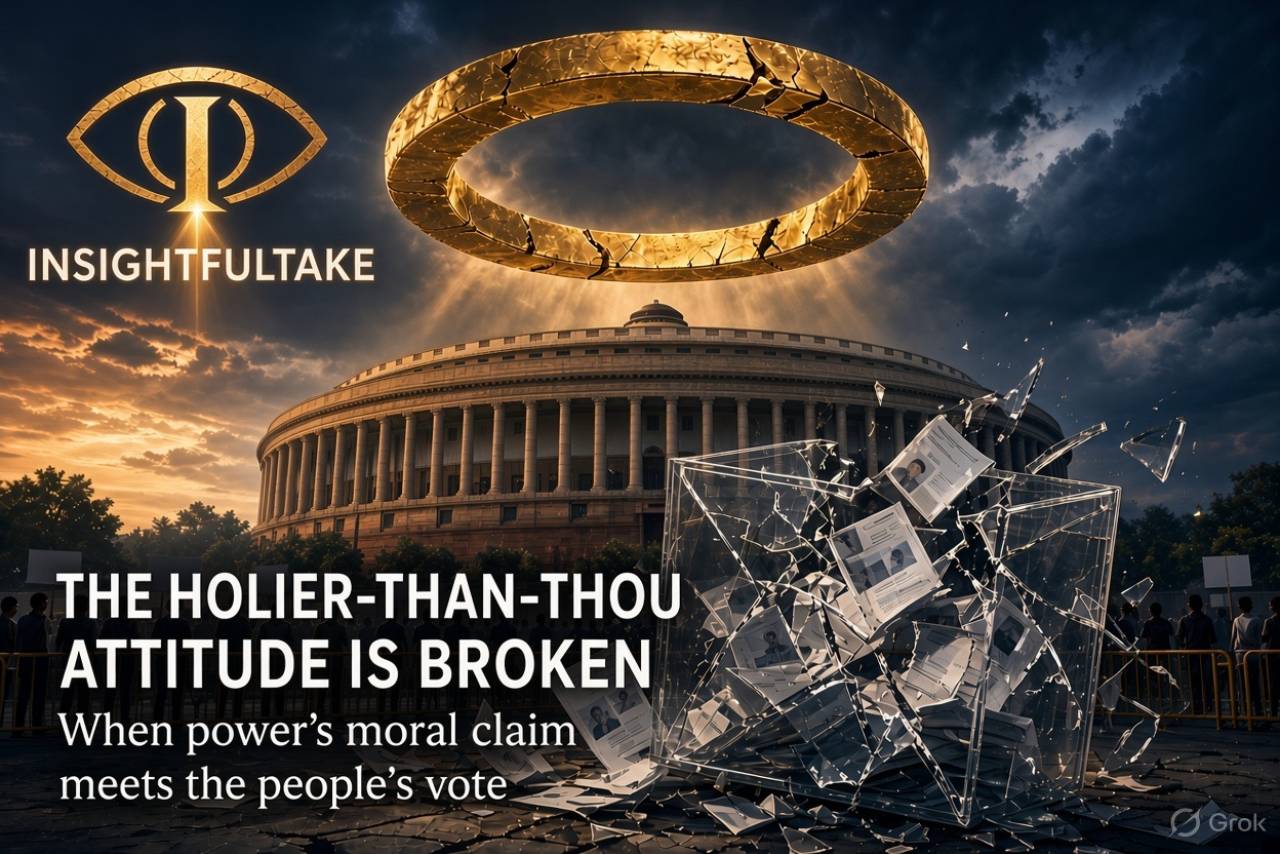
The voter-roll controversy is testing the BJP’s claim to moral superiority, raising questions about electoral transparency, institutional independence and citizens’ voting rights.
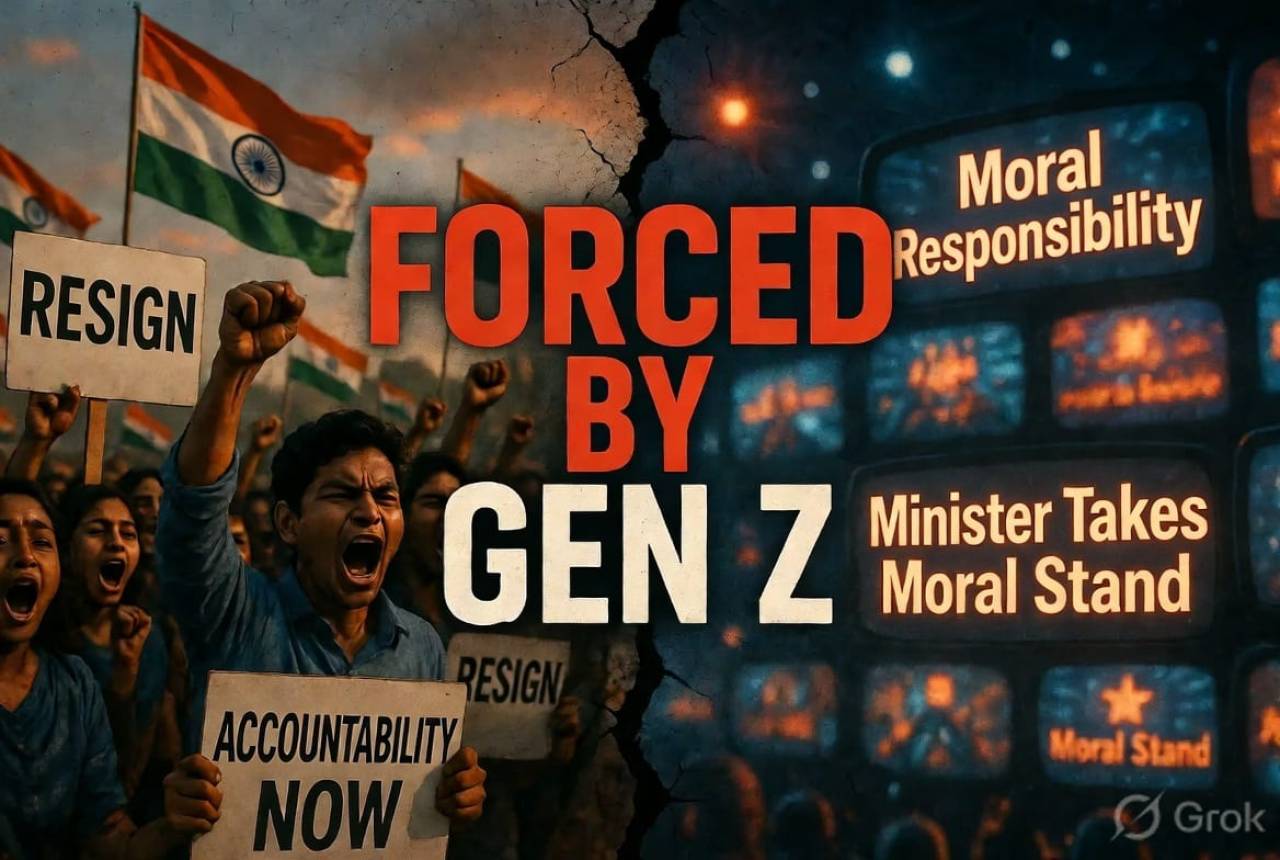
For more than a decade, the Bharatiya Janata Party has cultivated an image of itself as the guardian of institutional purity, a party that would cleanse Indian democracy of the rot left by its predecessors. It spoke of electoral integrity with the solemnity of a high priest, presented the Election Commission as an impregnable fortress of neutrality, and dismissed allegations of partisanship as the sour grapes of a defeated opposition. The careful burnished image of moral superiority is now under strain, amid protests over a voter-roll revision exercise that critics say has resulted in more than 130 million names being deleted under the Special Intensive Revision. Protests in Delhi and other cities, reportedly led by the youth-driven Cockroach Janta Party and joined by opposition parties, student groups and civil society, have brought renewed attention to the gap between the BJP’s self-image and its exercise of power.
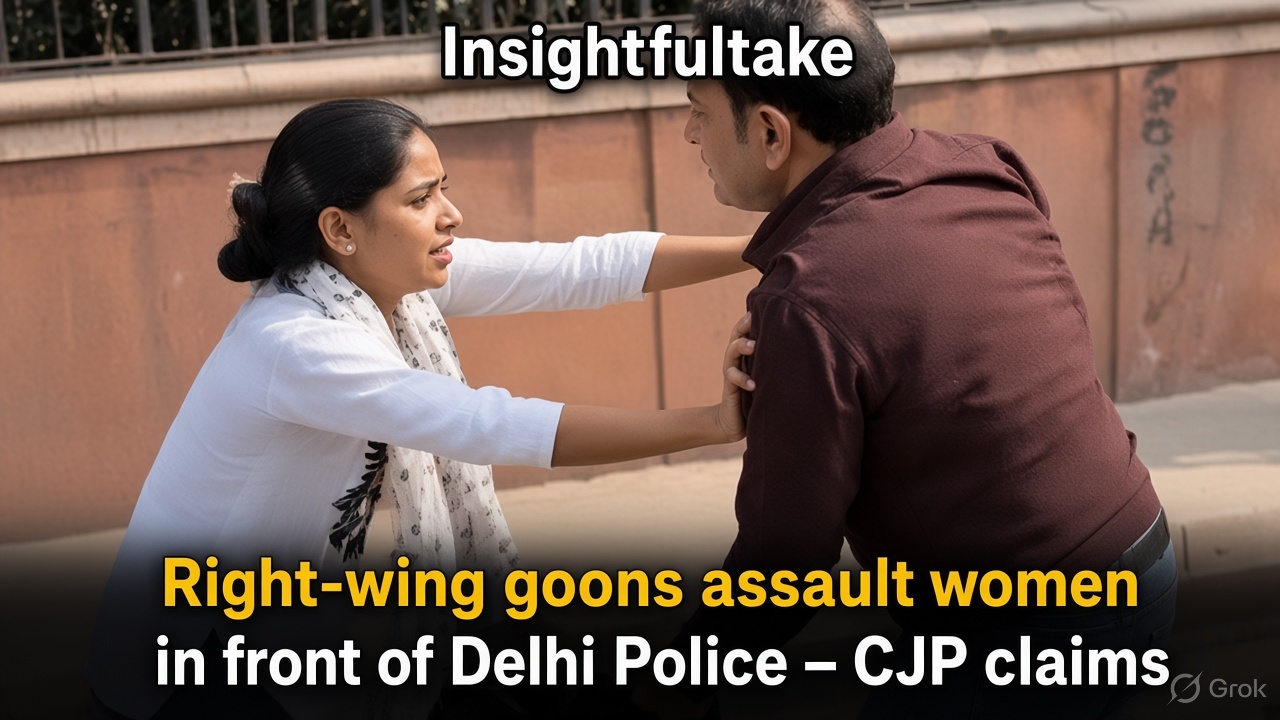
The immediate trigger was an investigative report in late September that revealed alleged internal disquiet within the Election Commission itself. Two election commissioners had reportedly raised serious concerns about the manner in which the revision was being conducted, including changes to registration procedures, digital systems and the scale of deletions. What followed, according to critics, was not a sufficiently transparent institutional response but a pattern of denial, deflection and restrictions on public protest. Delhi was placed under heavy security. Reports of cancelled trains, metro station closures, internet restrictions and the detention of protesters fuelled criticism of the authorities. Opposition leaders, including the Leader of the Opposition, were reportedly detained briefly. The designated protest site at Jantar Mantar was effectively sealed, according to accounts of the demonstrations. Allegations of beatings, arbitrary detention and excessive restrictions on movement added to concerns about the handling of the protests. The central question was whether citizens could challenge the integrity of the electoral process without facing disproportionate restrictions.
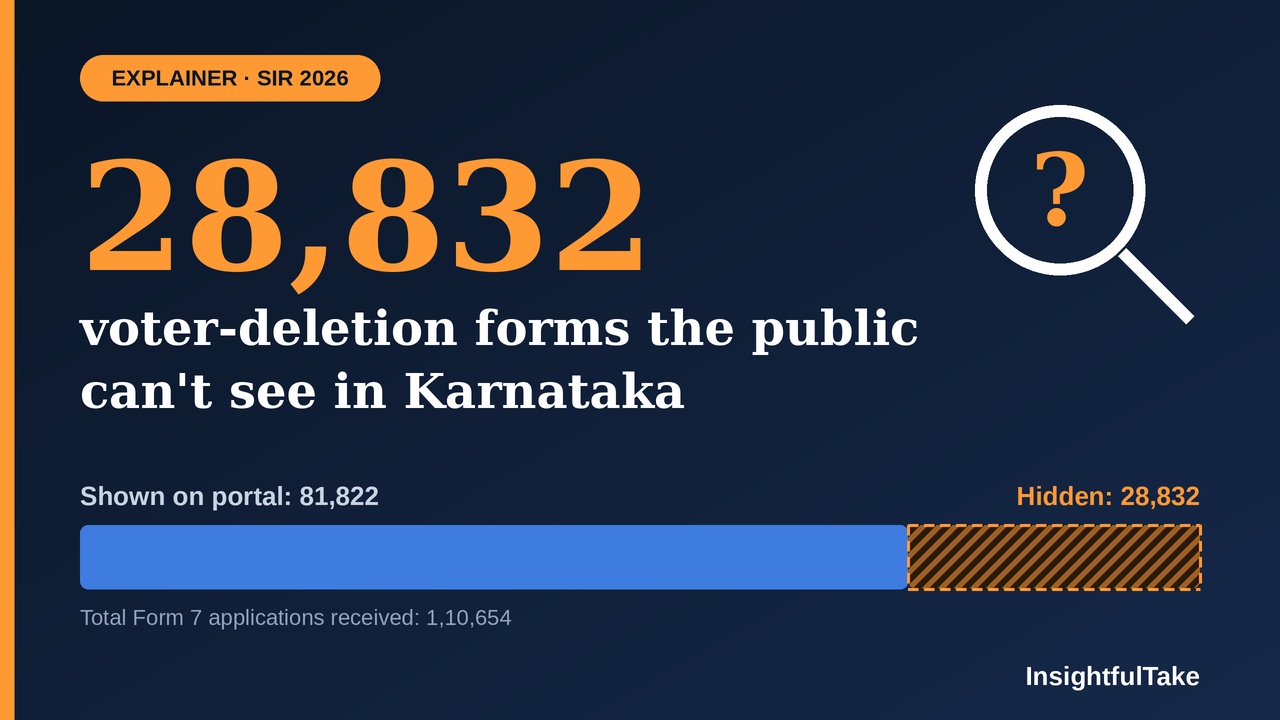
This is not how a government confident in its democratic credentials should respond to legitimate questions. The BJP has long argued that large-scale cleaning of electoral rolls is necessary to remove duplicate entries, the names of deceased voters and those who are ineligible to vote. No serious democrat disputes the need for accurate electoral rolls. The problem lies in the transparency of the process, its potential disproportionate impact on the poor, minorities, women and migrant workers, and the need for independent scrutiny when questions arise. When an exercise of this scale is accompanied by allegations of wrongful deletions, public suspicion cannot simply be dismissed as anti-national or politically motivated. The appropriate response is to publish verifiable data, provide effective avenues for appeal and demonstrate that eligible voters have not been unfairly excluded.
The BJP’s holier-than-thou posture was always vulnerable to such scrutiny. It rested on the claim that the party stood above the transactional politics of the past and that its commitment to institutions was ideological rather than instrumental. That claim has been tested repeatedly. The earlier controversy over examination paper leaks, which prompted demands for accountability and changes in political leadership, exposed the limits of the government’s promises of administrative efficiency. The youth movement that emerged from those protests, the Cockroach Janta Party, appears to have carried its demands for accountability into the debate over electoral rolls. Its central concern is consequential: the right to vote is the foundation of democratic participation. When students and young professionals, a generation frequently invoked in government campaigns around skills and digital transformation, demand answers about electoral integrity, transparent data and open hearings are more appropriate responses than treating dissent as a law-and-order problem.
Equally revealing is the debate over institutional autonomy. The BJP has previously criticised the idea of a “committed judiciary” or “committed bureaucracy”, arguing that public institutions must remain independent of political influence. That principle must apply equally to the Election Commission. Any perception that the electoral watchdog is acting in the interests of the executive can damage public confidence, even when the institution maintains that it is following established procedures. Calls for an independent, time-bound examination of disputed deletions deserve a substantive response. Restrictions on assembly and the characterisation of protesters as anarchic elements do not resolve questions about the accuracy of the voter list. They risk making an administrative controversy into a larger crisis of public trust.
Critics will point out that opposition parties have their own chequered histories and that some of the current mobilisation may be politically opportunistic. That is possible, but it does not diminish the importance of the questions being raised. Electoral integrity is not a partisan trophy; it is a public good. The credibility of voter lists matters regardless of which party benefits from their revision. If the BJP insists that the Election Commission is independent, it must also accept that questions about the commission’s decisions are a legitimate part of democratic scrutiny. Defending an institution does not mean shielding it from examination. It means ensuring that its decisions can withstand it.
The deeper political cost for the BJP may be the erosion of its claim to speak for a new, aspirational India. Young protesters cannot be dismissed as a homogeneous group of urban elites simply because they challenge the government. Their concerns about citizenship, representation and accountability are not incompatible with support for welfare schemes or digital initiatives. Citizens can benefit from government programmes and still question the institutions that govern them. Democratic participation is not a transaction in which public assistance creates an obligation to remain silent. It is a relationship in which the state must answer to the people, including those who disagree with it.
There is also a strategic miscalculation in allowing a technical exercise in voter-roll revision to become a test of political loyalty. The controversy offers opposition parties an issue around which they can unite, even when they disagree on other matters. More importantly, it gives a younger generation of protesters an opportunity to challenge the BJP on the very terrain of democratic accountability that the party has often claimed as its own. The language of saving democracy cannot belong exclusively to any political formation. Its credibility depends on conduct, transparency and respect for constitutional rights.
None of this means the BJP’s electoral dominance is about to disappear. Its organisational depth, political reach and continuing appeal among substantial sections of the electorate remain formidable. What is at stake is not the immediate collapse of its political position but the credibility of its claim to moral exceptionalism. A party that once presented itself as the cleansing agent of Indian politics must now answer questions about transparency, institutional independence and the treatment of dissent. Whether the controversy ultimately changes electoral outcomes will depend on developments that remain uncertain. But it has placed the BJP’s democratic credentials under renewed scrutiny.
In a constitutional democracy, the ultimate test of institutional health is not the speed or scale of a voter-roll revision exercise. It is whether the process is accurate, transparent, open to challenge and capable of protecting every eligible citizen’s right to vote. The restrictions on protests, the reported detentions and the dispute over access to reliable information raise questions that cannot be settled by political rhetoric alone. If the BJP wishes to retain its claim to being cleaner, fairer and more principled than its rivals, it must show that its own actions meet the standards it has demanded of others. Moral authority cannot be established through self-description. It has to withstand scrutiny.
For more than a decade, the Bharatiya Janata Party has cultivated an image of itself as the guardian of institutional purity, a party that would cleanse Indian democracy of the rot left by its predecessors. It spoke of electoral integrity with the solemnity of a high priest, presented the Election Commission as an impregnable fortress of neutrality, and dismissed allegations of partisanship as the sour grapes of a defeated opposition. The careful burnished image of moral superiority is now under strain, amid protests over a voter-roll revision exercise that critics say has resulted in more than 130 million names being deleted under the Special Intensive Revision. Protests in Delhi and other cities, reportedly led by the youth-driven Cockroach Janta Party and joined by opposition parties, student groups and civil society, have brought renewed attention to the gap between the BJP’s self-image and its exercise of power.
The immediate trigger was an investigative report in late September that revealed alleged internal disquiet within the Election Commission itself. Two election commissioners had reportedly raised serious concerns about the manner in which the revision was being conducted, including changes to registration procedures, digital systems and the scale of deletions. What followed, according to critics, was not a sufficiently transparent institutional response but a pattern of denial, deflection and restrictions on public protest. Delhi was placed under heavy security. Reports of cancelled trains, metro station closures, internet restrictions and the detention of protesters fuelled criticism of the authorities. Opposition leaders, including the Leader of the Opposition, were reportedly detained briefly. The designated protest site at Jantar Mantar was effectively sealed, according to accounts of the demonstrations. Allegations of beatings, arbitrary detention and excessive restrictions on movement added to concerns about the handling of the protests. The central question was whether citizens could challenge the integrity of the electoral process without facing disproportionate restrictions.
This is not how a government confident in its democratic credentials should respond to legitimate questions. The BJP has long argued that large-scale cleaning of electoral rolls is necessary to remove duplicate entries, the names of deceased voters and those who are ineligible to vote. No serious democrat disputes the need for accurate electoral rolls. The problem lies in the transparency of the process, its potential disproportionate impact on the poor, minorities, women and migrant workers, and the need for independent scrutiny when questions arise. When an exercise of this scale is accompanied by allegations of wrongful deletions, public suspicion cannot simply be dismissed as anti-national or politically motivated. The appropriate response is to publish verifiable data, provide effective avenues for appeal and demonstrate that eligible voters have not been unfairly excluded.
The BJP’s holier-than-thou posture was always vulnerable to such scrutiny. It rested on the claim that the party stood above the transactional politics of the past and that its commitment to institutions was ideological rather than instrumental. That claim has been tested repeatedly. The earlier controversy over examination paper leaks, which prompted demands for accountability and changes in political leadership, exposed the limits of the government’s promises of administrative efficiency. The youth movement that emerged from those protests, the Cockroach Janta Party, appears to have carried its demands for accountability into the debate over electoral rolls. Its central concern is consequential: the right to vote is the foundation of democratic participation. When students and young professionals, a generation frequently invoked in government campaigns around skills and digital transformation, demand answers about electoral integrity, transparent data and open hearings are more appropriate responses than treating dissent as a law-and-order problem.
Equally revealing is the debate over institutional autonomy. The BJP has previously criticised the idea of a “committed judiciary” or “committed bureaucracy”, arguing that public institutions must remain independent of political influence. That principle must apply equally to the Election Commission. Any perception that the electoral watchdog is acting in the interests of the executive can damage public confidence, even when the institution maintains that it is following established procedures. Calls for an independent, time-bound examination of disputed deletions deserve a substantive response. Restrictions on assembly and the characterisation of protesters as anarchic elements do not resolve questions about the accuracy of the voter list. They risk making an administrative controversy into a larger crisis of public trust.
Critics will point out that opposition parties have their own chequered histories and that some of the current mobilisation may be politically opportunistic. That is possible, but it does not diminish the importance of the questions being raised. Electoral integrity is not a partisan trophy; it is a public good. The credibility of voter lists matters regardless of which party benefits from their revision. If the BJP insists that the Election Commission is independent, it must also accept that questions about the commission’s decisions are a legitimate part of democratic scrutiny. Defending an institution does not mean shielding it from examination. It means ensuring that its decisions can withstand it.
The deeper political cost for the BJP may be the erosion of its claim to speak for a new, aspirational India. Young protesters cannot be dismissed as a homogeneous group of urban elites simply because they challenge the government. Their concerns about citizenship, representation and accountability are not incompatible with support for welfare schemes or digital initiatives. Citizens can benefit from government programmes and still question the institutions that govern them. Democratic participation is not a transaction in which public assistance creates an obligation to remain silent. It is a relationship in which the state must answer to the people, including those who disagree with it.
There is also a strategic miscalculation in allowing a technical exercise in voter-roll revision to become a test of political loyalty. The controversy offers opposition parties an issue around which they can unite, even when they disagree on other matters. More importantly, it gives a younger generation of protesters an opportunity to challenge the BJP on the very terrain of democratic accountability that the party has often claimed as its own. The language of saving democracy cannot belong exclusively to any political formation. Its credibility depends on conduct, transparency and respect for constitutional rights.
None of this means the BJP’s electoral dominance is about to disappear. Its organisational depth, political reach and continuing appeal among substantial sections of the electorate remain formidable. What is at stake is not the immediate collapse of its political position but the credibility of its claim to moral exceptionalism. A party that once presented itself as the cleansing agent of Indian politics must now answer questions about transparency, institutional independence and the treatment of dissent. Whether the controversy ultimately changes electoral outcomes will depend on developments that remain uncertain. But it has placed the BJP’s democratic credentials under renewed scrutiny.
In a constitutional democracy, the ultimate test of institutional health is not the speed or scale of a voter-roll revision exercise. It is whether the process is accurate, transparent, open to challenge and capable of protecting every eligible citizen’s right to vote. The restrictions on protests, the reported detentions and the dispute over access to reliable information raise questions that cannot be settled by political rhetoric alone. If the BJP wishes to retain its claim to being cleaner, fairer and more principled than its rivals, it must show that its own actions meet the standards it has demanded of others. Moral authority cannot be established through self-description. It has to withstand scrutiny.

















Leave a Comment