
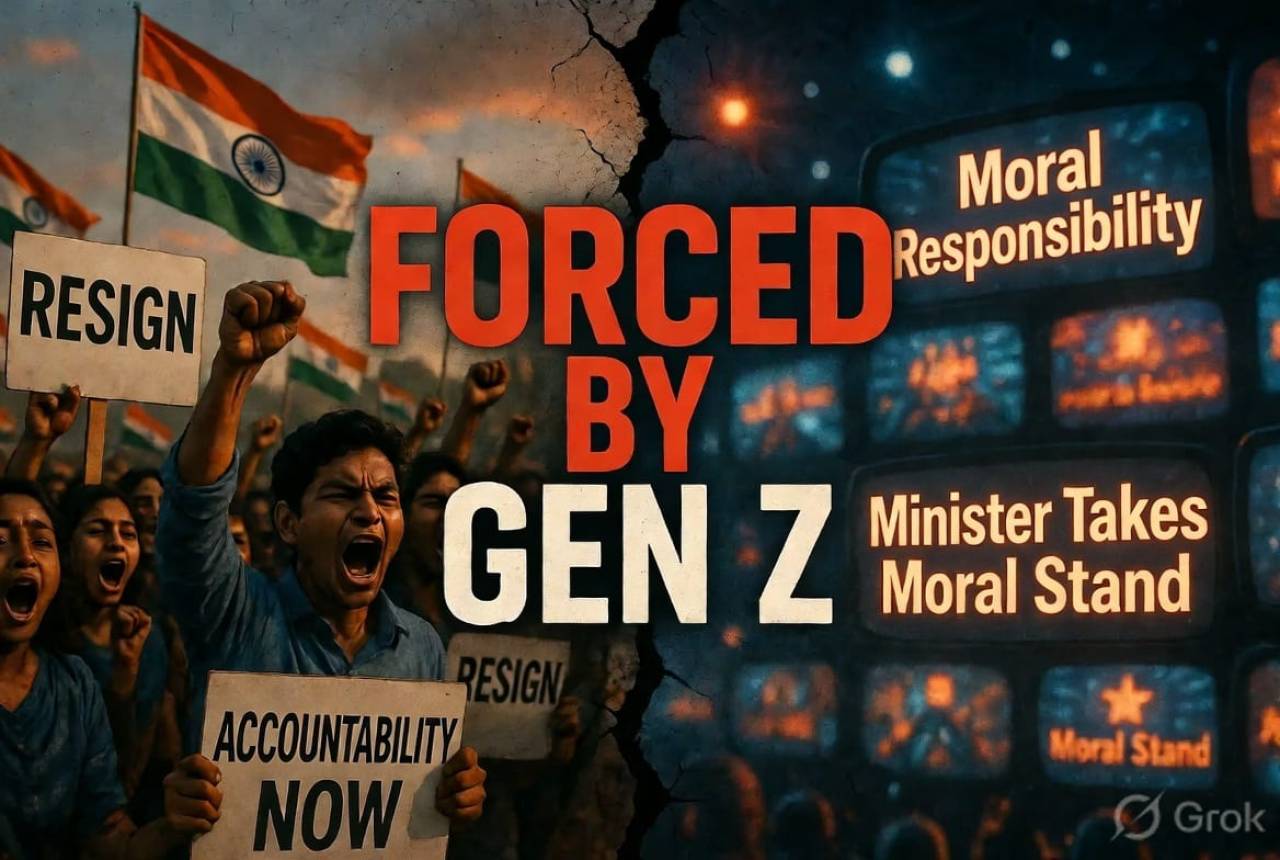
Media called it "moral responsibility"—Gen Z calls it a forced surrender. Dharmendra Pradhan’s exit wasn't voluntary virtue; relentless youth protests extracted it.
Dharmendra Pradhan has resigned as Union Education Minister. After weeks of sustained pressure, the announcement finally came. Yet watch the usual channels and you will hear a carefully packaged story: the minister “took moral responsibility,” acted with dignity, put the nation and students first. That narrative is not reporting. It is damage control.
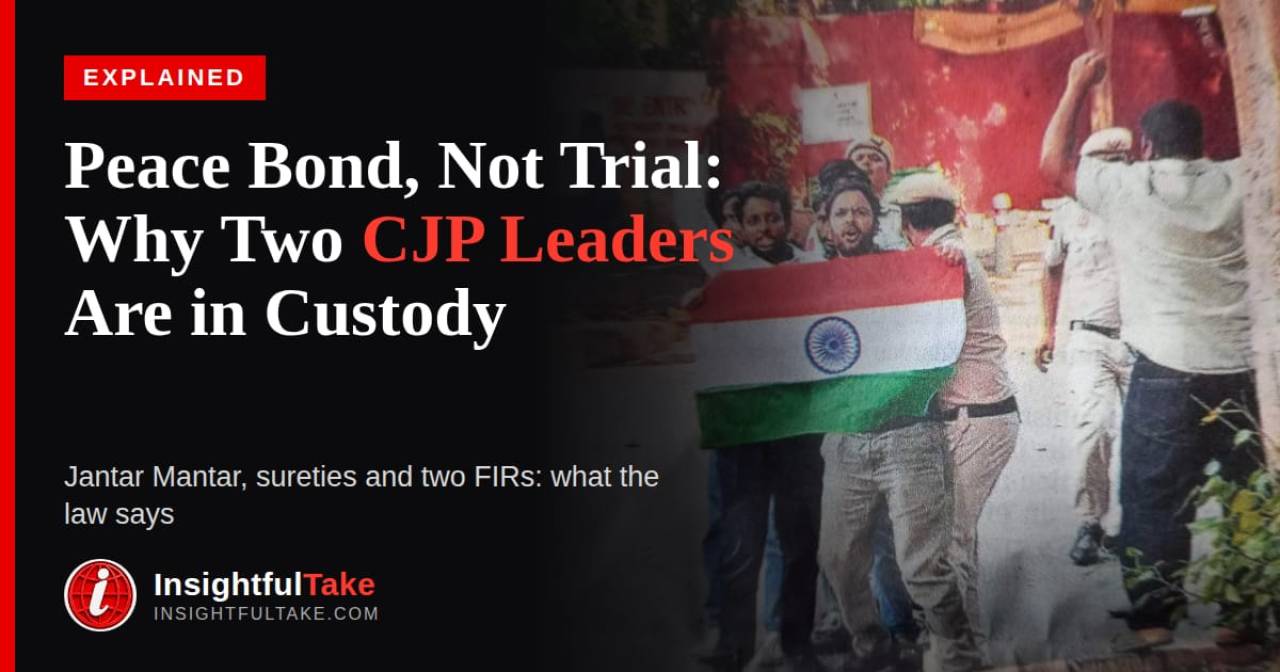
From a Gen Z perspective, the truth is simpler and far less flattering. This resignation was extracted. It was not volunteered out of sudden ethical clarity. It was compelled by a prolonged, visible, and increasingly inconvenient student movement led by the Cockroach Janta Party (CJP) at Jantar Mantar and amplified across the country. The protest did not politely request accountability; it refused to disappear until the demand was met.
The context is clear. Repeated examination irregularities, including the NEET-UG paper leak controversy, destroyed trust for lakhs of aspirants. Students watched papers leak, investigations move slowly, and the same system that failed them remain intact. When they protested, the response included police action, FIRs, and attempts to brand the movement disruptive or worse. Sonam Wangchuk’s hunger strike stretched into its third week. CJP kept the pressure at Jantar Mantar. Talks with the Centre were held; the core demand—Pradhan’s exit—was repeatedly called non-negotiable. Only after that sustained resistance did the resignation letter appear.
Look at the letter itself. It speaks of preventing “anti-national forces” from exploiting the situation, protecting national unity, and ensuring students return to their books. It claims responsibility was taken “from day one.” Notice what it carefully avoids: any direct admission that the protests forced the government’s hand, or that the education system under this minister repeatedly failed the very youth it claims to empower. The framing converts a political retreat into a statesmanlike sacrifice. That is the script Godi media is now amplifying—moral high ground, personal integrity, putting students first—while the street pressure that made the exit unavoidable is treated as background noise or, worse, as something the minister nobly rose above.
This is the brazenness. For days the same ecosystem insisted resignation was off the table, that stepping down would be “running away from responsibility,” that the minister had full support. When the pressure became too costly, the story flipped overnight. Suddenly the same resignation is pure moral courage. The protesters who refused to leave, who faced lathis and cases, who kept the issue alive when it was inconvenient, are airbrushed into a supporting cast in someone else’s redemption arc. That is not journalism. It is narrative management.
Gen Z sees through it because we have grown up watching the pattern. Paper leaks are not abstract policy failures; they are personal disasters that cost years of preparation, mental health, and sometimes lives. When the system fails repeatedly and the person heading the ministry stays put, “moral responsibility” becomes a slogan used only after the cost of inaction exceeds the cost of exit. Real moral responsibility would have meant earlier accountability, structural reform of the testing machinery, and an honest conversation with the students whose futures were put at risk—not a resignation letter timed to the political temperature and then sold as voluntary virtue.
The CJP protest and the wider student anger succeeded where polite parliamentary demands and opposition statements alone had not. That success is precisely why the media rewrite is so aggressive. If the public internalises that this was a minister’s noble choice rather than a forced concession, the next wave of student pressure will face the same gaslighting: you are emotional, you are being used, the system is already responding. The record must stay clear. The resignation followed weeks of organised, persistent youth protest that made continuation politically expensive. That is the sequence. Everything else is after-the-fact branding.
We are not impressed by late-stage moral language after the street has already done the work. Accountability that arrives only when the pressure is unbearable is not moral leadership; it is damage limitation. Godi media’s rush to reframe the exit as principled self-sacrifice only confirms how threatened the establishment is by the idea that young people, organised and unwilling to disperse, can still force outcomes. Keep the facts straight. The protest compelled the resignation. The rest is spin.
Dharmendra Pradhan has resigned as Union Education Minister. After weeks of sustained pressure, the announcement finally came. Yet watch the usual channels and you will hear a carefully packaged story: the minister “took moral responsibility,” acted with dignity, put the nation and students first. That narrative is not reporting. It is damage control.
From a Gen Z perspective, the truth is simpler and far less flattering. This resignation was extracted. It was not volunteered out of sudden ethical clarity. It was compelled by a prolonged, visible, and increasingly inconvenient student movement led by the Cockroach Janta Party (CJP) at Jantar Mantar and amplified across the country. The protest did not politely request accountability; it refused to disappear until the demand was met.
The context is clear. Repeated examination irregularities, including the NEET-UG paper leak controversy, destroyed trust for lakhs of aspirants. Students watched papers leak, investigations move slowly, and the same system that failed them remain intact. When they protested, the response included police action, FIRs, and attempts to brand the movement disruptive or worse. Sonam Wangchuk’s hunger strike stretched into its third week. CJP kept the pressure at Jantar Mantar. Talks with the Centre were held; the core demand—Pradhan’s exit—was repeatedly called non-negotiable. Only after that sustained resistance did the resignation letter appear.
Look at the letter itself. It speaks of preventing “anti-national forces” from exploiting the situation, protecting national unity, and ensuring students return to their books. It claims responsibility was taken “from day one.” Notice what it carefully avoids: any direct admission that the protests forced the government’s hand, or that the education system under this minister repeatedly failed the very youth it claims to empower. The framing converts a political retreat into a statesmanlike sacrifice. That is the script Godi media is now amplifying—moral high ground, personal integrity, putting students first—while the street pressure that made the exit unavoidable is treated as background noise or, worse, as something the minister nobly rose above.
This is the brazenness. For days the same ecosystem insisted resignation was off the table, that stepping down would be “running away from responsibility,” that the minister had full support. When the pressure became too costly, the story flipped overnight. Suddenly the same resignation is pure moral courage. The protesters who refused to leave, who faced lathis and cases, who kept the issue alive when it was inconvenient, are airbrushed into a supporting cast in someone else’s redemption arc. That is not journalism. It is narrative management.
Gen Z sees through it because we have grown up watching the pattern. Paper leaks are not abstract policy failures; they are personal disasters that cost years of preparation, mental health, and sometimes lives. When the system fails repeatedly and the person heading the ministry stays put, “moral responsibility” becomes a slogan used only after the cost of inaction exceeds the cost of exit. Real moral responsibility would have meant earlier accountability, structural reform of the testing machinery, and an honest conversation with the students whose futures were put at risk—not a resignation letter timed to the political temperature and then sold as voluntary virtue.
The CJP protest and the wider student anger succeeded where polite parliamentary demands and opposition statements alone had not. That success is precisely why the media rewrite is so aggressive. If the public internalises that this was a minister’s noble choice rather than a forced concession, the next wave of student pressure will face the same gaslighting: you are emotional, you are being used, the system is already responding. The record must stay clear. The resignation followed weeks of organised, persistent youth protest that made continuation politically expensive. That is the sequence. Everything else is after-the-fact branding.
We are not impressed by late-stage moral language after the street has already done the work. Accountability that arrives only when the pressure is unbearable is not moral leadership; it is damage limitation. Godi media’s rush to reframe the exit as principled self-sacrifice only confirms how threatened the establishment is by the idea that young people, organised and unwilling to disperse, can still force outcomes. Keep the facts straight. The protest compelled the resignation. The rest is spin.





















Leave a Comment