
When an alleged assault becomes a badge of honour and police action follows only after public outrage, the real casualty is trust in the rule of law.
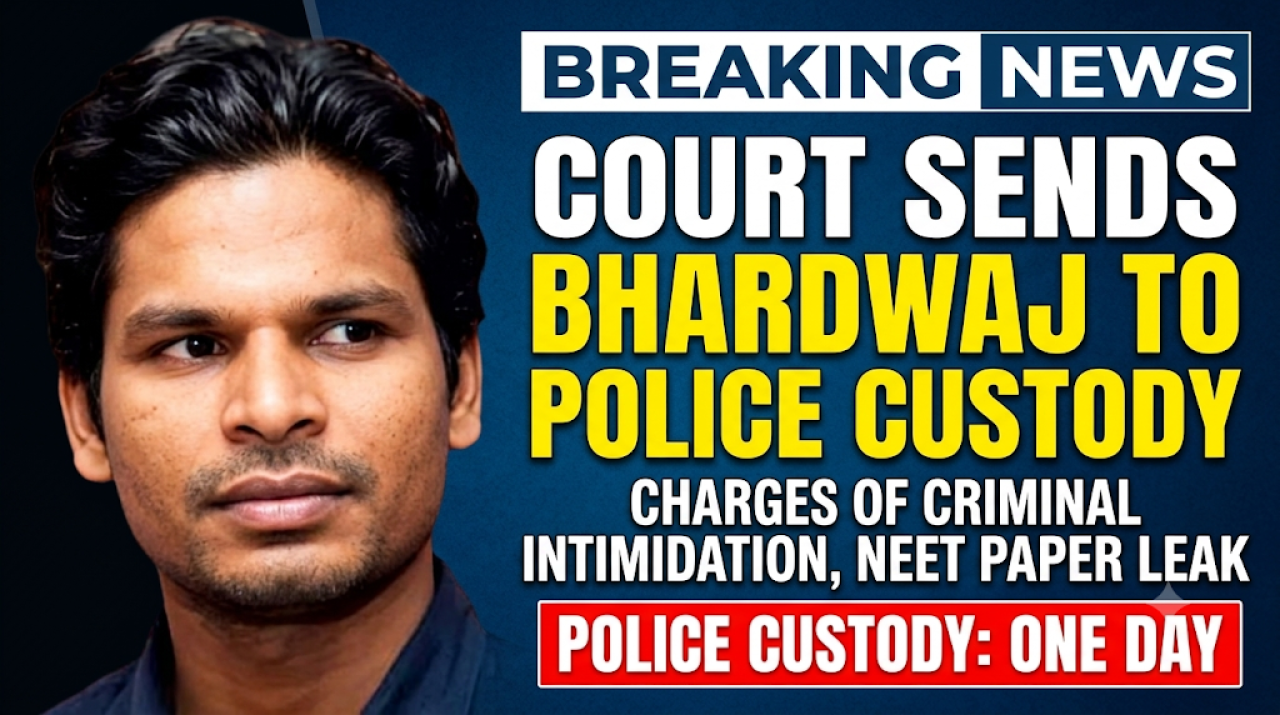
The arrest of 21-year-old right-wing content creator Swatantra Bhardwaj should not be seen simply as delayed accountability. It raises a more troubling question: why did the machinery of justice appear to move only after the accused allegedly boasted about the assault and political pressure mounted?
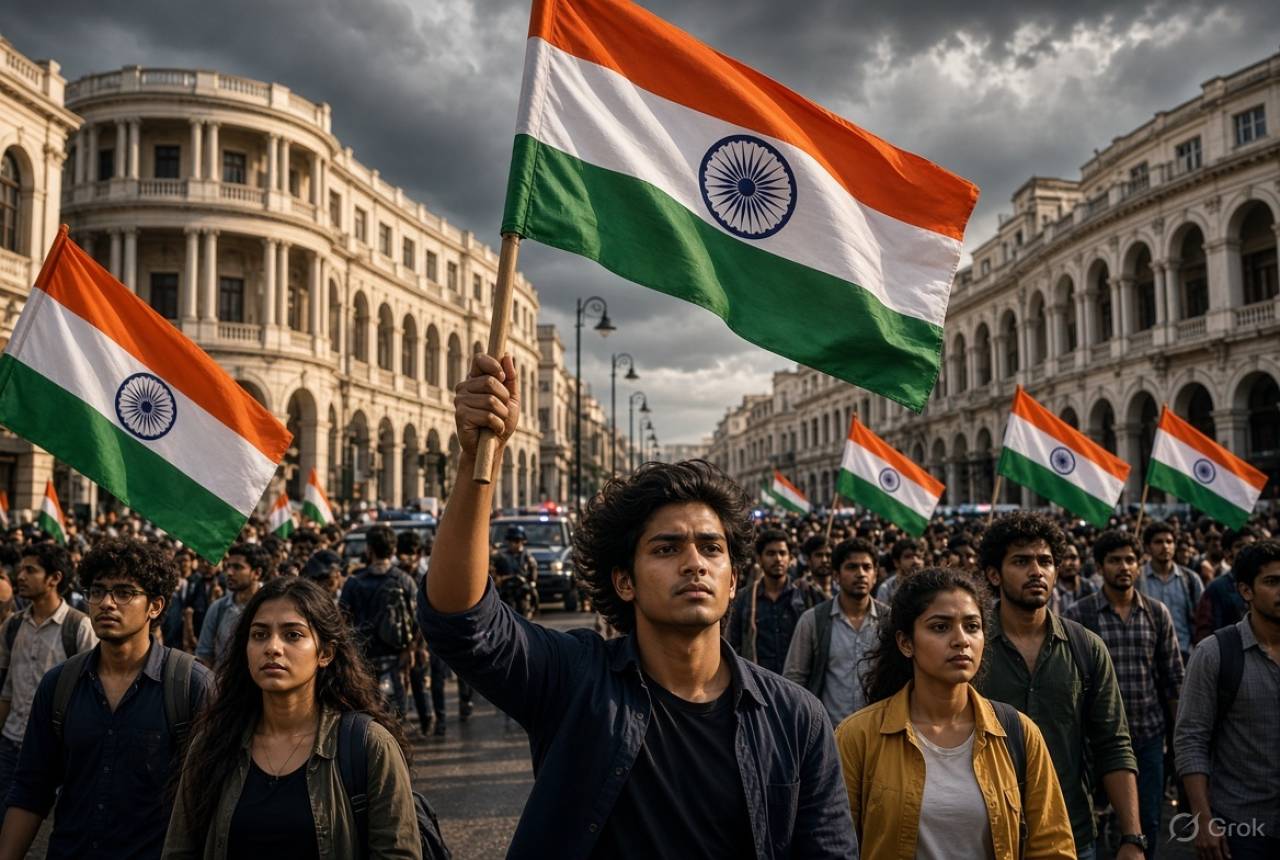
In June, during protests at Jantar Mantar over alleged NEET paper leaks, Bhardwaj and his associates allegedly assaulted 38-year-old Sanjay Azad, who was with his 14-year-old daughter. Azad suffered head injuries requiring stitches. An FIR was registered that day, but Bhardwaj was detained briefly and released within hours.
Months later, a podcast clip allegedly showed Bhardwaj boasting that he had “cracked the skull” of the man and invoking political connections as a possible shield from serious consequences. What followed was a sudden acceleration of the case: protests, detention in Bulandshahr, formal arrest, expanded charges and a separate POCSO case linked to alleged online threats against the minor.
The chronology is difficult to ignore. An alleged assault came first. Public boasting came months later. Political pressure followed. Only then did the police response intensify.
That sequence is not just about one accused or one protest. It raises a larger question about whether India's rule of law operates on evidence and procedure, or on pressure, publicity and proximity to power.
When political proximity becomes a perceived shield
In June, the initial FIR reportedly invoked provisions relating to voluntarily causing hurt and wrongful restraint. Whatever the eventual findings of the investigation, an alleged assault resulting in head injuries should have warranted a thorough examination of the evidence from the outset.
Medical records, forensic material, eyewitness accounts, available video footage and other evidence should have been secured promptly. If online threats were subsequently directed at the minor, those allegations too should have been investigated without delay.
Instead, the case appears to have gained fresh momentum only after Bhardwaj's alleged remarks became public.
The question is not whether political connections actually protected him. That is for investigators and the courts to establish.
The more disturbing issue is the perception created when an accused person appears confident enough to invoke political proximity while discussing an alleged act of violence.
He reportedly referred to BJP leader Kapil Mishra and Union minister Chirag Paswan in the context of political proximity, with remarks extending further up the political hierarchy.
Paswan subsequently filed a formal complaint denying any association with Bhardwaj and condemned the alleged public admission of violence.
That distancing is important. But it also highlights the larger problem. Political names should never function as shields, whether the association is real, exaggerated or merely claimed for effect.
Justice should not need a viral moment
A justice system worthy of public trust should not require an accused person's podcast appearance to rediscover the seriousness of an earlier complaint.
Yet that appears to be the trajectory here.
After the remarks surfaced, representatives of the Cockroach Janta Party and others protested outside the Parliament Street police station. Delhi Police subsequently detained Bhardwaj in Bulandshahr, formally arrested him and produced him before a court.
The FIR was expanded to include provisions of the SC/ST (Prevention of Atrocities) Act and criminal intimidation. A separate POCSO case was also registered over alleged online threats and harassment directed at the minor. Police have indicated that attempted-murder charges could be considered depending on the findings of a fresh medical examination.
If the evidence supports stronger charges, they should certainly be pursued.
But the timing raises an uncomfortable question. Why did it take public controversy to generate urgency?
Police action must be driven by evidence, not by the intensity of protests, social-media attention or the political importance of an accused.
The reported assurance of action within 72 hours after prolonged negotiations, followed by rapid detention, inevitably creates the impression of an institution responding to pressure rather than simply following an established investigative process.
That perception itself is damaging.
The politics of selective outrage
The problem is not confined to one ideology.
Indian political protests have repeatedly provided space for confrontation, intimidation and, at times, physical violence. The ideological identity of the perpetrator may change, but the institutional consequences remain the same.
Whether someone identifies with the right, left or any other political camp, the standard should be identical.
Violence is not activism.
Political affiliation is not immunity.
And public outrage should not determine whether the law moves.
Opposition groups and civil-society organisations are justified in demanding stronger action when they believe the police response has been inadequate. But political mobilisation can also transform genuine grievances into ammunition for larger partisan battles.
That creates another danger.
The justice process begins to look reactive rather than principled. One side highlights an incident because it exposes the other side. The other side dismisses it as political targeting. The underlying victim and the actual facts become secondary to the political narrative.
The result is a justice system that appears to operate according to competing pressures rather than consistent standards.
The collapse of moral superiority
At its core, the episode exposes the hollowness of political moral posturing.
Governments of every ideological persuasion speak about zero tolerance for violence, protection of vulnerable citizens and equality before the law.
Those principles mean little if their application depends on who the accused knows.
If an individual can allegedly assault another person, remain largely untouched for months, later boast publicly about the alleged act and invoke political connections, the credibility of institutional promises inevitably suffers.
The same criticism applies to political opponents who selectively amplify cases that fit their preferred narrative while remaining silent about comparable wrongdoing elsewhere.
The rule of law cannot be a weapon against political opponents and a shield for political allies.
It must be boringly consistent.
That consistency is precisely what gives institutions legitimacy.
What a functioning system should look like
A credible system would have treated the original complaint with urgency.
Medical and forensic evidence would have been secured promptly. Witnesses would have been examined. Available video footage would have been reviewed. The alleged online material involving the minor would have been investigated without delay. Appropriate legal provisions would have been applied according to the evidence.
Most importantly, none of this should have depended on a podcast clip going viral.
Political figures also have a responsibility. When their names are invoked as supposed sources of protection, they should make it unequivocally clear that political proximity cannot provide immunity from the law.
That principle must come from every political camp.
The Bhardwaj case is therefore bigger than one influencer, one protest or one political controversy.
It is about a basic proposition that should require no qualification: the law must apply equally, regardless of ideology, political connections or public pressure.
When an alleged crime is initially met with limited action, followed months later by a public boast, political mobilisation and sudden institutional urgency, confidence in the entire process suffers.
India does not need a justice system that moves faster when a case becomes politically explosive.
It needs one that moves with the same seriousness from the moment a credible complaint is made.
The arrest of 21-year-old right-wing content creator Swatantra Bhardwaj should not be seen simply as delayed accountability. It raises a more troubling question: why did the machinery of justice appear to move only after the accused allegedly boasted about the assault and political pressure mounted?
In June, during protests at Jantar Mantar over alleged NEET paper leaks, Bhardwaj and his associates allegedly assaulted 38-year-old Sanjay Azad, who was with his 14-year-old daughter. Azad suffered head injuries requiring stitches. An FIR was registered that day, but Bhardwaj was detained briefly and released within hours.
Months later, a podcast clip allegedly showed Bhardwaj boasting that he had “cracked the skull” of the man and invoking political connections as a possible shield from serious consequences. What followed was a sudden acceleration of the case: protests, detention in Bulandshahr, formal arrest, expanded charges and a separate POCSO case linked to alleged online threats against the minor.
The chronology is difficult to ignore. An alleged assault came first. Public boasting came months later. Political pressure followed. Only then did the police response intensify.
That sequence is not just about one accused or one protest. It raises a larger question about whether India's rule of law operates on evidence and procedure, or on pressure, publicity and proximity to power.
When political proximity becomes a perceived shield
In June, the initial FIR reportedly invoked provisions relating to voluntarily causing hurt and wrongful restraint. Whatever the eventual findings of the investigation, an alleged assault resulting in head injuries should have warranted a thorough examination of the evidence from the outset.
Medical records, forensic material, eyewitness accounts, available video footage and other evidence should have been secured promptly. If online threats were subsequently directed at the minor, those allegations too should have been investigated without delay.
Instead, the case appears to have gained fresh momentum only after Bhardwaj's alleged remarks became public.
The question is not whether political connections actually protected him. That is for investigators and the courts to establish.
The more disturbing issue is the perception created when an accused person appears confident enough to invoke political proximity while discussing an alleged act of violence.
He reportedly referred to BJP leader Kapil Mishra and Union minister Chirag Paswan in the context of political proximity, with remarks extending further up the political hierarchy.
Paswan subsequently filed a formal complaint denying any association with Bhardwaj and condemned the alleged public admission of violence.
That distancing is important. But it also highlights the larger problem. Political names should never function as shields, whether the association is real, exaggerated or merely claimed for effect.
Justice should not need a viral moment
A justice system worthy of public trust should not require an accused person's podcast appearance to rediscover the seriousness of an earlier complaint.
Yet that appears to be the trajectory here.
After the remarks surfaced, representatives of the Cockroach Janta Party and others protested outside the Parliament Street police station. Delhi Police subsequently detained Bhardwaj in Bulandshahr, formally arrested him and produced him before a court.
The FIR was expanded to include provisions of the SC/ST (Prevention of Atrocities) Act and criminal intimidation. A separate POCSO case was also registered over alleged online threats and harassment directed at the minor. Police have indicated that attempted-murder charges could be considered depending on the findings of a fresh medical examination.
If the evidence supports stronger charges, they should certainly be pursued.
But the timing raises an uncomfortable question. Why did it take public controversy to generate urgency?
Police action must be driven by evidence, not by the intensity of protests, social-media attention or the political importance of an accused.
The reported assurance of action within 72 hours after prolonged negotiations, followed by rapid detention, inevitably creates the impression of an institution responding to pressure rather than simply following an established investigative process.
That perception itself is damaging.
The politics of selective outrage
The problem is not confined to one ideology.
Indian political protests have repeatedly provided space for confrontation, intimidation and, at times, physical violence. The ideological identity of the perpetrator may change, but the institutional consequences remain the same.
Whether someone identifies with the right, left or any other political camp, the standard should be identical.
Violence is not activism.
Political affiliation is not immunity.
And public outrage should not determine whether the law moves.
Opposition groups and civil-society organisations are justified in demanding stronger action when they believe the police response has been inadequate. But political mobilisation can also transform genuine grievances into ammunition for larger partisan battles.
That creates another danger.
The justice process begins to look reactive rather than principled. One side highlights an incident because it exposes the other side. The other side dismisses it as political targeting. The underlying victim and the actual facts become secondary to the political narrative.
The result is a justice system that appears to operate according to competing pressures rather than consistent standards.
The collapse of moral superiority
At its core, the episode exposes the hollowness of political moral posturing.
Governments of every ideological persuasion speak about zero tolerance for violence, protection of vulnerable citizens and equality before the law.
Those principles mean little if their application depends on who the accused knows.
If an individual can allegedly assault another person, remain largely untouched for months, later boast publicly about the alleged act and invoke political connections, the credibility of institutional promises inevitably suffers.
The same criticism applies to political opponents who selectively amplify cases that fit their preferred narrative while remaining silent about comparable wrongdoing elsewhere.
The rule of law cannot be a weapon against political opponents and a shield for political allies.
It must be boringly consistent.
That consistency is precisely what gives institutions legitimacy.
What a functioning system should look like
A credible system would have treated the original complaint with urgency.
Medical and forensic evidence would have been secured promptly. Witnesses would have been examined. Available video footage would have been reviewed. The alleged online material involving the minor would have been investigated without delay. Appropriate legal provisions would have been applied according to the evidence.
Most importantly, none of this should have depended on a podcast clip going viral.
Political figures also have a responsibility. When their names are invoked as supposed sources of protection, they should make it unequivocally clear that political proximity cannot provide immunity from the law.
That principle must come from every political camp.
The Bhardwaj case is therefore bigger than one influencer, one protest or one political controversy.
It is about a basic proposition that should require no qualification: the law must apply equally, regardless of ideology, political connections or public pressure.
When an alleged crime is initially met with limited action, followed months later by a public boast, political mobilisation and sudden institutional urgency, confidence in the entire process suffers.
India does not need a justice system that moves faster when a case becomes politically explosive.
It needs one that moves with the same seriousness from the moment a credible complaint is made.

















Leave a Comment