
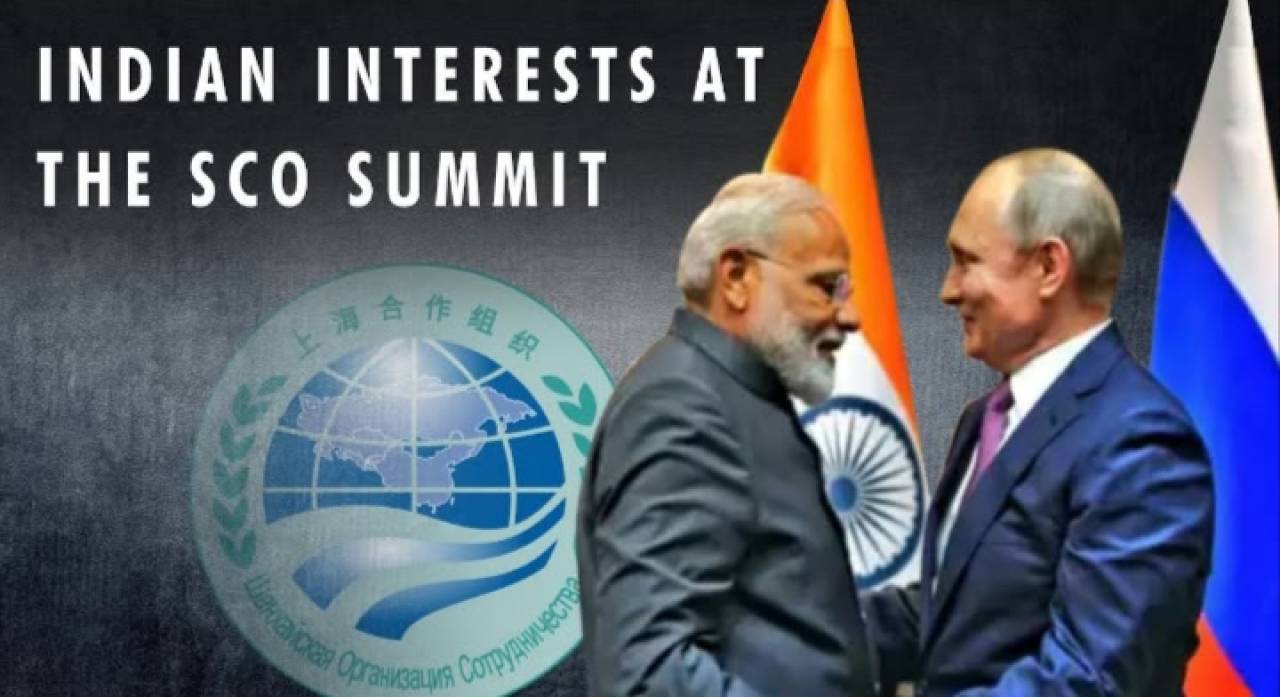
The Shanghai Cooperation Organisation may not resolve India’s biggest strategic disputes, but it can still serve India’s interests if New Delhi uses the platform with greater precision.
Prime Minister Narendra Modi has returned from Bishkek after attending the 26th Summit of the Shanghai Cooperation Organisation (SCO), an occasion that marked 25 years since the grouping’s founding in 2001.
The two-day meeting, held under the theme “25 Years of the SCO: Together for Sustainable Peace, Development and Prosperity,” produced the Bishkek Declaration along with 27 other documents covering counter-terrorism, nuclear security, energy cooperation and regional logistics.
For India, however, the summit was less about ceremony and more about a familiar strategic question: Does the SCO actually serve India’s interests, or does India show up each year mainly to remain present where China and Russia set much of the agenda?
Terrorism: Strong Words, Limited Accountability
The most visible moment of the summit was Modi’s address on terrorism, delivered with Pakistan Prime Minister Shehbaz Sharif seated in the same hall.
Modi told the gathering that the fight against terrorism “cannot remain confined to an action-reaction approach” and argued that the entire ecosystem of terrorist financing, recruitment and radicalisation must be dismantled.
He also stressed that there could be no place for double standards and that countries providing safe havens to terrorists must be named without hesitation.
Sharif, meanwhile, insisted that Pakistan itself was a victim of terrorism and highlighted the sacrifices made by the country in combating it.
Neither leader named the other directly. Yet the exchange was widely interpreted as another chapter in the long-running India-Pakistan confrontation that has repeatedly surfaced at SCO forums.
This exposes a structural limitation that India cannot simply wish away.
The SCO operates largely through consensus. With Pakistan sitting at the table, any declaration explicitly naming a particular country or terrorist organisation is unlikely to survive the drafting process.
The Bishkek Declaration addressed terrorism and narco-terrorism in general terms. It is useful that India’s concerns found space within the document. But general condemnation is not the same as accountability.
For India, therefore, the objective should not merely be to secure stronger language in summit declarations. It should be to use the SCO to build diplomatic pressure, improve intelligence cooperation and push member states toward measurable action against terrorist financing and radicalisation.
China’s Influence Cannot Be Ignored
The second issue is China’s outsized influence within the grouping.
The SCO emerged from the Shanghai Five and has expanded into a ten-member organisation. Yet China’s enormous economic weight and diplomatic reach inevitably influence the organisation’s internal dynamics.
Consensus can therefore tilt toward positions that Beijing finds acceptable.
That is not, however, a compelling reason for India to walk away.
It is a reason for India to be much more precise about what it expects the SCO to deliver.
During Kyrgyzstan’s chairmanship, the organisation also provided a platform for a visible thaw in India-China relations. Modi and Chinese President Xi Jinping were seen greeting each other cordially at the summit, signalling that both sides remain willing to use multilateral settings to reduce tensions that followed the 2020 border standoff in eastern Ladakh.
Such engagement has value even when it does not immediately resolve the underlying disputes along the Line of Actual Control.
Diplomacy conducted publicly at a summit table can sometimes achieve what prolonged silence cannot. It lowers temperatures, preserves communication channels and creates political space for more difficult negotiations behind closed doors.
Central Asia Offers More Than Symbolism
Where the SCO can deliver more tangible results for India is connectivity, energy and access to strategic resources.
India has steadily expanded its engagement with the Central Asian republics through the grouping. The uranium supply arrangement with Uzbekistan is one example of the kind of quiet, transactional diplomacy that can advance India’s interests without the drama associated with high-profile bilateral summits.
Central Asia possesses significant reserves of energy resources and critical minerals. For India, developing relationships across the region is increasingly important as the country seeks to diversify supply chains and reduce excessive dependence on any single partner.
The SCO provides a ready-made platform for maintaining those relationships year after year.
This is perhaps where India should focus more of its diplomatic energy.
The organisation may struggle to produce consensus on terrorism or India-China tensions, but it can still facilitate conversations on energy security, critical minerals, transportation corridors, digital connectivity, trade and regional infrastructure.
In foreign policy, not every success needs to make headlines.
Strategic Autonomy Is the Real Strategy
The larger question is whether a regional grouping such as the SCO can help India, as a major emerging power, build leverage in a changing global order.
The organisation was conceived partly as a counterweight to Western-led institutions. India’s participation in the SCO therefore exists alongside its membership of forums such as the Quad, which operates from a very different strategic orientation.
At first glance, that may appear contradictory.
It is not.
India’s simultaneous engagement with different groupings reflects its long-standing approach of strategic autonomy. New Delhi has consistently sought the freedom to engage multiple centres of power without formally aligning itself with any one bloc.
The practical lesson is straightforward.
India should not expect the SCO to become an instrument of Indian foreign policy. Nor should it expect the organisation to resolve disputes it was never designed to settle.
Instead, New Delhi should optimise each forum for what that forum can realistically deliver.
The Quad can serve certain security and Indo-Pacific objectives. The SCO can provide access to Central Asia and maintain dialogue with China and Russia. BRICS can offer another platform for shaping debates on global economic governance.
The strength of Indian diplomacy lies precisely in being able to operate across these different spaces.
From Handshakes to Outcomes
The Bishkek summit also sets the stage for the BRICS summit that India is due to host, at a time when New Delhi and Beijing are attempting to find workable solutions to their long-pending border issues.
That makes the symbolism of summit diplomacy particularly important, but symbolism alone is insufficient.
Handshakes matter less for what they look like than for what follows them.
The SCO has given India a functioning venue to keep dialogue alive with a difficult neighbour, expand its footprint in Central Asia and place terrorism firmly on the regional agenda, even when those concerns do not translate into unanimous condemnation.
The next step is to extract measurable outcomes from that engagement.
India should push for deeper Central Asian economic partnerships, stronger connectivity, resource-security arrangements, counter-terrorism cooperation and sustained diplomatic engagement with China.
The SCO may never become an organisation capable of resolving India’s hardest strategic problems.
It does not need to.
India’s objective should be simpler and more pragmatic: use the platform where it works, challenge it where it fails, and extract every possible strategic advantage from having a seat at the table.
Because in geopolitics, being present is only the beginning.
What matters is what a country does with its presence.
Prime Minister Narendra Modi has returned from Bishkek after attending the 26th Summit of the Shanghai Cooperation Organisation (SCO), an occasion that marked 25 years since the grouping’s founding in 2001.
The two-day meeting, held under the theme “25 Years of the SCO: Together for Sustainable Peace, Development and Prosperity,” produced the Bishkek Declaration along with 27 other documents covering counter-terrorism, nuclear security, energy cooperation and regional logistics.
For India, however, the summit was less about ceremony and more about a familiar strategic question: Does the SCO actually serve India’s interests, or does India show up each year mainly to remain present where China and Russia set much of the agenda?
Terrorism: Strong Words, Limited Accountability
The most visible moment of the summit was Modi’s address on terrorism, delivered with Pakistan Prime Minister Shehbaz Sharif seated in the same hall.
Modi told the gathering that the fight against terrorism “cannot remain confined to an action-reaction approach” and argued that the entire ecosystem of terrorist financing, recruitment and radicalisation must be dismantled.
He also stressed that there could be no place for double standards and that countries providing safe havens to terrorists must be named without hesitation.
Sharif, meanwhile, insisted that Pakistan itself was a victim of terrorism and highlighted the sacrifices made by the country in combating it.
Neither leader named the other directly. Yet the exchange was widely interpreted as another chapter in the long-running India-Pakistan confrontation that has repeatedly surfaced at SCO forums.
This exposes a structural limitation that India cannot simply wish away.
The SCO operates largely through consensus. With Pakistan sitting at the table, any declaration explicitly naming a particular country or terrorist organisation is unlikely to survive the drafting process.
The Bishkek Declaration addressed terrorism and narco-terrorism in general terms. It is useful that India’s concerns found space within the document. But general condemnation is not the same as accountability.
For India, therefore, the objective should not merely be to secure stronger language in summit declarations. It should be to use the SCO to build diplomatic pressure, improve intelligence cooperation and push member states toward measurable action against terrorist financing and radicalisation.
China’s Influence Cannot Be Ignored
The second issue is China’s outsized influence within the grouping.
The SCO emerged from the Shanghai Five and has expanded into a ten-member organisation. Yet China’s enormous economic weight and diplomatic reach inevitably influence the organisation’s internal dynamics.
Consensus can therefore tilt toward positions that Beijing finds acceptable.
That is not, however, a compelling reason for India to walk away.
It is a reason for India to be much more precise about what it expects the SCO to deliver.
During Kyrgyzstan’s chairmanship, the organisation also provided a platform for a visible thaw in India-China relations. Modi and Chinese President Xi Jinping were seen greeting each other cordially at the summit, signalling that both sides remain willing to use multilateral settings to reduce tensions that followed the 2020 border standoff in eastern Ladakh.
Such engagement has value even when it does not immediately resolve the underlying disputes along the Line of Actual Control.
Diplomacy conducted publicly at a summit table can sometimes achieve what prolonged silence cannot. It lowers temperatures, preserves communication channels and creates political space for more difficult negotiations behind closed doors.
Central Asia Offers More Than Symbolism
Where the SCO can deliver more tangible results for India is connectivity, energy and access to strategic resources.
India has steadily expanded its engagement with the Central Asian republics through the grouping. The uranium supply arrangement with Uzbekistan is one example of the kind of quiet, transactional diplomacy that can advance India’s interests without the drama associated with high-profile bilateral summits.
Central Asia possesses significant reserves of energy resources and critical minerals. For India, developing relationships across the region is increasingly important as the country seeks to diversify supply chains and reduce excessive dependence on any single partner.
The SCO provides a ready-made platform for maintaining those relationships year after year.
This is perhaps where India should focus more of its diplomatic energy.
The organisation may struggle to produce consensus on terrorism or India-China tensions, but it can still facilitate conversations on energy security, critical minerals, transportation corridors, digital connectivity, trade and regional infrastructure.
In foreign policy, not every success needs to make headlines.
Strategic Autonomy Is the Real Strategy
The larger question is whether a regional grouping such as the SCO can help India, as a major emerging power, build leverage in a changing global order.
The organisation was conceived partly as a counterweight to Western-led institutions. India’s participation in the SCO therefore exists alongside its membership of forums such as the Quad, which operates from a very different strategic orientation.
At first glance, that may appear contradictory.
It is not.
India’s simultaneous engagement with different groupings reflects its long-standing approach of strategic autonomy. New Delhi has consistently sought the freedom to engage multiple centres of power without formally aligning itself with any one bloc.
The practical lesson is straightforward.
India should not expect the SCO to become an instrument of Indian foreign policy. Nor should it expect the organisation to resolve disputes it was never designed to settle.
Instead, New Delhi should optimise each forum for what that forum can realistically deliver.
The Quad can serve certain security and Indo-Pacific objectives. The SCO can provide access to Central Asia and maintain dialogue with China and Russia. BRICS can offer another platform for shaping debates on global economic governance.
The strength of Indian diplomacy lies precisely in being able to operate across these different spaces.
From Handshakes to Outcomes
The Bishkek summit also sets the stage for the BRICS summit that India is due to host, at a time when New Delhi and Beijing are attempting to find workable solutions to their long-pending border issues.
That makes the symbolism of summit diplomacy particularly important, but symbolism alone is insufficient.
Handshakes matter less for what they look like than for what follows them.
The SCO has given India a functioning venue to keep dialogue alive with a difficult neighbour, expand its footprint in Central Asia and place terrorism firmly on the regional agenda, even when those concerns do not translate into unanimous condemnation.
The next step is to extract measurable outcomes from that engagement.
India should push for deeper Central Asian economic partnerships, stronger connectivity, resource-security arrangements, counter-terrorism cooperation and sustained diplomatic engagement with China.
The SCO may never become an organisation capable of resolving India’s hardest strategic problems.
It does not need to.
India’s objective should be simpler and more pragmatic: use the platform where it works, challenge it where it fails, and extract every possible strategic advantage from having a seat at the table.
Because in geopolitics, being present is only the beginning.
What matters is what a country does with its presence.














Leave a Comment