
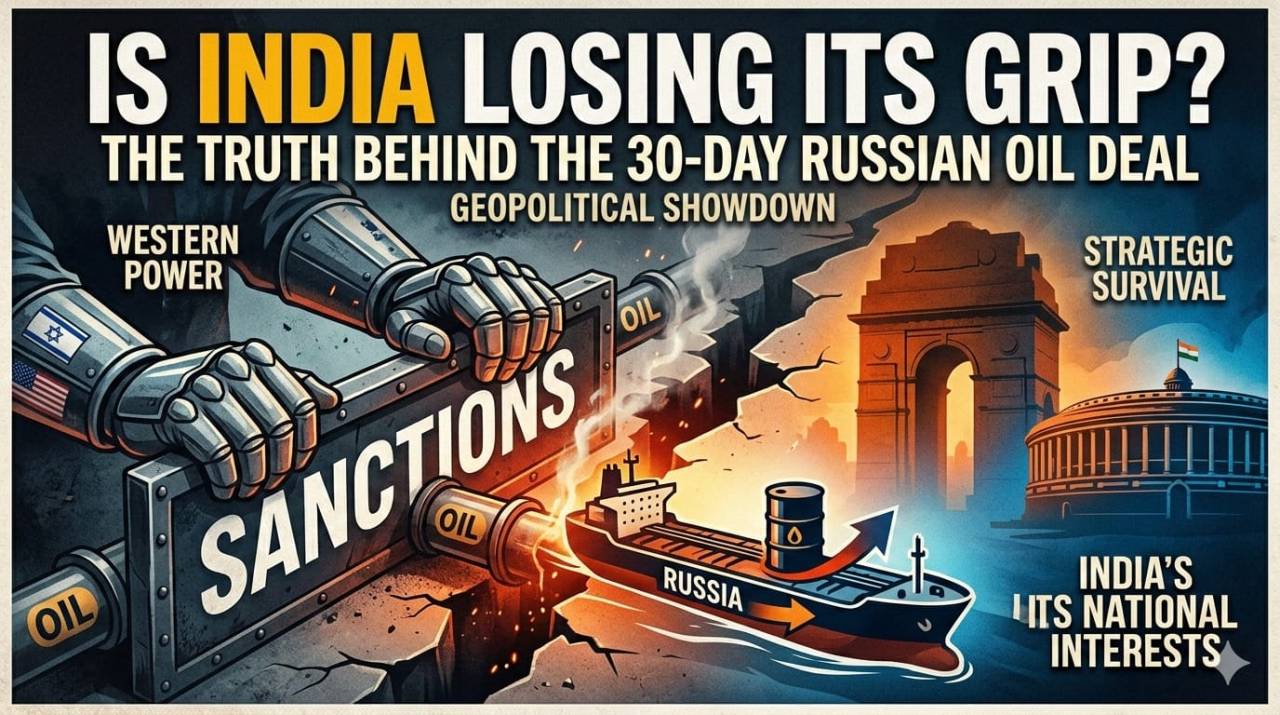
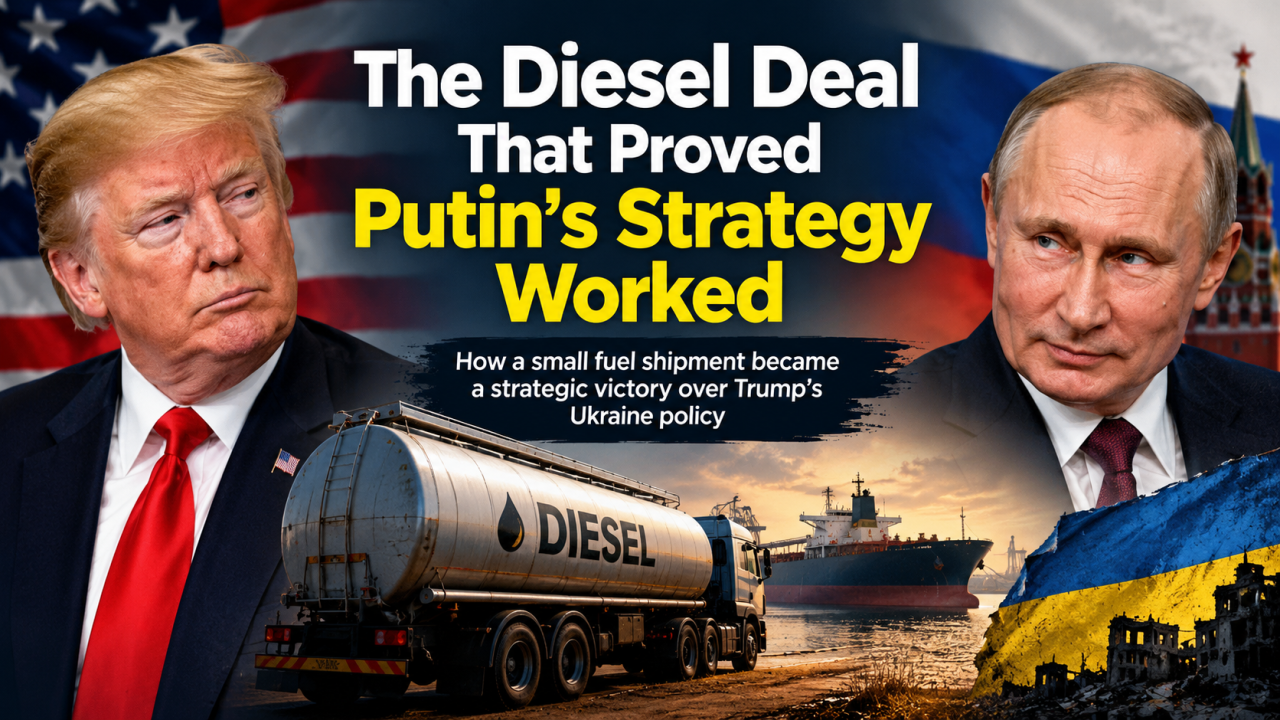
A single headline—“US gives India 30 days to buy Russian oil”—has ignited a larger question: Is this strategic diplomacy, or a sign that India’s famed strategic autonomy is being quietly tested in an increasingly divided world?
A recent headline stating that the United States has given India 30 days to continue buying Russian oil has triggered strong reactions and debate. At first glance, the wording sounds uncomfortable for many Indians. It appears as if a foreign power is deciding how India should conduct its own energy trade. In a country that has long taken pride in its policy of strategic autonomy, such a headline raises an obvious question: Is India still fully independent in its foreign policy decisions?
However, the reality behind the situation is more complex than the headline suggests. The current geopolitical environment, energy market pressures, and global financial systems all play a role in shaping the choices available to India. What looks like a simple case of permission from Washington is actually part of a larger and complicated global balance.
India’s energy needs are enormous. As one of the world’s fastest growing economies and the most populous country, India depends heavily on imported oil to keep its industries running, transport moving, and households functioning. Over the past few years, Russian oil has become an important source for India because it has often been available at discounted prices compared to other suppliers.
After the conflict between Russia and Ukraine escalated, many Western countries imposed strict sanctions on Moscow. These sanctions were meant to weaken Russia economically and reduce its ability to finance the war. However, several countries outside the Western alliance, including India, continued to buy Russian oil because it served their economic interests.
This is where the current situation becomes complicated. The United States has the ability to enforce financial sanctions that affect global trade because the international banking system is largely linked to the US dollar. If Washington decides to target banks or companies involved in certain transactions, it can disrupt payments and trade across the world.
Because of this financial influence, many countries must carefully balance their economic interests with the risk of sanctions. India is not alone in facing this dilemma. Even large economies must consider how their actions may affect their access to global financial networks.
The 30-day window reportedly given by the United States should be seen in this broader context. It appears to allow Indian refineries time to process shipments of Russian oil that have already been purchased or are currently in transit. Instead of forcing an immediate halt, the waiver provides a temporary adjustment period.
This move also serves American interests. Global oil markets are extremely sensitive to sudden changes in supply. If India were forced to abruptly stop buying Russian oil, the global supply could tighten quickly. That would likely push oil prices higher around the world, including in the United States itself. Higher fuel prices are politically sensitive in any country, particularly during election periods.
Therefore, the decision may not simply be about controlling India’s actions. It could also be a practical step aimed at preventing sudden shocks in global energy markets.
At the same time, the situation does raise important questions about India’s strategic autonomy. For decades, India has followed a foreign policy approach that aims to maintain good relations with multiple global powers without becoming dependent on any single one. During the Cold War, India tried to remain non-aligned even while cooperating with both Western and Soviet blocs when necessary.
Today the global landscape is very different. The world is increasingly divided by competing strategic alliances, economic sanctions, and regional conflicts. In such an environment, maintaining equal distance from all sides is much harder than it used to be.
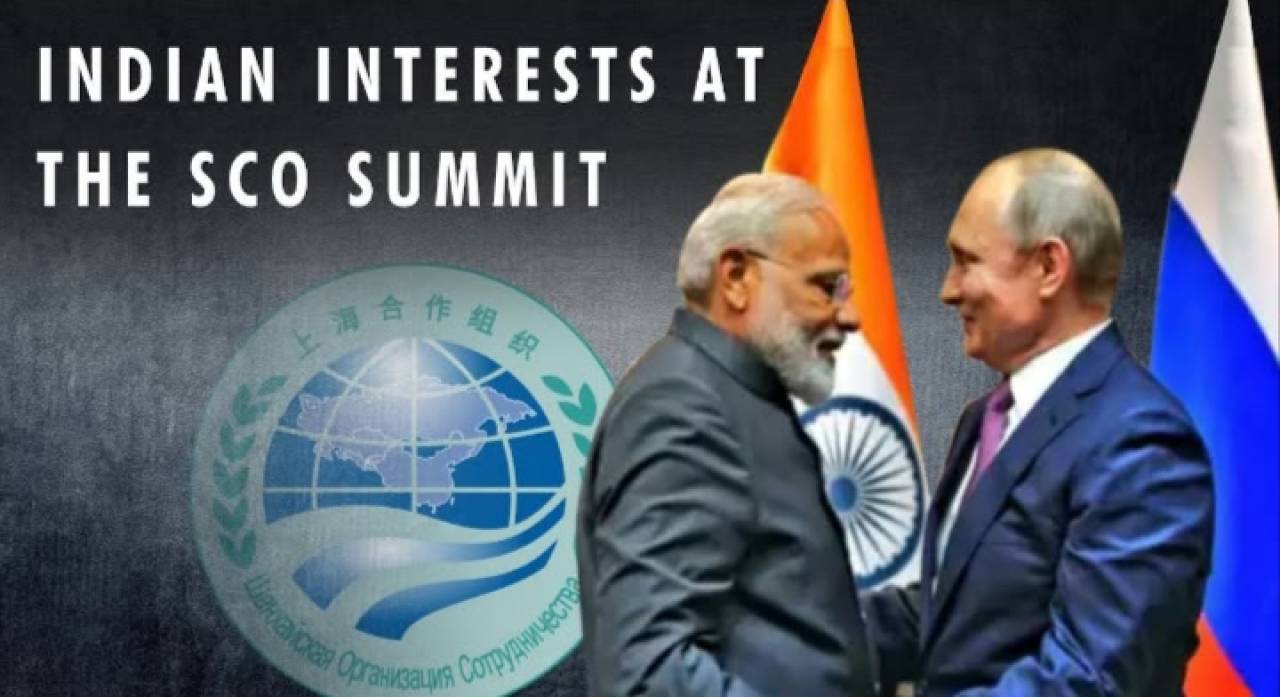
India also has strong and growing partnerships with the United States and other Western countries. Cooperation in defense technology, intelligence sharing, and regional security has increased significantly in recent years. These partnerships are important for India’s long-term security interests, especially in the Indo-Pacific region.
Because of these ties, India must sometimes walk a careful diplomatic line. It continues to maintain relations with Russia while also deepening cooperation with the United States and its allies. This balancing act is not easy, and it often leads to criticism from different sides.
Some critics argue that situations like the 30-day waiver show that India is under pressure from larger powers. Others believe India is simply making pragmatic decisions in a complicated world where economic and security interests are deeply interconnected.
In reality, both perspectives contain elements of truth. No country, not even major powers, operates in complete isolation from global systems. Economic networks, trade routes, and financial institutions link nations together in ways that create both opportunities and constraints.
The current episode highlights an important challenge for India’s future. If India wants to strengthen its strategic autonomy, it may need to reduce certain structural vulnerabilities. One way to do this is by diversifying energy sources so that the country is less dependent on any single supplier or region.
India has already begun investing more in renewable energy such as solar and wind power. Expanding these efforts could gradually reduce the country’s exposure to geopolitical risks linked to oil supply. At the same time, building stronger trade and financial partnerships with a wider range of countries may provide additional flexibility.
Strategic autonomy in the modern world is not simply about political declarations. It is closely tied to economic strength, technological capability, and diversified partnerships.
The 30-day Russian oil arrangement therefore should not be seen as a final judgment on India’s independence. Instead, it is a reminder of the complex environment in which modern diplomacy operates.
India remains an important global player with significant economic and strategic influence. But events like this show that even rising powers must constantly adjust their policies in response to shifting global realities.
The real test of India’s autonomy will lie in how it prepares for the future and whether it can build systems that allow it to make decisions with greater freedom in an increasingly uncertain world.













Leave a Comment