
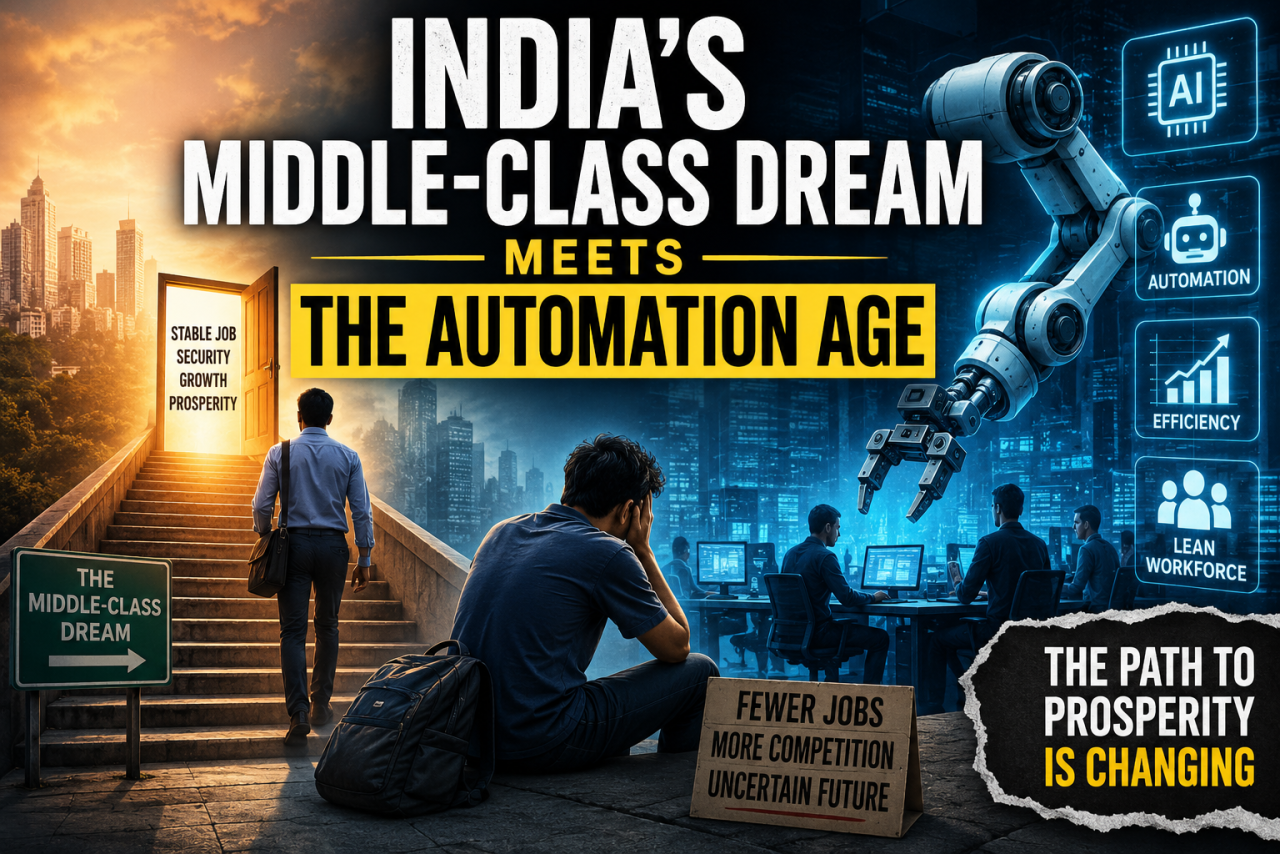
A stable corporate job once symbolized India's most reliable path to economic mobility. As automation and AI reshape workplaces, that pathway is narrowing, forcing millions to rethink their aspirations for security and prosperity.
As corporate India embraces automation, artificial intelligence, and leaner workforce models, the traditional path to middle-class prosperity is undergoing a profound transformation.
For decades, the story of India's economic rise was closely tied to the growth of its middle class. Economic liberalisation, rapid urbanisation, and the expansion of private enterprise created opportunities that allowed millions of families to move beyond subsistence living and aspire to financial security. Stable corporate jobs became symbols of progress, offering not only income but also dignity, social mobility, and hope for future generations.
Today, however, that dream is confronting a new reality.
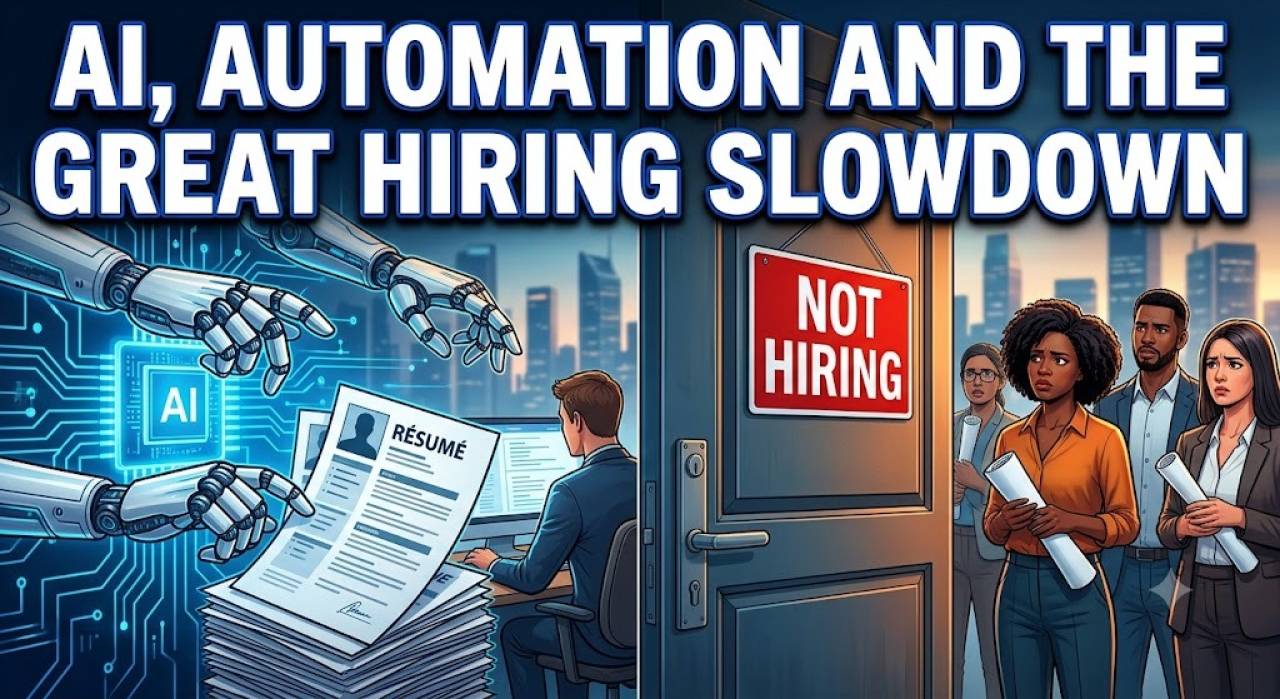
Across sectors, many of India's largest corporations are rethinking how they grow. Faced with economic uncertainty, competitive pressures, and the rapid advancement of artificial intelligence (AI), businesses are increasingly prioritising efficiency over workforce expansion. The result is a noticeable slowdown in hiring, particularly for entry-level and mid-level positions that once served as gateways into the middle class.
What appears to be a rational business decision at the corporate level may have far-reaching consequences for India's social and economic fabric.
A New Corporate Playbook
Historically, India's major conglomerates acted as powerful employment generators. Large-scale recruitment drives absorbed thousands of graduates every year, providing a structured pathway from education to stable employment.
Recent trends suggest that this model is changing.
Corporate disclosures and hiring data indicate that net-new recruitment has slowed significantly across several major business groups. While overall employee numbers may still rise due to acquisitions, mergers, and existing workforce commitments, the pace of fresh hiring has declined sharply.
Instead of building large teams, companies are investing heavily in automation, cloud computing, AI-driven operations, data analytics, and digital infrastructure. These technologies allow firms to accomplish more with fewer employees, reducing operational costs while improving productivity.
From a shareholder's perspective, the logic is compelling. From a societal perspective, the implications are more complex.
The Disappearing Career Ladder
One of the most significant consequences of this shift is the gradual erosion of the traditional corporate career ladder.
For generations, securing a position in a reputable company represented a life-changing achievement, particularly for young people from Tier-2 and Tier-3 cities. Such jobs offered stable salaries, healthcare benefits, retirement savings, career progression, and social prestige.
These opportunities helped define India's expanding middle class.
Today, many of these structured pathways are becoming narrower. Administrative roles, customer-service positions, routine operational jobs, and other white-collar functions are increasingly vulnerable to automation and process optimisation.
At the same time, companies are experimenting with alternative workforce models that rely less on permanent employees and more on contractors, freelancers, and independent service providers.
While these arrangements are often promoted as flexible and entrepreneurial, they frequently transfer business risks from corporations to individuals. Workers may gain autonomy, but they often lose the security of predictable income, social benefits, and long-term employment protections.
For many families, this represents a fundamental shift from stability to uncertainty.
The AI Revolution and the Skills Divide
Artificial intelligence is accelerating this transformation.
AI systems are now capable of handling customer interactions, processing documentation, analysing data, managing supply chains, and performing many routine cognitive tasks that previously required large human teams.
As these capabilities improve, demand for certain categories of labour naturally declines.
At the same time, demand is rising for a much smaller group of highly skilled professionals with expertise in AI, machine learning, cybersecurity, cloud architecture, advanced analytics, and digital transformation.
This has created a growing divide within the labour market.
Those equipped with advanced technical skills are finding new opportunities. Those educated for traditional corporate roles often discover that the jobs they prepared for are shrinking or disappearing altogether.
The challenge is particularly acute because much of India's educational system remains aligned with older employment patterns. Many graduates continue to enter the workforce with qualifications designed for an economy that is changing faster than institutions can adapt.
Beyond Employment Numbers
The issue extends beyond corporate hiring statistics.
A healthy middle class is not merely an economic category; it is a stabilising force within society. Middle-class households drive consumption, invest in education, purchase homes, support local businesses, and contribute significantly to national economic growth.
When stable employment opportunities become scarce, broader social consequences emerge. Household debt may rise. Consumer spending may weaken. Economic insecurity can increase, even among educated and professionally qualified individuals.
Over time, these pressures risk slowing the very domestic demand that has become one of India's greatest economic strengths.
Balancing Innovation and Inclusion
None of this suggests that technological progress should be resisted. Automation and AI are powerful tools capable of improving productivity, driving innovation, and strengthening India's global competitiveness.
The challenge lies in ensuring that the benefits of technological advancement are shared broadly rather than concentrated among a relatively small segment of the workforce.
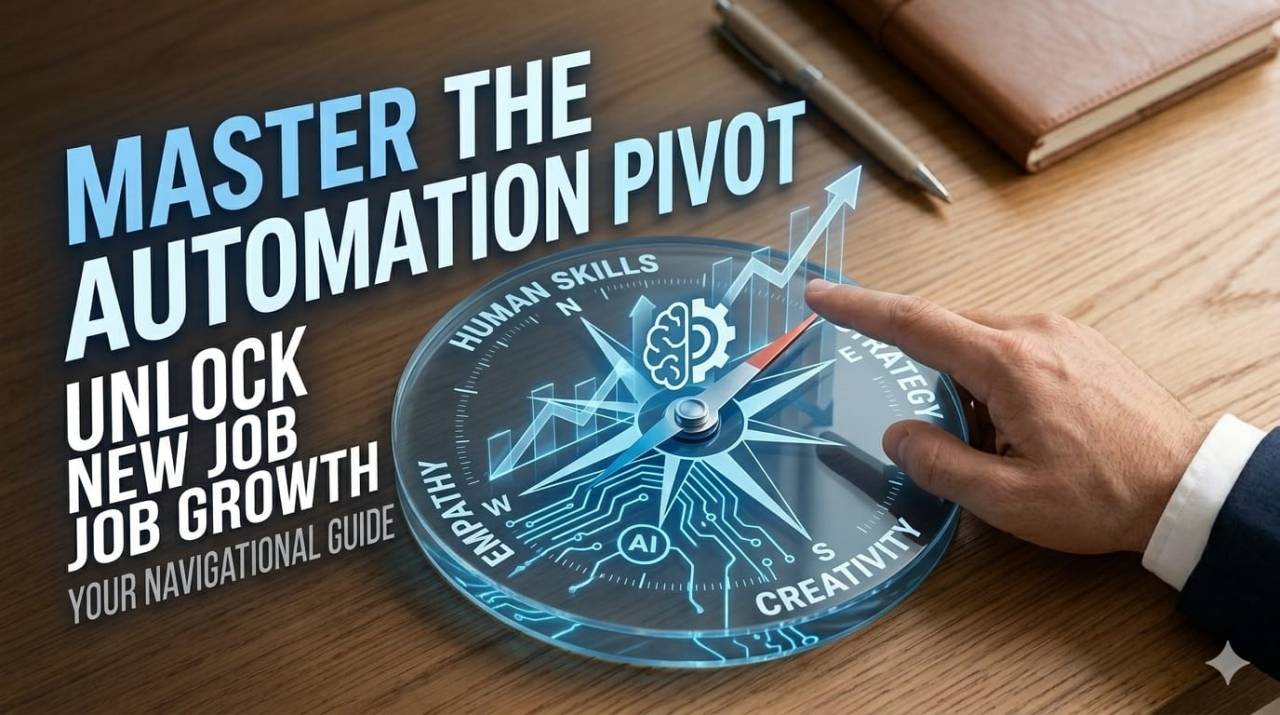
This will require sustained investment in education, large-scale reskilling initiatives, stronger social protections, and policies that encourage both innovation and employment creation. Businesses, educational institutions, and policymakers must work together to prepare workers for an economy increasingly shaped by intelligent machines.
India's future prosperity will depend not only on how successfully it adopts new technologies but also on how effectively it helps its people adapt to them.
The middle-class dream helped power India's economic rise. Preserving that dream in the age of automation may prove to be one of the country's most important challenges in the decades ahead.
As corporate India embraces automation, artificial intelligence, and leaner workforce models, the traditional path to middle-class prosperity is undergoing a profound transformation.
For decades, the story of India's economic rise was closely tied to the growth of its middle class. Economic liberalisation, rapid urbanisation, and the expansion of private enterprise created opportunities that allowed millions of families to move beyond subsistence living and aspire to financial security. Stable corporate jobs became symbols of progress, offering not only income but also dignity, social mobility, and hope for future generations.
Today, however, that dream is confronting a new reality.
Across sectors, many of India's largest corporations are rethinking how they grow. Faced with economic uncertainty, competitive pressures, and the rapid advancement of artificial intelligence (AI), businesses are increasingly prioritising efficiency over workforce expansion. The result is a noticeable slowdown in hiring, particularly for entry-level and mid-level positions that once served as gateways into the middle class.
What appears to be a rational business decision at the corporate level may have far-reaching consequences for India's social and economic fabric.
A New Corporate Playbook
Historically, India's major conglomerates acted as powerful employment generators. Large-scale recruitment drives absorbed thousands of graduates every year, providing a structured pathway from education to stable employment.
Recent trends suggest that this model is changing.
Corporate disclosures and hiring data indicate that net-new recruitment has slowed significantly across several major business groups. While overall employee numbers may still rise due to acquisitions, mergers, and existing workforce commitments, the pace of fresh hiring has declined sharply.
Instead of building large teams, companies are investing heavily in automation, cloud computing, AI-driven operations, data analytics, and digital infrastructure. These technologies allow firms to accomplish more with fewer employees, reducing operational costs while improving productivity.
From a shareholder's perspective, the logic is compelling. From a societal perspective, the implications are more complex.
The Disappearing Career Ladder
One of the most significant consequences of this shift is the gradual erosion of the traditional corporate career ladder.
For generations, securing a position in a reputable company represented a life-changing achievement, particularly for young people from Tier-2 and Tier-3 cities. Such jobs offered stable salaries, healthcare benefits, retirement savings, career progression, and social prestige.
These opportunities helped define India's expanding middle class.
Today, many of these structured pathways are becoming narrower. Administrative roles, customer-service positions, routine operational jobs, and other white-collar functions are increasingly vulnerable to automation and process optimisation.
At the same time, companies are experimenting with alternative workforce models that rely less on permanent employees and more on contractors, freelancers, and independent service providers.
While these arrangements are often promoted as flexible and entrepreneurial, they frequently transfer business risks from corporations to individuals. Workers may gain autonomy, but they often lose the security of predictable income, social benefits, and long-term employment protections.
For many families, this represents a fundamental shift from stability to uncertainty.
The AI Revolution and the Skills Divide
Artificial intelligence is accelerating this transformation.
AI systems are now capable of handling customer interactions, processing documentation, analysing data, managing supply chains, and performing many routine cognitive tasks that previously required large human teams.
As these capabilities improve, demand for certain categories of labour naturally declines.
At the same time, demand is rising for a much smaller group of highly skilled professionals with expertise in AI, machine learning, cybersecurity, cloud architecture, advanced analytics, and digital transformation.
This has created a growing divide within the labour market.
Those equipped with advanced technical skills are finding new opportunities. Those educated for traditional corporate roles often discover that the jobs they prepared for are shrinking or disappearing altogether.
The challenge is particularly acute because much of India's educational system remains aligned with older employment patterns. Many graduates continue to enter the workforce with qualifications designed for an economy that is changing faster than institutions can adapt.
Beyond Employment Numbers
The issue extends beyond corporate hiring statistics.
A healthy middle class is not merely an economic category; it is a stabilising force within society. Middle-class households drive consumption, invest in education, purchase homes, support local businesses, and contribute significantly to national economic growth.
When stable employment opportunities become scarce, broader social consequences emerge. Household debt may rise. Consumer spending may weaken. Economic insecurity can increase, even among educated and professionally qualified individuals.
Over time, these pressures risk slowing the very domestic demand that has become one of India's greatest economic strengths.
Balancing Innovation and Inclusion
None of this suggests that technological progress should be resisted. Automation and AI are powerful tools capable of improving productivity, driving innovation, and strengthening India's global competitiveness.
The challenge lies in ensuring that the benefits of technological advancement are shared broadly rather than concentrated among a relatively small segment of the workforce.
This will require sustained investment in education, large-scale reskilling initiatives, stronger social protections, and policies that encourage both innovation and employment creation. Businesses, educational institutions, and policymakers must work together to prepare workers for an economy increasingly shaped by intelligent machines.
India's future prosperity will depend not only on how successfully it adopts new technologies but also on how effectively it helps its people adapt to them.
The middle-class dream helped power India's economic rise. Preserving that dream in the age of automation may prove to be one of the country's most important challenges in the decades ahead.





















Leave a Comment