
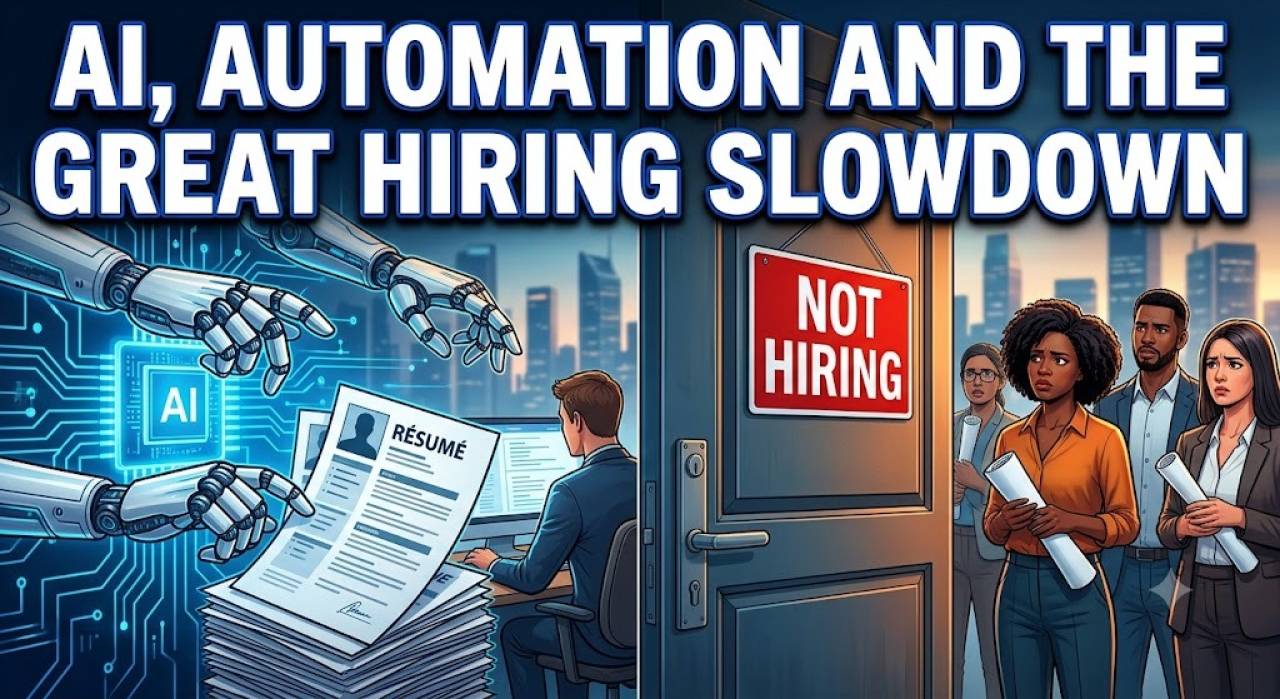
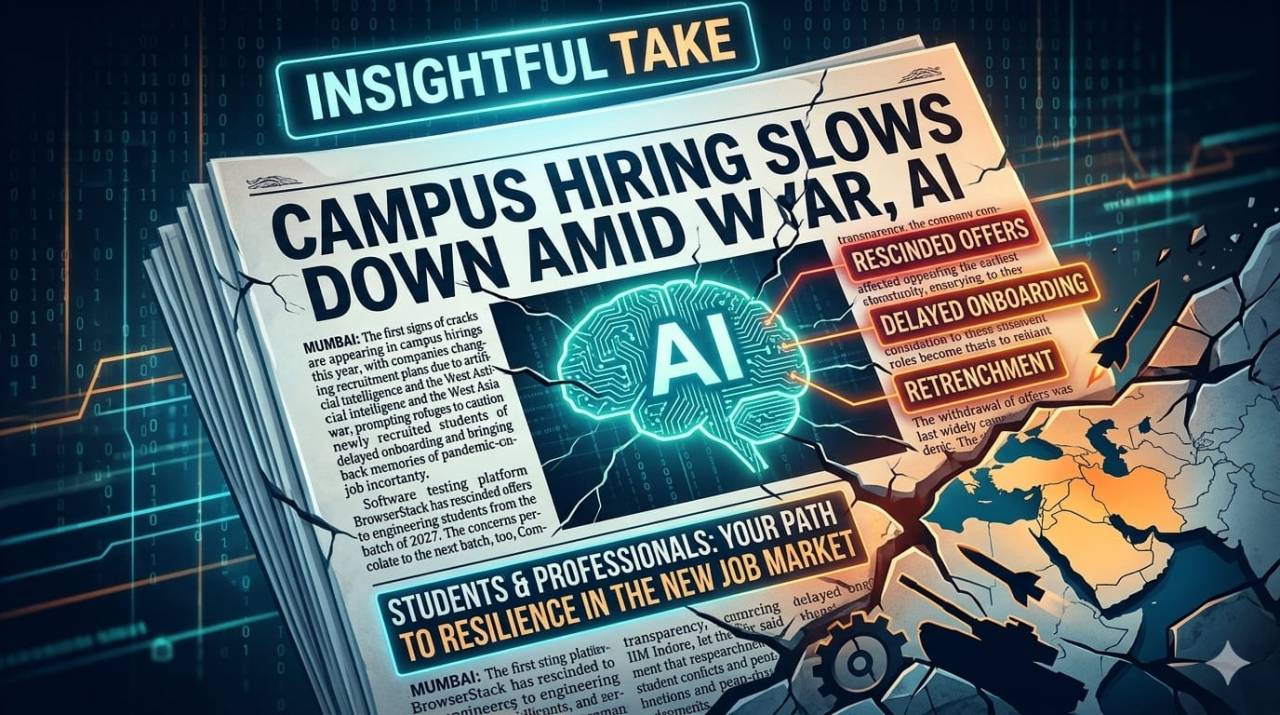
As companies embrace artificial intelligence and automation, fewer traditional jobs are being created. The shift may improve efficiency, but it also raises serious questions about the future of employment and economic mobility in India.
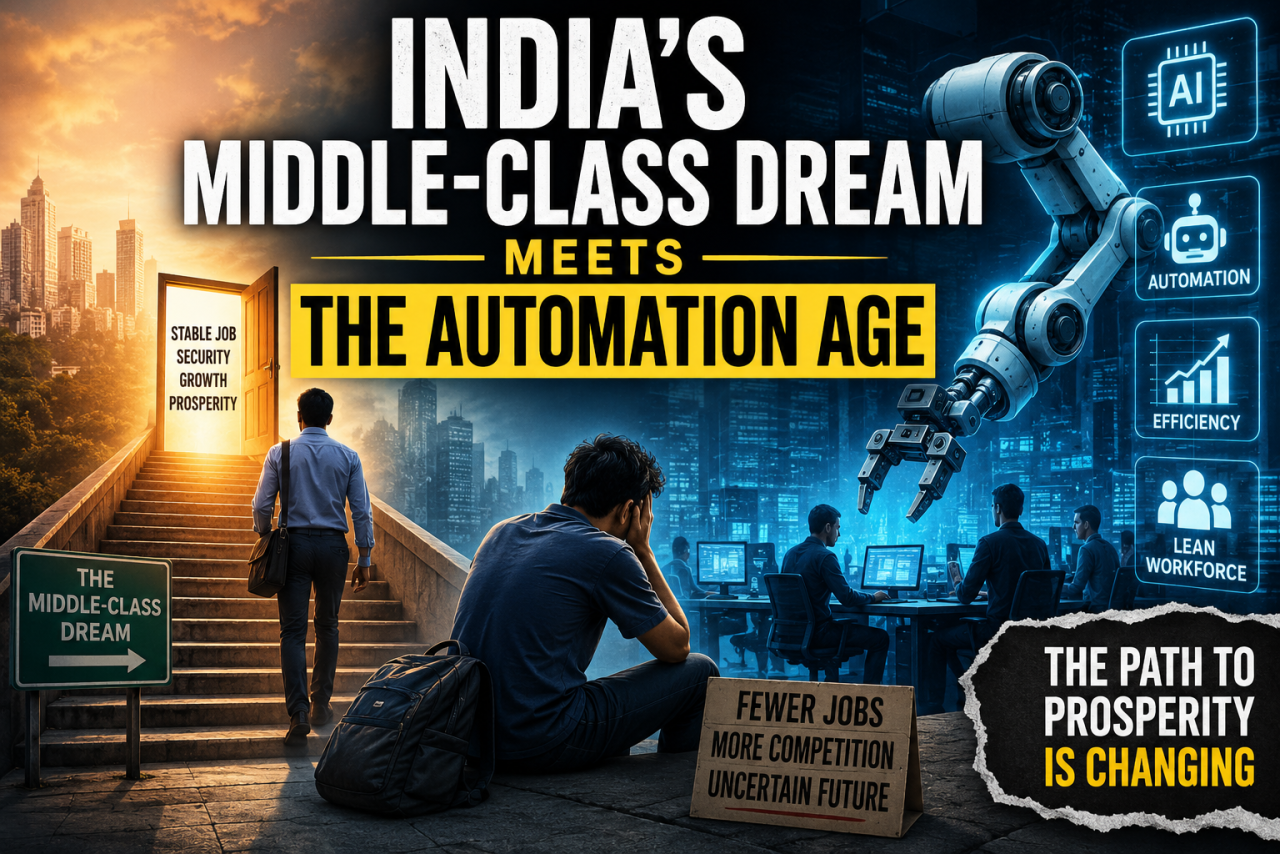
India's economic growth story has long been closely linked with job creation. For millions of young people, especially those from small towns and middle-class families, a corporate job represented stability, financial security, and a chance to build a better future. However, recent developments suggest that this traditional pathway may be changing.
A report highlighting the sharp decline in new hiring at Reliance Industries Limited (RIL), one of India's largest private employers, has brought renewed attention to a growing trend. The company reportedly reduced its new recruitment by nearly 90,000 positions in FY26 compared to the previous year. While the company's overall workforce continued to grow, the pace of fresh hiring slowed significantly.
This change is not occurring in isolation. Across industries, businesses are increasingly focusing on automation, artificial intelligence (AI), digital transformation, and workforce efficiency rather than large-scale recruitment.
A Shift in Corporate Priorities
According to the report, Reliance is investing heavily in areas such as AI, data science, automation, and digital technologies. Instead of expanding employee numbers rapidly, the company is emphasizing upskilling existing workers and redesigning roles to improve productivity.
From a business perspective, this strategy makes sense. Companies are operating in an environment shaped by global economic uncertainty, geopolitical tensions, supply chain disruptions, and intense competition. Under such conditions, reducing costs while improving efficiency becomes a priority.
Artificial intelligence offers a powerful solution. Tasks that once required large teams can now be completed faster and more accurately through automated systems. As a result, companies can continue growing without hiring at the same pace as before.
The Rise of the "Micro-Entrepreneur"
One of the more notable developments mentioned in the report is Reliance's effort to create opportunities for "micro-entrepreneurs" in its home business operations.
Under this model, individuals in smaller markets can oversee installation and maintenance services instead of working as traditional full-time employees. They are compensated based on the work they complete rather than receiving a fixed monthly salary.
Supporters argue that this model encourages entrepreneurship and provides greater flexibility. Critics, however, point out that it shifts much of the financial risk onto workers. Unlike salaried employees, independent contractors often lack benefits such as health insurance, retirement plans, paid leave, and long-term job security.
For many middle-class families, these benefits have historically been an important part of economic stability.
The Growing Skills Divide
The increasing use of AI is also changing the type of talent companies seek.
Demand is rising for professionals skilled in artificial intelligence, machine learning, cybersecurity, cloud computing, and advanced analytics. At the same time, routine administrative and operational roles are becoming more vulnerable to automation.
This creates a challenge for many graduates entering the workforce. While India's education system produces millions of degree holders every year, not all graduates possess the specialized skills that employers increasingly require.
As a result, a gap is emerging between the skills companies need and the skills many job seekers possess.
Why It Matters
The impact of slower hiring extends beyond employment numbers.
India's middle class plays a crucial role in driving consumer spending, housing demand, education investments, and economic growth. Stable jobs help families plan for the future, support children's education, and build long-term financial security.
If opportunities for stable employment become limited, many households could face greater economic uncertainty. Young professionals may find it harder to achieve the same level of financial progress that previous generations enjoyed.
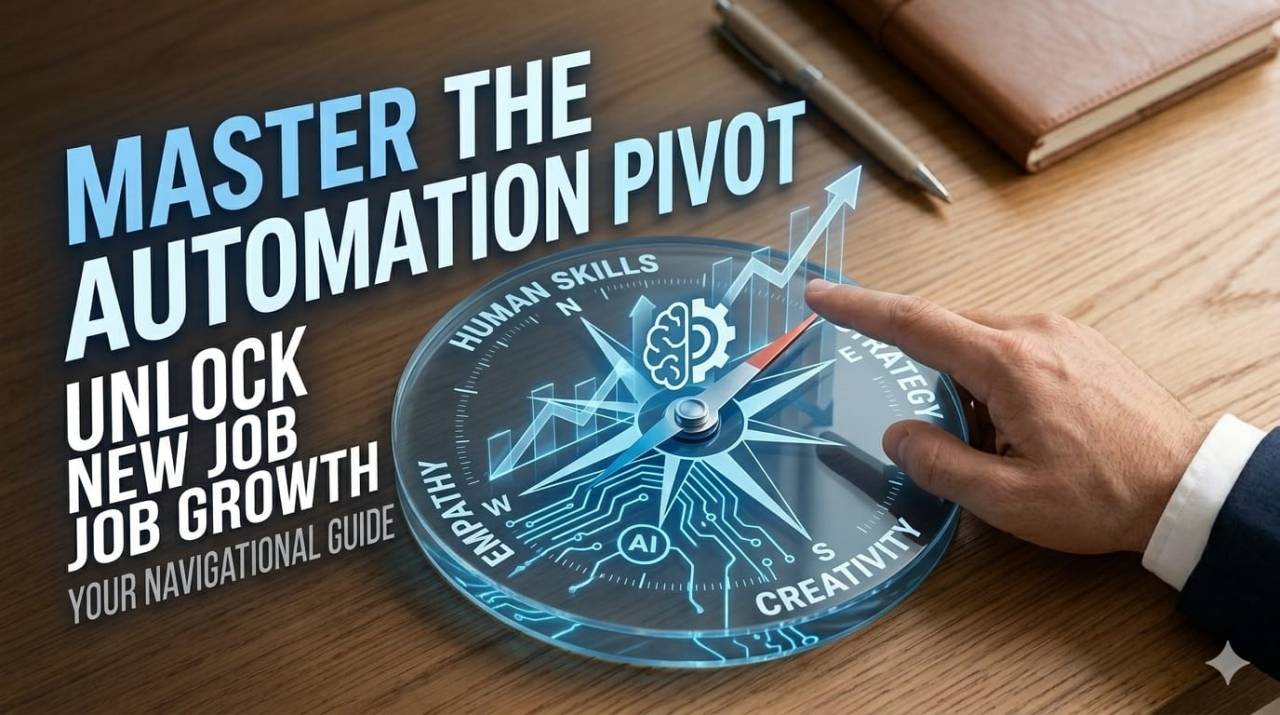
This does not mean that automation is inherently negative. Technological innovation has always created new industries and opportunities. The challenge lies in ensuring that workers can adapt quickly enough to benefit from these changes.
Final Take
India stands at an important crossroads. Artificial intelligence and automation have the potential to make businesses more competitive and productive. At the same time, they are reshaping the labor market in ways that could affect millions of aspiring middle-class families.
The key question is not whether technology should advance—it will. The real challenge is whether education systems, businesses, and policymakers can work together to ensure that economic opportunity grows alongside technological progress.
The future of India's middle class may depend on how successfully the country answers that question.
India's economic growth story has long been closely linked with job creation. For millions of young people, especially those from small towns and middle-class families, a corporate job represented stability, financial security, and a chance to build a better future. However, recent developments suggest that this traditional pathway may be changing.
A report highlighting the sharp decline in new hiring at Reliance Industries Limited (RIL), one of India's largest private employers, has brought renewed attention to a growing trend. The company reportedly reduced its new recruitment by nearly 90,000 positions in FY26 compared to the previous year. While the company's overall workforce continued to grow, the pace of fresh hiring slowed significantly.
This change is not occurring in isolation. Across industries, businesses are increasingly focusing on automation, artificial intelligence (AI), digital transformation, and workforce efficiency rather than large-scale recruitment.
A Shift in Corporate Priorities
According to the report, Reliance is investing heavily in areas such as AI, data science, automation, and digital technologies. Instead of expanding employee numbers rapidly, the company is emphasizing upskilling existing workers and redesigning roles to improve productivity.
From a business perspective, this strategy makes sense. Companies are operating in an environment shaped by global economic uncertainty, geopolitical tensions, supply chain disruptions, and intense competition. Under such conditions, reducing costs while improving efficiency becomes a priority.
Artificial intelligence offers a powerful solution. Tasks that once required large teams can now be completed faster and more accurately through automated systems. As a result, companies can continue growing without hiring at the same pace as before.
The Rise of the "Micro-Entrepreneur"
One of the more notable developments mentioned in the report is Reliance's effort to create opportunities for "micro-entrepreneurs" in its home business operations.
Under this model, individuals in smaller markets can oversee installation and maintenance services instead of working as traditional full-time employees. They are compensated based on the work they complete rather than receiving a fixed monthly salary.
Supporters argue that this model encourages entrepreneurship and provides greater flexibility. Critics, however, point out that it shifts much of the financial risk onto workers. Unlike salaried employees, independent contractors often lack benefits such as health insurance, retirement plans, paid leave, and long-term job security.
For many middle-class families, these benefits have historically been an important part of economic stability.
The Growing Skills Divide
The increasing use of AI is also changing the type of talent companies seek.
Demand is rising for professionals skilled in artificial intelligence, machine learning, cybersecurity, cloud computing, and advanced analytics. At the same time, routine administrative and operational roles are becoming more vulnerable to automation.
This creates a challenge for many graduates entering the workforce. While India's education system produces millions of degree holders every year, not all graduates possess the specialized skills that employers increasingly require.
As a result, a gap is emerging between the skills companies need and the skills many job seekers possess.
Why It Matters
The impact of slower hiring extends beyond employment numbers.
India's middle class plays a crucial role in driving consumer spending, housing demand, education investments, and economic growth. Stable jobs help families plan for the future, support children's education, and build long-term financial security.
If opportunities for stable employment become limited, many households could face greater economic uncertainty. Young professionals may find it harder to achieve the same level of financial progress that previous generations enjoyed.
This does not mean that automation is inherently negative. Technological innovation has always created new industries and opportunities. The challenge lies in ensuring that workers can adapt quickly enough to benefit from these changes.
Final Take
India stands at an important crossroads. Artificial intelligence and automation have the potential to make businesses more competitive and productive. At the same time, they are reshaping the labor market in ways that could affect millions of aspiring middle-class families.
The key question is not whether technology should advance—it will. The real challenge is whether education systems, businesses, and policymakers can work together to ensure that economic opportunity grows alongside technological progress.
The future of India's middle class may depend on how successfully the country answers that question.




















Leave a Comment