
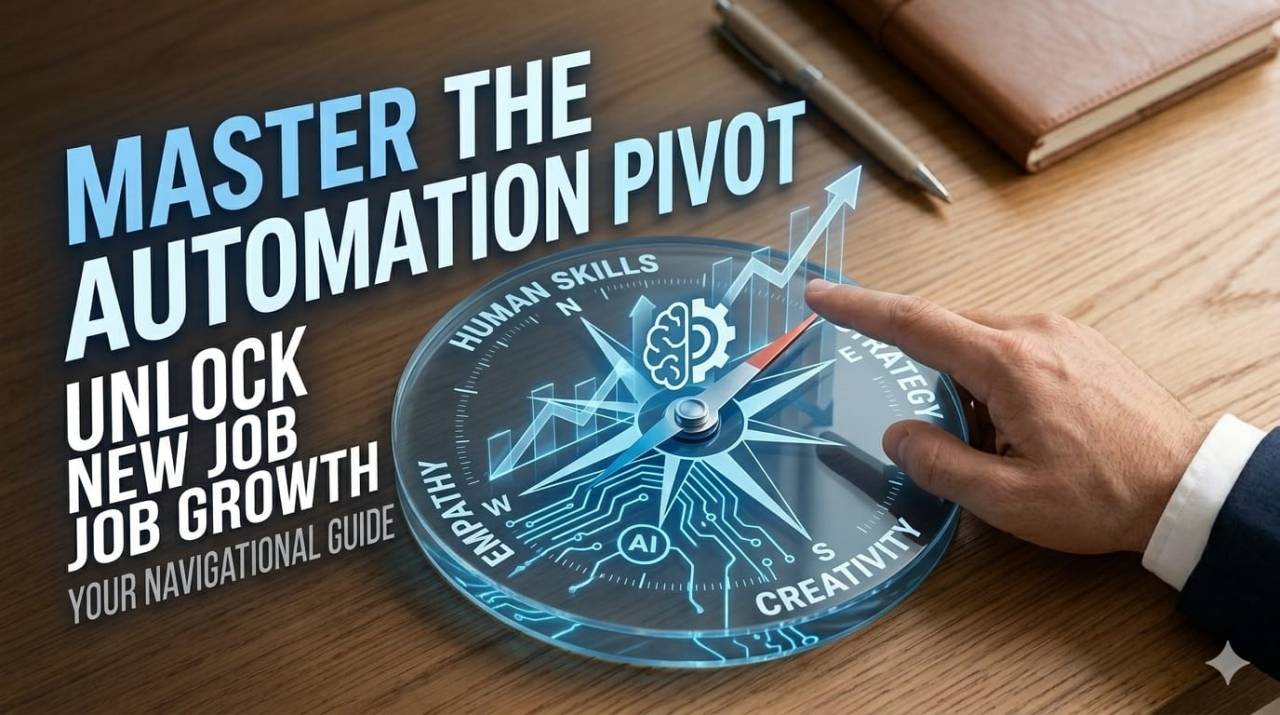
The IT job market is no longer defined by how many people it hires. It is being reshaped by automation and AI.
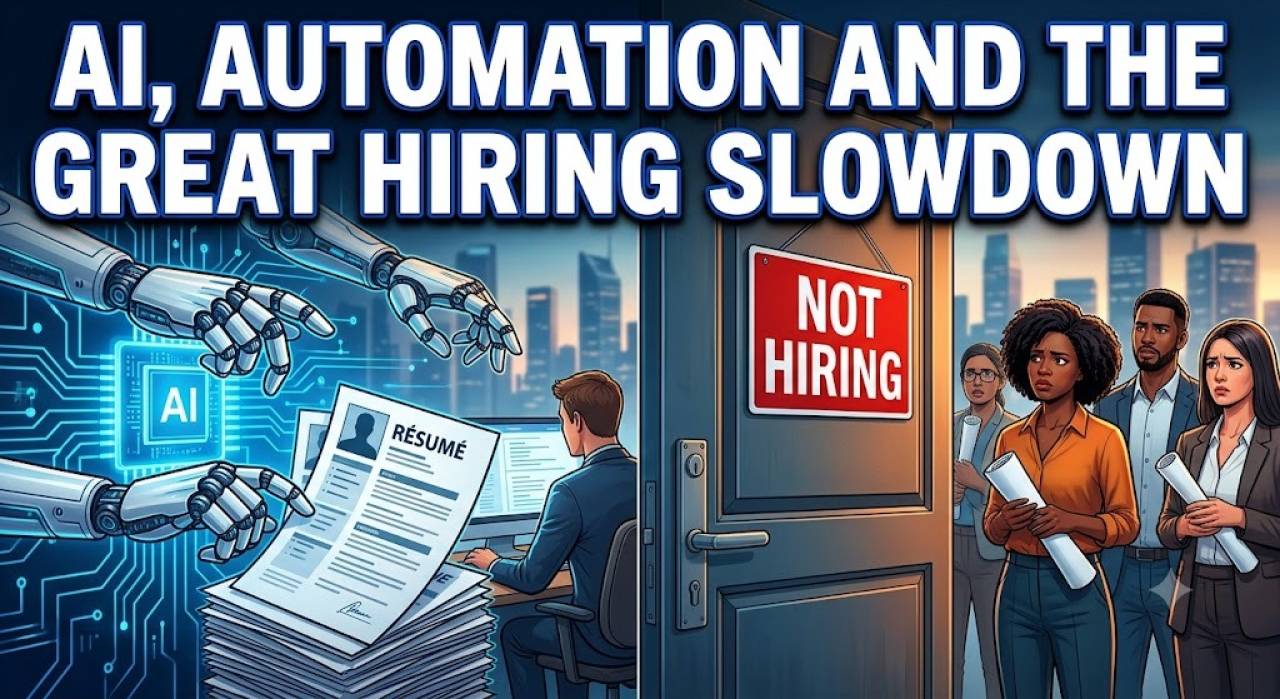
The recent announcement by Cognizant to reduce its workforce by 4,000 positions—approximately 1% of its total headcount—serves as a stark bellwether for the global IT sector. While the number itself is significant, the reasoning provided by leadership reveals a much deeper shift in the professional landscape. The company cites "Project Leap," an initiative designed to pivot away from "people-intensive delivery" toward "automated, platform-based services. For the modern working professional and the aspiring job hunter, this is a signal that the traditional human-resource outsourcing model in the tech industry is being dismantled in favor of an AI-driven efficiency model.
Understanding the Structural Shift
For decades, the growth of the IT industry was directly proportional to headcount. More projects meant more engineers. However, companies like Oracle and TCS have also begun trimming percentages of their workforces. This is not merely a reaction to a temporary economic slowdown, but a fundamental restructuring.
The industry is moving toward "higher-value skills." As Phil Fersht, CEO of HFS Research, noted in the report, companies are stripping out complexity in the middle of their organizations. This means that roles involving routine maintenance, basic coding, or repetitive data processing are at the highest risk of being automated. If your daily tasks can be scripted or handled by a generative AI model, your role is no longer a long-term asset to a firm looking to maximize "revenue per head."
Strategies for the Working Professional
For those currently employed, the primary objective must be relevance. The era of resting on a specific certification for a decade is over.
- Upskill into AI Integration: You do not necessarily need to become a data scientist, but you must understand how to leverage AI to enhance your output. Companies are prioritizing "AI-enabled" professionals who can do the work of three traditional employees by using modern tools.
- Pivot to High-Value Advisory: Automation struggles with nuance, strategy, and complex client relationships. Moving into roles that require deep industry knowledge and "advisory solutions" provides a safety net that algorithms cannot yet replicate.
- Embrace Horizontal Flexibility: Being a specialist in a single, narrow legacy technology is dangerous. Cultivate a "T-shaped" skill set: deep expertise in one area, but a broad understanding of how different technologies (Cloud, Security, AI) intersect.
Advice for the Modern Job Hunter
The layoffs are happening in mid-level roles, Cognizant still plans to hire over 20,000 freshers. This suggests that the entry-level door is open, but the criteria have changed.
- Focus on Problem-Solving, Not Syntax: For students and job seekers, proving you can code is the bare minimum. Proving you can use technology to solve a specific business problem is what gets you hired.
- Audit Your Portfolio: Ensure your CV reflects projects that involve automation, efficiency, and the latest tech stacks. Demonstrate an "AI-first" mindset.
- Stay Agile: The report mentions "Project Leap" aims for a "more agile and cost-effective operating model." Embody this agility. Be prepared to transition between sectors (e.g., from Fintech to Healthcare IT) as demand shifts.
Final Take
The headline may seem grim, but they represent an evolution rather than an extinction. The "Operating Model of the Future" demands a workforce that is leaner, smarter, and more adaptable. By recognizing that the industry is trading "people-intensity" for "AI-led efficiencies," professionals can stop fearing the change and start positioning themselves as the architects of this new automated world. The goal is no longer just to find a job, but to remain "un-automatable."
The recent announcement by Cognizant to reduce its workforce by 4,000 positions—approximately 1% of its total headcount—serves as a stark bellwether for the global IT sector. While the number itself is significant, the reasoning provided by leadership reveals a much deeper shift in the professional landscape. The company cites "Project Leap," an initiative designed to pivot away from "people-intensive delivery" toward "automated, platform-based services. For the modern working professional and the aspiring job hunter, this is a signal that the traditional human-resource outsourcing model in the tech industry is being dismantled in favor of an AI-driven efficiency model.
Understanding the Structural Shift
For decades, the growth of the IT industry was directly proportional to headcount. More projects meant more engineers. However, companies like Oracle and TCS have also begun trimming percentages of their workforces. This is not merely a reaction to a temporary economic slowdown, but a fundamental restructuring.
The industry is moving toward "higher-value skills." As Phil Fersht, CEO of HFS Research, noted in the report, companies are stripping out complexity in the middle of their organizations. This means that roles involving routine maintenance, basic coding, or repetitive data processing are at the highest risk of being automated. If your daily tasks can be scripted or handled by a generative AI model, your role is no longer a long-term asset to a firm looking to maximize "revenue per head."
Strategies for the Working Professional
For those currently employed, the primary objective must be relevance. The era of resting on a specific certification for a decade is over.
- Upskill into AI Integration: You do not necessarily need to become a data scientist, but you must understand how to leverage AI to enhance your output. Companies are prioritizing "AI-enabled" professionals who can do the work of three traditional employees by using modern tools.
- Pivot to High-Value Advisory: Automation struggles with nuance, strategy, and complex client relationships. Moving into roles that require deep industry knowledge and "advisory solutions" provides a safety net that algorithms cannot yet replicate.
- Embrace Horizontal Flexibility: Being a specialist in a single, narrow legacy technology is dangerous. Cultivate a "T-shaped" skill set: deep expertise in one area, but a broad understanding of how different technologies (Cloud, Security, AI) intersect.
Advice for the Modern Job Hunter
The layoffs are happening in mid-level roles, Cognizant still plans to hire over 20,000 freshers. This suggests that the entry-level door is open, but the criteria have changed.
- Focus on Problem-Solving, Not Syntax: For students and job seekers, proving you can code is the bare minimum. Proving you can use technology to solve a specific business problem is what gets you hired.
- Audit Your Portfolio: Ensure your CV reflects projects that involve automation, efficiency, and the latest tech stacks. Demonstrate an "AI-first" mindset.
- Stay Agile: The report mentions "Project Leap" aims for a "more agile and cost-effective operating model." Embody this agility. Be prepared to transition between sectors (e.g., from Fintech to Healthcare IT) as demand shifts.
Final Take
The headline may seem grim, but they represent an evolution rather than an extinction. The "Operating Model of the Future" demands a workforce that is leaner, smarter, and more adaptable. By recognizing that the industry is trading "people-intensity" for "AI-led efficiencies," professionals can stop fearing the change and start positioning themselves as the architects of this new automated world. The goal is no longer just to find a job, but to remain "un-automatable."














Leave a Comment