
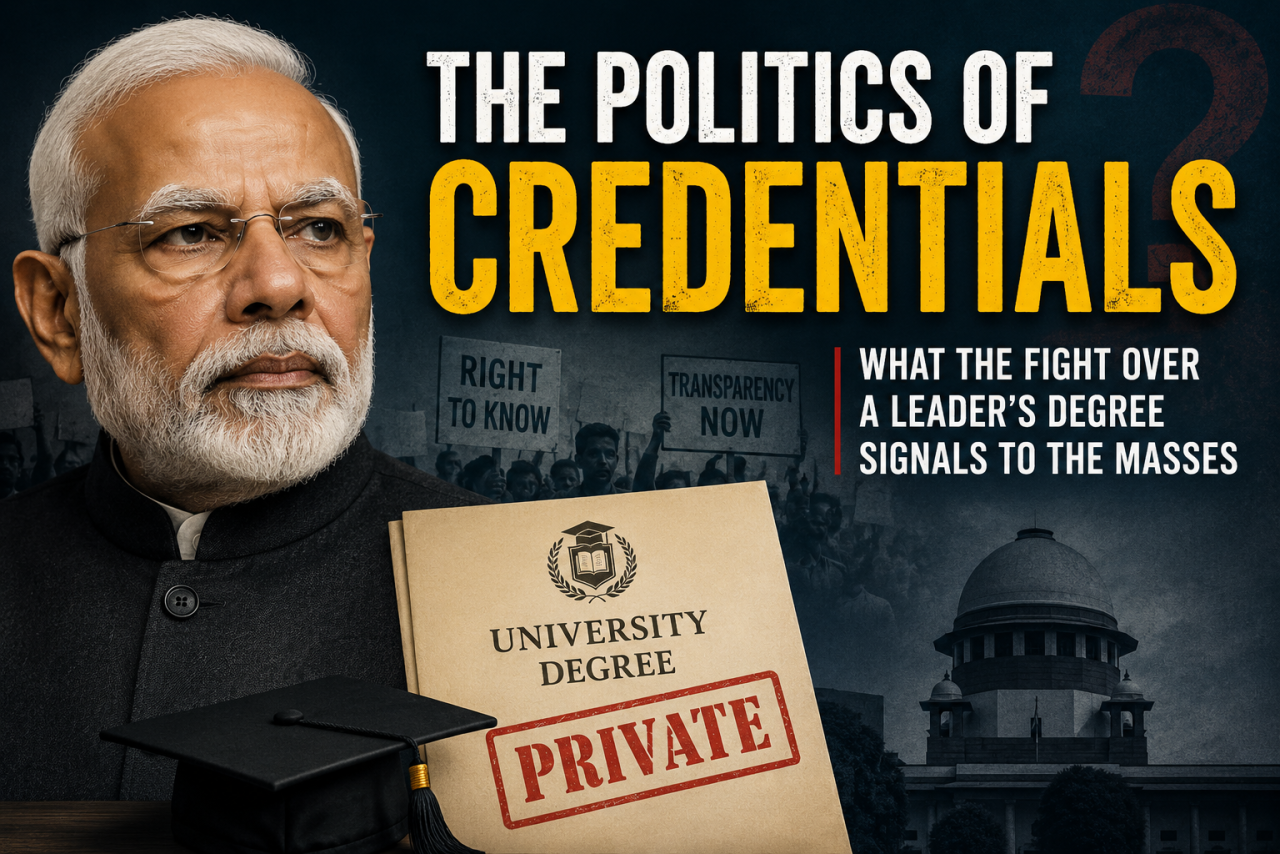
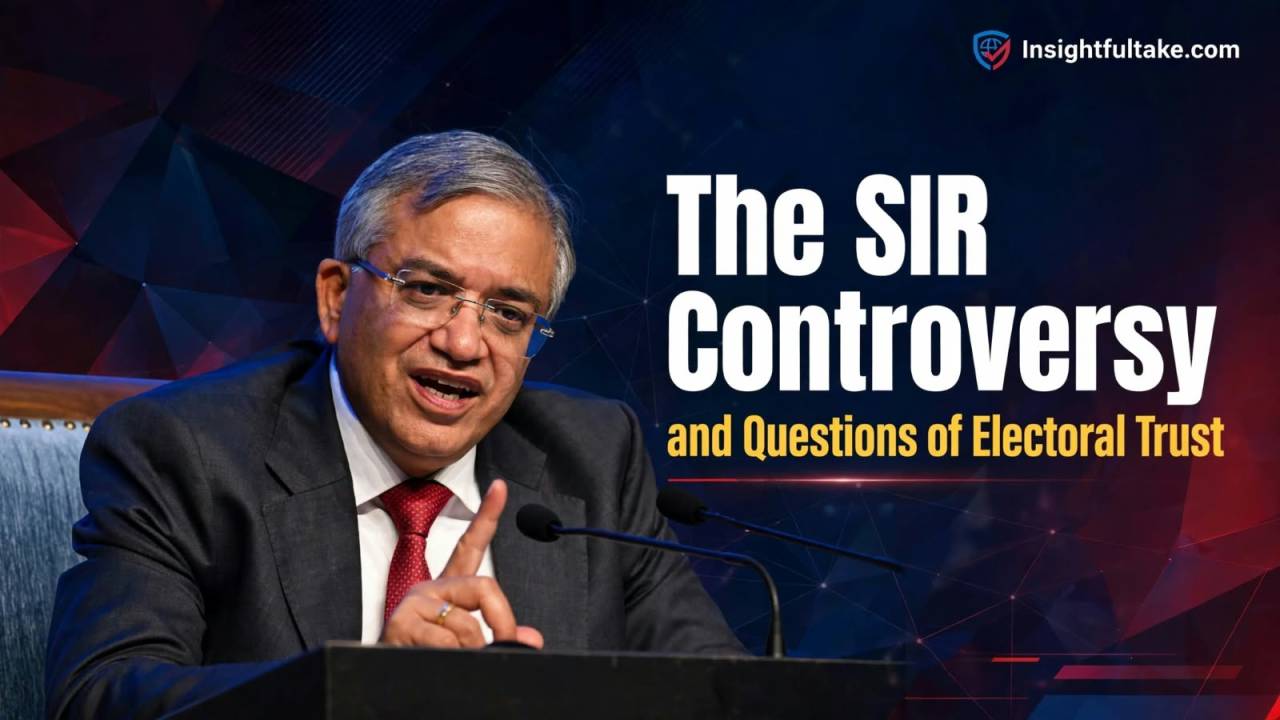
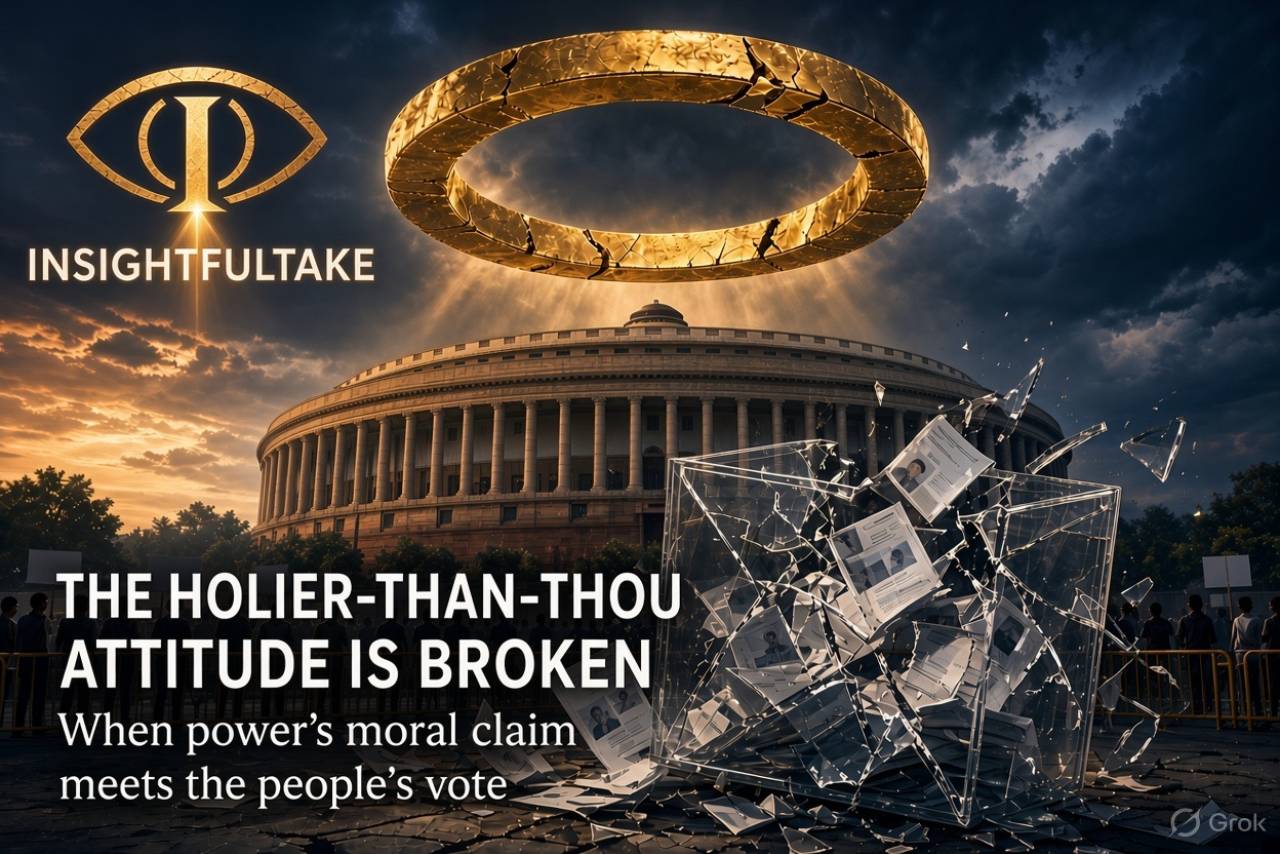
Should citizens have the right to verify a leader's credentials, or does personal privacy outweigh public curiosity? The debate goes far beyond one degree—it touches the very foundations of trust, transparency, and democratic accountability.
In democracies, elections are often portrayed as contests of ideas, policies, and leadership. Yet some of the fiercest political battles revolve around something far more personal: a leader’s identity, background, and credentials. The recent legal dispute over access to Prime Minister Narendra Modi’s university degree is a reminder that documents can become powerful political symbols, carrying significance far beyond the information they contain.
When India’s Solicitor General argued before the High Court that repeated demands to access the Prime Minister’s academic records should attract penalties, the debate moved beyond a simple Right to Information (RTI) request. The court eventually held that a student’s academic degree is personal information maintained by a university in a fiduciary capacity and therefore does not have to be disclosed under the RTI Act.
Legally, the matter may appear settled. Politically and socially, however, it raises deeper questions about privacy, transparency, and public trust. More importantly, it prompts a larger inquiry: what message does such a ruling send to ordinary citizens, and how does it compare with similar controversies involving world leaders elsewhere?
Privacy Versus Public Scrutiny
Supporters of the ruling view it as an important affirmation of individual rights. Their argument is straightforward: transparency laws were created to ensure accountability in governance, not to provide an avenue for personal harassment or endless political fishing expeditions.
Under this interpretation, the judgment reinforces a democratic principle that applies equally to all citizens. Holding public office does not automatically erase a person’s right to privacy. If educational records are considered private for ordinary individuals, the same standard should apply to politicians, regardless of their position.
This perspective also reflects concerns about the increasing weaponization of information in modern politics. In an era dominated by social media and hyper-partisan campaigns, personal records can quickly become tools for political spectacle rather than genuine public accountability. By drawing a legal boundary around academic records, the court effectively signaled that not every aspect of a public figure’s life is automatically open for scrutiny.
The Transparency Question
Critics, however, see the issue differently. For them, the controversy is not about curiosity but verification.
In a representative democracy, candidates routinely disclose information about their education, assets, and background while seeking public office. These declarations help voters make informed choices. If such information is presented to the electorate, transparency advocates argue that citizens should have some mechanism to verify its accuracy.
The concern is less about a specific degree and more about the principle involved. If voters cannot independently verify claims made by powerful public figures, critics fear it could weaken democratic accountability. To many citizens, this creates an uncomfortable contrast: ordinary people often undergo extensive document verification for jobs, admissions, and government services, while those occupying the highest offices may be shielded from similar scrutiny.
The debate therefore reflects a broader tension within democratic systems—where should societies draw the line between an individual’s privacy and the public’s right to know?
A Global Pattern of Political Contestation
India is hardly alone in confronting such disputes. Around the world, leaders’ credentials, identities, and personal histories have repeatedly become subjects of intense political battles.
One of the most prominent examples emerged in the United States during the presidency of Barack Obama. The so-called “Birther” movement claimed that Obama had been born outside the United States and was therefore constitutionally ineligible to serve as president.
Despite repeated official confirmations regarding his birthplace, demands for additional documentation continued for years. In 2011, a long-form birth certificate was publicly released. Yet rather than ending the controversy, the disclosure generated new allegations and conspiracy theories.
The episode demonstrated an important political reality: in deeply polarized environments, documentary evidence often fails to settle disputes because the underlying conflict is not about documents alone. It is about trust, identity, and political allegiance.
A similar controversy unfolded in Nigeria during the 2023 presidential election involving Bola Tinubu. Opposition groups sought access to academic records from Chicago State University to verify claims regarding his educational qualifications.
The case generated months of legal proceedings and public debate. The university initially cited American student privacy protections, echoing arguments similar to those heard in India regarding educational records. Although legal processes eventually produced documentation confirming graduation, the controversy had already become a major political issue, shaping public perceptions and media narratives.
In neighboring Pakistan, questions about disclosures and verification have carried even greater consequences. The disqualification of former Prime Minister Nawaz Sharif in 2017 following investigations linked to the Panama Papers highlighted how scrutiny of personal records, assets, and disclosures can become politically decisive. Across South Asia, several politicians have also faced legal consequences over allegations involving fake or misrepresented academic qualifications.
When Credentials Become Political Weapons
These international examples reveal a common pattern. Most democratic systems do not require leaders to possess university degrees. Citizens elect presidents and prime ministers based on political mandates, not academic transcripts.
Why, then, do degree controversies attract so much attention?
The answer lies in legitimacy. In modern politics, credentials often function as symbols of credibility and trustworthiness. Challenges to those credentials are rarely about educational achievement itself. Instead, they become proxies for larger battles over honesty, authenticity, and institutional confidence.
For opposition parties, demanding verification can be a way of questioning a leader’s credibility. For governments and their supporters, resisting such demands may be framed as protecting privacy and preventing politically motivated harassment. The actual document often becomes secondary to the competing narratives surrounding it.
A Reflection of Democratic Trust
Ultimately, the debate over a leader’s degree says less about education and more about the health of democratic institutions.
When courts, universities, and public records become arenas for political confrontation, it often signals deeper anxieties within society. Citizens are not merely debating a certificate; they are debating whom to trust and which institutions deserve confidence.
The enduring lesson for the public is therefore both simple and sobering. In contemporary political warfare, personal credentials are no longer just records of an individual’s past. They have become symbols in a larger struggle over transparency, legitimacy, and power. Whether one views the court’s ruling as a victory for privacy or a setback for accountability, the controversy reveals how fragile public trust can become when politics turns personal history into a battlefield.
In democracies, elections are often portrayed as contests of ideas, policies, and leadership. Yet some of the fiercest political battles revolve around something far more personal: a leader’s identity, background, and credentials. The recent legal dispute over access to Prime Minister Narendra Modi’s university degree is a reminder that documents can become powerful political symbols, carrying significance far beyond the information they contain.
When India’s Solicitor General argued before the High Court that repeated demands to access the Prime Minister’s academic records should attract penalties, the debate moved beyond a simple Right to Information (RTI) request. The court eventually held that a student’s academic degree is personal information maintained by a university in a fiduciary capacity and therefore does not have to be disclosed under the RTI Act.
Legally, the matter may appear settled. Politically and socially, however, it raises deeper questions about privacy, transparency, and public trust. More importantly, it prompts a larger inquiry: what message does such a ruling send to ordinary citizens, and how does it compare with similar controversies involving world leaders elsewhere?
Privacy Versus Public Scrutiny
Supporters of the ruling view it as an important affirmation of individual rights. Their argument is straightforward: transparency laws were created to ensure accountability in governance, not to provide an avenue for personal harassment or endless political fishing expeditions.
Under this interpretation, the judgment reinforces a democratic principle that applies equally to all citizens. Holding public office does not automatically erase a person’s right to privacy. If educational records are considered private for ordinary individuals, the same standard should apply to politicians, regardless of their position.
This perspective also reflects concerns about the increasing weaponization of information in modern politics. In an era dominated by social media and hyper-partisan campaigns, personal records can quickly become tools for political spectacle rather than genuine public accountability. By drawing a legal boundary around academic records, the court effectively signaled that not every aspect of a public figure’s life is automatically open for scrutiny.
The Transparency Question
Critics, however, see the issue differently. For them, the controversy is not about curiosity but verification.
In a representative democracy, candidates routinely disclose information about their education, assets, and background while seeking public office. These declarations help voters make informed choices. If such information is presented to the electorate, transparency advocates argue that citizens should have some mechanism to verify its accuracy.
The concern is less about a specific degree and more about the principle involved. If voters cannot independently verify claims made by powerful public figures, critics fear it could weaken democratic accountability. To many citizens, this creates an uncomfortable contrast: ordinary people often undergo extensive document verification for jobs, admissions, and government services, while those occupying the highest offices may be shielded from similar scrutiny.
The debate therefore reflects a broader tension within democratic systems—where should societies draw the line between an individual’s privacy and the public’s right to know?
A Global Pattern of Political Contestation
India is hardly alone in confronting such disputes. Around the world, leaders’ credentials, identities, and personal histories have repeatedly become subjects of intense political battles.
One of the most prominent examples emerged in the United States during the presidency of Barack Obama. The so-called “Birther” movement claimed that Obama had been born outside the United States and was therefore constitutionally ineligible to serve as president.
Despite repeated official confirmations regarding his birthplace, demands for additional documentation continued for years. In 2011, a long-form birth certificate was publicly released. Yet rather than ending the controversy, the disclosure generated new allegations and conspiracy theories.
The episode demonstrated an important political reality: in deeply polarized environments, documentary evidence often fails to settle disputes because the underlying conflict is not about documents alone. It is about trust, identity, and political allegiance.
A similar controversy unfolded in Nigeria during the 2023 presidential election involving Bola Tinubu. Opposition groups sought access to academic records from Chicago State University to verify claims regarding his educational qualifications.
The case generated months of legal proceedings and public debate. The university initially cited American student privacy protections, echoing arguments similar to those heard in India regarding educational records. Although legal processes eventually produced documentation confirming graduation, the controversy had already become a major political issue, shaping public perceptions and media narratives.
In neighboring Pakistan, questions about disclosures and verification have carried even greater consequences. The disqualification of former Prime Minister Nawaz Sharif in 2017 following investigations linked to the Panama Papers highlighted how scrutiny of personal records, assets, and disclosures can become politically decisive. Across South Asia, several politicians have also faced legal consequences over allegations involving fake or misrepresented academic qualifications.
When Credentials Become Political Weapons
These international examples reveal a common pattern. Most democratic systems do not require leaders to possess university degrees. Citizens elect presidents and prime ministers based on political mandates, not academic transcripts.
Why, then, do degree controversies attract so much attention?
The answer lies in legitimacy. In modern politics, credentials often function as symbols of credibility and trustworthiness. Challenges to those credentials are rarely about educational achievement itself. Instead, they become proxies for larger battles over honesty, authenticity, and institutional confidence.
For opposition parties, demanding verification can be a way of questioning a leader’s credibility. For governments and their supporters, resisting such demands may be framed as protecting privacy and preventing politically motivated harassment. The actual document often becomes secondary to the competing narratives surrounding it.
A Reflection of Democratic Trust
Ultimately, the debate over a leader’s degree says less about education and more about the health of democratic institutions.
When courts, universities, and public records become arenas for political confrontation, it often signals deeper anxieties within society. Citizens are not merely debating a certificate; they are debating whom to trust and which institutions deserve confidence.
The enduring lesson for the public is therefore both simple and sobering. In contemporary political warfare, personal credentials are no longer just records of an individual’s past. They have become symbols in a larger struggle over transparency, legitimacy, and power. Whether one views the court’s ruling as a victory for privacy or a setback for accountability, the controversy reveals how fragile public trust can become when politics turns personal history into a battlefield.










Leave a Comment