
Can a democracy remain truly democratic if peaceful protesters are removed instead of being heard? Sonam Wangchuk's removal has reignited the debate on dissent, accountability, and citizens' rights.
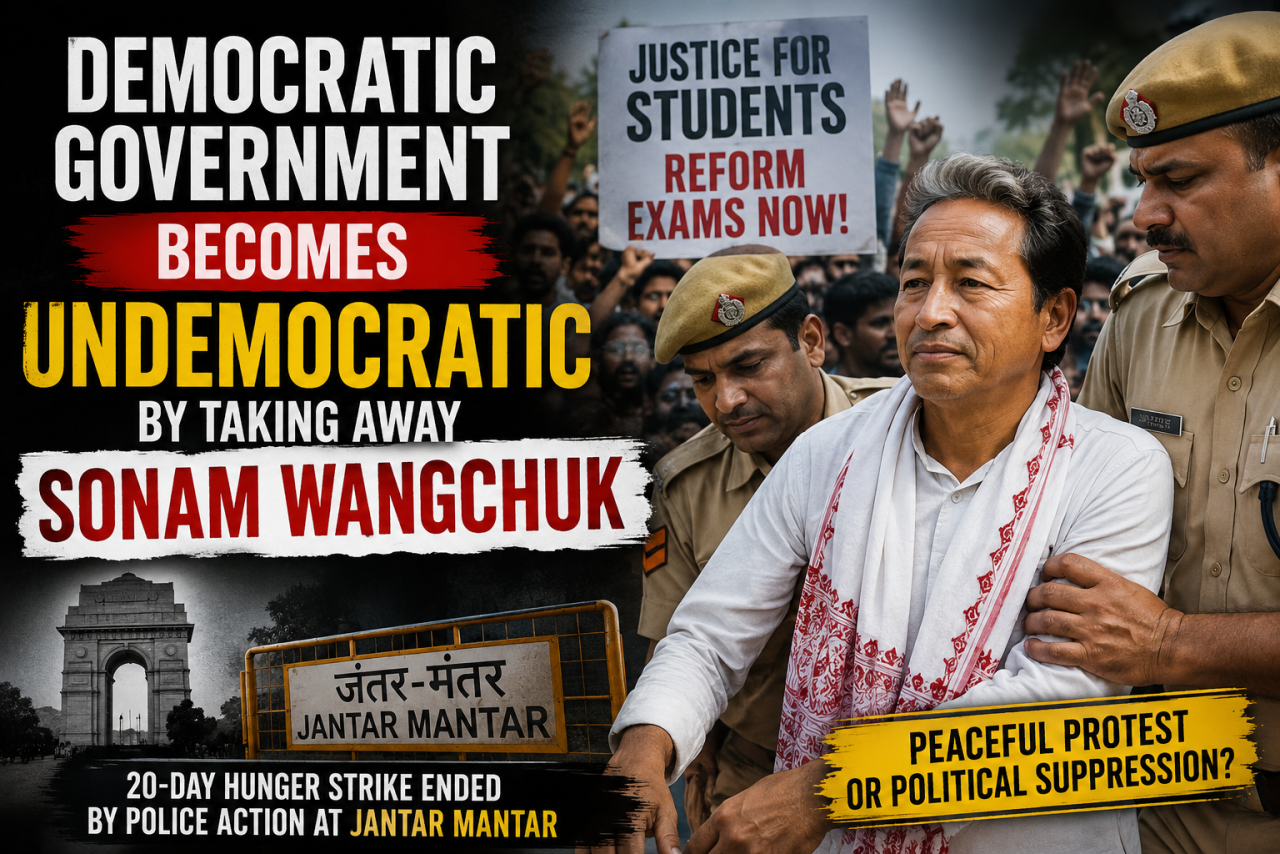
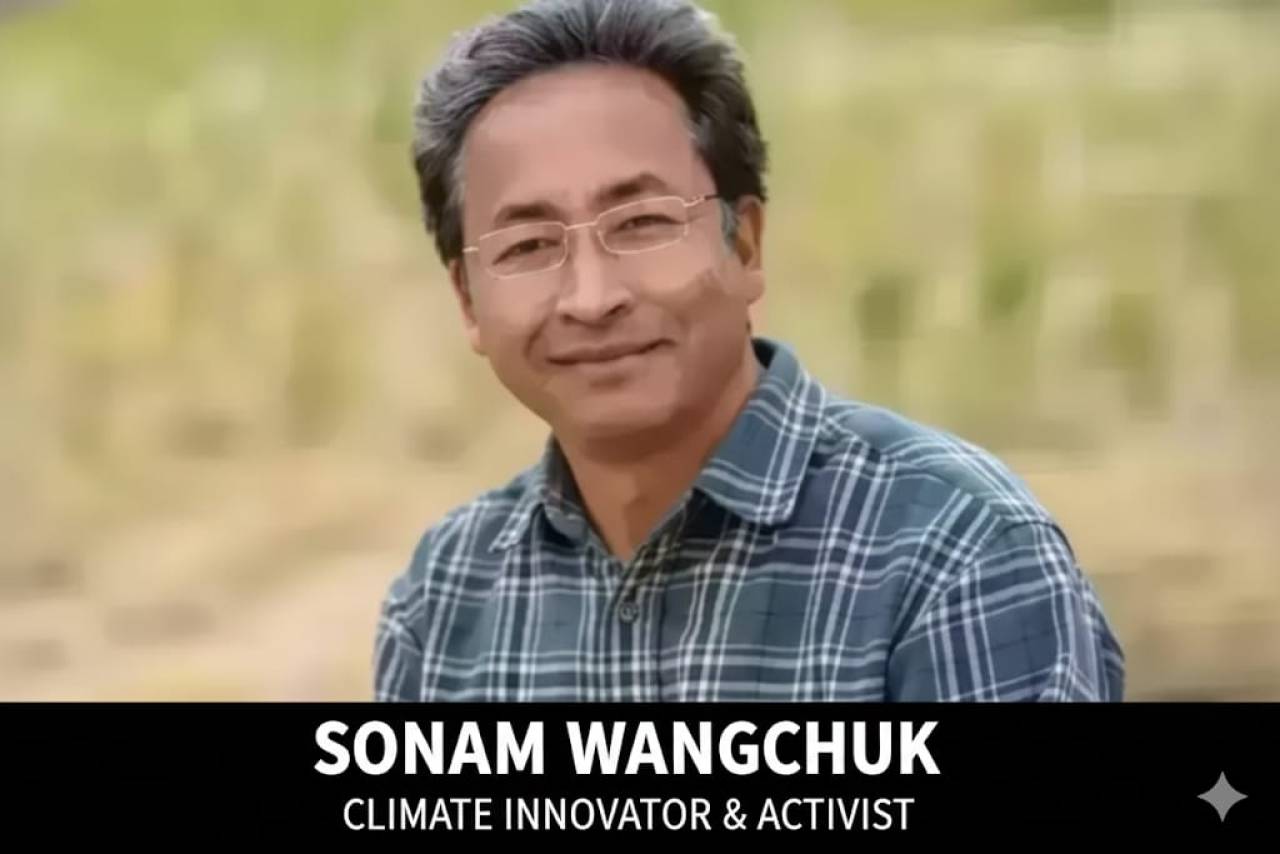
On July 18, 2026, at around 7:40 AM, Delhi Police removed climate activist Sonam Wangchuk from the protest site at Jantar Mantar and took him to a hospital, bringing his 20-day hunger strike to an end. The protest, organised by the Cockroach Janata Party (CJP) under the leadership of Abhijeet Dipke, had been continuing peacefully since June 20. It focused on alleged irregularities in competitive examinations such as NEET and demanded the resignation of Union Education Minister Dharmendra Pradhan.
The government's decision to remove Wangchuk has raised important questions about the way democratic governments respond to peaceful public protests. For nearly three weeks, protesters remained at Jantar Mantar demanding greater accountability in the education system. Alleged paper leaks and examination irregularities had affected lakhs of students and created widespread concern among parents and young aspirants. Despite the seriousness of these issues, there was no visible dialogue between the protesters and senior government representatives.
Sonam Wangchuk joined the protest on June 28 and began an indefinite hunger strike after paying tribute to Mahatma Gandhi at Rajghat. His decision reflected the Gandhian tradition of peaceful protest. Students, farmers, youth, and social activists continued to support the movement despite difficult conditions. Reports suggested that the protesters also faced problems related to drinking water and sanitation, yet the protest remained peaceful throughout.
In a democracy, citizens have the right to raise concerns about issues that affect society. Education shapes the future of the country, and public confidence in competitive examinations is essential. Whenever allegations of paper leaks or other irregularities emerge, governments are expected to respond quickly, investigate fairly, and restore public trust. The protesters believed that ministerial accountability was necessary because they considered the problems serious enough to demand political responsibility.
The authorities described Wangchuk's removal as a step taken to protect his health after 20 days of fasting. However, many protesters and supporters viewed the action differently. They argued that removing him ended the protest without addressing its main demands. Videos shared on social media showed police taking Wangchuk away, while CJP leaders criticised the action and questioned whether it fully respected the legal and medical procedures related to hunger strikes.
Peaceful protest is one of the foundations of a democratic society. The Constitution allows citizens to express their opinions and assemble peacefully, subject to reasonable restrictions under the law. Jantar Mantar has long served as an important venue for such demonstrations. When the leader of a peaceful protest is removed before meaningful dialogue takes place, many people naturally question whether democratic space for dissent is shrinking.
The issues raised during the protest remain significant. Competitive examinations such as NEET are expected to provide equal opportunities to every student. Allegations of paper leaks or irregularities can damage public confidence and affect the future of deserving candidates. Parents invest years of effort and resources in preparing their children for these examinations. Any failure in the system therefore has serious social consequences. The protesters demanded long-term reforms rather than temporary solutions.
The incident has also renewed the debate over how governments should respond to peaceful public movements. While maintaining law and order is an important responsibility of the administration, democratic governments are also expected to engage with citizens through discussion and consultation. Dialogue often strengthens public trust more effectively than administrative action alone.
Sonam Wangchuk is widely known for his work on environmental conservation, education, and the welfare of Ladakh. His participation brought greater national attention to the protest. Although his removal ended the hunger strike, it did not end the debate over examination reforms or accountability. Public discussion has continued across social media and other platforms, with many people demanding greater transparency in the education system.
A healthy democracy depends not only on elections but also on continuous dialogue between the government and the people. When citizens express concerns through peaceful and constitutional means, governments should respond with openness, transparency, and meaningful engagement. Addressing public grievances through discussion can strengthen democratic institutions and restore confidence among citizens.
The events at Jantar Mantar are therefore larger than the removal of one protester. They raise broader questions about the relationship between the government and citizens, the protection of democratic rights, and the need for accountability in public institutions. The government still has an opportunity to engage with those raising concerns, conduct a transparent inquiry into the examination issues, and introduce reforms that restore public confidence.
Removing Sonam Wangchuk from the protest site may have ended the immediate hunger strike, but it has not resolved the larger concerns that gave rise to the movement. Students, parents, and citizens will continue to seek answers about examination reforms and accountability. A democratic government earns public trust not by ending protests, but by addressing the issues that lead to them. Genuine dialogue, transparent governance, and timely reforms remain the strongest foundations of a healthy democracy.
On July 18, 2026, at around 7:40 AM, Delhi Police removed climate activist Sonam Wangchuk from the protest site at Jantar Mantar and took him to a hospital, bringing his 20-day hunger strike to an end. The protest, organised by the Cockroach Janata Party (CJP) under the leadership of Abhijeet Dipke, had been continuing peacefully since June 20. It focused on alleged irregularities in competitive examinations such as NEET and demanded the resignation of Union Education Minister Dharmendra Pradhan.
The government's decision to remove Wangchuk has raised important questions about the way democratic governments respond to peaceful public protests. For nearly three weeks, protesters remained at Jantar Mantar demanding greater accountability in the education system. Alleged paper leaks and examination irregularities had affected lakhs of students and created widespread concern among parents and young aspirants. Despite the seriousness of these issues, there was no visible dialogue between the protesters and senior government representatives.
Sonam Wangchuk joined the protest on June 28 and began an indefinite hunger strike after paying tribute to Mahatma Gandhi at Rajghat. His decision reflected the Gandhian tradition of peaceful protest. Students, farmers, youth, and social activists continued to support the movement despite difficult conditions. Reports suggested that the protesters also faced problems related to drinking water and sanitation, yet the protest remained peaceful throughout.
In a democracy, citizens have the right to raise concerns about issues that affect society. Education shapes the future of the country, and public confidence in competitive examinations is essential. Whenever allegations of paper leaks or other irregularities emerge, governments are expected to respond quickly, investigate fairly, and restore public trust. The protesters believed that ministerial accountability was necessary because they considered the problems serious enough to demand political responsibility.
The authorities described Wangchuk's removal as a step taken to protect his health after 20 days of fasting. However, many protesters and supporters viewed the action differently. They argued that removing him ended the protest without addressing its main demands. Videos shared on social media showed police taking Wangchuk away, while CJP leaders criticised the action and questioned whether it fully respected the legal and medical procedures related to hunger strikes.
Peaceful protest is one of the foundations of a democratic society. The Constitution allows citizens to express their opinions and assemble peacefully, subject to reasonable restrictions under the law. Jantar Mantar has long served as an important venue for such demonstrations. When the leader of a peaceful protest is removed before meaningful dialogue takes place, many people naturally question whether democratic space for dissent is shrinking.
The issues raised during the protest remain significant. Competitive examinations such as NEET are expected to provide equal opportunities to every student. Allegations of paper leaks or irregularities can damage public confidence and affect the future of deserving candidates. Parents invest years of effort and resources in preparing their children for these examinations. Any failure in the system therefore has serious social consequences. The protesters demanded long-term reforms rather than temporary solutions.
The incident has also renewed the debate over how governments should respond to peaceful public movements. While maintaining law and order is an important responsibility of the administration, democratic governments are also expected to engage with citizens through discussion and consultation. Dialogue often strengthens public trust more effectively than administrative action alone.
Sonam Wangchuk is widely known for his work on environmental conservation, education, and the welfare of Ladakh. His participation brought greater national attention to the protest. Although his removal ended the hunger strike, it did not end the debate over examination reforms or accountability. Public discussion has continued across social media and other platforms, with many people demanding greater transparency in the education system.
A healthy democracy depends not only on elections but also on continuous dialogue between the government and the people. When citizens express concerns through peaceful and constitutional means, governments should respond with openness, transparency, and meaningful engagement. Addressing public grievances through discussion can strengthen democratic institutions and restore confidence among citizens.
The events at Jantar Mantar are therefore larger than the removal of one protester. They raise broader questions about the relationship between the government and citizens, the protection of democratic rights, and the need for accountability in public institutions. The government still has an opportunity to engage with those raising concerns, conduct a transparent inquiry into the examination issues, and introduce reforms that restore public confidence.
Removing Sonam Wangchuk from the protest site may have ended the immediate hunger strike, but it has not resolved the larger concerns that gave rise to the movement. Students, parents, and citizens will continue to seek answers about examination reforms and accountability. A democratic government earns public trust not by ending protests, but by addressing the issues that lead to them. Genuine dialogue, transparent governance, and timely reforms remain the strongest foundations of a healthy democracy.
















Leave a Comment