
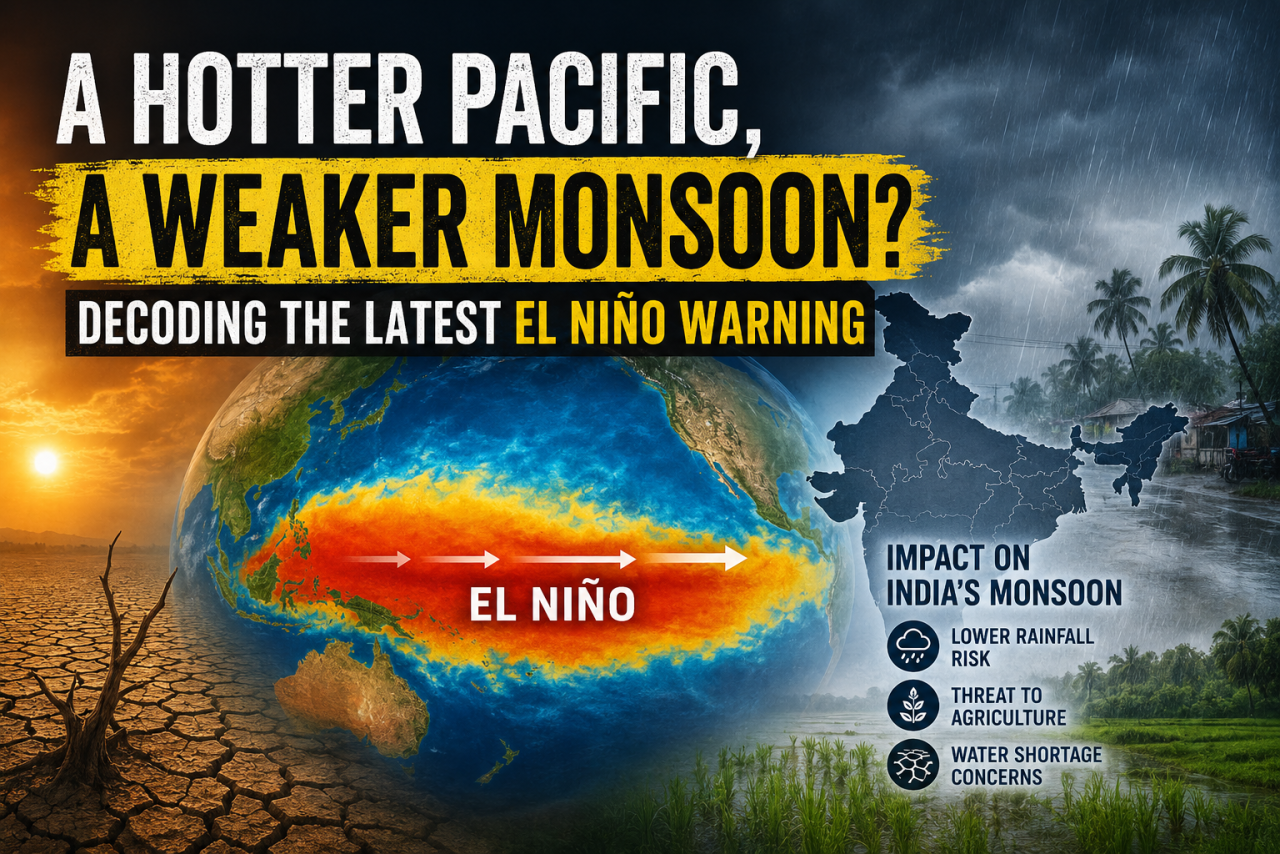
An unusual warming of the Pacific Ocean may soon influence weather patterns across the globe. With the World Meteorological Organization warning of a high probability of El Niño developing this year, India faces growing concerns over its monsoon.
The World Meteorological Organization (WMO) has issued a warning that has caught the attention of climate experts and governments around the world. According to the agency, there is an 80% chance that El Niño conditions will develop between June and August, with the likelihood rising to nearly 90% by November.
For India, where agriculture, water supplies, and rural livelihoods depend heavily on the monsoon, the warning is significant. While El Niño is a natural climate phenomenon, it has often been linked to weaker monsoon rains, hotter summers, and greater weather uncertainty.
As climate change continues to push global temperatures higher, the possible return of El Niño raises important questions about how prepared countries are for extreme weather.
What Exactly Is El Niño?
El Niño is a climate pattern that begins in the Pacific Ocean. It occurs when surface waters in the central and eastern Pacific become warmer than normal. Although this warming happens thousands of kilometers away from India, it can influence weather patterns across much of the world.
Under normal conditions, trade winds push warm ocean water westward toward Asia and Australia. During an El Niño event, these winds weaken, allowing warm water to spread eastward. This shift changes atmospheric circulation and affects rainfall, temperatures, and storm activity in different regions.
El Niño usually appears every two to seven years and can last anywhere from nine months to a year. It is part of a larger climate cycle known as the El Niño-Southern Oscillation (ENSO), which also includes the cooler La Niña phase.
Why Scientists Are Concerned
The latest WMO assessment suggests that ocean temperatures beneath the Pacific surface are already unusually warm. These conditions often act as fuel for the development of El Niño.
Climate models indicate that if the warming continues, the world could experience a moderate or even strong El Niño event in the coming months. Such events have historically been associated with droughts, heatwaves, floods, and disruptions to agriculture in various parts of the world.
WMO Secretary-General Celeste Saulo has urged governments to prepare for possible impacts, warning that El Niño could worsen drought conditions in some areas while increasing the risk of heavy rainfall and flooding in others.
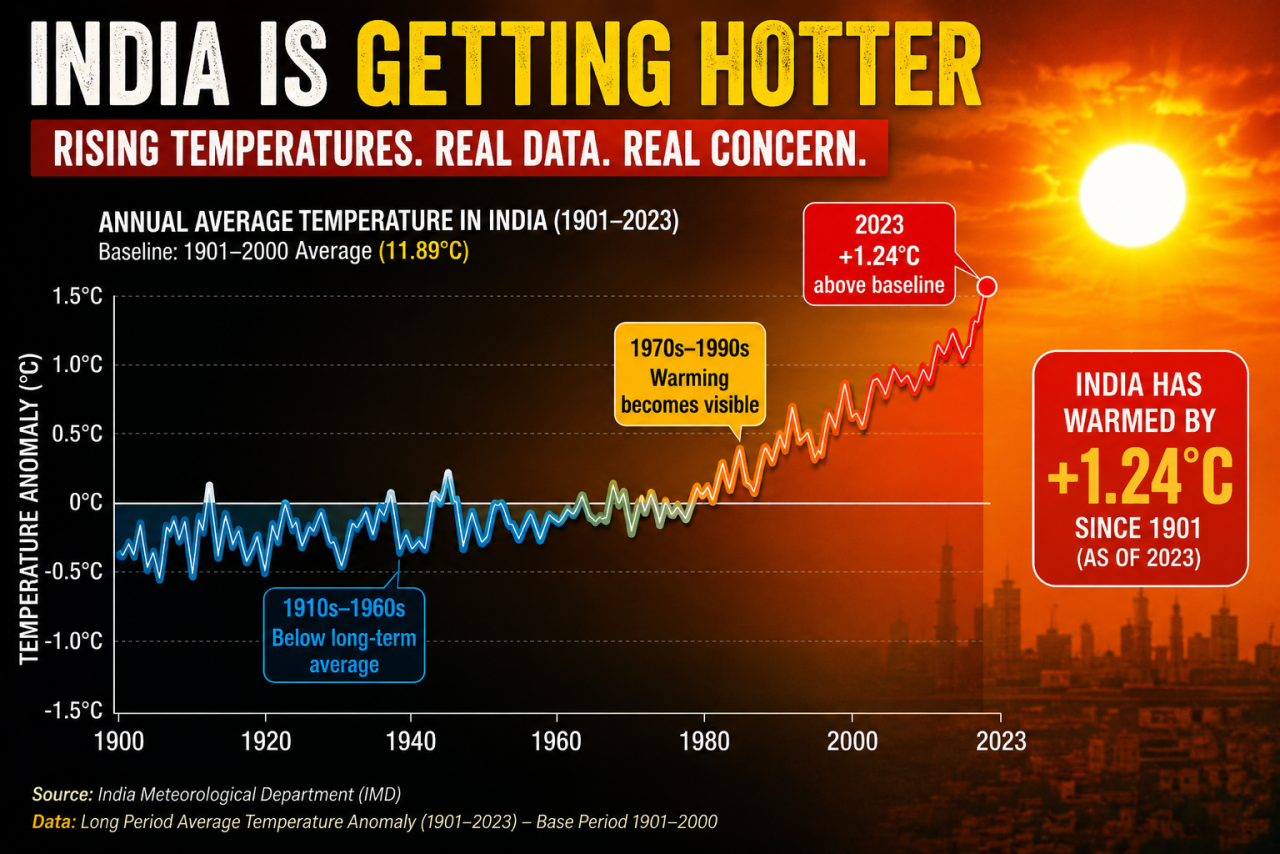
The concern is not only about the phenomenon itself but also about its interaction with a warming climate. Global temperatures are already near record levels, meaning that an El Niño event could push them even higher.
What Could It Mean for India's Monsoon?
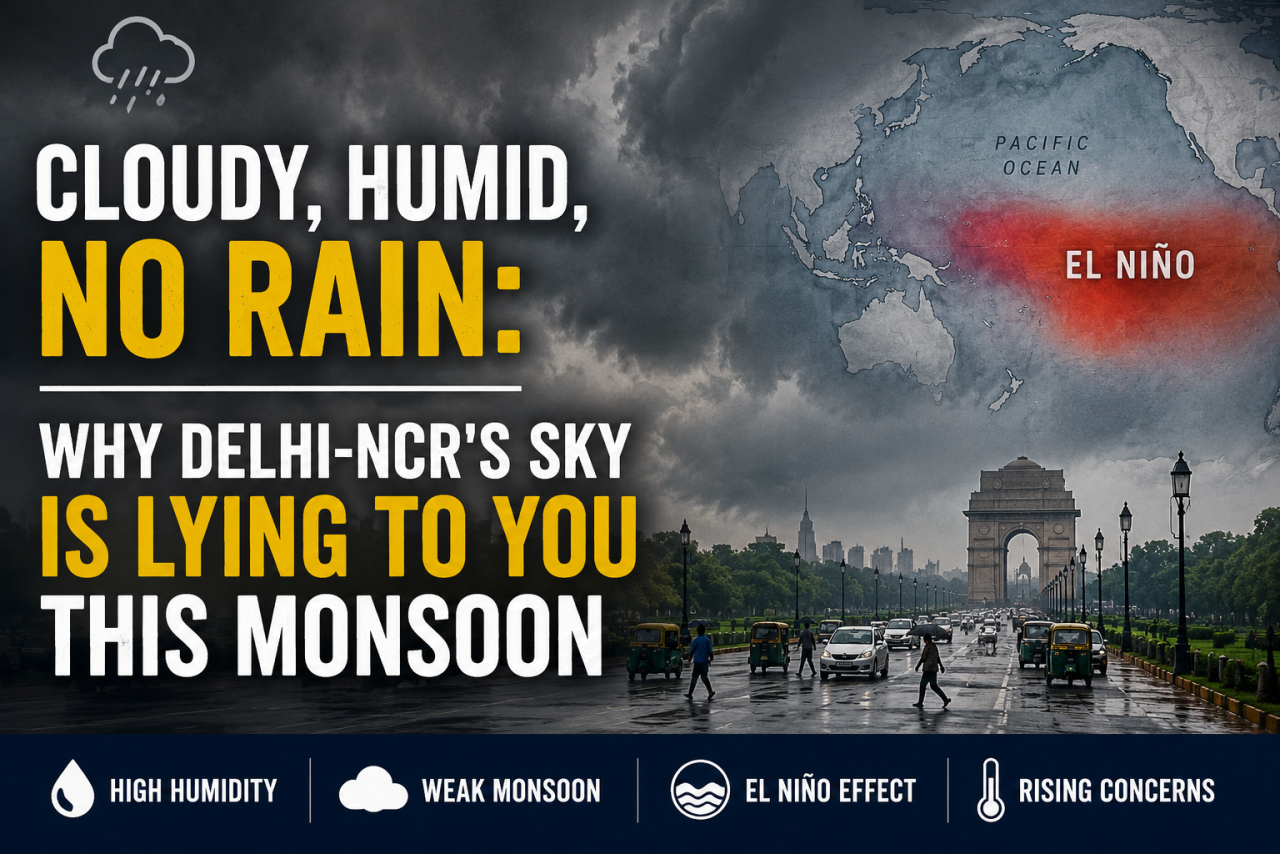
India receives nearly 70 percent of its annual rainfall during the southwest monsoon season, which generally runs from June to September. The monsoon is the backbone of the country's agricultural system and plays a critical role in food production, water availability, and rural incomes.
Historically, many weak monsoon years have coincided with El Niño events. While the relationship is not absolute, the chances of below-normal rainfall generally increase during El Niño years.
The WMO's seasonal outlook indicates that much of South Asia could receive less rainfall than usual if El Niño develops as expected. Some forecasts suggest that central regions of India may be particularly vulnerable to rainfall shortages.
A weaker monsoon can affect the country in several ways:
- Reduced crop yields, especially for rain-fed agriculture.
- Lower water levels in reservoirs and rivers.
- Increased pressure on drinking water supplies.
- Higher food prices due to lower agricultural production.
- Greater risk of prolonged heatwaves.
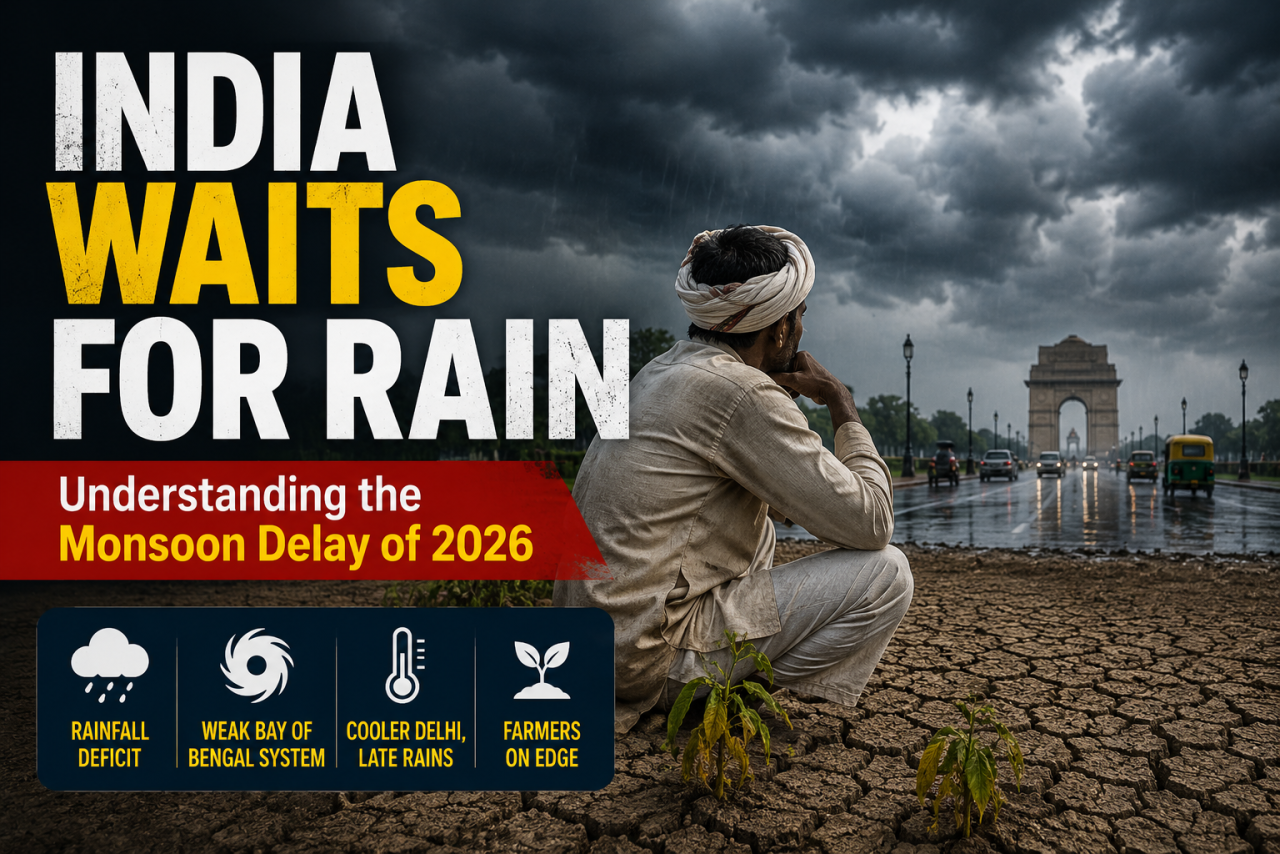
For millions of farmers who rely on seasonal rains, even a small rainfall deficit can have serious consequences.
Beyond Agriculture
The impact of a weak monsoon extends far beyond farms.
Lower rainfall can affect electricity generation from hydropower projects, reduce groundwater recharge, and increase the likelihood of water shortages in urban and rural areas. Industries that depend on water-intensive processes may also face challenges.
At the same time, hotter temperatures can create health risks, especially for outdoor workers, children, and the elderly. India has already witnessed severe heatwaves in recent years, and an El Niño event could make such conditions more frequent and intense.
A Global Climate Challenge
The effects of El Niño are not limited to India.
Scientists expect drier conditions in parts of Australia and Southeast Asia, while some regions of Africa may also experience below-average rainfall. In contrast, certain areas of the Americas could see heavier rainfall and increased flooding.
Warm Pacific waters can also influence hurricane activity and contribute to higher global temperatures.
The last major El Niño event in 2023–24 played a role in pushing global temperatures to record highs. Researchers fear that another strong event could further strain communities already coping with the effects of climate change.
Can the Impact Be Reduced?
While governments cannot prevent El Niño from occurring, they can reduce its impact through better planning.
Early weather warnings, efficient water management, drought preparedness, and support for farmers can help communities cope with changing conditions. Improved forecasting systems also allow authorities to take preventive measures before problems become severe.
India has made significant progress in weather forecasting over the past decade, but experts say continued investment in climate resilience will be essential as extreme weather events become more common.
Final Take
The WMO warning does not guarantee that India will face a weak monsoon or severe drought. Weather systems are complex, and many factors influence seasonal rainfall. However, the increasing probability of El Niño is a signal that cannot be ignored.
For policymakers, farmers, and ordinary citizens, the months ahead will require close attention to weather developments. The warming Pacific Ocean may be thousands of kilometers away, but its effects could be felt across India's fields, reservoirs, cities, and households.
As climate change intensifies weather extremes around the world, the approaching El Niño serves as another reminder that understanding and preparing for climate risks is no longer optional—it is a necessity.
The World Meteorological Organization (WMO) has issued a warning that has caught the attention of climate experts and governments around the world. According to the agency, there is an 80% chance that El Niño conditions will develop between June and August, with the likelihood rising to nearly 90% by November.
For India, where agriculture, water supplies, and rural livelihoods depend heavily on the monsoon, the warning is significant. While El Niño is a natural climate phenomenon, it has often been linked to weaker monsoon rains, hotter summers, and greater weather uncertainty.
As climate change continues to push global temperatures higher, the possible return of El Niño raises important questions about how prepared countries are for extreme weather.
What Exactly Is El Niño?
El Niño is a climate pattern that begins in the Pacific Ocean. It occurs when surface waters in the central and eastern Pacific become warmer than normal. Although this warming happens thousands of kilometers away from India, it can influence weather patterns across much of the world.
Under normal conditions, trade winds push warm ocean water westward toward Asia and Australia. During an El Niño event, these winds weaken, allowing warm water to spread eastward. This shift changes atmospheric circulation and affects rainfall, temperatures, and storm activity in different regions.
El Niño usually appears every two to seven years and can last anywhere from nine months to a year. It is part of a larger climate cycle known as the El Niño-Southern Oscillation (ENSO), which also includes the cooler La Niña phase.
Why Scientists Are Concerned
The latest WMO assessment suggests that ocean temperatures beneath the Pacific surface are already unusually warm. These conditions often act as fuel for the development of El Niño.
Climate models indicate that if the warming continues, the world could experience a moderate or even strong El Niño event in the coming months. Such events have historically been associated with droughts, heatwaves, floods, and disruptions to agriculture in various parts of the world.
WMO Secretary-General Celeste Saulo has urged governments to prepare for possible impacts, warning that El Niño could worsen drought conditions in some areas while increasing the risk of heavy rainfall and flooding in others.
The concern is not only about the phenomenon itself but also about its interaction with a warming climate. Global temperatures are already near record levels, meaning that an El Niño event could push them even higher.
What Could It Mean for India's Monsoon?
India receives nearly 70 percent of its annual rainfall during the southwest monsoon season, which generally runs from June to September. The monsoon is the backbone of the country's agricultural system and plays a critical role in food production, water availability, and rural incomes.
Historically, many weak monsoon years have coincided with El Niño events. While the relationship is not absolute, the chances of below-normal rainfall generally increase during El Niño years.
The WMO's seasonal outlook indicates that much of South Asia could receive less rainfall than usual if El Niño develops as expected. Some forecasts suggest that central regions of India may be particularly vulnerable to rainfall shortages.
A weaker monsoon can affect the country in several ways:
- Reduced crop yields, especially for rain-fed agriculture.
- Lower water levels in reservoirs and rivers.
- Increased pressure on drinking water supplies.
- Higher food prices due to lower agricultural production.
- Greater risk of prolonged heatwaves.
For millions of farmers who rely on seasonal rains, even a small rainfall deficit can have serious consequences.
Beyond Agriculture
The impact of a weak monsoon extends far beyond farms.
Lower rainfall can affect electricity generation from hydropower projects, reduce groundwater recharge, and increase the likelihood of water shortages in urban and rural areas. Industries that depend on water-intensive processes may also face challenges.
At the same time, hotter temperatures can create health risks, especially for outdoor workers, children, and the elderly. India has already witnessed severe heatwaves in recent years, and an El Niño event could make such conditions more frequent and intense.
A Global Climate Challenge
The effects of El Niño are not limited to India.
Scientists expect drier conditions in parts of Australia and Southeast Asia, while some regions of Africa may also experience below-average rainfall. In contrast, certain areas of the Americas could see heavier rainfall and increased flooding.
Warm Pacific waters can also influence hurricane activity and contribute to higher global temperatures.
The last major El Niño event in 2023–24 played a role in pushing global temperatures to record highs. Researchers fear that another strong event could further strain communities already coping with the effects of climate change.
Can the Impact Be Reduced?
While governments cannot prevent El Niño from occurring, they can reduce its impact through better planning.
Early weather warnings, efficient water management, drought preparedness, and support for farmers can help communities cope with changing conditions. Improved forecasting systems also allow authorities to take preventive measures before problems become severe.
India has made significant progress in weather forecasting over the past decade, but experts say continued investment in climate resilience will be essential as extreme weather events become more common.
Final Take
The WMO warning does not guarantee that India will face a weak monsoon or severe drought. Weather systems are complex, and many factors influence seasonal rainfall. However, the increasing probability of El Niño is a signal that cannot be ignored.
For policymakers, farmers, and ordinary citizens, the months ahead will require close attention to weather developments. The warming Pacific Ocean may be thousands of kilometers away, but its effects could be felt across India's fields, reservoirs, cities, and households.
As climate change intensifies weather extremes around the world, the approaching El Niño serves as another reminder that understanding and preparing for climate risks is no longer optional—it is a necessity.























Leave a Comment