
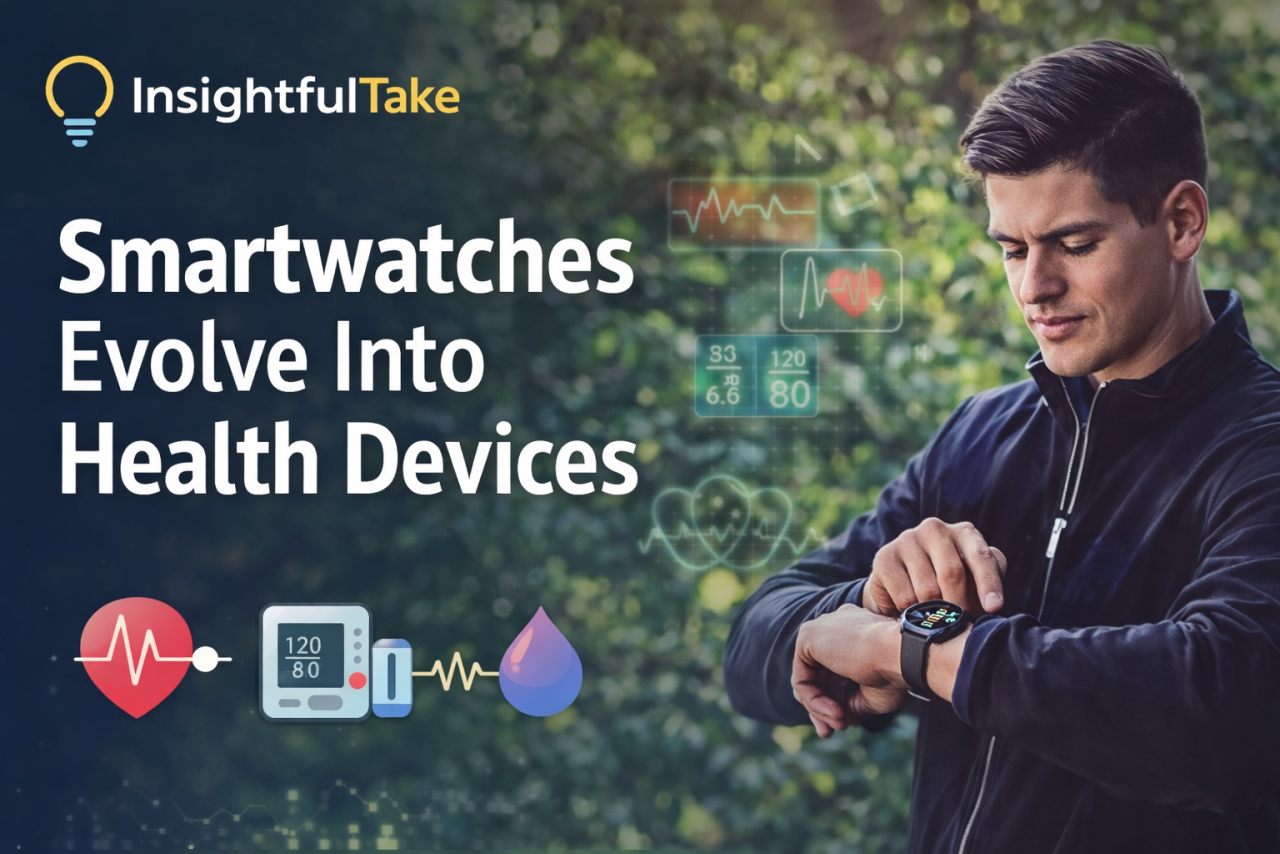
Not long ago, a smartwatch was little more than an extension of the smartphone on your wrist—useful for notifications, step counts, and the occasional fitness goal. Today, that perception is changing rapidly. Smartwatches are steadily moving into the territory of medical-grade health devices, and this shift is beginning to reshape how people monitor, understand, and respond to their own bodies.
The change is driven by a growing focus on preventive healthcare. Instead of waiting for symptoms to become severe enough for a doctor’s visit, users are increasingly relying on wearable devices to flag early warning signs. Features such as heart-rate monitoring, blood oxygen measurement, sleep tracking, and electrocardiogram (ECG) readings are no longer niche additions; they are becoming central selling points. The conversation around smartwatches has shifted from lifestyle convenience to long-term health management.
One of the most significant developments is the gradual integration of blood pressure and hypertension-related tracking. Hypertension is often called a “silent killer” because it develops without obvious symptoms while quietly damaging the heart, brain, and kidneys. Continuous or frequent monitoring through wearables could help users identify irregular patterns earlier than traditional annual check-ups. While these features still require regulatory approvals in many regions, their potential impact is hard to ignore.
India, in particular, sits at an interesting crossroads in this evolution. The country accounts for a modest share of the global wearable healthcare market today, but its growth potential is substantial. A young, tech-savvy population, rising awareness about fitness, and increasing concern over lifestyle diseases have created fertile ground for expansion. Even as overall smartwatch sales have faced fluctuations, interest in health-focused features continues to rise.
Market estimates suggest that wearable healthcare is on a strong upward trajectory globally, with India expected to play a larger role in the coming years. Despite a recent slowdown in general smartwatch shipments, the healthcare segment remains resilient. Consumers appear more willing to invest in devices that offer tangible health benefits rather than purely cosmetic or notification-based features.
The regulatory landscape, however, remains a critical factor. Health-related features require approval from authorities such as India’s Central Drugs Standard Control Organisation (CDSCO). This process is essential to ensure accuracy, safety, and reliability—especially when devices claim to monitor conditions that can have serious medical consequences. Some global brands have already received approvals for select features in certain markets, while others are still awaiting clearance in India. Until then, several advanced functions remain inactive or limited for Indian users.
Competition in this space is intensifying. Global technology giants, traditional electronics manufacturers, and emerging Chinese brands are all vying for a slice of the health wearable market. While premium brands focus on clinical-grade accuracy and ecosystem integration, mass-market players are working to make health tracking affordable and accessible. This combination could accelerate adoption across income groups, particularly if insurance providers and healthcare systems begin to recognize wearable data as a supplementary health tool.
Another notable shift is how these devices are changing user behavior. Instead of reacting to illness, people are becoming more proactive. Daily trends—such as resting heart rate, sleep quality, or stress indicators—encourage small but meaningful lifestyle adjustments. Over time, this continuous feedback loop can foster better health awareness and accountability.
That said, smartwatches are not replacements for doctors or diagnostic equipment. Their real value lies in early detection, trend analysis, and awareness. Used responsibly, they can act as a first line of insight, prompting timely medical consultation when something appears off.
As smartwatches continue evolving into health companions, the line between consumer electronics and medical devices is blurring. What once told time now tells stories about the heart, lungs, and sleep cycles. In a world grappling with rising lifestyle diseases and overstretched healthcare systems, this quiet transformation on the wrist may prove to be one of the most significant shifts in personal health management.























Leave a Comment