
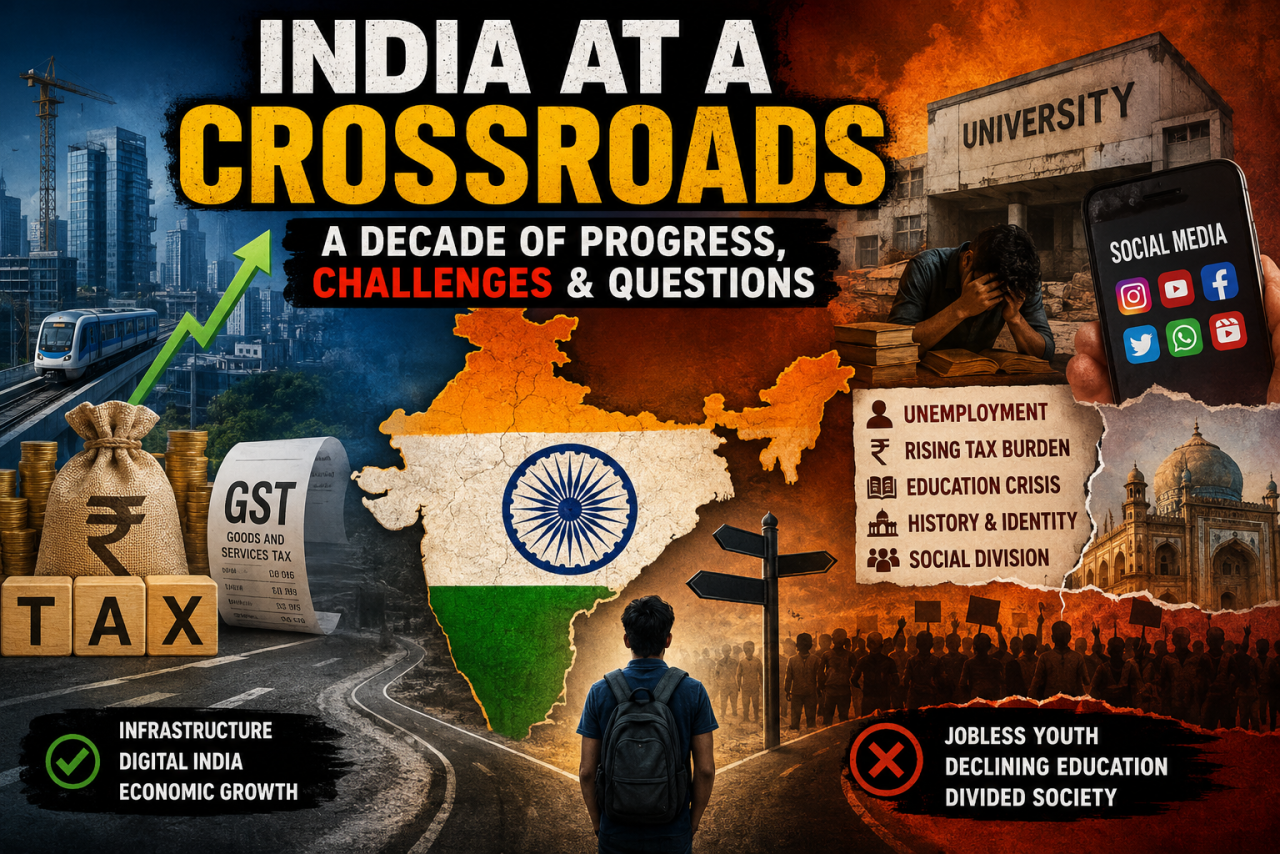
Has India become stronger or more divided over the past decade? A balanced analysis of growth, governance, jobs, education, and society.
Over the past decade, India has witnessed rapid political, economic, and social changes. Supporters of the government describe this period as one of strong leadership, digital transformation, improved infrastructure, and greater global recognition. Critics, however, argue that these achievements have come alongside rising unemployment, increasing financial pressure on ordinary citizens, declining quality in education, and growing social divisions.
Every decade leaves behind its own legacy. The years before 2014 were marked by high economic growth in several phases but were also overshadowed by major corruption scandals, policy paralysis, and weak public confidence in governance. The decade that followed promised cleaner administration and faster development. While corruption scandals involving the central government became far less prominent, new debates emerged over employment, taxation, education, freedom of expression, and the country's social fabric.
The Changing Tax Burden
One of the biggest changes has been the growing role of ordinary citizens in tax collection. The introduction of the Goods and Services Tax (GST) created a unified indirect tax system and simplified many aspects of taxation. Digital payments and better compliance have also expanded the tax base.
However, many middle-class families and small businesses believe that the burden of indirect taxes has increased. Unlike income tax, indirect taxes affect everyone regardless of income level because they are paid while purchasing goods and services. Rising fuel prices, higher costs of daily necessities, and inflation have added to the financial pressure. While the government argues that these taxes fund infrastructure, welfare schemes, and national development, many households feel that their disposable income has declined.
The debate today is not whether taxes should exist, but whether the burden is being shared fairly across different sections of society.
The Persistent Employment Challenge
Perhaps the most widely discussed issue is unemployment, particularly among educated youth. India produces millions of graduates every year, yet many struggle to find stable and well-paying jobs.
Government initiatives such as Startup India, Skill India, Digital India, and Make in India have encouraged entrepreneurship and investment. The expansion of digital services has also created new opportunities in technology, logistics, and e-commerce.
Yet these gains have not fully addressed the demand for secure employment. Recruitment delays in government departments, increasing competition for limited public sector jobs, and concerns over job quality in the private sector continue to dominate public discussions. Many young people now spend years preparing for competitive examinations without certainty of employment.
Economic growth alone does not guarantee employment. The quality and quantity of jobs remain equally important.
Education: Quantity Without Quality?
India's education system has expanded significantly over the past decade. New universities, private colleges, online learning platforms, and digital classrooms have increased access to education.
However, access does not always translate into learning. Employers frequently report that many graduates lack practical skills needed in today's workplace. This gap between education and employability has become one of the country's biggest concerns.
Social media has further transformed how young people consume information. Platforms such as YouTube, Instagram, and X have become sources of news, political opinions, financial advice, and even historical interpretation. While these platforms democratize information, they also spread misinformation and encourage superficial understanding.
As a result, many observers argue that "social media has become the new university, while universities are struggling to produce industry-ready graduates." This statement may be an exaggeration, but it reflects growing concern over declining academic standards and increasing dependence on online influencers for knowledge.
History, Identity, and National Narratives
Another defining feature of the past decade has been the debate over history and national identity.
The government has promoted a stronger emphasis on India's ancient civilization, indigenous traditions, and cultural heritage. Supporters believe this corrects historical neglect and restores pride in India's past.
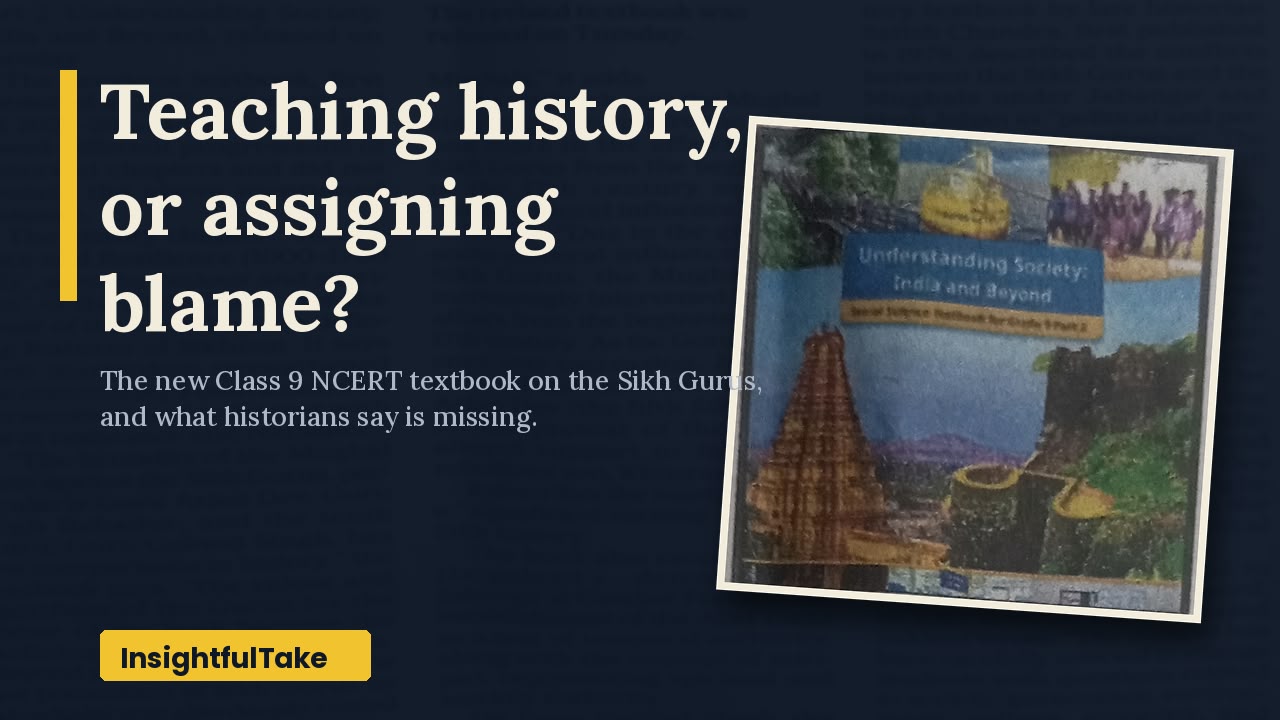
Critics, however, argue that some revisions of textbooks, public discourse, and political messaging place disproportionate emphasis on highlighting conflicts involving Muslim rulers while underplaying centuries of cultural exchange, scientific contributions, and shared heritage. They fear that reducing history to religious identities oversimplifies a complex past and risks deepening social divisions.
History should encourage critical thinking rather than reinforce political positions. A balanced understanding requires acknowledging both achievements and injustices across different periods without turning history into a tool for present-day polarization.
The Fight Against Corruption
Compared with the previous decade, one noticeable change has been the reduced visibility of large-scale corruption scandals involving the central government. Before 2014, cases such as the 2G spectrum allocation controversy, the Commonwealth Games controversy, and coal block allocation disputes dominated national headlines and weakened public trust.
Since then, digital governance, direct benefit transfers, online procurement, and Aadhaar-linked welfare systems have improved transparency in many areas. These reforms have reduced leakages in several government programmes.
However, corruption has not disappeared entirely. Allegations continue to arise at state and local levels, and concerns remain regarding transparency in political funding, electoral finance, and institutional accountability. Therefore, while the nature of corruption may have changed, the need for strong oversight remains.
Democracy in the Digital Age
The past decade has also transformed political communication. Election campaigns now rely heavily on social media, digital advertising, and online influencers. Citizens receive information instantly, but they are also exposed to misinformation, political polarization, and emotionally charged narratives.
The speed of digital communication has often replaced thoughtful public debate with quick reactions. Democracy benefits when citizens evaluate evidence rather than simply forwarding messages that confirm their existing beliefs.
Final Take
India stands at an important turning point. It has become one of the world's fastest-growing major economies, expanded its digital infrastructure, strengthened its global standing, and invested heavily in roads, railways, airports, and technology.
At the same time, unemployment, educational quality, rising living costs, and social cohesion remain significant challenges. Economic growth must be accompanied by opportunities that improve the lives of ordinary citizens. Educational reforms must focus not only on enrollment but also on learning outcomes and employable skills. Public discourse should encourage informed debate rather than deepen divisions.
Every decade presents new achievements and new shortcomings. The previous decade highlighted the dangers of corruption and governance failures. The current decade has raised equally important questions about employment, taxation, education, and social harmony.
Ultimately, India's future will not be determined solely by economic indicators or election results. It will depend on whether the nation can combine growth with justice, development with inclusion, and national pride with constitutional values. A democracy grows stronger when it welcomes questions, values evidence, and remains committed to improving the lives of all its citizens.
Over the past decade, India has witnessed rapid political, economic, and social changes. Supporters of the government describe this period as one of strong leadership, digital transformation, improved infrastructure, and greater global recognition. Critics, however, argue that these achievements have come alongside rising unemployment, increasing financial pressure on ordinary citizens, declining quality in education, and growing social divisions.
Every decade leaves behind its own legacy. The years before 2014 were marked by high economic growth in several phases but were also overshadowed by major corruption scandals, policy paralysis, and weak public confidence in governance. The decade that followed promised cleaner administration and faster development. While corruption scandals involving the central government became far less prominent, new debates emerged over employment, taxation, education, freedom of expression, and the country's social fabric.
The Changing Tax Burden
One of the biggest changes has been the growing role of ordinary citizens in tax collection. The introduction of the Goods and Services Tax (GST) created a unified indirect tax system and simplified many aspects of taxation. Digital payments and better compliance have also expanded the tax base.
However, many middle-class families and small businesses believe that the burden of indirect taxes has increased. Unlike income tax, indirect taxes affect everyone regardless of income level because they are paid while purchasing goods and services. Rising fuel prices, higher costs of daily necessities, and inflation have added to the financial pressure. While the government argues that these taxes fund infrastructure, welfare schemes, and national development, many households feel that their disposable income has declined.
The debate today is not whether taxes should exist, but whether the burden is being shared fairly across different sections of society.
The Persistent Employment Challenge
Perhaps the most widely discussed issue is unemployment, particularly among educated youth. India produces millions of graduates every year, yet many struggle to find stable and well-paying jobs.
Government initiatives such as Startup India, Skill India, Digital India, and Make in India have encouraged entrepreneurship and investment. The expansion of digital services has also created new opportunities in technology, logistics, and e-commerce.
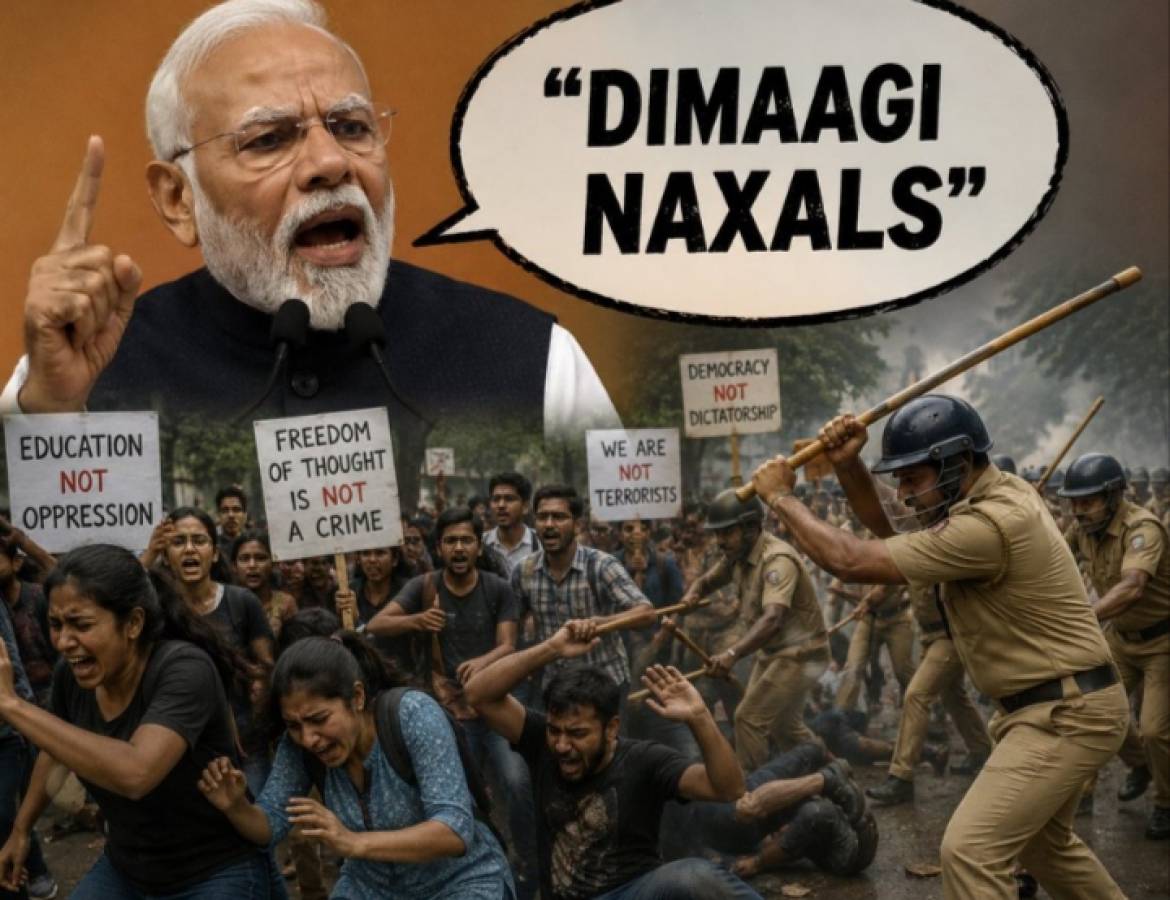
Yet these gains have not fully addressed the demand for secure employment. Recruitment delays in government departments, increasing competition for limited public sector jobs, and concerns over job quality in the private sector continue to dominate public discussions. Many young people now spend years preparing for competitive examinations without certainty of employment.
Economic growth alone does not guarantee employment. The quality and quantity of jobs remain equally important.
Education: Quantity Without Quality?
India's education system has expanded significantly over the past decade. New universities, private colleges, online learning platforms, and digital classrooms have increased access to education.
However, access does not always translate into learning. Employers frequently report that many graduates lack practical skills needed in today's workplace. This gap between education and employability has become one of the country's biggest concerns.
Social media has further transformed how young people consume information. Platforms such as YouTube, Instagram, and X have become sources of news, political opinions, financial advice, and even historical interpretation. While these platforms democratize information, they also spread misinformation and encourage superficial understanding.
As a result, many observers argue that "social media has become the new university, while universities are struggling to produce industry-ready graduates." This statement may be an exaggeration, but it reflects growing concern over declining academic standards and increasing dependence on online influencers for knowledge.
History, Identity, and National Narratives
Another defining feature of the past decade has been the debate over history and national identity.
The government has promoted a stronger emphasis on India's ancient civilization, indigenous traditions, and cultural heritage. Supporters believe this corrects historical neglect and restores pride in India's past.
Critics, however, argue that some revisions of textbooks, public discourse, and political messaging place disproportionate emphasis on highlighting conflicts involving Muslim rulers while underplaying centuries of cultural exchange, scientific contributions, and shared heritage. They fear that reducing history to religious identities oversimplifies a complex past and risks deepening social divisions.
History should encourage critical thinking rather than reinforce political positions. A balanced understanding requires acknowledging both achievements and injustices across different periods without turning history into a tool for present-day polarization.
The Fight Against Corruption
Compared with the previous decade, one noticeable change has been the reduced visibility of large-scale corruption scandals involving the central government. Before 2014, cases such as the 2G spectrum allocation controversy, the Commonwealth Games controversy, and coal block allocation disputes dominated national headlines and weakened public trust.
Since then, digital governance, direct benefit transfers, online procurement, and Aadhaar-linked welfare systems have improved transparency in many areas. These reforms have reduced leakages in several government programmes.
However, corruption has not disappeared entirely. Allegations continue to arise at state and local levels, and concerns remain regarding transparency in political funding, electoral finance, and institutional accountability. Therefore, while the nature of corruption may have changed, the need for strong oversight remains.
Democracy in the Digital Age
The past decade has also transformed political communication. Election campaigns now rely heavily on social media, digital advertising, and online influencers. Citizens receive information instantly, but they are also exposed to misinformation, political polarization, and emotionally charged narratives.
The speed of digital communication has often replaced thoughtful public debate with quick reactions. Democracy benefits when citizens evaluate evidence rather than simply forwarding messages that confirm their existing beliefs.
Final Take
India stands at an important turning point. It has become one of the world's fastest-growing major economies, expanded its digital infrastructure, strengthened its global standing, and invested heavily in roads, railways, airports, and technology.
At the same time, unemployment, educational quality, rising living costs, and social cohesion remain significant challenges. Economic growth must be accompanied by opportunities that improve the lives of ordinary citizens. Educational reforms must focus not only on enrollment but also on learning outcomes and employable skills. Public discourse should encourage informed debate rather than deepen divisions.
Every decade presents new achievements and new shortcomings. The previous decade highlighted the dangers of corruption and governance failures. The current decade has raised equally important questions about employment, taxation, education, and social harmony.
Ultimately, India's future will not be determined solely by economic indicators or election results. It will depend on whether the nation can combine growth with justice, development with inclusion, and national pride with constitutional values. A democracy grows stronger when it welcomes questions, values evidence, and remains committed to improving the lives of all its citizens.


















Leave a Comment