
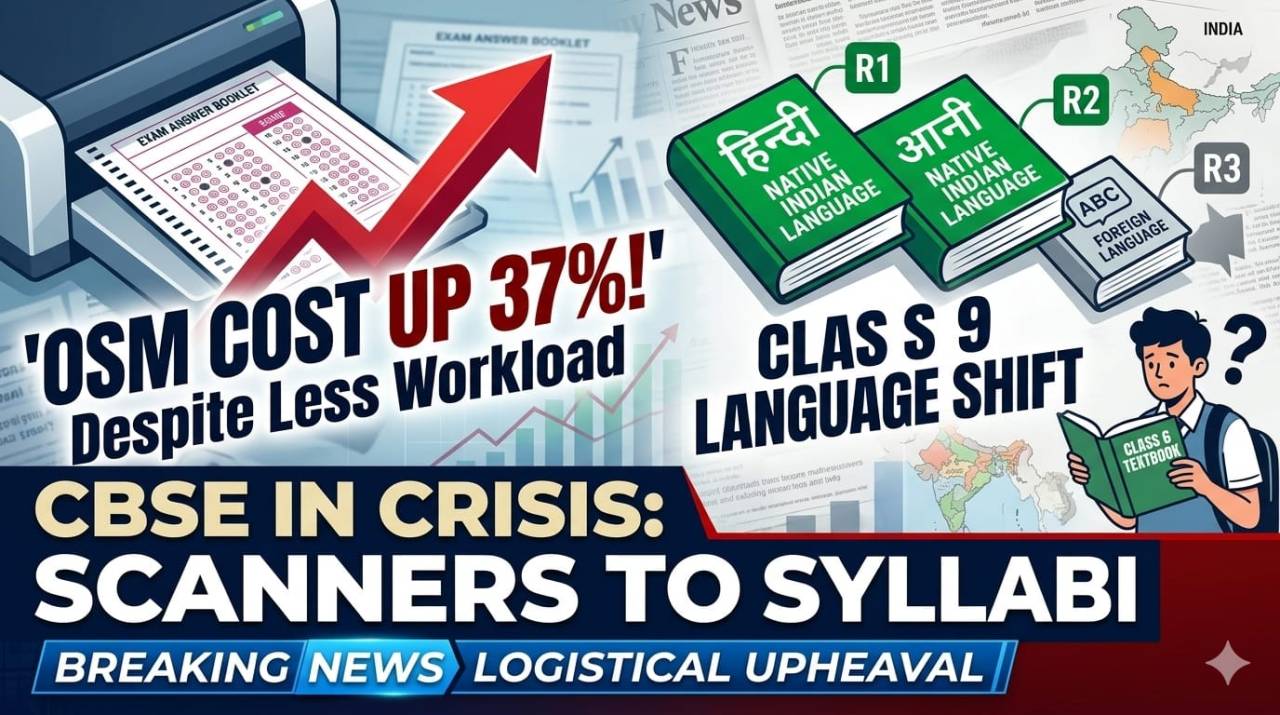
As CBSE pushes ahead with digital evaluation and sweeping curriculum reforms, questions are being raised over rising project costs, technical failures, and the sudden implementation of a three-language mandate that has left schools racing to adapt.
The Central Board of Secondary Education (CBSE) is facing growing scrutiny from educators, student groups, and policy experts as concerns emerge over both its digital evaluation system and the sudden implementation of a revised language policy.
Over the past few weeks, questions have been raised about the financial management and technical performance of the board's On-Screen Marking (OSM) system. At the same time, schools across the country are grappling with the accelerated rollout of the three-language formula for Class 9 students. Together, these developments highlight the challenges of balancing educational reform with effective implementation.
Questions Over On-Screen Marking Costs and Execution
The CBSE's transition to On-Screen Marking was introduced to modernize the evaluation process, improve efficiency, and reduce the possibility of manual errors. However, the project has now become the subject of controversy.
The digital evaluation contract was awarded to Hyderabad-based Coempt Edu Teck Private Limited on December 5, 2025. According to internal board documents, the project's financial structure changed significantly between the tender stage and final execution.
A Sharp Increase in Contract Value
Initial tender estimates placed the project cost at approximately ₹28 crore, based on the expected evaluation of 23.8 million answer scripts from both Class 10 and Class 12 board examinations.
However, when the final work order was issued, the contract value had increased by nearly 37 percent, reaching ₹38.46 crore.
The issue became more contentious because the OSM system was ultimately implemented only for Class 12 examinations, reducing the actual workload to 9.86 million answer booklets—around 42 percent of the volume originally projected.
At the board-approved rate of ₹25.74 per booklet, the estimated payment for the work completed comes to approximately ₹25.39 crore. Critics have questioned why the contract value remained substantially higher despite the significant reduction in scope.
The matter has attracted public attention, including protests by student and youth organizations in several states.
Technical Standards Lowered During Tender Process
Concerns have also emerged regarding changes made to the project's technical specifications.
The original tender reportedly required automated robotic scanning systems and a scanning resolution of 300 DPI to ensure high-quality digital images of answer scripts. However, in later tender documents, the minimum scanning resolution was reduced to 200 DPI, while the requirement for robotic scanning was removed.
The impact of these changes became evident during the evaluation process.
Records indicate that 68,018 answer booklets had to be rescanned because of poor image quality. More significantly, 13,583 answer books reportedly suffered from persistent image blurring, forcing evaluators to revert to physical copies for assessment.
For a system designed to reduce manual intervention and improve efficiency, such figures raise concerns about operational reliability and quality control.
Class 9 Students Face Sudden Three-Language Mandate
While the evaluation system remains under scrutiny, schools are simultaneously dealing with the rapid implementation of a revised language policy.
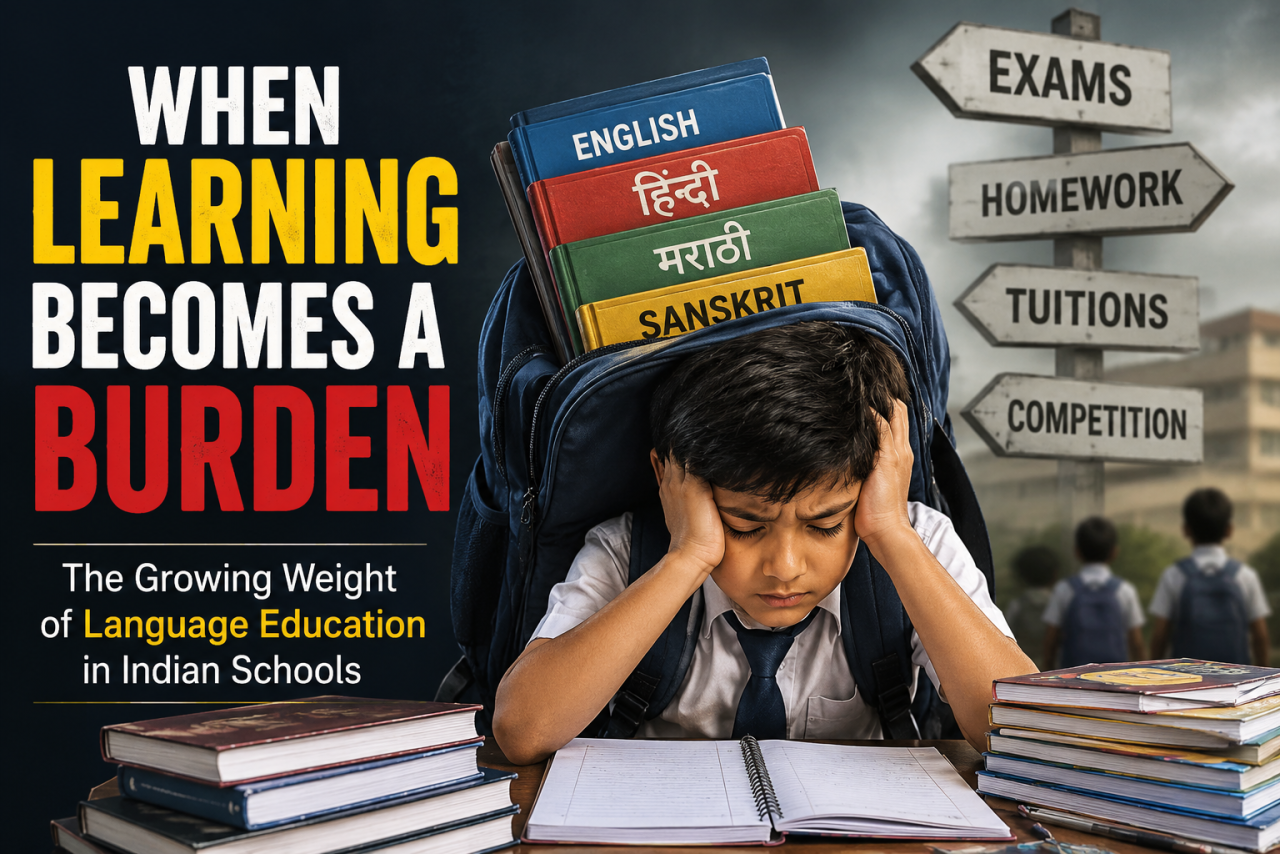
Through a circular issued on May 15, 2026, CBSE directed all schools to implement a mandatory three-language framework for Class 9 students from July 1, 2026.
Under the policy, students must study three languages, with at least two being Indian languages. Foreign languages can only be chosen as the third language (R3) or as an additional elective.
Language Category
Requirement
Effective Date
Assessment Method
R1 & R2
Must be Indian languages
July 1, 2026
Board-assessed
R3
Indian or foreign language
July 1, 2026
School-based assessment
Departure From Earlier Roadmap
The directive represents a significant departure from the implementation timeline outlined in the revised National Curriculum Framework (NCF), released on April 2, 2026.
The original roadmap proposed introducing the three-language formula gradually, beginning with Class 6 in the 2026–27 academic session and progressing one grade each year. Under that schedule, the first affected cohort would not have encountered the policy in Class 10 until 2030.
The decision to extend the requirement immediately to Class 9 has created several practical challenges.
Key Concerns Raised by Schools
Learning Gap: Many students entering Class 9 have studied a foreign language throughout middle school. Transitioning abruptly to a regional Indian language leaves them with limited foundational knowledge.
Textbook Availability: Since curriculum-aligned textbooks for several language streams are not yet available, schools have reportedly been advised to use Class 6 R3 textbooks as temporary learning material.
Teacher Shortages: Many urban schools face a shortage of qualified regional language teachers. As an interim measure, schools may assign teachers from other disciplines if they possess working proficiency in the required language.
CBSE Offers Examination Relief
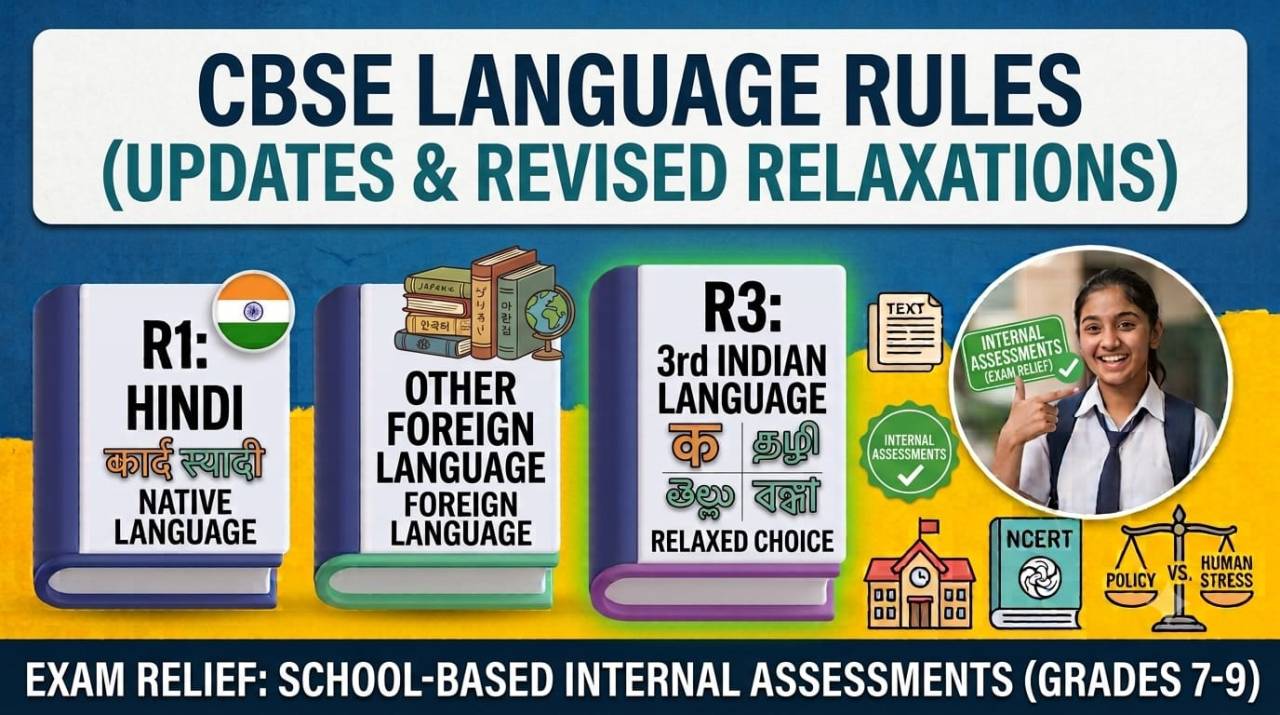
In response to concerns raised by schools and parents, CBSE has clarified that the newly introduced third language (R3) will not be included in the centralized Class 10 board examination.
Instead, assessment of R3 will be conducted entirely through internal school-based evaluation, ensuring that students are not disadvantaged in board examinations due to the abrupt policy change.
A Test of Reform and Implementation
The controversies surrounding the On-Screen Marking system and the accelerated language policy reveal broader challenges within India's largest school education board.
While CBSE continues to pursue modernization and align itself with the objectives of the National Education Policy, the success of these reforms will depend not only on policy intent but also on careful planning, transparent execution, and adequate support for schools and students.
As educational institutions scramble to adapt and questions continue to be raised about administrative decisions, the board faces a critical challenge: ensuring that ambitious reforms do not outpace the realities of implementation.
The Central Board of Secondary Education (CBSE) is facing growing scrutiny from educators, student groups, and policy experts as concerns emerge over both its digital evaluation system and the sudden implementation of a revised language policy.
Over the past few weeks, questions have been raised about the financial management and technical performance of the board's On-Screen Marking (OSM) system. At the same time, schools across the country are grappling with the accelerated rollout of the three-language formula for Class 9 students. Together, these developments highlight the challenges of balancing educational reform with effective implementation.
Questions Over On-Screen Marking Costs and Execution
The CBSE's transition to On-Screen Marking was introduced to modernize the evaluation process, improve efficiency, and reduce the possibility of manual errors. However, the project has now become the subject of controversy.
The digital evaluation contract was awarded to Hyderabad-based Coempt Edu Teck Private Limited on December 5, 2025. According to internal board documents, the project's financial structure changed significantly between the tender stage and final execution.
A Sharp Increase in Contract Value
Initial tender estimates placed the project cost at approximately ₹28 crore, based on the expected evaluation of 23.8 million answer scripts from both Class 10 and Class 12 board examinations.
However, when the final work order was issued, the contract value had increased by nearly 37 percent, reaching ₹38.46 crore.
The issue became more contentious because the OSM system was ultimately implemented only for Class 12 examinations, reducing the actual workload to 9.86 million answer booklets—around 42 percent of the volume originally projected.
At the board-approved rate of ₹25.74 per booklet, the estimated payment for the work completed comes to approximately ₹25.39 crore. Critics have questioned why the contract value remained substantially higher despite the significant reduction in scope.
The matter has attracted public attention, including protests by student and youth organizations in several states.
Technical Standards Lowered During Tender Process
Concerns have also emerged regarding changes made to the project's technical specifications.
The original tender reportedly required automated robotic scanning systems and a scanning resolution of 300 DPI to ensure high-quality digital images of answer scripts. However, in later tender documents, the minimum scanning resolution was reduced to 200 DPI, while the requirement for robotic scanning was removed.
The impact of these changes became evident during the evaluation process.
Records indicate that 68,018 answer booklets had to be rescanned because of poor image quality. More significantly, 13,583 answer books reportedly suffered from persistent image blurring, forcing evaluators to revert to physical copies for assessment.
For a system designed to reduce manual intervention and improve efficiency, such figures raise concerns about operational reliability and quality control.
Class 9 Students Face Sudden Three-Language Mandate
While the evaluation system remains under scrutiny, schools are simultaneously dealing with the rapid implementation of a revised language policy.
Through a circular issued on May 15, 2026, CBSE directed all schools to implement a mandatory three-language framework for Class 9 students from July 1, 2026.
Under the policy, students must study three languages, with at least two being Indian languages. Foreign languages can only be chosen as the third language (R3) or as an additional elective.
|
Language Category |
Requirement |
Effective Date |
Assessment Method |
|
R1 & R2 |
Must be Indian languages |
July 1, 2026 |
Board-assessed |
|
R3 |
Indian or foreign language |
July 1, 2026 |
School-based assessment |
Departure From Earlier Roadmap
The directive represents a significant departure from the implementation timeline outlined in the revised National Curriculum Framework (NCF), released on April 2, 2026.
The original roadmap proposed introducing the three-language formula gradually, beginning with Class 6 in the 2026–27 academic session and progressing one grade each year. Under that schedule, the first affected cohort would not have encountered the policy in Class 10 until 2030.
The decision to extend the requirement immediately to Class 9 has created several practical challenges.
Key Concerns Raised by Schools
Learning Gap: Many students entering Class 9 have studied a foreign language throughout middle school. Transitioning abruptly to a regional Indian language leaves them with limited foundational knowledge.
Textbook Availability: Since curriculum-aligned textbooks for several language streams are not yet available, schools have reportedly been advised to use Class 6 R3 textbooks as temporary learning material.
Teacher Shortages: Many urban schools face a shortage of qualified regional language teachers. As an interim measure, schools may assign teachers from other disciplines if they possess working proficiency in the required language.
CBSE Offers Examination Relief
In response to concerns raised by schools and parents, CBSE has clarified that the newly introduced third language (R3) will not be included in the centralized Class 10 board examination.
Instead, assessment of R3 will be conducted entirely through internal school-based evaluation, ensuring that students are not disadvantaged in board examinations due to the abrupt policy change.
A Test of Reform and Implementation
The controversies surrounding the On-Screen Marking system and the accelerated language policy reveal broader challenges within India's largest school education board.
While CBSE continues to pursue modernization and align itself with the objectives of the National Education Policy, the success of these reforms will depend not only on policy intent but also on careful planning, transparent execution, and adequate support for schools and students.
As educational institutions scramble to adapt and questions continue to be raised about administrative decisions, the board faces a critical challenge: ensuring that ambitious reforms do not outpace the realities of implementation.


















Leave a Comment