
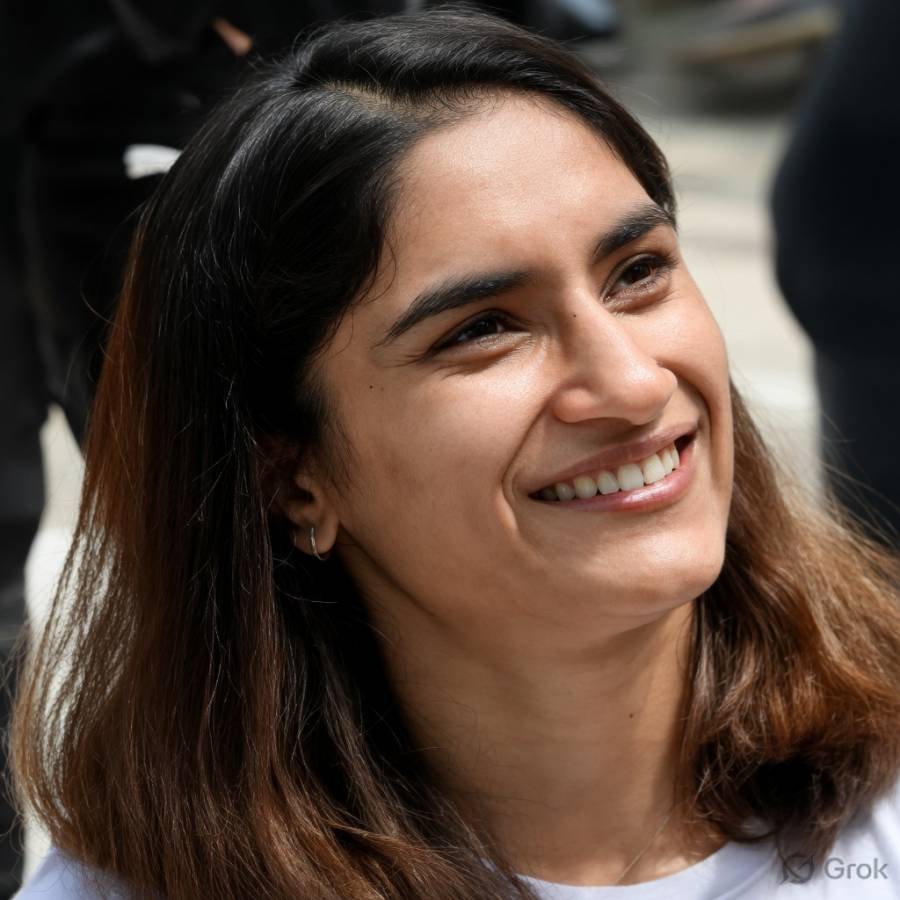
Can motherhood become a reason to deny an athlete the right to compete? The Vinesh Phogat case has sparked a national debate on fairness, gender justice, and the future of Indian sports governance.
In India, sports have long stood as a symbol of determination, national pride, and collective aspiration. From local tournaments to the grand stage of the Olympics, athletes dedicate years of sacrifice and discipline to bring glory to the nation. Yet, behind these moments of celebration lies a difficult reality—especially for women athletes who are often forced to balance demanding sporting careers with deeply personal milestones such as marriage, pregnancy, and motherhood.
A recent landmark judgment by the Delhi High Court in the case involving Vinesh Phogat has reignited an important national conversation: should motherhood or a career sabbatical become a barrier to an athlete’s right to compete?
The ruling has emerged as a defining moment not only for Indian sports administration but also for the broader debate surrounding gender justice, institutional accountability, and equal opportunity.
The Core of the Dispute
The controversy began when the Wrestling Federation of India introduced strict eligibility criteria for participation in the upcoming Asian Games selection trials. According to the federation’s policy, only wrestlers who had secured medals in recent designated tournaments, including the 2025 Nationals and the 2026 Federation Cup, would be allowed to participate in the trials.
For an accomplished athlete like Vinesh Phogat, this rule became a major obstacle. A two-time World Championship medalist and one of India’s most recognised wrestlers, Phogat had taken a break from active competition during her pregnancy, childbirth, and postpartum recovery. Since her maternity phase coincided with the qualification window, she could not participate in the required tournaments, effectively excluding her from the Asian Games trials.
Phogat challenged the decision before the court, arguing that the selection policy unfairly penalised her for taking maternity leave. In response, the federation defended its rules as uniform and non-discriminatory. The WFI also referred to her disqualification during the 2024 Paris Olympics due to weight-related issues and raised concerns regarding procedural formalities linked to her return to competitive wrestling.
The Delhi High Court’s Landmark Observation
Initially, a single-judge bench declined Phogat’s request to participate in the trials. However, upon appeal, a division bench comprising Chief Justice D.K. Upadhyaya and Justice Tejas Karia overturned the earlier decision in a strongly worded judgment.
The court observed that the federation’s rigid criteria were “exclusionary in nature” because they provided no flexibility for considering the achievements and legacy of accomplished athletes. More significantly, the bench highlighted that the policy directly disadvantaged a female athlete due to maternity-related absence.
The court reaffirmed a crucial legal principle:
“Due to maternity, a woman cannot be prejudiced in any manner in terms of her employment, career, ranking, and promotion during that period.”
The bench also criticised the federation’s conduct, describing its approach as “retrograde” and overly rigid. According to the court, sports administration should function as a system that nurtures talent rather than creating inflexible barriers that prevent deserving athletes from competing.
Transparency and Fair Play
While allowing Phogat to participate in the Asian Games trials, the court also took important steps to preserve fairness and transparency in the selection process.
The division bench directed that:
- The entire selection trial process must be fully videotaped.
- Independent observers from the Sports Authority of India and the Indian Olympic Association should oversee the proceedings.
- The selection process must remain strictly merit-based and free from bias.
These directions ensured that the athlete received a fair opportunity without compromising the integrity of the trials.
A Larger Debate on Gender Justice
Beyond wrestling, the case reflects a much larger social issue concerning how institutions respond to women balancing professional ambitions with motherhood.
In sociology and constitutional studies, equality does not simply mean applying identical rules to everyone regardless of circumstance. Genuine equality often requires recognising structural differences and providing reasonable accommodation where necessary. Pregnancy and childbirth are biological realities that demand physical recovery and emotional adjustment. Penalising women athletes for taking maternity leave effectively forces them to choose between motherhood and their professional dreams.
This runs contrary to the spirit of constitutional equality and workplace dignity.
The judgment also highlights the responsibility of sports federations as custodians of national talent. Selection policies should not become rigid gatekeeping mechanisms. Instead, they must remain flexible enough to accommodate exceptional circumstances such as maternity leave, long-term injuries, or recovery breaks while still maintaining competitive standards.
Countries aspiring to become global sporting powers cannot afford to lose elite athletes due to outdated administrative mindsets.
Why This Judgment Matters
The Delhi High Court’s intervention is significant because it sets a progressive precedent for the future of Indian sports governance. It recognises that maternity is not a professional weakness or a disqualification. Instead, it is a natural phase of life that institutions must accommodate with empathy and fairness.
The ruling also sends a powerful message to young women athletes across India—that motherhood should never end their aspirations or erase years of hard-earned achievement.
As India continues investing heavily in sports infrastructure and international performance, reforms in sports administration are equally necessary. Transparent governance, athlete-centric policies, and gender-sensitive regulations are essential if the country truly wishes to create an inclusive sporting ecosystem.
Final Take
The Vinesh Phogat case is not merely about one wrestler seeking entry into a trial. It represents a larger struggle for dignity, fairness, and equal opportunity in Indian sports.
The judgment by the Delhi High Court reminds us that institutions must evolve alongside society. Rules designed without empathy often end up excluding the very individuals they are meant to support.
Motherhood should never be treated as a career interruption that permanently sidelines women athletes. Instead, it must be recognised as a reality that deserves institutional support, respect, and accommodation.
As India moves forward in its sporting journey, the true measure of progress will not only be medals won but also how fairly and compassionately the system treats its athletes.
In India, sports have long stood as a symbol of determination, national pride, and collective aspiration. From local tournaments to the grand stage of the Olympics, athletes dedicate years of sacrifice and discipline to bring glory to the nation. Yet, behind these moments of celebration lies a difficult reality—especially for women athletes who are often forced to balance demanding sporting careers with deeply personal milestones such as marriage, pregnancy, and motherhood.
A recent landmark judgment by the Delhi High Court in the case involving Vinesh Phogat has reignited an important national conversation: should motherhood or a career sabbatical become a barrier to an athlete’s right to compete?
The ruling has emerged as a defining moment not only for Indian sports administration but also for the broader debate surrounding gender justice, institutional accountability, and equal opportunity.
The Core of the Dispute
The controversy began when the Wrestling Federation of India introduced strict eligibility criteria for participation in the upcoming Asian Games selection trials. According to the federation’s policy, only wrestlers who had secured medals in recent designated tournaments, including the 2025 Nationals and the 2026 Federation Cup, would be allowed to participate in the trials.
For an accomplished athlete like Vinesh Phogat, this rule became a major obstacle. A two-time World Championship medalist and one of India’s most recognised wrestlers, Phogat had taken a break from active competition during her pregnancy, childbirth, and postpartum recovery. Since her maternity phase coincided with the qualification window, she could not participate in the required tournaments, effectively excluding her from the Asian Games trials.
Phogat challenged the decision before the court, arguing that the selection policy unfairly penalised her for taking maternity leave. In response, the federation defended its rules as uniform and non-discriminatory. The WFI also referred to her disqualification during the 2024 Paris Olympics due to weight-related issues and raised concerns regarding procedural formalities linked to her return to competitive wrestling.
The Delhi High Court’s Landmark Observation
Initially, a single-judge bench declined Phogat’s request to participate in the trials. However, upon appeal, a division bench comprising Chief Justice D.K. Upadhyaya and Justice Tejas Karia overturned the earlier decision in a strongly worded judgment.
The court observed that the federation’s rigid criteria were “exclusionary in nature” because they provided no flexibility for considering the achievements and legacy of accomplished athletes. More significantly, the bench highlighted that the policy directly disadvantaged a female athlete due to maternity-related absence.
The court reaffirmed a crucial legal principle:
“Due to maternity, a woman cannot be prejudiced in any manner in terms of her employment, career, ranking, and promotion during that period.”
The bench also criticised the federation’s conduct, describing its approach as “retrograde” and overly rigid. According to the court, sports administration should function as a system that nurtures talent rather than creating inflexible barriers that prevent deserving athletes from competing.
Transparency and Fair Play
While allowing Phogat to participate in the Asian Games trials, the court also took important steps to preserve fairness and transparency in the selection process.
The division bench directed that:
- The entire selection trial process must be fully videotaped.
- Independent observers from the Sports Authority of India and the Indian Olympic Association should oversee the proceedings.
- The selection process must remain strictly merit-based and free from bias.
These directions ensured that the athlete received a fair opportunity without compromising the integrity of the trials.
A Larger Debate on Gender Justice
Beyond wrestling, the case reflects a much larger social issue concerning how institutions respond to women balancing professional ambitions with motherhood.
In sociology and constitutional studies, equality does not simply mean applying identical rules to everyone regardless of circumstance. Genuine equality often requires recognising structural differences and providing reasonable accommodation where necessary. Pregnancy and childbirth are biological realities that demand physical recovery and emotional adjustment. Penalising women athletes for taking maternity leave effectively forces them to choose between motherhood and their professional dreams.
This runs contrary to the spirit of constitutional equality and workplace dignity.
The judgment also highlights the responsibility of sports federations as custodians of national talent. Selection policies should not become rigid gatekeeping mechanisms. Instead, they must remain flexible enough to accommodate exceptional circumstances such as maternity leave, long-term injuries, or recovery breaks while still maintaining competitive standards.
Countries aspiring to become global sporting powers cannot afford to lose elite athletes due to outdated administrative mindsets.
Why This Judgment Matters
The Delhi High Court’s intervention is significant because it sets a progressive precedent for the future of Indian sports governance. It recognises that maternity is not a professional weakness or a disqualification. Instead, it is a natural phase of life that institutions must accommodate with empathy and fairness.
The ruling also sends a powerful message to young women athletes across India—that motherhood should never end their aspirations or erase years of hard-earned achievement.
As India continues investing heavily in sports infrastructure and international performance, reforms in sports administration are equally necessary. Transparent governance, athlete-centric policies, and gender-sensitive regulations are essential if the country truly wishes to create an inclusive sporting ecosystem.
Final Take
The Vinesh Phogat case is not merely about one wrestler seeking entry into a trial. It represents a larger struggle for dignity, fairness, and equal opportunity in Indian sports.
The judgment by the Delhi High Court reminds us that institutions must evolve alongside society. Rules designed without empathy often end up excluding the very individuals they are meant to support.
Motherhood should never be treated as a career interruption that permanently sidelines women athletes. Instead, it must be recognised as a reality that deserves institutional support, respect, and accommodation.
As India moves forward in its sporting journey, the true measure of progress will not only be medals won but also how fairly and compassionately the system treats its athletes.


















Leave a Comment