
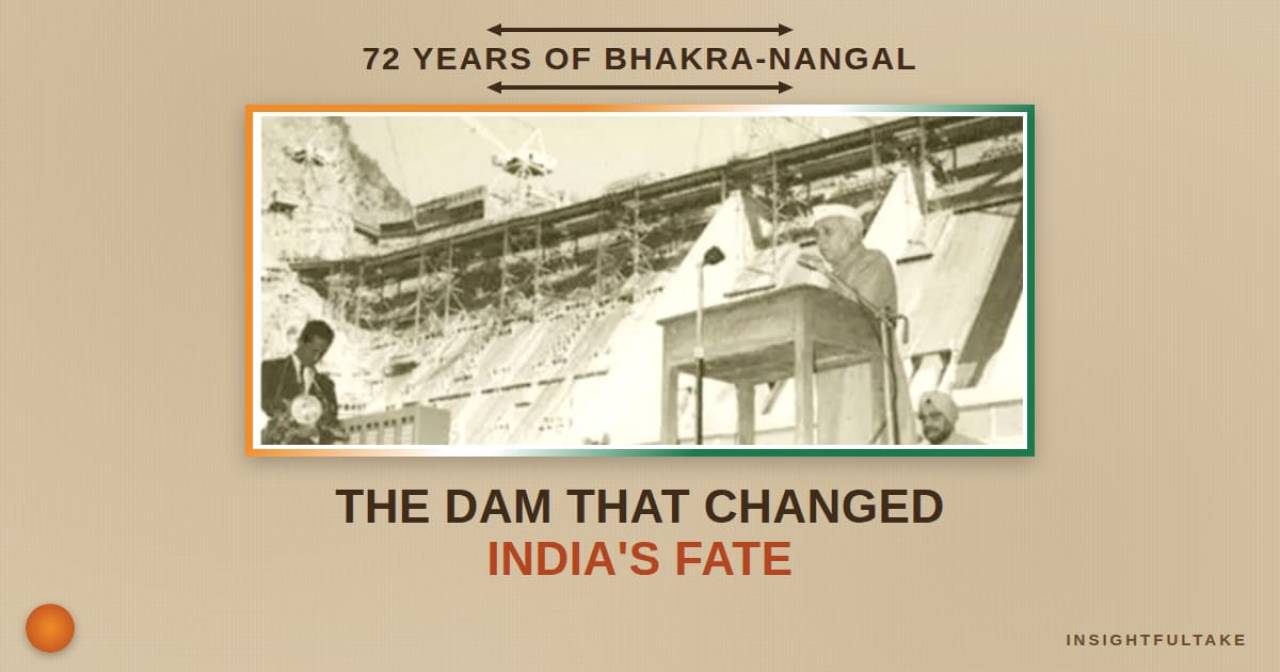
On 8 July 1954, a single canal transformed India's destiny, ushering in the Green Revolution while leaving behind a legacy of progress, displacement and enduring debate.
On 8 July 1954, India witnessed a defining moment in its journey toward self-reliance. Prime Minister Jawaharlal Nehru opened the sluice gates of the Nangal Hydel Channel, sending the waters of the Sutlej River surging through hundreds of miles of newly built canals into the dry plains of Punjab, Haryana and Rajasthan.
As the water travelled nearly 150 miles downstream, villagers celebrated with firecrackers and festivities. It was far more than an engineering achievement. It marked the beginning of India's transformation from a food-insecure nation dependent on uncertain monsoons into one capable of feeding itself.
A Vision Older Than Independence
The dream of Bhakra-Nangal predated independent India. In 1923, Sir Chhotu Ram, then Punjab's Revenue Minister, envisioned constructing a dam at Bhakra. The site had already been surveyed by British engineers in 1910.
The formal agreement for the project was signed in November 1944, while the detailed plan was approved on 8 January 1945, nearly two years before Independence.
After 1947, however, the project acquired a new purpose and scale. It became one of the flagship initiatives of India's First Five-Year Plan. For Nehru, Bhakra-Nangal symbolised a nation embracing science, engineering and planned development instead of relying solely on the whims of nature.
Building a Modern Monument
Construction formally began in 1948 under the leadership of chief engineer Rai Bahadur Kanwar Sain, with American engineer Harvey Slocum serving as the principal design consultant.
When financial constraints threatened to delay the project, renowned contractor Sobha Singh reportedly invested his own resources to keep construction moving.
In November 1955, Nehru ceremonially poured the first bucket of concrete into the Sutlej riverbed, describing the dam as "a gift to the people of India from the workers who built it."
Completed in 1963, the Bhakra Dam rose to 226 metres, making it the second tallest dam in Asia at the time. Behind it emerged the vast Gobind Sagar Reservoir, then one of India's largest man-made reservoirs.
How Bhakra-Nangal Changed India
The impact of the project extended far beyond its concrete walls.
Today, the Bhakra-Nangal canal network irrigates more than 10 million acres across Punjab, Haryana and Rajasthan. Its hydroelectric stations generate over 1,300 MW of electricity, supplying Punjab, Haryana, Rajasthan, Himachal Pradesh, Delhi and Chandigarh.
Reliable irrigation arrived just as high-yield crop varieties were introduced during the 1960s. Together, they laid the physical foundation for India's Green Revolution.
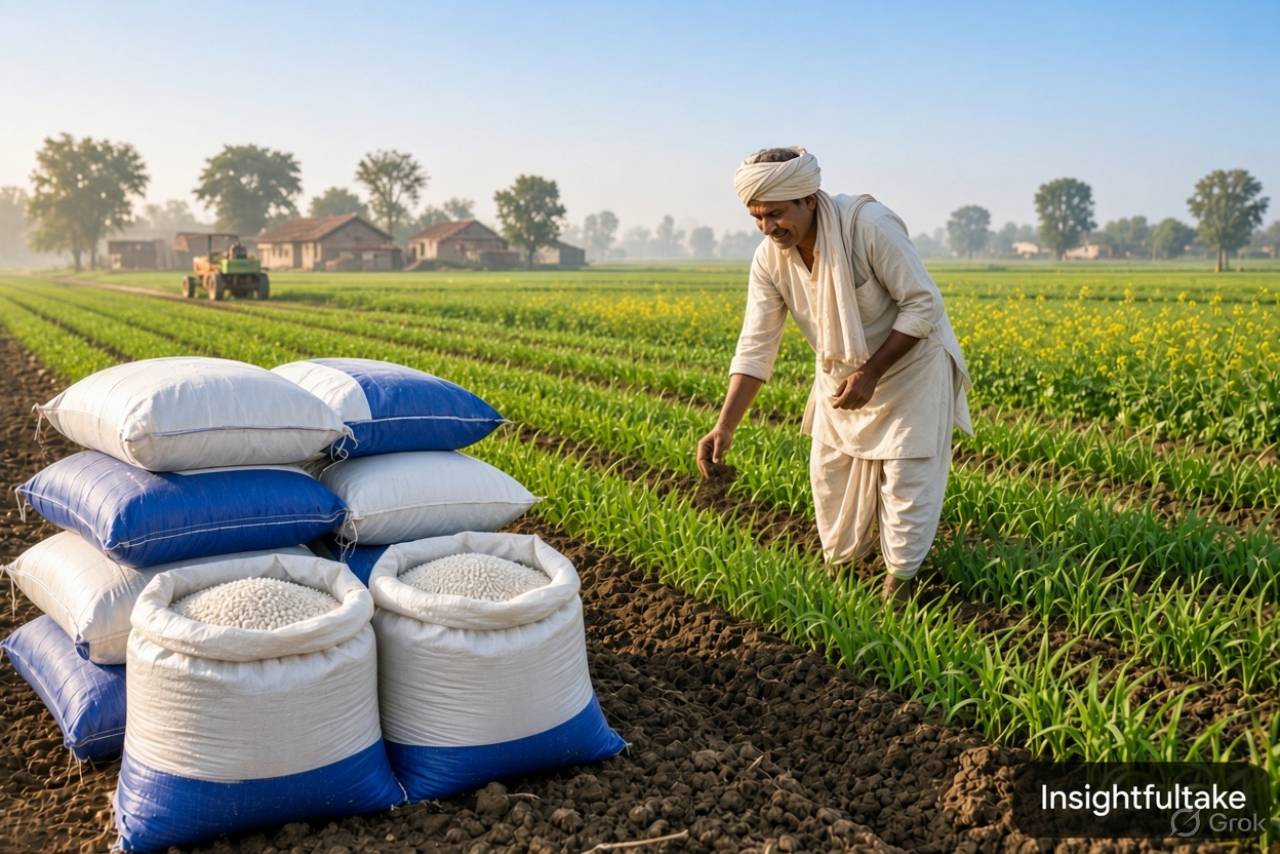
Regions once trapped in recurring cycles of drought and flood gained predictable water supplies, allowing farmers to produce wheat surpluses that eventually reduced India's dependence on imported food grains.
It was this transformative impact that inspired Nehru to famously describe large dams as the "temples of modern India."
The Human Cost Often Forgotten
The triumph of Bhakra-Nangal also carried a profound human cost that history often overlooks.
The creation of Gobind Sagar submerged an estimated 256 to 371 villages, including the historic town of Bilaspur, displacing approximately 36,000 families from present-day Himachal Pradesh and Punjab.
Compensation was often inadequate. Government records indicate that some landowners received as little as ₹1,000 per acre for fertile agricultural land.
A comprehensive land-for-land rehabilitation policy was introduced only in 1971, nearly two decades after the first wave of displacement.
Even in 2026, rehabilitation remains unfinished. Authorities in Himachal Pradesh continue to allot resettlement plots in Haryana to descendants of displaced families, while more than 260 rehabilitation cases linked to the original project reportedly remain unresolved.
For many families, the promises made to their grandparents remain unfulfilled.
Why Bhakra-Nangal Still Matters
More than seven decades after its inauguration, Bhakra-Nangal remains central to northern India's water and power security.
The project continues to be managed by the Bhakra Beas Management Board, which oversees the distribution of water and electricity among six states and Union Territories. Water-sharing arrangements, particularly between Punjab and Haryana, periodically become politically sensitive.
Climate change has introduced new uncertainties. Altered Himalayan snowfall, changing rainfall patterns and fluctuating river flows are affecting inflows into the Gobind Sagar Reservoir.
Meanwhile, sedimentation has steadily reduced the reservoir's storage capacity since 1963, posing a long-term challenge that receives far less public attention than the project's celebrated legacy.
A Legacy of Achievement and Sacrifice
Seventy-two years after the opening of the Nangal Hydel Channel, Bhakra-Nangal remains one of independent India's most consequential infrastructure projects.
It transformed agriculture, strengthened food security, powered industries and demonstrated the ambitions of a young nation determined to shape its own future.
Yet its story is incomplete without acknowledging those who paid the price for that progress.
Bhakra-Nangal stands today as both a remarkable achievement of nation-building and a reminder that every great development project leaves behind stories of sacrifice alongside stories of success. Understanding both is essential to appreciating its true legacy.
On 8 July 1954, India witnessed a defining moment in its journey toward self-reliance. Prime Minister Jawaharlal Nehru opened the sluice gates of the Nangal Hydel Channel, sending the waters of the Sutlej River surging through hundreds of miles of newly built canals into the dry plains of Punjab, Haryana and Rajasthan.
As the water travelled nearly 150 miles downstream, villagers celebrated with firecrackers and festivities. It was far more than an engineering achievement. It marked the beginning of India's transformation from a food-insecure nation dependent on uncertain monsoons into one capable of feeding itself.
A Vision Older Than Independence
The dream of Bhakra-Nangal predated independent India. In 1923, Sir Chhotu Ram, then Punjab's Revenue Minister, envisioned constructing a dam at Bhakra. The site had already been surveyed by British engineers in 1910.
The formal agreement for the project was signed in November 1944, while the detailed plan was approved on 8 January 1945, nearly two years before Independence.
After 1947, however, the project acquired a new purpose and scale. It became one of the flagship initiatives of India's First Five-Year Plan. For Nehru, Bhakra-Nangal symbolised a nation embracing science, engineering and planned development instead of relying solely on the whims of nature.
Building a Modern Monument
Construction formally began in 1948 under the leadership of chief engineer Rai Bahadur Kanwar Sain, with American engineer Harvey Slocum serving as the principal design consultant.
When financial constraints threatened to delay the project, renowned contractor Sobha Singh reportedly invested his own resources to keep construction moving.
In November 1955, Nehru ceremonially poured the first bucket of concrete into the Sutlej riverbed, describing the dam as "a gift to the people of India from the workers who built it."
Completed in 1963, the Bhakra Dam rose to 226 metres, making it the second tallest dam in Asia at the time. Behind it emerged the vast Gobind Sagar Reservoir, then one of India's largest man-made reservoirs.
How Bhakra-Nangal Changed India
The impact of the project extended far beyond its concrete walls.
Today, the Bhakra-Nangal canal network irrigates more than 10 million acres across Punjab, Haryana and Rajasthan. Its hydroelectric stations generate over 1,300 MW of electricity, supplying Punjab, Haryana, Rajasthan, Himachal Pradesh, Delhi and Chandigarh.
Reliable irrigation arrived just as high-yield crop varieties were introduced during the 1960s. Together, they laid the physical foundation for India's Green Revolution.
Regions once trapped in recurring cycles of drought and flood gained predictable water supplies, allowing farmers to produce wheat surpluses that eventually reduced India's dependence on imported food grains.
It was this transformative impact that inspired Nehru to famously describe large dams as the "temples of modern India."
The Human Cost Often Forgotten
The triumph of Bhakra-Nangal also carried a profound human cost that history often overlooks.
The creation of Gobind Sagar submerged an estimated 256 to 371 villages, including the historic town of Bilaspur, displacing approximately 36,000 families from present-day Himachal Pradesh and Punjab.
Compensation was often inadequate. Government records indicate that some landowners received as little as ₹1,000 per acre for fertile agricultural land.
A comprehensive land-for-land rehabilitation policy was introduced only in 1971, nearly two decades after the first wave of displacement.
Even in 2026, rehabilitation remains unfinished. Authorities in Himachal Pradesh continue to allot resettlement plots in Haryana to descendants of displaced families, while more than 260 rehabilitation cases linked to the original project reportedly remain unresolved.
For many families, the promises made to their grandparents remain unfulfilled.
Why Bhakra-Nangal Still Matters
More than seven decades after its inauguration, Bhakra-Nangal remains central to northern India's water and power security.
The project continues to be managed by the Bhakra Beas Management Board, which oversees the distribution of water and electricity among six states and Union Territories. Water-sharing arrangements, particularly between Punjab and Haryana, periodically become politically sensitive.
Climate change has introduced new uncertainties. Altered Himalayan snowfall, changing rainfall patterns and fluctuating river flows are affecting inflows into the Gobind Sagar Reservoir.
Meanwhile, sedimentation has steadily reduced the reservoir's storage capacity since 1963, posing a long-term challenge that receives far less public attention than the project's celebrated legacy.
A Legacy of Achievement and Sacrifice
Seventy-two years after the opening of the Nangal Hydel Channel, Bhakra-Nangal remains one of independent India's most consequential infrastructure projects.
It transformed agriculture, strengthened food security, powered industries and demonstrated the ambitions of a young nation determined to shape its own future.
Yet its story is incomplete without acknowledging those who paid the price for that progress.
Bhakra-Nangal stands today as both a remarkable achievement of nation-building and a reminder that every great development project leaves behind stories of sacrifice alongside stories of success. Understanding both is essential to appreciating its true legacy.























Leave a Comment