
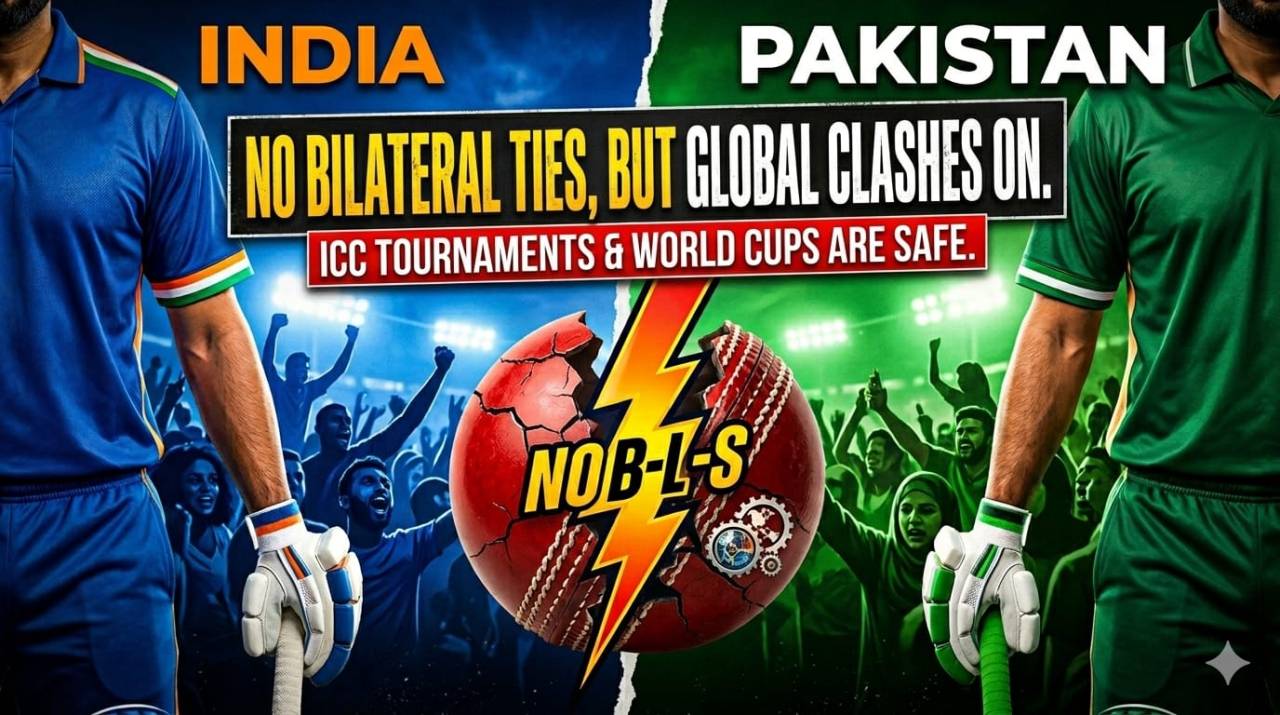
India will continue its ban on bilateral sports with Pakistan while allowing participation in global tournaments, reflecting New Delhi’s effort to balance security concerns with international sporting commitments and its ambition to host global events.
In the subcontinent, a cricket match between India and Pakistan is never just a game. It is a spectacle charged with emotion, history, nationalism, and intense rivalry. For millions of fans, the sight of the “Men in Blue” taking on the “Men in Green” represents the peak of sporting drama. Yet, recurring geopolitical tensions have often left supporters asking the same question: when will the two nations face each other again?
This week, the Union Sports Ministry offered a clearer answer through a fresh policy memorandum. While the announcement may disappoint fans hoping for the return of traditional bilateral cricket or hockey series, it also lays out a practical roadmap for the future of international sports involving the two neighbours.
The Bilateral Freeze Continues
At the heart of the policy is a firm position: India will continue its blanket ban on bilateral sporting ties with Pakistan. In practical terms, this means there will be no standalone India–Pakistan cricket series, bilateral hockey tours, or exclusive sporting engagements between the two countries in the foreseeable future.
The government’s position is rooted in national security concerns and the broader diplomatic climate. Officials have linked the decision to the aftermath of the tragic Pahalgam terror attack in April 2025, which claimed 26 lives. The attack was followed by a tense military standoff involving missile and drone exchanges, pushing relations between the two countries to one of their lowest points in recent years.
For New Delhi, continuing direct sporting relations under such circumstances would send the wrong signal. The government’s message is straightforward: sporting diplomacy cannot function normally when political and security tensions remain unresolved.
A Crucial Exception: Multilateral Events
Despite the hard line on bilateral ties, the policy introduces an important distinction that keeps the famous rivalry alive on the global stage.
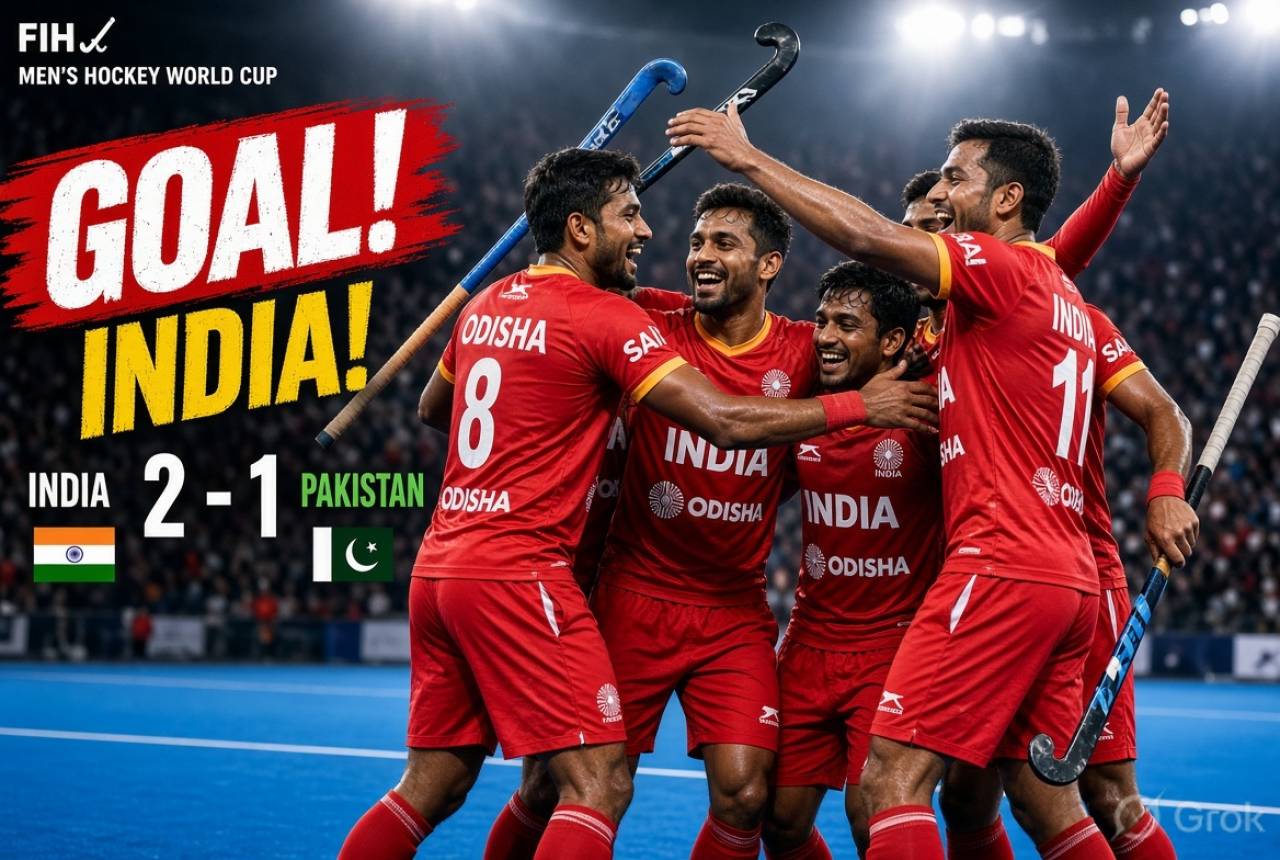
India and Pakistan will not engage in direct bilateral series, but they will continue to compete against each other in multilateral tournaments involving three or more nations.
This means Pakistan will still be allowed to participate in tournaments hosted in India, such as the Cricket World Cup, Asia Cup, Champions Trophy, or other international championships. Likewise, Indian athletes will continue competing in overseas events where Pakistan is also participating.
For fans, this ensures that high-pressure India–Pakistan encounters remain part of major global tournaments, even if standalone series remain suspended.
India’s Bigger Sporting Ambitions
The timing of this policy is closely linked to India’s growing global sporting aspirations. The country is actively positioning itself as a future hub for international sporting events, including bids for the 2030 Commonwealth Games and the 2036 Olympic Games.
To strengthen its credibility as a host nation, India must comply with the principles of the International Olympic Charter, which discourages discrimination against participating countries on political or religious grounds.
By allowing Pakistani athletes and teams to compete in multilateral events hosted in India, New Delhi is signaling to the international sporting community that it is capable of separating global sporting responsibilities from regional political disputes.
This balancing act allows India to maintain its diplomatic stance while also projecting itself as a mature and reliable destination for world-class sporting events.
Visa Reforms and Administrative Changes
The government is also focusing on making India more accessible and efficient for international sporting bodies. As part of the broader policy push, several administrative reforms are being introduced to improve the experience for athletes, officials, and global sports administrators.
Key Measures Include:
- Priority visa processing for athletes, coaches, and technical staff participating in international events.
- Five-year multi-entry visas for office-bearers of international sports federations and governing bodies.
- Enhanced protocol and hospitality arrangements for heads of global sports organisations visiting India.
These reforms are designed to strengthen India’s image as a dependable host capable of organizing large-scale international tournaments smoothly and professionally.
The Larger Message
For the average sports fan, the iconic India–Pakistan rivalry is not disappearing—it is simply being confined to the world stage rather than bilateral arenas.
India’s new sports policy reflects a careful balancing act. On one hand, the government remains uncompromising on national security and diplomatic concerns. On the other, it recognizes the importance of staying aligned with international sporting norms and ambitions.
The policy ultimately serves a larger purpose: positioning India as a future global sporting superpower. While bilateral “friendship series” may remain off the table for now, the roar of an India–Pakistan clash will still echo through stadiums during World Cups, Asian championships, and Olympic events.
And as India dreams of hosting the Olympics in 2036, the message to the world is becoming increasingly clear that the country intends to open its doors to global sport—without abandoning its strategic and political priorities.
In the subcontinent, a cricket match between India and Pakistan is never just a game. It is a spectacle charged with emotion, history, nationalism, and intense rivalry. For millions of fans, the sight of the “Men in Blue” taking on the “Men in Green” represents the peak of sporting drama. Yet, recurring geopolitical tensions have often left supporters asking the same question: when will the two nations face each other again?
This week, the Union Sports Ministry offered a clearer answer through a fresh policy memorandum. While the announcement may disappoint fans hoping for the return of traditional bilateral cricket or hockey series, it also lays out a practical roadmap for the future of international sports involving the two neighbours.
The Bilateral Freeze Continues
At the heart of the policy is a firm position: India will continue its blanket ban on bilateral sporting ties with Pakistan. In practical terms, this means there will be no standalone India–Pakistan cricket series, bilateral hockey tours, or exclusive sporting engagements between the two countries in the foreseeable future.
The government’s position is rooted in national security concerns and the broader diplomatic climate. Officials have linked the decision to the aftermath of the tragic Pahalgam terror attack in April 2025, which claimed 26 lives. The attack was followed by a tense military standoff involving missile and drone exchanges, pushing relations between the two countries to one of their lowest points in recent years.
For New Delhi, continuing direct sporting relations under such circumstances would send the wrong signal. The government’s message is straightforward: sporting diplomacy cannot function normally when political and security tensions remain unresolved.
A Crucial Exception: Multilateral Events
Despite the hard line on bilateral ties, the policy introduces an important distinction that keeps the famous rivalry alive on the global stage.
India and Pakistan will not engage in direct bilateral series, but they will continue to compete against each other in multilateral tournaments involving three or more nations.
This means Pakistan will still be allowed to participate in tournaments hosted in India, such as the Cricket World Cup, Asia Cup, Champions Trophy, or other international championships. Likewise, Indian athletes will continue competing in overseas events where Pakistan is also participating.
For fans, this ensures that high-pressure India–Pakistan encounters remain part of major global tournaments, even if standalone series remain suspended.
India’s Bigger Sporting Ambitions
The timing of this policy is closely linked to India’s growing global sporting aspirations. The country is actively positioning itself as a future hub for international sporting events, including bids for the 2030 Commonwealth Games and the 2036 Olympic Games.
To strengthen its credibility as a host nation, India must comply with the principles of the International Olympic Charter, which discourages discrimination against participating countries on political or religious grounds.
By allowing Pakistani athletes and teams to compete in multilateral events hosted in India, New Delhi is signaling to the international sporting community that it is capable of separating global sporting responsibilities from regional political disputes.
This balancing act allows India to maintain its diplomatic stance while also projecting itself as a mature and reliable destination for world-class sporting events.
Visa Reforms and Administrative Changes
The government is also focusing on making India more accessible and efficient for international sporting bodies. As part of the broader policy push, several administrative reforms are being introduced to improve the experience for athletes, officials, and global sports administrators.
Key Measures Include:
- Priority visa processing for athletes, coaches, and technical staff participating in international events.
- Five-year multi-entry visas for office-bearers of international sports federations and governing bodies.
- Enhanced protocol and hospitality arrangements for heads of global sports organisations visiting India.
These reforms are designed to strengthen India’s image as a dependable host capable of organizing large-scale international tournaments smoothly and professionally.
The Larger Message
For the average sports fan, the iconic India–Pakistan rivalry is not disappearing—it is simply being confined to the world stage rather than bilateral arenas.
India’s new sports policy reflects a careful balancing act. On one hand, the government remains uncompromising on national security and diplomatic concerns. On the other, it recognizes the importance of staying aligned with international sporting norms and ambitions.
The policy ultimately serves a larger purpose: positioning India as a future global sporting superpower. While bilateral “friendship series” may remain off the table for now, the roar of an India–Pakistan clash will still echo through stadiums during World Cups, Asian championships, and Olympic events.
And as India dreams of hosting the Olympics in 2036, the message to the world is becoming increasingly clear that the country intends to open its doors to global sport—without abandoning its strategic and political priorities.













Leave a Comment