
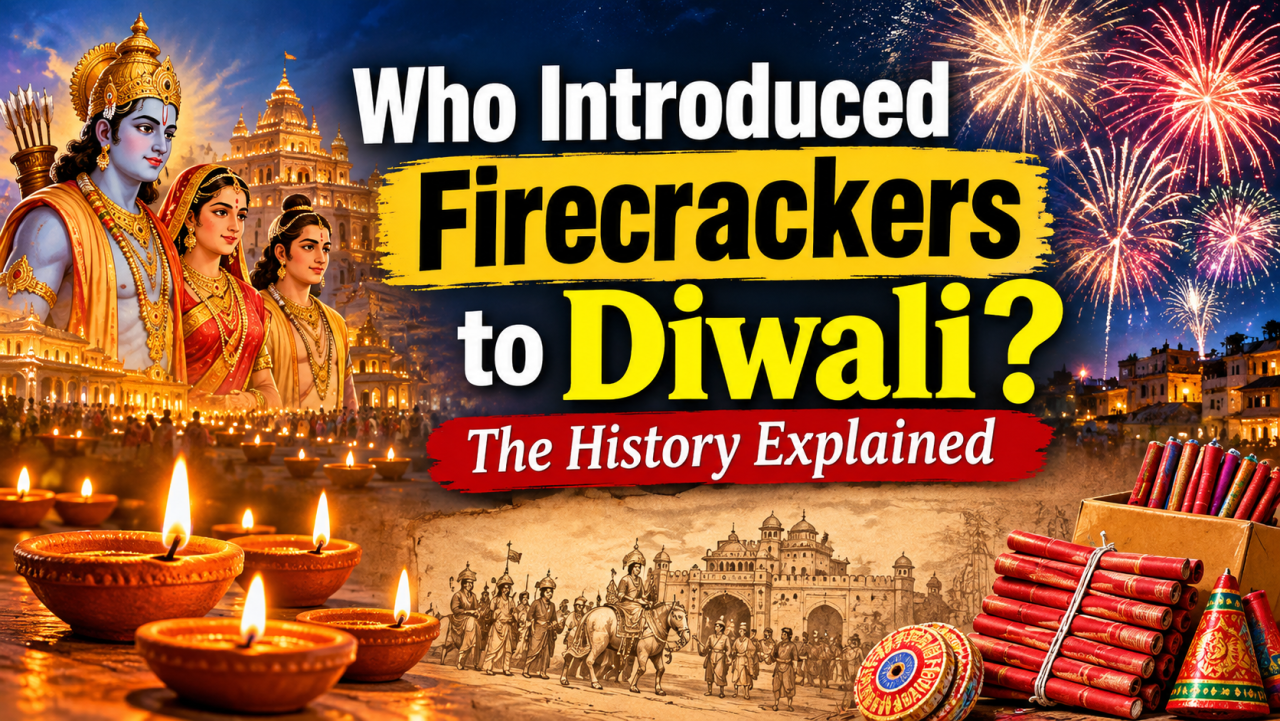
The diyas came with the story of Rama's return. But who brought the crackers into Diwali, and when did they become a tradition?
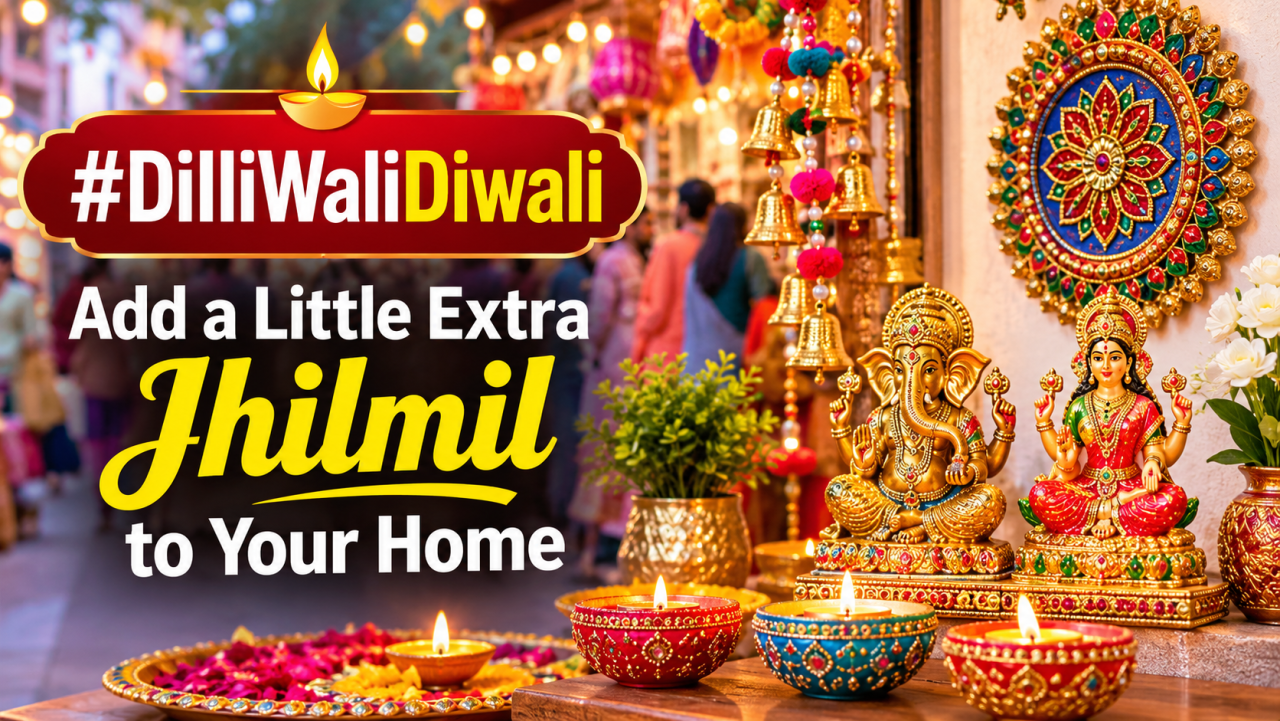
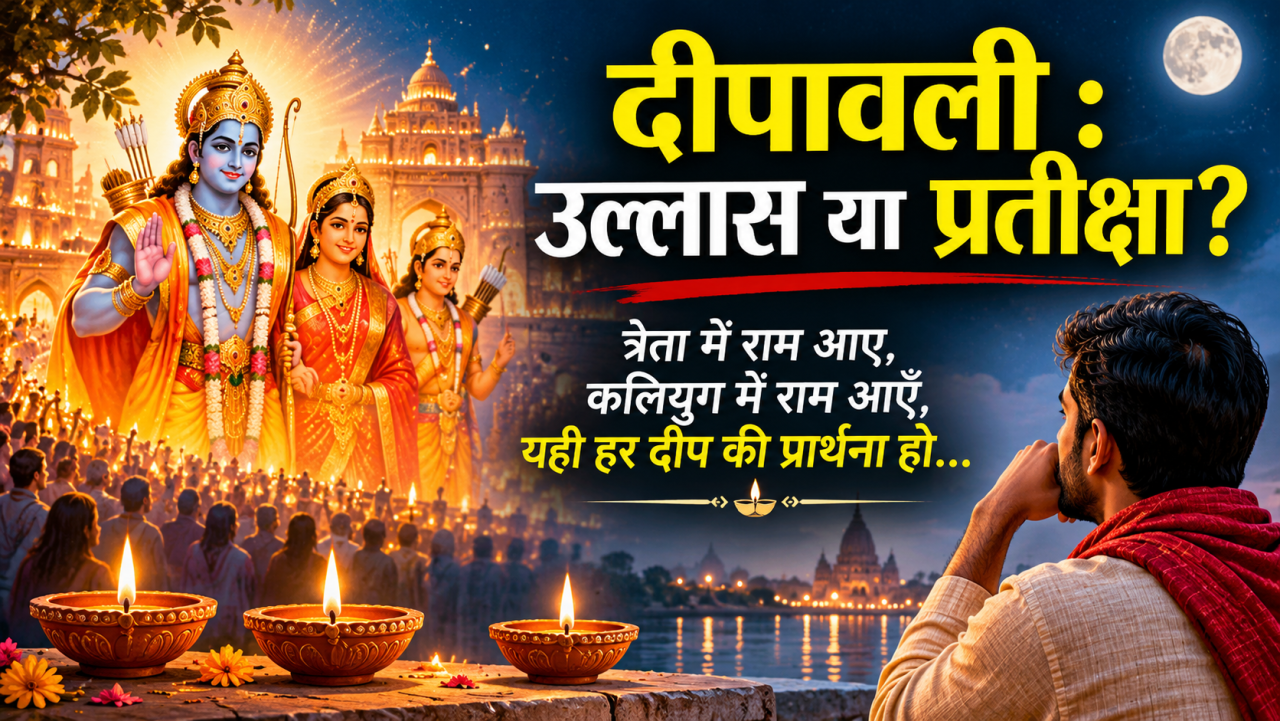
Every Diwali, millions of Indians light diyas, decorate their homes, exchange sweets and celebrate the triumph of good over evil. In much of North India, the festival is associated with the return of Lord Rama, Sita and Lakshmana to Ayodhya after 14 years of exile and Rama's victory over Ravana. The people of Ayodhya are believed to have welcomed them by lighting rows of earthen lamps, giving the festival its name, Deepavali, meaning a row of lights.
But somewhere along the way, another sound became almost inseparable from this celebration. The gentle glow of diyas was accompanied by the thunder of bombs, rockets and firecrackers.
Today, for many families, Diwali does not seem complete without bursting crackers. Yet an interesting historical question deserves attention. Who introduced firecrackers into a festival traditionally associated with lamps? Was it part of the original celebration, or did it become a custom much later?
The historical record offers a fascinating answer. Firecrackers were not an essential part of the original Diwali tradition. Their association with the festival developed gradually over several centuries.
From the Lamps of Ayodhya to the Sounds of Fireworks
The popular Ramayana narrative of Diwali centres on the return of Lord Rama to Ayodhya. The celebration is associated with lighting lamps, symbolising the victory of righteousness over evil and the arrival of hope after a long period of darkness.
The important distinction is that the story of Rama's return and the later popularity of fireworks belong to different historical timelines.
Gunpowder, the essential ingredient of traditional fireworks, originated in China. Its use spread across Asia over centuries, initially for military purposes. Fireworks gradually evolved from military technology into instruments of public entertainment and royal spectacle.
According to historian P. K. Gode's research, The History of Fireworks in India Between AD 1400 and 1900, the use of fireworks in India probably emerged after around 1400, when gunpowder began to be used in Indian warfare.
This suggests that fireworks could not have been part of the original historical setting of the Ramayana narrative. Their introduction into Indian celebrations was a much later development.
Fireworks First Belonged to Royal Celebrations
Historical accounts indicate that fireworks were initially associated with royal courts, weddings, military celebrations and public spectacles rather than ordinary household festivities.
One early account comes from Abdur Razzaq, a Persian envoy who visited the Vijayanagara Empire in 1443. While describing the grand Mahanavami celebrations, he referred to different forms of pyrotechnics and spectacular displays.
Portuguese traveller Duarte Barbosa, writing around 1518, also described a Gujarati Brahmin wedding where bombs and rockets were used for entertainment.
These accounts are significant because they establish that fireworks were known in India centuries before they became a familiar feature of Diwali celebrations. However, their presence at royal functions and weddings does not mean that ordinary people were routinely bursting crackers during festivals.
The use of fireworks gradually spread through royal courts, wealthy households and organised public celebrations. Their spectacular visual appeal made them an attractive addition to occasions involving large gatherings.
When Did Firecrackers Become Part of Diwali?
The association between fireworks and Diwali appears in historical records much later than the festival's traditional religious narrative.
Research by P. K. Gode points to references from the eighteenth century, particularly during the Peshwa period, when elaborate Diwali celebrations included fireworks.
An account preserved in the Marathi chronicle Peshwayanchi Bakhar describes the Diwali festivities at Kota, Rajasthan. The celebration reportedly continued for four days, with thousands of lamps illuminating the surroundings and the ruler arranging fireworks outside the city.
This is an important historical distinction. Fireworks were becoming part of grand Diwali celebrations, but they were still largely a spectacle organised by rulers and wealthy patrons. They were not necessarily an essential ritual performed by every household.
By the nineteenth century, references to Diwali celebrations involving illumination and fireworks had become more common. The practice was gradually moving beyond royal courtyards and into wider public celebrations.
There was no single person who can be credited with introducing crackers into Diwali. It was a gradual cultural development influenced by technology, royal patronage, changing social customs and the growing availability of fireworks.
How Sivakasi Made Firecrackers a Household Tradition
The transformation of fireworks from an expensive spectacle into a mass-market Diwali product owes much to the growth of India's fireworks industry.
The nineteenth century saw the establishment of India's first fireworks factory in Kolkata. However, the industry's major centre eventually emerged in Sivakasi, Tamil Nadu.
In the early twentieth century, entrepreneurs P. Ayya Nadar and Shanmuga Nadar helped establish the foundations of Sivakasi's match and fireworks manufacturing industry. Their business initiatives and the subsequent growth of local manufacturing helped make fireworks increasingly accessible.
After Independence, domestic production expanded, and Sivakasi developed into India's principal fireworks manufacturing hub. With rising incomes, expanding markets and easier access to commercially produced crackers, their use spread among ordinary households.
What had once been a costly spectacle associated with royal celebrations was becoming a familiar feature of middle-class festivities.
By the late twentieth century, firecrackers had acquired a cultural presence so strong that many people began to regard them as an inseparable part of Diwali.
Tradition, Pollution and the Question We Must Ask
The growing popularity of firecrackers has also created a serious environmental and public-health debate.
Every year, particularly in Delhi and other northern Indian cities, Diwali celebrations are followed by concerns about deteriorating air quality. Smoke and particulate emissions from fireworks add to an already complicated pollution situation involving vehicles, industries, construction dust and seasonal agricultural burning.
There are also concerns about noise, injuries, children, elderly people, patients with respiratory conditions and animals.
Courts and authorities have responded with restrictions, time limits and regulations governing the sale and use of fireworks. Yet enforcement remains difficult, partly because many people see bursting crackers as an essential expression of their religious and cultural identity.
But history invites us to reconsider that assumption.
If fireworks became associated with Diwali centuries after the festival's religious traditions had taken shape, does choosing not to burst crackers mean abandoning the festival? Does the absence of noise diminish the significance of lighting a diya, worshipping Goddess Lakshmi, remembering Lord Rama or celebrating with family?
The answer deserves reflection rather than confrontation.
Diwali's enduring message is not about how loudly a celebration can be announced. It is about the victory of light over darkness, knowledge over ignorance and goodness over evil.
Perhaps the most meaningful way to preserve that message is to distinguish between the festival's deeper cultural and spiritual foundations and customs that evolved over time.
The diyas came with the story. The crackers came later. Remembering that difference may help us celebrate Diwali with greater awareness, without losing the joy, faith and warmth that make it special.










Leave a Comment