

NEET 2026 was meant to reward merit. Instead, paper leaks, confusion, and administrative failures turned India's biggest medical entrance exam into a national controversy.
For millions of Indian students, NEET is not merely an entrance examination. It represents years of preparation, family sacrifices, coaching fees, and the hope of securing a place in one of the country's medical colleges. In countless households, success in NEET is seen as a life-changing achievement capable of opening doors that were previously unimaginable.
That is precisely why the events surrounding NEET 2026 have generated such widespread anger and anxiety. The controversy has not been limited to allegations of a paper leak. What has disturbed students and parents alike is the sense that, at every stage, the system struggled to manage a crisis that directly affected the futures of more than 22 lakh aspirants.
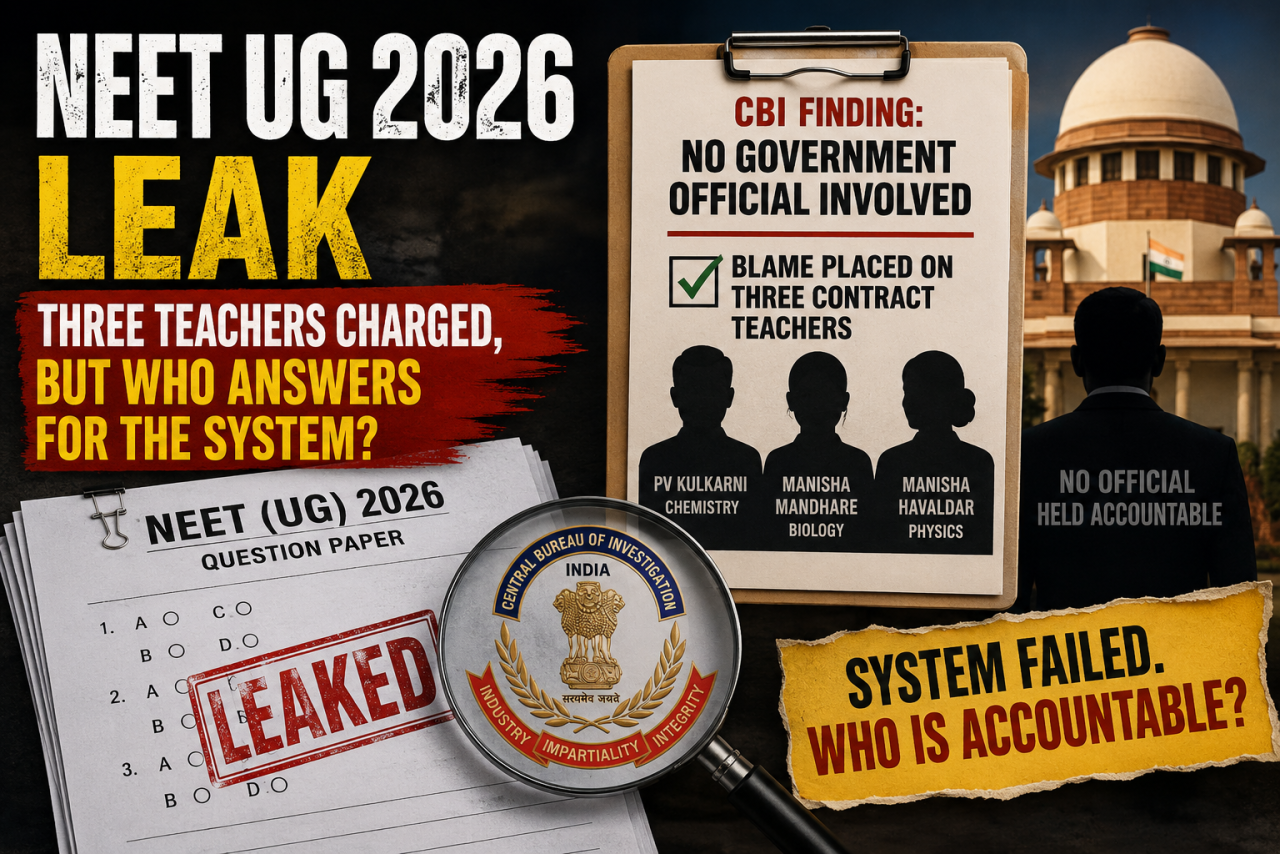
The trouble began when reports surfaced that the examination paper may have been compromised before the test. Allegations of leaked questions, circulating "guess papers," and insider involvement quickly attracted national attention. Investigations followed, arrests were made, and eventually authorities took the extraordinary step of cancelling the examination.
By then, however, the damage had already been done.
Students who had spent years preparing suddenly found themselves facing uncertainty. Many had travelled long distances to examination centres, booked accommodation, and invested significant financial resources in the process. Families that had carefully planned around a single examination date were forced to adjust once again. For thousands of candidates, the cancellation was not simply an administrative decision; it was an emotional and financial setback.
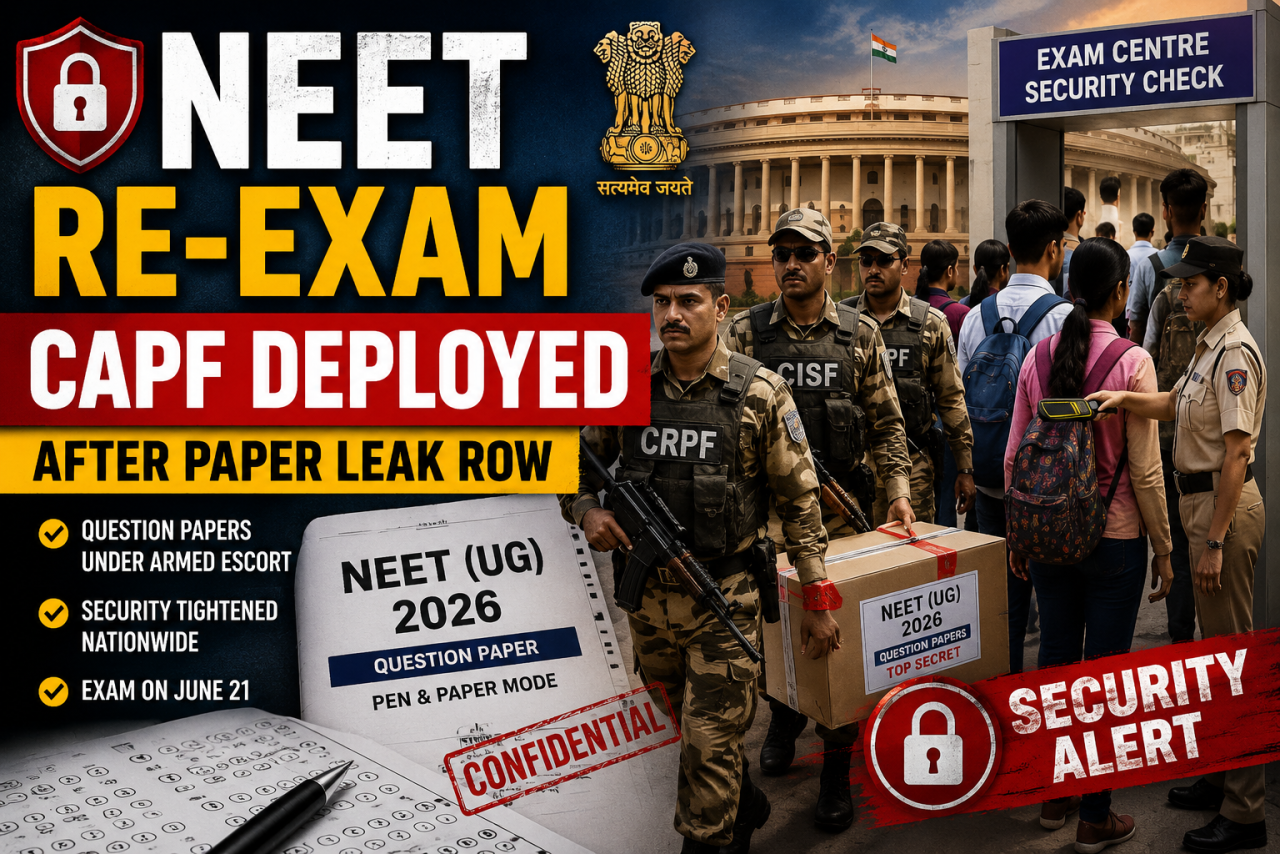
Authorities responded by announcing a re-examination under heightened security arrangements. Biometric verification, CCTV surveillance, and extensive monitoring were introduced to reassure candidates that the process would be fair. These measures may have strengthened security, but they could not restore the confidence that had already been shaken.
If the paper leak exposed weaknesses in examination security, another incident revealed shortcomings of a different kind.
Abdullah Mohammad Talib, an 18-year-old aspirant from Nagpur, downloaded his admit card for the re-examination and discovered that his examination centre had been assigned in Abu Dhabi. The problem was obvious. He had selected centres within Maharashtra and had no plans to travel abroad. Without a passport and with only days remaining before the examination, attending the allotted centre was impossible.
The error was eventually corrected after intervention and public attention. Yet the incident raised uncomfortable questions about the reliability of a system responsible for managing one of the largest examinations in the world. Assigning a student to a centre thousands of kilometres away was not a minor oversight. It pointed to failures in basic administrative processes that should have been routine.
More importantly, it highlighted a reality that many students have experienced for years: when things go wrong, the burden often falls on candidates and their families to seek solutions.
The Abu Dhabi episode was not an isolated concern. NEET has faced recurring controversies over the years, including debates over grace marks, allegations of impersonation, concerns about examination integrity, and repeated complaints regarding administrative lapses. Each controversy may appear separate, but together they have gradually weakened public confidence in the examination system.
Even the re-examination was not entirely free from problems. Reports of proxy candidates and logistical irregularities continued to emerge from different parts of the country. At the same time, students found themselves preparing under intense psychological pressure. The uncertainty surrounding the examination process added another layer of stress to an already demanding competition.
The human cost of such failures is often overlooked. Behind every registration number is a student carrying enormous expectations. Behind every admit card is a family that has invested time, money, and emotional energy into a single opportunity. When examinations are cancelled, delayed, or mishandled, the consequences extend far beyond procedural inconvenience.
The burden is particularly heavy for students from modest backgrounds. A rural family or a lower-middle-class household cannot easily absorb repeated travel expenses, additional coaching costs, or months of prolonged uncertainty. For many candidates, NEET is not one opportunity among many. It is the opportunity.
This is where the controversy moves beyond the question of a leaked paper. The deeper issue is governance.
The National Testing Agency was established to streamline major examinations and improve efficiency. Yet the repeated crises surrounding competitive examinations have led many to question whether the institution has developed the safeguards and administrative capacity necessary to handle responsibilities of such magnitude.
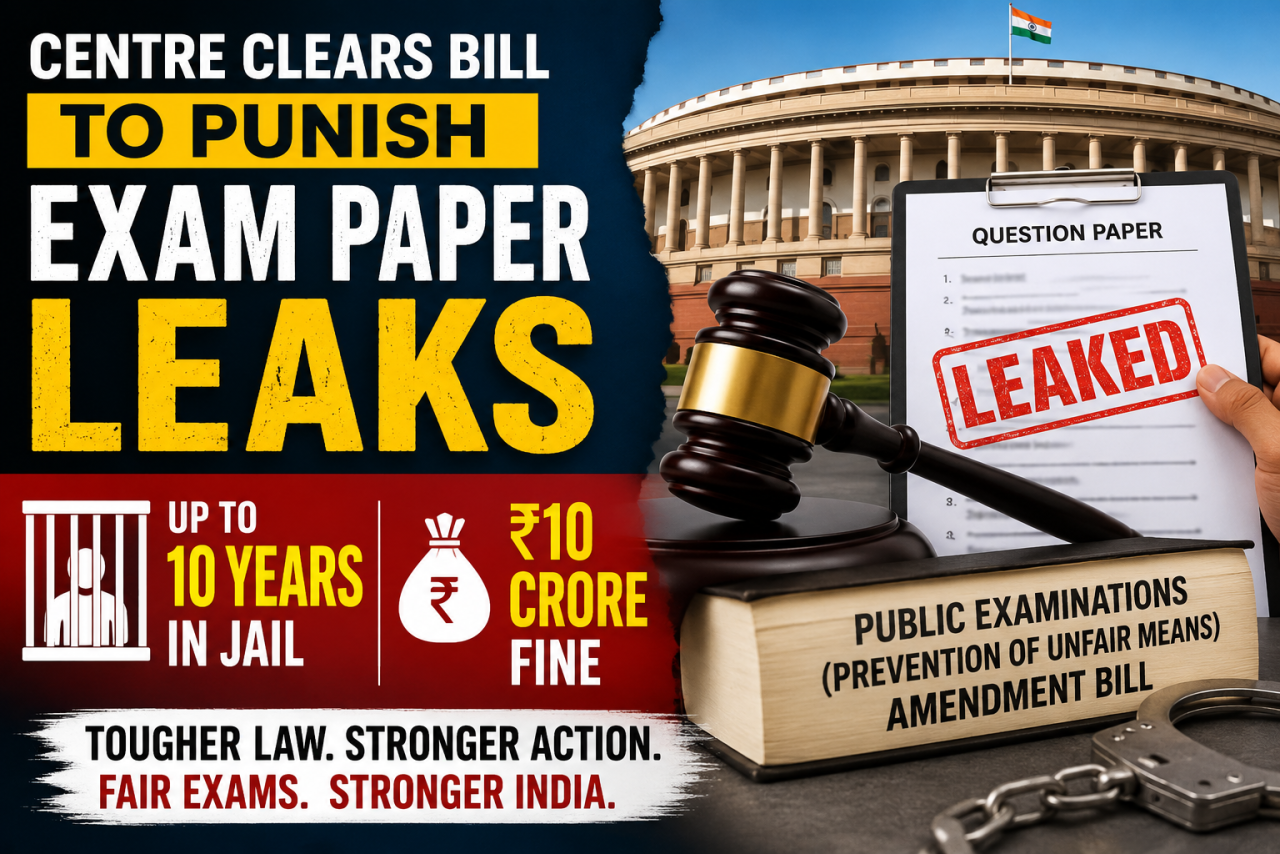
The government's response has largely focused on investigations, arrests, and assurances that stricter measures will be introduced in the future. Accountability is undoubtedly important. Those responsible for malpractice must face consequences. However, investigations alone cannot address the larger concerns that students and parents now hold about the reliability of the system itself.
Promises of future reforms offer little comfort to students whose academic plans have already been disrupted. Nor do they answer the central question raised by this year's events: how did so many failures occur within a process that affects millions of young people?
The broader implications for India's education system cannot be ignored. NEET was introduced to create a transparent and merit-based admissions process. Yet recurring controversies have created doubts about whether that objective is being fully realized. Meanwhile, the coaching industry continues to expand, paper leak scandals continue to surface, and student mental health remains an insufficiently addressed aspect of examination policy.
Public frustration over NEET 2026 reflects a larger concern about institutional credibility. Competitive examinations derive their legitimacy from trust. Students must believe that the process is fair, secure, and competently managed. Once that trust begins to erode, restoring it becomes far more difficult than conducting another examination.
India often speaks of becoming a global knowledge economy powered by its young population. Such ambitions depend not only on educational access but also on confidence in the institutions that govern education. Transparency, accountability, and administrative competence are not optional ideals; they are the foundation upon which merit-based systems operate.
The lessons from NEET 2026 are clear. Examination processes require stronger oversight, independent audits, robust grievance-redressal mechanisms, and greater transparency at every stage. Policymakers must also recognize the emotional and financial strain that repeated disruptions impose on students and their families. Educational governance cannot be reduced to logistics alone; it must account for the human beings whose futures are shaped by these decisions.
As counselling and admissions move forward, the headlines will eventually fade. The questions raised by this controversy, however, are unlikely to disappear so easily. Students and parents are entitled to expect more than crisis management after a failure has occurred. They deserve a system capable of preventing such failures in the first place.
For the millions of young Indians who continue to invest their hopes in competitive examinations, that expectation is neither unreasonable nor excessive. It is the minimum that a credible education system should provide.
For millions of Indian students, NEET is not merely an entrance examination. It represents years of preparation, family sacrifices, coaching fees, and the hope of securing a place in one of the country's medical colleges. In countless households, success in NEET is seen as a life-changing achievement capable of opening doors that were previously unimaginable.
That is precisely why the events surrounding NEET 2026 have generated such widespread anger and anxiety. The controversy has not been limited to allegations of a paper leak. What has disturbed students and parents alike is the sense that, at every stage, the system struggled to manage a crisis that directly affected the futures of more than 22 lakh aspirants.
The trouble began when reports surfaced that the examination paper may have been compromised before the test. Allegations of leaked questions, circulating "guess papers," and insider involvement quickly attracted national attention. Investigations followed, arrests were made, and eventually authorities took the extraordinary step of cancelling the examination.
By then, however, the damage had already been done.
Students who had spent years preparing suddenly found themselves facing uncertainty. Many had travelled long distances to examination centres, booked accommodation, and invested significant financial resources in the process. Families that had carefully planned around a single examination date were forced to adjust once again. For thousands of candidates, the cancellation was not simply an administrative decision; it was an emotional and financial setback.
Authorities responded by announcing a re-examination under heightened security arrangements. Biometric verification, CCTV surveillance, and extensive monitoring were introduced to reassure candidates that the process would be fair. These measures may have strengthened security, but they could not restore the confidence that had already been shaken.
If the paper leak exposed weaknesses in examination security, another incident revealed shortcomings of a different kind.
Abdullah Mohammad Talib, an 18-year-old aspirant from Nagpur, downloaded his admit card for the re-examination and discovered that his examination centre had been assigned in Abu Dhabi. The problem was obvious. He had selected centres within Maharashtra and had no plans to travel abroad. Without a passport and with only days remaining before the examination, attending the allotted centre was impossible.
The error was eventually corrected after intervention and public attention. Yet the incident raised uncomfortable questions about the reliability of a system responsible for managing one of the largest examinations in the world. Assigning a student to a centre thousands of kilometres away was not a minor oversight. It pointed to failures in basic administrative processes that should have been routine.
More importantly, it highlighted a reality that many students have experienced for years: when things go wrong, the burden often falls on candidates and their families to seek solutions.
The Abu Dhabi episode was not an isolated concern. NEET has faced recurring controversies over the years, including debates over grace marks, allegations of impersonation, concerns about examination integrity, and repeated complaints regarding administrative lapses. Each controversy may appear separate, but together they have gradually weakened public confidence in the examination system.
Even the re-examination was not entirely free from problems. Reports of proxy candidates and logistical irregularities continued to emerge from different parts of the country. At the same time, students found themselves preparing under intense psychological pressure. The uncertainty surrounding the examination process added another layer of stress to an already demanding competition.
The human cost of such failures is often overlooked. Behind every registration number is a student carrying enormous expectations. Behind every admit card is a family that has invested time, money, and emotional energy into a single opportunity. When examinations are cancelled, delayed, or mishandled, the consequences extend far beyond procedural inconvenience.
The burden is particularly heavy for students from modest backgrounds. A rural family or a lower-middle-class household cannot easily absorb repeated travel expenses, additional coaching costs, or months of prolonged uncertainty. For many candidates, NEET is not one opportunity among many. It is the opportunity.
This is where the controversy moves beyond the question of a leaked paper. The deeper issue is governance.
The National Testing Agency was established to streamline major examinations and improve efficiency. Yet the repeated crises surrounding competitive examinations have led many to question whether the institution has developed the safeguards and administrative capacity necessary to handle responsibilities of such magnitude.
The government's response has largely focused on investigations, arrests, and assurances that stricter measures will be introduced in the future. Accountability is undoubtedly important. Those responsible for malpractice must face consequences. However, investigations alone cannot address the larger concerns that students and parents now hold about the reliability of the system itself.
Promises of future reforms offer little comfort to students whose academic plans have already been disrupted. Nor do they answer the central question raised by this year's events: how did so many failures occur within a process that affects millions of young people?
The broader implications for India's education system cannot be ignored. NEET was introduced to create a transparent and merit-based admissions process. Yet recurring controversies have created doubts about whether that objective is being fully realized. Meanwhile, the coaching industry continues to expand, paper leak scandals continue to surface, and student mental health remains an insufficiently addressed aspect of examination policy.
Public frustration over NEET 2026 reflects a larger concern about institutional credibility. Competitive examinations derive their legitimacy from trust. Students must believe that the process is fair, secure, and competently managed. Once that trust begins to erode, restoring it becomes far more difficult than conducting another examination.
India often speaks of becoming a global knowledge economy powered by its young population. Such ambitions depend not only on educational access but also on confidence in the institutions that govern education. Transparency, accountability, and administrative competence are not optional ideals; they are the foundation upon which merit-based systems operate.
The lessons from NEET 2026 are clear. Examination processes require stronger oversight, independent audits, robust grievance-redressal mechanisms, and greater transparency at every stage. Policymakers must also recognize the emotional and financial strain that repeated disruptions impose on students and their families. Educational governance cannot be reduced to logistics alone; it must account for the human beings whose futures are shaped by these decisions.
As counselling and admissions move forward, the headlines will eventually fade. The questions raised by this controversy, however, are unlikely to disappear so easily. Students and parents are entitled to expect more than crisis management after a failure has occurred. They deserve a system capable of preventing such failures in the first place.
For the millions of young Indians who continue to invest their hopes in competitive examinations, that expectation is neither unreasonable nor excessive. It is the minimum that a credible education system should provide.


















Leave a Comment