
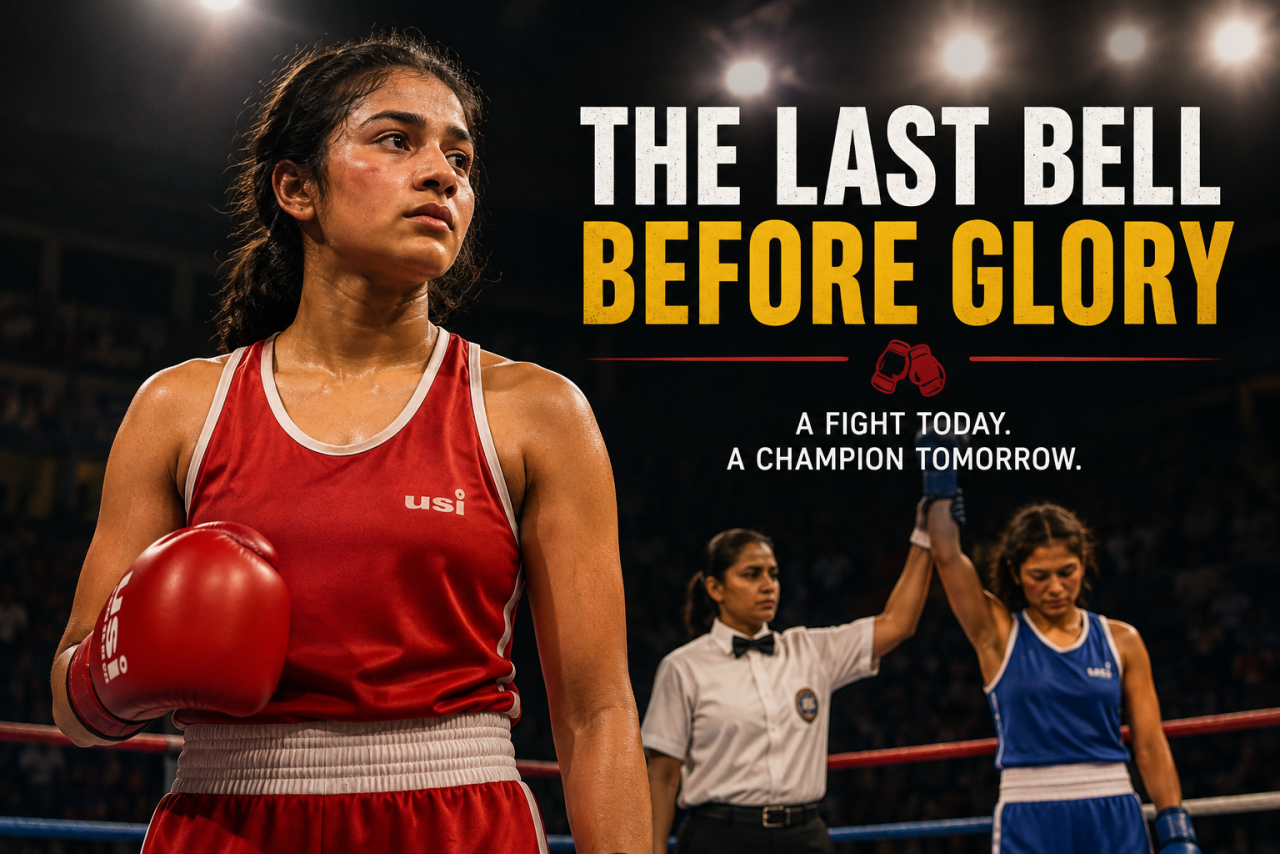
Not every defeat is the end. Sometimes the final bell marks the beginning of greatness. Follow Meera Kumari's inspiring journey where resilience, not victory, defines what it truly means to win.
Meera Kumari had lost count of how many mornings she had woken up at four-thirty to run the dirt track behind the stadium in Patna. The municipality had promised floodlights for three years running. They never came. So she ran with a torch strapped to her forehead, her breath fogging in the cold, her coach Ranjit sir cycling beside her with a stopwatch he'd bought secondhand from a scrap dealer near Gandhi Maidan.
She was seventeen, and she boxed because her elder brother once boxed, before a factory accident took two fingers off his right hand and, with them, whatever hunger he'd had for the ring. He still came to watch her spar, standing at the fence with his damaged hand tucked into his pocket, saying nothing, which in her family counted as loud approval.
The state trials were in November. Meera had trained for them the way other girls her age prepared for board exams, obsessively, guiltily, at the cost of sleep and friendships. She skipped her cousin's wedding to attend a three-day camp in Ranchi. She ate what the diet chart told her to eat, even on the days her stomach begged for her mother's mutton curry. She kept a notebook, not of poetry or crushes like the other girls in her hostel, but of opponents: their reach, their habit of dropping the left guard after the second round, and the way a Haryana girl named Suman always overcommitted to a straight right when she thought she'd already won.
On the day of the trials, Meera weighed in at 60 kilograms, exactly on the mark, and drew a bye in the first round. It felt like a small mercy from a universe that rarely offered her any.
Her real fight was the second bout, against a boxer from Punjab who had represented her state twice already and moved like she had never once doubted herself. Meera watched her warm up and recognized, with the flat clarity of someone who had spent years learning to read a room, that this girl was better trained, better fed, and better funded. She had a physiotherapist. Meera had Ranjit sir's scrap-dealer stopwatch and a tube of Volini.
The first round went to the Punjab girl on pure aggression. Meera absorbed three clean hooks and answered with nothing that landed. Between rounds, Ranjit sir crouched in front of her, water dripping off his chin, and said only one sentence.
"Stop trying to hit her. Start trying to be somewhere she isn't."
It wasn't a poetic instruction. It was tactical, almost mathematical, footwork over force, angles over ego. Meera had heard it a hundred times in training and ignored it a hundred times, because standing her ground felt like courage and moving felt like retreat. But something about hearing it now, with her ribs already aching and her brother's ruined hand somewhere in her mind, made her actually try it.
The second round, she didn't win. But she didn't lose it either. She circled, jabbed, and stepped away before the counter could land. She made the Punjab girl chase a target that kept dissolving. The crowd, mostly parents and a handful of retired boxers who came to these trials the way old men go to a temple, out of habit and hope, began to notice.
The third round was close enough that the judges took a full minute to agree. Meera lost, 3-2, on a split decision that could have gone either way, and everyone in the hall knew it.
She didn't cry. She had cried after losses before, in hostel bathrooms, quietly enough that her roommate wouldn't hear. This time she walked to the fence where her brother stood, and he held out his good hand. She shook it like they were colleagues closing a deal, because that was the only language of pride their family had ever properly learned.
"Next year," Ranjit sir said, already writing something in his own notebook.
Meera didn't answer him. She was watching the Punjab girl accept her medal, filing away, without meaning to, the exact moment her opponent's guard dropped in celebration, a habit worth remembering, a door left open for whenever they met again.
Meera Kumari had lost count of how many mornings she had woken up at four-thirty to run the dirt track behind the stadium in Patna. The municipality had promised floodlights for three years running. They never came. So she ran with a torch strapped to her forehead, her breath fogging in the cold, her coach Ranjit sir cycling beside her with a stopwatch he'd bought secondhand from a scrap dealer near Gandhi Maidan.
She was seventeen, and she boxed because her elder brother once boxed, before a factory accident took two fingers off his right hand and, with them, whatever hunger he'd had for the ring. He still came to watch her spar, standing at the fence with his damaged hand tucked into his pocket, saying nothing, which in her family counted as loud approval.
The state trials were in November. Meera had trained for them the way other girls her age prepared for board exams, obsessively, guiltily, at the cost of sleep and friendships. She skipped her cousin's wedding to attend a three-day camp in Ranchi. She ate what the diet chart told her to eat, even on the days her stomach begged for her mother's mutton curry. She kept a notebook, not of poetry or crushes like the other girls in her hostel, but of opponents: their reach, their habit of dropping the left guard after the second round, and the way a Haryana girl named Suman always overcommitted to a straight right when she thought she'd already won.
On the day of the trials, Meera weighed in at 60 kilograms, exactly on the mark, and drew a bye in the first round. It felt like a small mercy from a universe that rarely offered her any.
Her real fight was the second bout, against a boxer from Punjab who had represented her state twice already and moved like she had never once doubted herself. Meera watched her warm up and recognized, with the flat clarity of someone who had spent years learning to read a room, that this girl was better trained, better fed, and better funded. She had a physiotherapist. Meera had Ranjit sir's scrap-dealer stopwatch and a tube of Volini.
The first round went to the Punjab girl on pure aggression. Meera absorbed three clean hooks and answered with nothing that landed. Between rounds, Ranjit sir crouched in front of her, water dripping off his chin, and said only one sentence.
"Stop trying to hit her. Start trying to be somewhere she isn't."
It wasn't a poetic instruction. It was tactical, almost mathematical, footwork over force, angles over ego. Meera had heard it a hundred times in training and ignored it a hundred times, because standing her ground felt like courage and moving felt like retreat. But something about hearing it now, with her ribs already aching and her brother's ruined hand somewhere in her mind, made her actually try it.
The second round, she didn't win. But she didn't lose it either. She circled, jabbed, and stepped away before the counter could land. She made the Punjab girl chase a target that kept dissolving. The crowd, mostly parents and a handful of retired boxers who came to these trials the way old men go to a temple, out of habit and hope, began to notice.
The third round was close enough that the judges took a full minute to agree. Meera lost, 3-2, on a split decision that could have gone either way, and everyone in the hall knew it.
She didn't cry. She had cried after losses before, in hostel bathrooms, quietly enough that her roommate wouldn't hear. This time she walked to the fence where her brother stood, and he held out his good hand. She shook it like they were colleagues closing a deal, because that was the only language of pride their family had ever properly learned.
"Next year," Ranjit sir said, already writing something in his own notebook.
Meera didn't answer him. She was watching the Punjab girl accept her medal, filing away, without meaning to, the exact moment her opponent's guard dropped in celebration, a habit worth remembering, a door left open for whenever they met again.





















Leave a Comment