

Many devotees focus on what to avoid during Sawan fasts. Nutritionists say the bigger question is what you should add, because missing enough protein could leave you tired, hungrier, and low on energy throughout the holy month.
Millions of Hindu devotees across India are observing fasts during the holy month of Shravan, popularly known as Sawan, which began on July 30 this year. The first Sawan Somwar, considered especially significant for devotees of Lord Shiva, fell on August 3. Throughout the month, many households avoid grains, pulses, and non-vegetarian food, relying instead on fasting staples such as sabudana, potatoes, singhara flour, and rajgira.
While this dietary shift is rooted in tradition, nutritionists say it can unintentionally reduce protein intake. Since pulses and grains provide a significant share of protein in the average Indian diet, eliminating them for weeks can leave the body short of an essential nutrient that supports overall health.
What Happens When Protein Intake Drops
Protein does much more than build muscle. It helps regulate hunger, supports tissue repair, maintains energy levels, and prevents the body from breaking down muscle for fuel when calorie intake becomes irregular, something that often happens during fasting.
Nutritionists note that when protein intake falls, people often compensate by eating larger portions of starchy, calorie-rich foods. Popular fasting dishes such as sabudana khichdi, fried potatoes, and vrat snacks may satisfy hunger for a short time but provide limited protein. As a result, many people feel hungry again sooner despite consuming enough calories.
Over an extended fasting period, inadequate protein intake may also contribute to muscle loss, particularly among those observing multiple fasts throughout the month, including all four Sawan Mondays.
What Experts Recommend
Nutritionists are not asking people to abandon tradition. Instead, they recommend planning fasting meals more carefully to ensure adequate protein intake.
Rather than consuming protein in a single meal, experts advise spreading it across the day to improve satiety, maintain energy, and support muscle health. They also encourage including a wider variety of fasting-approved foods instead of depending solely on sabudana or potatoes, which are relatively low in protein.
Combining protein-rich foods with fibre and healthy fats can help keep blood sugar levels steadier and sustain energy throughout the day.
Protein-Rich Foods You Can Eat During Sawan Fasts
Many fasting-compliant foods naturally provide protein and fit comfortably within traditional vrat guidelines.
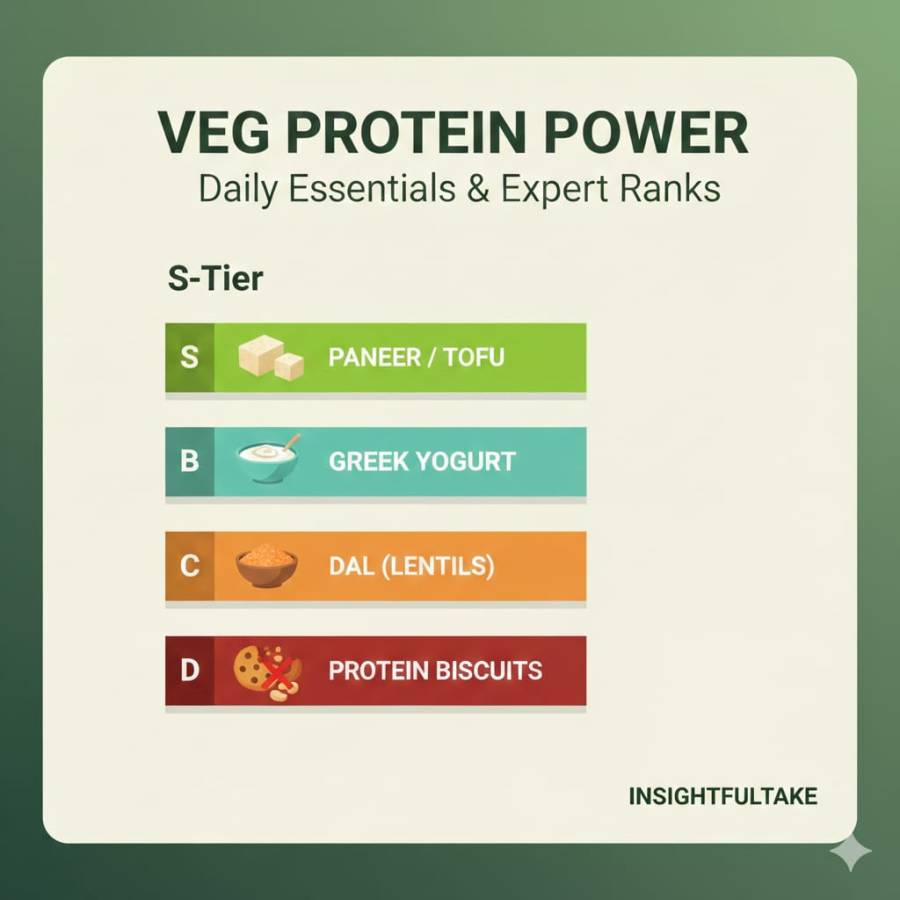
- Milk, curd, paneer, Greek yoghurt, and buttermilk
- Rajgira (amaranth), commonly used for rotis, laddoos, and porridge
- Pumpkin seeds, watermelon seeds, sunflower seeds, chia seeds, and flaxseeds
- Almonds and walnuts in moderation
- Unsweetened nut butters without added sugar
- Plant-based protein powders made from fasting-compliant ingredients, where appropriate and recommended by a nutrition professional
These foods can help bridge the protein gap without compromising traditional fasting practices.
Preparation Matters Too
Nutritionists also stress that cooking methods are just as important as ingredient choices. Whole, minimally processed foods are generally healthier than deep-fried or heavily refined fasting snacks.
For example, a bowl of sabudana khichdi prepared with vegetables and paired with curd or paneer offers a far more balanced meal than deep-fried sabudana snacks eaten on their own.
Final Take
Sawan fasting can offer both spiritual and physical benefits when approached thoughtfully. The key is not simply avoiding certain foods but ensuring the body continues to receive the nutrients it needs.
Simple additions such as a bowl of curd topped with seeds, a serving of paneer, a handful of nuts, or a glass of buttermilk between meals can make a meaningful difference. By paying attention to protein intake, devotees can observe their fasts while maintaining energy, supporting muscle health, and making the most of the season's wellness benefits.
Millions of Hindu devotees across India are observing fasts during the holy month of Shravan, popularly known as Sawan, which began on July 30 this year. The first Sawan Somwar, considered especially significant for devotees of Lord Shiva, fell on August 3. Throughout the month, many households avoid grains, pulses, and non-vegetarian food, relying instead on fasting staples such as sabudana, potatoes, singhara flour, and rajgira.
While this dietary shift is rooted in tradition, nutritionists say it can unintentionally reduce protein intake. Since pulses and grains provide a significant share of protein in the average Indian diet, eliminating them for weeks can leave the body short of an essential nutrient that supports overall health.
What Happens When Protein Intake Drops
Protein does much more than build muscle. It helps regulate hunger, supports tissue repair, maintains energy levels, and prevents the body from breaking down muscle for fuel when calorie intake becomes irregular, something that often happens during fasting.
Nutritionists note that when protein intake falls, people often compensate by eating larger portions of starchy, calorie-rich foods. Popular fasting dishes such as sabudana khichdi, fried potatoes, and vrat snacks may satisfy hunger for a short time but provide limited protein. As a result, many people feel hungry again sooner despite consuming enough calories.
Over an extended fasting period, inadequate protein intake may also contribute to muscle loss, particularly among those observing multiple fasts throughout the month, including all four Sawan Mondays.
What Experts Recommend
Nutritionists are not asking people to abandon tradition. Instead, they recommend planning fasting meals more carefully to ensure adequate protein intake.
Rather than consuming protein in a single meal, experts advise spreading it across the day to improve satiety, maintain energy, and support muscle health. They also encourage including a wider variety of fasting-approved foods instead of depending solely on sabudana or potatoes, which are relatively low in protein.
Combining protein-rich foods with fibre and healthy fats can help keep blood sugar levels steadier and sustain energy throughout the day.
Protein-Rich Foods You Can Eat During Sawan Fasts
Many fasting-compliant foods naturally provide protein and fit comfortably within traditional vrat guidelines.
- Milk, curd, paneer, Greek yoghurt, and buttermilk
- Rajgira (amaranth), commonly used for rotis, laddoos, and porridge
- Pumpkin seeds, watermelon seeds, sunflower seeds, chia seeds, and flaxseeds
- Almonds and walnuts in moderation
- Unsweetened nut butters without added sugar
- Plant-based protein powders made from fasting-compliant ingredients, where appropriate and recommended by a nutrition professional
These foods can help bridge the protein gap without compromising traditional fasting practices.
Preparation Matters Too
Nutritionists also stress that cooking methods are just as important as ingredient choices. Whole, minimally processed foods are generally healthier than deep-fried or heavily refined fasting snacks.
For example, a bowl of sabudana khichdi prepared with vegetables and paired with curd or paneer offers a far more balanced meal than deep-fried sabudana snacks eaten on their own.
Final Take
Sawan fasting can offer both spiritual and physical benefits when approached thoughtfully. The key is not simply avoiding certain foods but ensuring the body continues to receive the nutrients it needs.
Simple additions such as a bowl of curd topped with seeds, a serving of paneer, a handful of nuts, or a glass of buttermilk between meals can make a meaningful difference. By paying attention to protein intake, devotees can observe their fasts while maintaining energy, supporting muscle health, and making the most of the season's wellness benefits.






















Leave a Comment