

Did the government fix IDBI Bank's price before seeing the bids? The ₹52,878 crore Fairfax deal raises questions about valuation, transparency and public accountability.
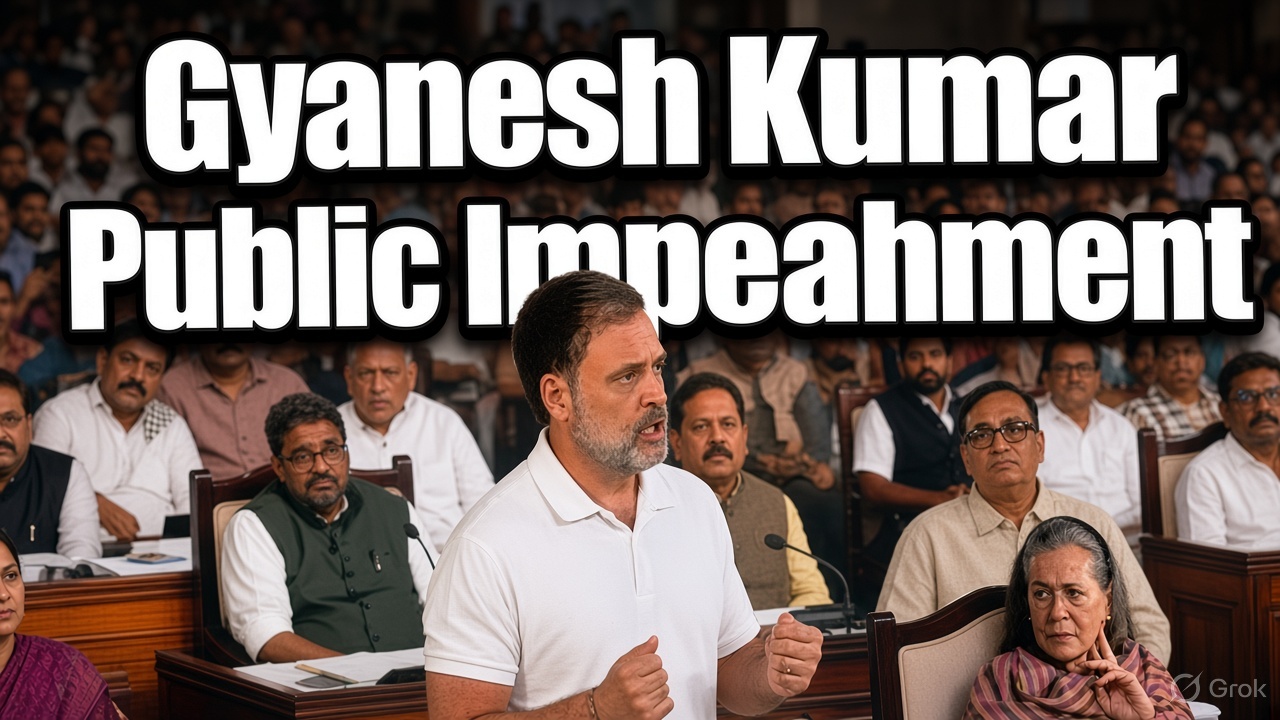
India's proposed sale of IDBI Bank to a Fairfax-linked entity has raised questions about the valuation process, the sequence of bidding and the regulatory conditions governing the deal. The government maintains that due procedure was followed. The Opposition, led by Rahul Gandhi, wants to know whether the bank's valuation was settled before or after officials examined the bids.
At the centre of the controversy is a proposed ₹52,878 crore transaction involving the government's and Life Insurance Corporation's (LIC) combined controlling stake. The debate is no longer limited to the sale price. It also concerns the transparency of the bidding process and whether all potential buyers were treated equally.
The ₹52,878 Crore Deal
The government and LIC together hold a 60.72% stake in IDBI Bank. The proposed sale of this controlling stake to a Fairfax-linked entity, led by Canadian billionaire Prem Watsa, has brought India's privatisation process under scrutiny.
Fairfax is set to pay ₹81 per share, above the benchmark fair value of ₹75.99 determined by two independent valuation agencies.
The difference between these two figures is central to the government's defence. It argues that the winning offer exceeded the independently assessed value. Critics, however, are questioning how that benchmark was arrived at and when it was finalised.
In a transparent disinvestment process, the valuation benchmark and the sequence of bidding are important safeguards. The concern is whether these safeguards were followed in the IDBI transaction.
The Valuation Question
The first round of bidding did not produce the expected outcome. Reports in March 2026 said that bids from Fairfax and Emirates NBD fell below the reserve price, raising the possibility that the process would be discontinued.
The government subsequently initiated a fresh valuation exercise before considering new bids.
The controversy centres on what happened during this second round. Businessworld, citing an internal government note, reported that officials opened Fairfax's sealed bid before the revised valuation was completed. Another report based on the note described a revision of the reserve-price process after Fairfax's initial offer fell short of the earlier threshold.
The note also reportedly recorded that two of the four parties cleared to participate did not submit bids, while the second bidder did not revise its offer. This left Fairfax as the only bidder whose revised offer remained under consideration.
On October 30, Rahul Gandhi questioned the sequence of events, alleging that the government saw the bid first and fixed the price afterwards. He also questioned why a profitable public sector bank was being sold and said the government had not adequately answered his questions in Parliament.
IDBI Bank reported a profit of more than ₹9,000 crore in the previous financial year, a substantial turnaround from the losses it had reported seven years earlier.
Opposition figures have also cited an earlier valuation of ₹94.42 per share. However, this figure needs to be treated as an Opposition claim unless supported by the relevant valuation documents. The reported benchmark in the current transaction is ₹75.99 per share.
The central issue, therefore, is not simply whether ₹81 is higher than ₹75.99. It is whether the valuation and bidding sequence followed the rules laid down for the disinvestment.
The Two-Bank Ownership Question
Another issue concerns Fairfax's existing investment in CSB Bank.
Reserve Bank of India (RBI) regulations restrict an entity from owning and operating two separate banks in a manner that violates applicable banking ownership rules. Fairfax holds approximately 40% of CSB Bank, making its proposed acquisition of IDBI Bank a regulatory concern.
Reuters has reported that Fairfax could get up to two years to either divest its stake in CSB Bank or merge it with IDBI Bank.
Critics have questioned whether such a transition period would amount to preferential treatment for the successful bidder.
There are important qualifications to this debate. Fairfax's reported holding in CSB Bank is approximately 40%, not 50%. A government official has also described the reported two-year window as speculative. Media reports suggest that Fairfax has indicated its willingness to fully divest its CSB Bank holding after acquiring IDBI, but this should not be confused with a formal regulatory disclosure.
If a transition period is eventually granted, the RBI will need to clarify its conditions and explain whether comparable flexibility would have been available to other bidders.
What the Government Says
The Department of Investment and Public Asset Management (DIPAM) has rejected allegations of procedural irregularities. It says the second round, described as the "best offer" round, followed a procedure approved by the Core Group of Secretaries on Disinvestment (CGD), which had been authorised by the Cabinet Committee on Economic Affairs.
According to DIPAM, the reserve price was neither reduced nor increased. It argues that the first round had ceased to have effect after the initial bids were rejected, making the subsequent exercise a separate process.
The government has also defended the valuation methodology. It says two independent professional agencies assessed IDBI Bank using separate methods: the Market Multiple Method and the Asset Valuation Method. Their assessments produced an average benchmark of ₹75.99 per share, against which Fairfax's ₹81 offer was evaluated.
DIPAM maintains that the process remained double-blind because the bidder did not know the valuation and the valuers did not have access to the bids. It also argues that the final offer increased the transaction value by ₹3,917 crore compared with the earlier offer.
Another contentious issue is the government's agreement to cover disputed income tax demands relating to IDBI Bank. DIPAM has put the potential liability at ₹627 crore and argued that the arrangement helped secure a higher offer. Critics, however, have questioned the extent of the government's financial exposure and the terms of this protection.
Finance Minister Nirmala Sitharaman has also defended the government's record, arguing that IDBI Bank was handed over to the present administration in poor financial condition. She has blamed the previous UPA government for forcing the bank to lend to large business groups close to Congress leaders. The Opposition, meanwhile, points to the bank's subsequent recovery and profitability as a reason to question the need for its privatisation.
Why the Dispute Matters
The IDBI Bank transaction raises questions that go beyond the political exchanges between the government and the Opposition.
The government's principal argument is that the final offer of ₹81 per share exceeded the independent valuation benchmark of ₹75.99. It also maintains that the revised bidding process increased the value of the transaction and followed an authorised procedure.
The critics' central concern is the sequence of events. If officials opened the revised bid before the valuation methodology and benchmark were finalised, the government needs to explain how the process complied with its own disinvestment guidelines. DIPAM disputes the allegation and says the first round and the subsequent best-offer round were separate exercises.
The question is particularly important because the original reserve price was reportedly ₹94.42 per share, while the final benchmark was ₹75.99. The government needs to explain the change in valuation methodology and the reasons for arriving at the revised benchmark.
There are also wider public-interest concerns. Rahul Gandhi has warned that privatisation could end reservation provisions for Scheduled Castes, Scheduled Tribes and Other Backward Classes in the bank. Employee unions have raised concerns about job security, service conditions and the future of the institution. Depositor protection and the bank's public-sector legacy are also part of the debate.
The transaction also raises a broader policy question: should a profitable public sector bank be privatised, and what safeguards should govern such a decision?
The IDBI Bank sale is not merely a question of whether the government has secured a price above the latest valuation benchmark. It is also a test of transparency in the management of public assets.
If the process was fair, the government should have little difficulty explaining the sequence of decisions, publishing the relevant documents and addressing questions about the valuation methodology.
A transaction involving ₹52,878 crore of public shareholding deserves more than competing political claims. It requires a process that can withstand public, parliamentary and regulatory scrutiny.
India's proposed sale of IDBI Bank to a Fairfax-linked entity has raised questions about the valuation process, the sequence of bidding and the regulatory conditions governing the deal. The government maintains that due procedure was followed. The Opposition, led by Rahul Gandhi, wants to know whether the bank's valuation was settled before or after officials examined the bids.
At the centre of the controversy is a proposed ₹52,878 crore transaction involving the government's and Life Insurance Corporation's (LIC) combined controlling stake. The debate is no longer limited to the sale price. It also concerns the transparency of the bidding process and whether all potential buyers were treated equally.
The ₹52,878 Crore Deal
The government and LIC together hold a 60.72% stake in IDBI Bank. The proposed sale of this controlling stake to a Fairfax-linked entity, led by Canadian billionaire Prem Watsa, has brought India's privatisation process under scrutiny.
Fairfax is set to pay ₹81 per share, above the benchmark fair value of ₹75.99 determined by two independent valuation agencies.
The difference between these two figures is central to the government's defence. It argues that the winning offer exceeded the independently assessed value. Critics, however, are questioning how that benchmark was arrived at and when it was finalised.
In a transparent disinvestment process, the valuation benchmark and the sequence of bidding are important safeguards. The concern is whether these safeguards were followed in the IDBI transaction.
The Valuation Question
The first round of bidding did not produce the expected outcome. Reports in March 2026 said that bids from Fairfax and Emirates NBD fell below the reserve price, raising the possibility that the process would be discontinued.
The government subsequently initiated a fresh valuation exercise before considering new bids.
The controversy centres on what happened during this second round. Businessworld, citing an internal government note, reported that officials opened Fairfax's sealed bid before the revised valuation was completed. Another report based on the note described a revision of the reserve-price process after Fairfax's initial offer fell short of the earlier threshold.
The note also reportedly recorded that two of the four parties cleared to participate did not submit bids, while the second bidder did not revise its offer. This left Fairfax as the only bidder whose revised offer remained under consideration.
On October 30, Rahul Gandhi questioned the sequence of events, alleging that the government saw the bid first and fixed the price afterwards. He also questioned why a profitable public sector bank was being sold and said the government had not adequately answered his questions in Parliament.
IDBI Bank reported a profit of more than ₹9,000 crore in the previous financial year, a substantial turnaround from the losses it had reported seven years earlier.
Opposition figures have also cited an earlier valuation of ₹94.42 per share. However, this figure needs to be treated as an Opposition claim unless supported by the relevant valuation documents. The reported benchmark in the current transaction is ₹75.99 per share.
The central issue, therefore, is not simply whether ₹81 is higher than ₹75.99. It is whether the valuation and bidding sequence followed the rules laid down for the disinvestment.
The Two-Bank Ownership Question
Another issue concerns Fairfax's existing investment in CSB Bank.
Reserve Bank of India (RBI) regulations restrict an entity from owning and operating two separate banks in a manner that violates applicable banking ownership rules. Fairfax holds approximately 40% of CSB Bank, making its proposed acquisition of IDBI Bank a regulatory concern.
Reuters has reported that Fairfax could get up to two years to either divest its stake in CSB Bank or merge it with IDBI Bank.
Critics have questioned whether such a transition period would amount to preferential treatment for the successful bidder.
There are important qualifications to this debate. Fairfax's reported holding in CSB Bank is approximately 40%, not 50%. A government official has also described the reported two-year window as speculative. Media reports suggest that Fairfax has indicated its willingness to fully divest its CSB Bank holding after acquiring IDBI, but this should not be confused with a formal regulatory disclosure.
If a transition period is eventually granted, the RBI will need to clarify its conditions and explain whether comparable flexibility would have been available to other bidders.
What the Government Says
The Department of Investment and Public Asset Management (DIPAM) has rejected allegations of procedural irregularities. It says the second round, described as the "best offer" round, followed a procedure approved by the Core Group of Secretaries on Disinvestment (CGD), which had been authorised by the Cabinet Committee on Economic Affairs.
According to DIPAM, the reserve price was neither reduced nor increased. It argues that the first round had ceased to have effect after the initial bids were rejected, making the subsequent exercise a separate process.
The government has also defended the valuation methodology. It says two independent professional agencies assessed IDBI Bank using separate methods: the Market Multiple Method and the Asset Valuation Method. Their assessments produced an average benchmark of ₹75.99 per share, against which Fairfax's ₹81 offer was evaluated.
DIPAM maintains that the process remained double-blind because the bidder did not know the valuation and the valuers did not have access to the bids. It also argues that the final offer increased the transaction value by ₹3,917 crore compared with the earlier offer.
Another contentious issue is the government's agreement to cover disputed income tax demands relating to IDBI Bank. DIPAM has put the potential liability at ₹627 crore and argued that the arrangement helped secure a higher offer. Critics, however, have questioned the extent of the government's financial exposure and the terms of this protection.
Finance Minister Nirmala Sitharaman has also defended the government's record, arguing that IDBI Bank was handed over to the present administration in poor financial condition. She has blamed the previous UPA government for forcing the bank to lend to large business groups close to Congress leaders. The Opposition, meanwhile, points to the bank's subsequent recovery and profitability as a reason to question the need for its privatisation.
Why the Dispute Matters
The IDBI Bank transaction raises questions that go beyond the political exchanges between the government and the Opposition.
The government's principal argument is that the final offer of ₹81 per share exceeded the independent valuation benchmark of ₹75.99. It also maintains that the revised bidding process increased the value of the transaction and followed an authorised procedure.
The critics' central concern is the sequence of events. If officials opened the revised bid before the valuation methodology and benchmark were finalised, the government needs to explain how the process complied with its own disinvestment guidelines. DIPAM disputes the allegation and says the first round and the subsequent best-offer round were separate exercises.
The question is particularly important because the original reserve price was reportedly ₹94.42 per share, while the final benchmark was ₹75.99. The government needs to explain the change in valuation methodology and the reasons for arriving at the revised benchmark.
There are also wider public-interest concerns. Rahul Gandhi has warned that privatisation could end reservation provisions for Scheduled Castes, Scheduled Tribes and Other Backward Classes in the bank. Employee unions have raised concerns about job security, service conditions and the future of the institution. Depositor protection and the bank's public-sector legacy are also part of the debate.
The transaction also raises a broader policy question: should a profitable public sector bank be privatised, and what safeguards should govern such a decision?
The IDBI Bank sale is not merely a question of whether the government has secured a price above the latest valuation benchmark. It is also a test of transparency in the management of public assets.
If the process was fair, the government should have little difficulty explaining the sequence of decisions, publishing the relevant documents and addressing questions about the valuation methodology.
A transaction involving ₹52,878 crore of public shareholding deserves more than competing political claims. It requires a process that can withstand public, parliamentary and regulatory scrutiny.























Leave a Comment