
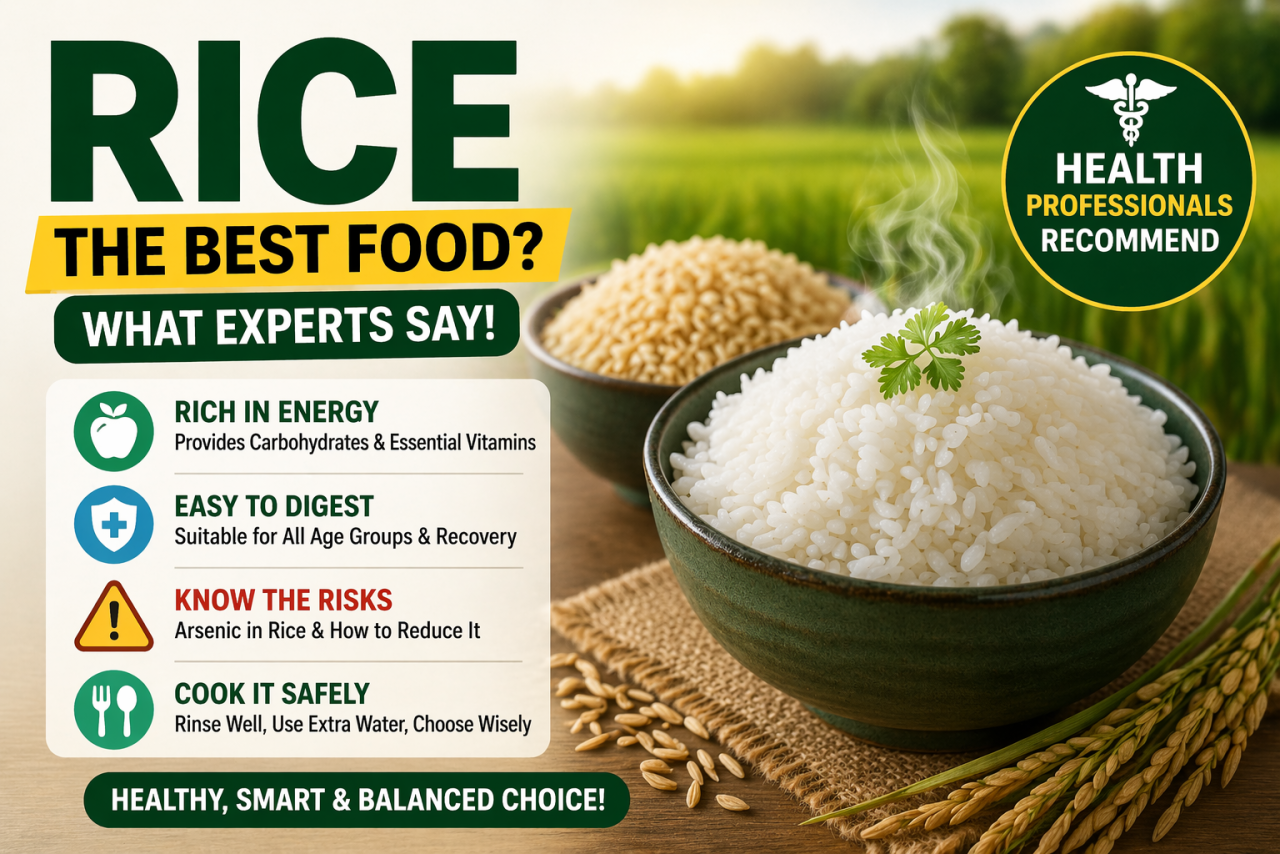
Rice is a daily staple for billions, but is it truly the healthiest choice? Experts reveal the facts, benefits, and hidden risks you need to know.
Rice is one of the most widely consumed foods in the world. It feeds more than half of the global population every day. In countries like India, it is a part of daily meals across regions. Health professionals often consider rice a reliable and balanced food. It provides energy, is easy to digest, and suits people of all age groups.
Nutritionists highlight that rice is rich in carbohydrates. Carbohydrates are the body’s main source of energy. A single cup of cooked rice gives around 200 calories. It contains very little fat and no cholesterol. This makes it a safe option for people who want a light and clean diet. Rice also contains small amounts of protein, along with essential vitamins like B1 and B6.
White rice and brown rice are the two most common types. Brown rice is often promoted as the healthier option. It contains more fiber because the outer layer is not removed. Fiber helps in digestion and keeps the stomach full for longer. It also helps control blood sugar levels. However, experts now point out that the choice is not always simple.
Recent studies have raised concerns about arsenic levels in rice. Arsenic is a toxic element found naturally in soil and water. Rice absorbs more arsenic compared to other grains. This happens because it is grown in flooded fields. Long-term exposure to arsenic may increase health risks. It may affect the nervous system and increase the risk of certain diseases.
Nutritionist Dr. Federica Amati has explained that brown rice may contain higher arsenic levels than white rice. This is because arsenic collects in the outer layer of the grain. Since brown rice keeps that layer, it may carry more of this substance. This does not mean brown rice is unsafe. It means people should consume it in moderation.
Experts suggest that variety is important in diet. Eating different grains can reduce risk. You can include wheat, millets, and oats along with rice. This ensures balanced nutrition and limits exposure to any one element. Rice can still remain a central part of meals.
The way rice is cooked also plays an important role. Studies show that rinsing rice thoroughly before cooking can reduce arsenic levels. Cooking rice in excess water and draining it later can also help. A common method is to cook rice in a 6:1 water ratio and then remove the extra water. This process can significantly lower harmful content.
Health professionals also suggest choosing rice from reliable sources. Basmati rice from regions like India and Pakistan is often considered a better option. It is known to have lower arsenic levels compared to some other varieties. Organic rice is another choice that some experts recommend.
Rice has many benefits beyond nutrition. It is gluten-free. This makes it suitable for people with gluten intolerance. It is also easy to digest. This is why it is often given to patients during recovery. Athletes also prefer rice because it provides quick energy without heaviness.
Portion control is another key factor. Eating too much rice can lead to excess calorie intake. This may result in weight gain over time. A balanced plate should include vegetables, protein, and a moderate portion of rice. This ensures better health outcomes.
Rice also plays a cultural and economic role. It supports millions of farmers. It is affordable and accessible. This makes it an important part of food security in many countries.
In conclusion, rice remains one of the best staple foods according to health professionals. It is nutritious, versatile, and widely available. At the same time, awareness about arsenic and cooking methods is important. A balanced approach can help people enjoy rice safely. Including variety in diet and following simple cooking practices can make rice a healthy and dependable choice.
Rice is one of the most widely consumed foods in the world. It feeds more than half of the global population every day. In countries like India, it is a part of daily meals across regions. Health professionals often consider rice a reliable and balanced food. It provides energy, is easy to digest, and suits people of all age groups.
Nutritionists highlight that rice is rich in carbohydrates. Carbohydrates are the body’s main source of energy. A single cup of cooked rice gives around 200 calories. It contains very little fat and no cholesterol. This makes it a safe option for people who want a light and clean diet. Rice also contains small amounts of protein, along with essential vitamins like B1 and B6.
White rice and brown rice are the two most common types. Brown rice is often promoted as the healthier option. It contains more fiber because the outer layer is not removed. Fiber helps in digestion and keeps the stomach full for longer. It also helps control blood sugar levels. However, experts now point out that the choice is not always simple.
Recent studies have raised concerns about arsenic levels in rice. Arsenic is a toxic element found naturally in soil and water. Rice absorbs more arsenic compared to other grains. This happens because it is grown in flooded fields. Long-term exposure to arsenic may increase health risks. It may affect the nervous system and increase the risk of certain diseases.
Nutritionist Dr. Federica Amati has explained that brown rice may contain higher arsenic levels than white rice. This is because arsenic collects in the outer layer of the grain. Since brown rice keeps that layer, it may carry more of this substance. This does not mean brown rice is unsafe. It means people should consume it in moderation.
Experts suggest that variety is important in diet. Eating different grains can reduce risk. You can include wheat, millets, and oats along with rice. This ensures balanced nutrition and limits exposure to any one element. Rice can still remain a central part of meals.
The way rice is cooked also plays an important role. Studies show that rinsing rice thoroughly before cooking can reduce arsenic levels. Cooking rice in excess water and draining it later can also help. A common method is to cook rice in a 6:1 water ratio and then remove the extra water. This process can significantly lower harmful content.
Health professionals also suggest choosing rice from reliable sources. Basmati rice from regions like India and Pakistan is often considered a better option. It is known to have lower arsenic levels compared to some other varieties. Organic rice is another choice that some experts recommend.
Rice has many benefits beyond nutrition. It is gluten-free. This makes it suitable for people with gluten intolerance. It is also easy to digest. This is why it is often given to patients during recovery. Athletes also prefer rice because it provides quick energy without heaviness.
Portion control is another key factor. Eating too much rice can lead to excess calorie intake. This may result in weight gain over time. A balanced plate should include vegetables, protein, and a moderate portion of rice. This ensures better health outcomes.
Rice also plays a cultural and economic role. It supports millions of farmers. It is affordable and accessible. This makes it an important part of food security in many countries.
In conclusion, rice remains one of the best staple foods according to health professionals. It is nutritious, versatile, and widely available. At the same time, awareness about arsenic and cooking methods is important. A balanced approach can help people enjoy rice safely. Including variety in diet and following simple cooking practices can make rice a healthy and dependable choice.




























Leave a Comment