

When heatwaves become the new normal, survival isn’t about drinking more water—it’s about rethinking how you eat, hydrate, and live each day.
As temperatures climb across India each year, heatwaves are no longer rare events but a recurring challenge. Cities and villages alike are experiencing longer and more intense spells of heat, making survival strategies more important than ever. While most people instinctively reach for a glass of water, beating the heat today demands a more thoughtful and holistic approach—one that goes beyond simple hydration.
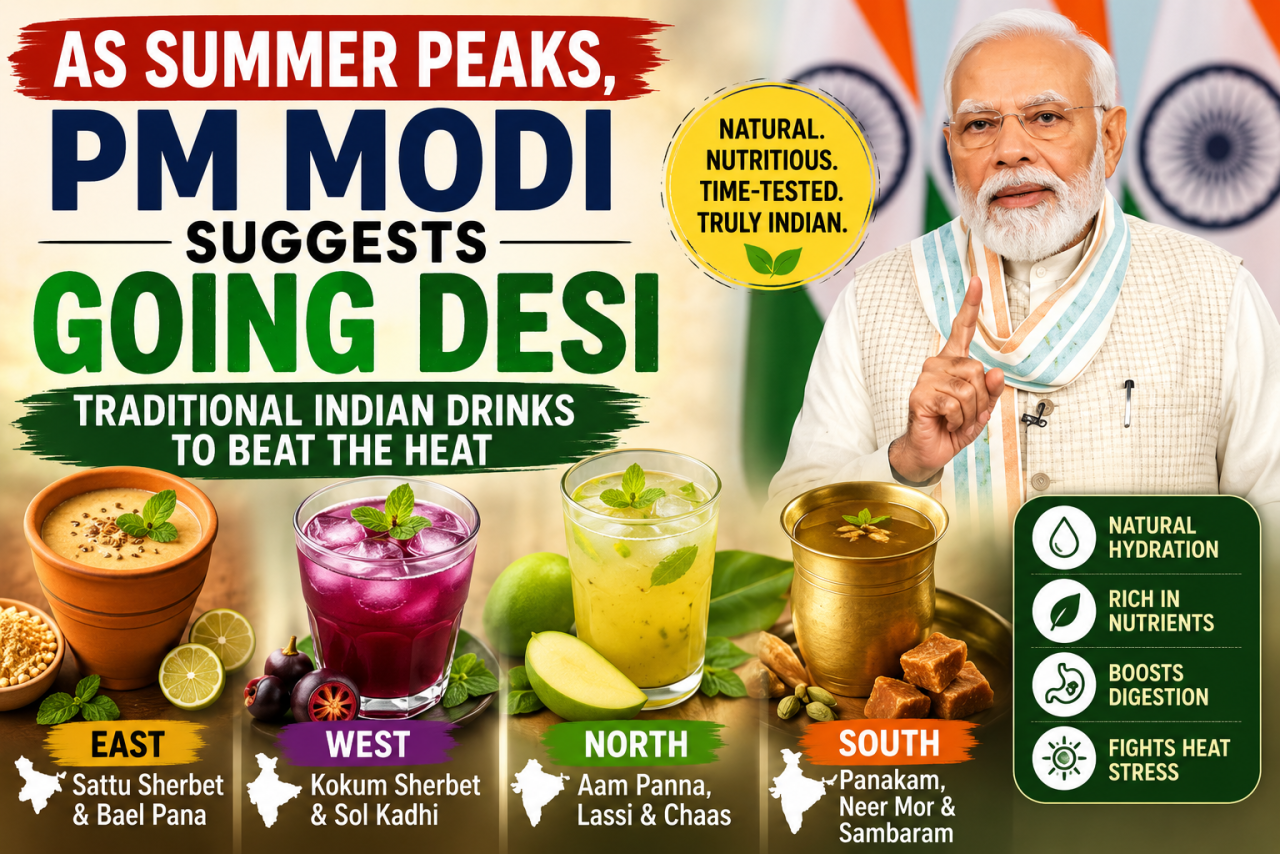
The first step is to understand that heat affects the body in multiple ways. Excessive sweating leads to the loss of not just water but also essential salts. This imbalance can cause fatigue, dizziness, and even heatstroke. Therefore, hydration should not be limited to plain water alone. Natural drinks like buttermilk, coconut water, and homemade lemon water with a pinch of salt can help restore electrolytes and keep the body balanced. These traditional options are not only effective but also easily accessible across India.
Food choices also play a crucial role in managing heat. Light, water-rich foods are easier to digest and help regulate body temperature. Seasonal fruits such as watermelon, muskmelon, mango (in moderation), and cucumbers act as natural coolants. They are packed with water content and essential vitamins, making them ideal for summer diets. Including fresh vegetables like bottle gourd, ridge gourd, and leafy greens can further support digestion and hydration.
A new approach to summer eating is shifting from heavy meals to smaller, more frequent portions. Instead of consuming large meals that burden the digestive system, lighter meals spaced throughout the day help maintain energy levels without generating excess body heat. Simple dishes like curd rice, khichdi, or lightly cooked vegetables are not only comforting but also effective in keeping the body cool.
However, what we avoid is just as important as what we consume. Caffeinated drinks, sugary sodas, and alcohol can worsen dehydration. Similarly, spicy and oily foods increase internal heat and make digestion harder during hot weather. Reducing these items can significantly improve the body’s ability to cope with rising temperatures.
Another often overlooked aspect is timing. Adjusting daily routines to align with cooler parts of the day can make a noticeable difference. Outdoor activities should be limited to early mornings or late evenings. Wearing loose, light-colored cotton clothing helps the body breathe and reduces heat absorption. Creating cooler indoor spaces by using curtains, proper ventilation, or even traditional cooling methods like earthen pots can provide relief without heavy dependence on air conditioning.
Importantly, certain groups need extra care during extreme heat. Elderly individuals, children, and people with health conditions such as diabetes or heart issues are more vulnerable. Their bodies may not adapt quickly to temperature changes, making preventive measures essential. Regular hydration, avoiding direct sun exposure, and monitoring early signs like dizziness or unusual fatigue can prevent serious complications.
Mental awareness is another emerging factor in dealing with heat. Many people ignore early symptoms of dehydration or heat exhaustion, assuming it is just tiredness. A more mindful approach—listening to the body and responding promptly—can be lifesaving. Employers and institutions also have a role to play by ensuring shaded areas, access to water, and flexible working hours during peak heat periods.
In the face of rising temperatures, beating the heat is no longer about quick fixes. It is about adapting lifestyles, respecting seasonal needs, and reviving simple, traditional practices with a modern understanding. By combining smart hydration, mindful eating, and practical daily adjustments, individuals can not only survive the summer but stay healthy and active despite the heat.
As temperatures climb across India each year, heatwaves are no longer rare events but a recurring challenge. Cities and villages alike are experiencing longer and more intense spells of heat, making survival strategies more important than ever. While most people instinctively reach for a glass of water, beating the heat today demands a more thoughtful and holistic approach—one that goes beyond simple hydration.
The first step is to understand that heat affects the body in multiple ways. Excessive sweating leads to the loss of not just water but also essential salts. This imbalance can cause fatigue, dizziness, and even heatstroke. Therefore, hydration should not be limited to plain water alone. Natural drinks like buttermilk, coconut water, and homemade lemon water with a pinch of salt can help restore electrolytes and keep the body balanced. These traditional options are not only effective but also easily accessible across India.
Food choices also play a crucial role in managing heat. Light, water-rich foods are easier to digest and help regulate body temperature. Seasonal fruits such as watermelon, muskmelon, mango (in moderation), and cucumbers act as natural coolants. They are packed with water content and essential vitamins, making them ideal for summer diets. Including fresh vegetables like bottle gourd, ridge gourd, and leafy greens can further support digestion and hydration.
A new approach to summer eating is shifting from heavy meals to smaller, more frequent portions. Instead of consuming large meals that burden the digestive system, lighter meals spaced throughout the day help maintain energy levels without generating excess body heat. Simple dishes like curd rice, khichdi, or lightly cooked vegetables are not only comforting but also effective in keeping the body cool.
However, what we avoid is just as important as what we consume. Caffeinated drinks, sugary sodas, and alcohol can worsen dehydration. Similarly, spicy and oily foods increase internal heat and make digestion harder during hot weather. Reducing these items can significantly improve the body’s ability to cope with rising temperatures.
Another often overlooked aspect is timing. Adjusting daily routines to align with cooler parts of the day can make a noticeable difference. Outdoor activities should be limited to early mornings or late evenings. Wearing loose, light-colored cotton clothing helps the body breathe and reduces heat absorption. Creating cooler indoor spaces by using curtains, proper ventilation, or even traditional cooling methods like earthen pots can provide relief without heavy dependence on air conditioning.
Importantly, certain groups need extra care during extreme heat. Elderly individuals, children, and people with health conditions such as diabetes or heart issues are more vulnerable. Their bodies may not adapt quickly to temperature changes, making preventive measures essential. Regular hydration, avoiding direct sun exposure, and monitoring early signs like dizziness or unusual fatigue can prevent serious complications.
Mental awareness is another emerging factor in dealing with heat. Many people ignore early symptoms of dehydration or heat exhaustion, assuming it is just tiredness. A more mindful approach—listening to the body and responding promptly—can be lifesaving. Employers and institutions also have a role to play by ensuring shaded areas, access to water, and flexible working hours during peak heat periods.
In the face of rising temperatures, beating the heat is no longer about quick fixes. It is about adapting lifestyles, respecting seasonal needs, and reviving simple, traditional practices with a modern understanding. By combining smart hydration, mindful eating, and practical daily adjustments, individuals can not only survive the summer but stay healthy and active despite the heat.


























Leave a Comment