
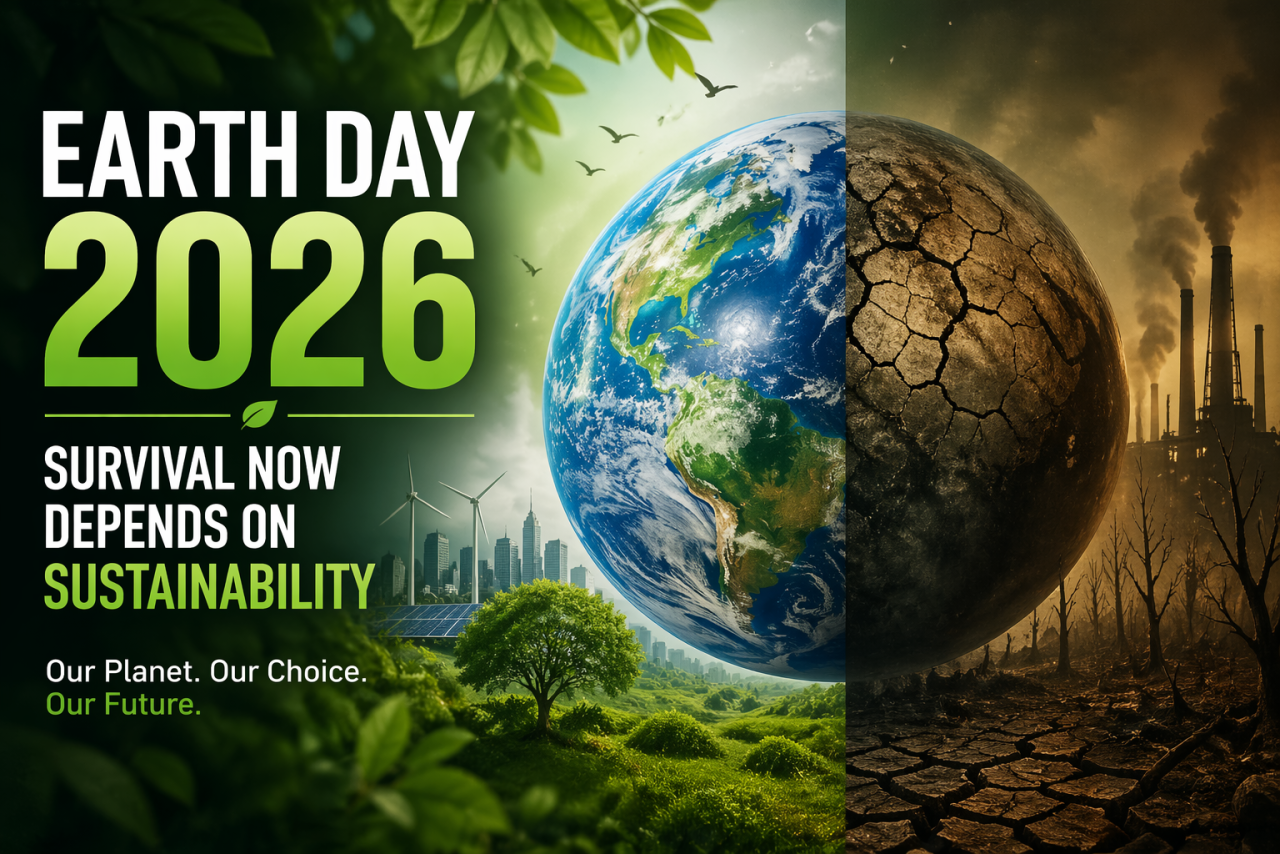
Earth Day 2026 arrives with a warning from nature itself: the balance that sustains life is no longer guaranteed—it must now be protected.
Every age believes it stands at a turning point, but some moments carry clearer signs than others. April 2026 arrives with a growing awareness that the balance sustaining life is under unusual strain—not from distant natural upheavals, but from the cumulative weight of human activity. On this Earth Day, the question is no longer abstract. It is immediate: can life keep pace with the speed of change now unfolding?
The natural world has always been shaped by gradual shifts. Landscapes evolve, climates fluctuate, and species adjust over long stretches of time. These processes are typically slow, allowing ecosystems to maintain equilibrium even as they transform. Today, however, the tempo has altered. Change is no longer patient. It is rapid, widespread, and often disruptive.
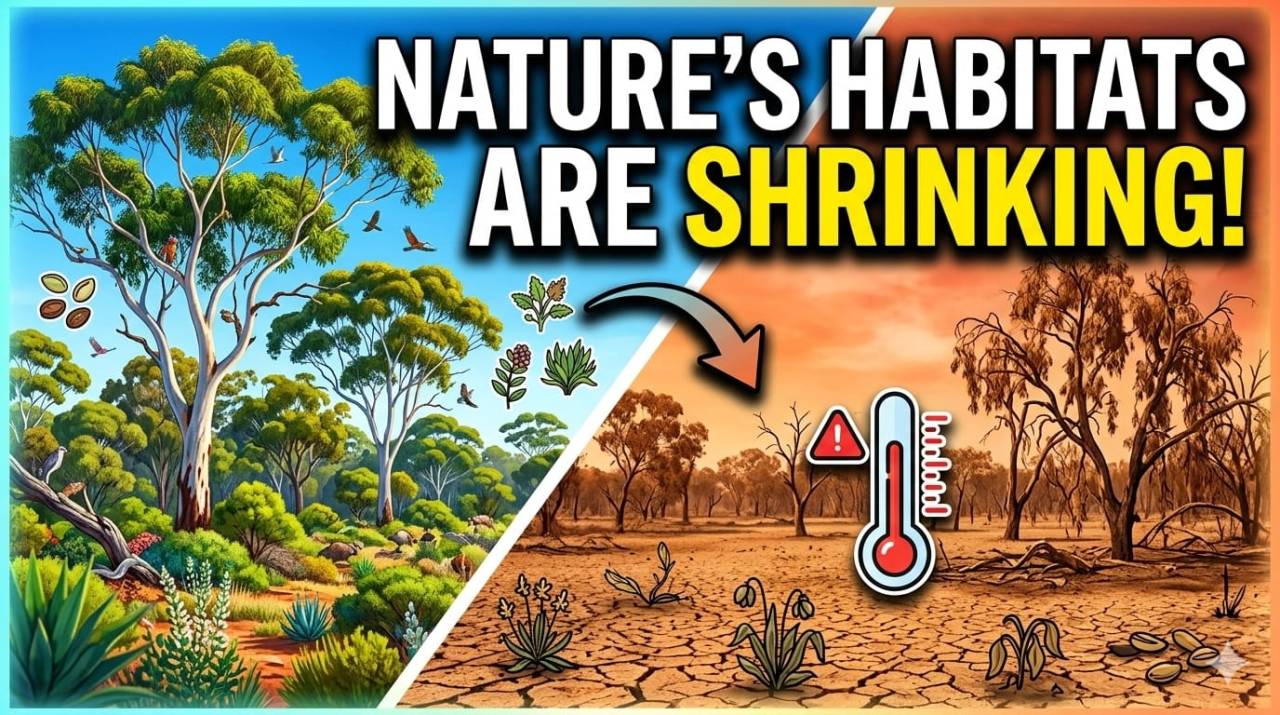
Forests that once functioned as dense reservoirs of biodiversity are shrinking. Rivers, once self-renewing, now struggle under the burden of waste. The atmosphere, long stable in its composition, is undergoing measurable shifts that influence weather patterns across continents. These are not isolated developments but interconnected signals of a system under pressure.
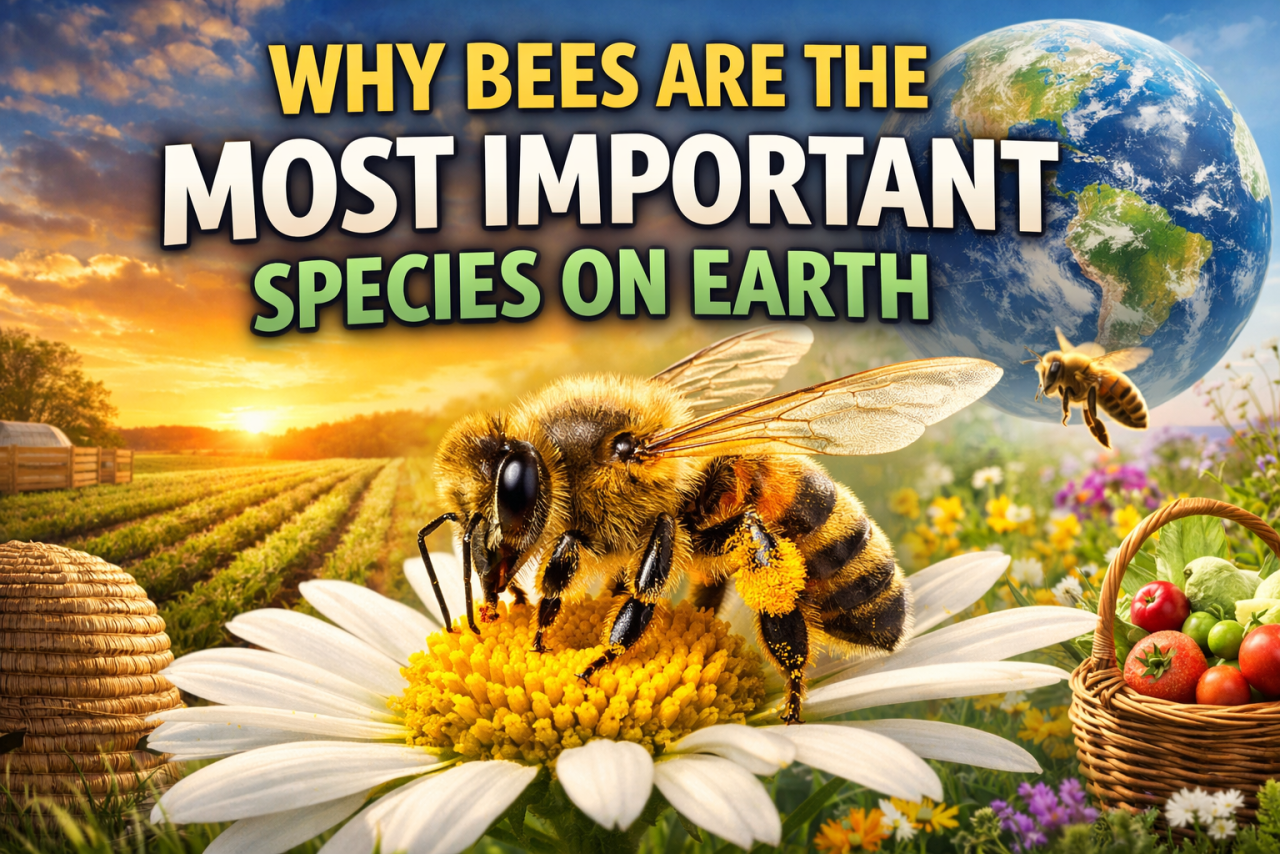
The consequences are visible across species. Many forms of life are finding it increasingly difficult to adjust to new conditions. Coral reefs, among the most intricate ecosystems, are bleaching and deteriorating. Pollinators—essential to agriculture and wild plant life—are declining at concerning rates. Migratory species, guided for generations by stable seasonal cues, now encounter uncertainty as those patterns grow less predictable.
Yet, alongside these signs of strain, there are instances of adaptation. Certain species adjust their behaviour, altering feeding patterns, habitats, or even physical traits in response to changing surroundings. Urban environments, for example, have become unlikely arenas of adaptation, where life persists in modified forms. These developments demonstrate resilience—but also underline a critical limitation.
Adaptation requires time. It depends on gradual variation and the steady selection of traits suited to prevailing conditions. When environmental shifts occur too quickly, many species are left without the opportunity to adjust. In such circumstances, decline becomes more common than adaptation.
This is where the present moment diverges from earlier periods of change. The driving force is no longer solely natural. Human activity has become a dominant influence, capable of altering ecosystems at a scale and speed previously unseen. This introduces a dimension that did not exist before: the capacity for awareness and choice.
Unlike other species, humans are not confined to reacting after change occurs. There is the ability to anticipate consequences, to measure impact, and to alter behaviour accordingly. This capacity carries responsibility. It shifts the narrative from inevitability to decision.
The idea of survival, often reduced to competition and dominance, takes on a different meaning in this context. Endurance is no longer defined by expansion alone, but by the ability to maintain the conditions that make life possible. A system pushed beyond its limits does not distinguish between the species that caused the strain and those that merely inhabit it.
Encouragingly, there are signs of recognition. Efforts to restore forests, protect endangered species, and transition toward less damaging forms of energy are gaining ground. These initiatives, though uneven, reflect an understanding that the well-being of human societies is inseparable from the health of the natural world.
However, the scale of the challenge suggests that incremental steps may not be enough. The pressures on ecosystems are systemic, and addressing them requires changes that extend beyond isolated actions. It calls for a reconsideration of how resources are used, how growth is defined, and how progress is measured.
On this Earth Day, the significance lies not in symbolic gestures, but in the recognition of limits. The natural world operates within boundaries—thresholds beyond which recovery becomes uncertain. Respecting those boundaries is no longer a matter of idealism; it is a matter of survival.
There is, nevertheless, a measure of cautious optimism. The same force capable of disruption—the human capacity for innovation—also holds the potential for correction. Technologies that reduce environmental strain, policies that prioritise sustainability, and cultural shifts toward mindful consumption all point to possible pathways forward.
The defining question of this era is not whether change will occur. It is whether that change will be guided with foresight or allowed to unfold unchecked. The answer will shape not only the fate of countless species, but the future of human life itself.
Earth Day 2026 serves as a reminder that the conditions supporting life are neither fixed nor guaranteed. They are maintained through balance—a balance that now requires conscious effort. Survival, in this age, may depend less on the ability to outcompete and more on the willingness to restrain.
In that restraint lies the possibility of continuity.
Every age believes it stands at a turning point, but some moments carry clearer signs than others. April 2026 arrives with a growing awareness that the balance sustaining life is under unusual strain—not from distant natural upheavals, but from the cumulative weight of human activity. On this Earth Day, the question is no longer abstract. It is immediate: can life keep pace with the speed of change now unfolding?
The natural world has always been shaped by gradual shifts. Landscapes evolve, climates fluctuate, and species adjust over long stretches of time. These processes are typically slow, allowing ecosystems to maintain equilibrium even as they transform. Today, however, the tempo has altered. Change is no longer patient. It is rapid, widespread, and often disruptive.
Forests that once functioned as dense reservoirs of biodiversity are shrinking. Rivers, once self-renewing, now struggle under the burden of waste. The atmosphere, long stable in its composition, is undergoing measurable shifts that influence weather patterns across continents. These are not isolated developments but interconnected signals of a system under pressure.
The consequences are visible across species. Many forms of life are finding it increasingly difficult to adjust to new conditions. Coral reefs, among the most intricate ecosystems, are bleaching and deteriorating. Pollinators—essential to agriculture and wild plant life—are declining at concerning rates. Migratory species, guided for generations by stable seasonal cues, now encounter uncertainty as those patterns grow less predictable.
Yet, alongside these signs of strain, there are instances of adaptation. Certain species adjust their behaviour, altering feeding patterns, habitats, or even physical traits in response to changing surroundings. Urban environments, for example, have become unlikely arenas of adaptation, where life persists in modified forms. These developments demonstrate resilience—but also underline a critical limitation.
Adaptation requires time. It depends on gradual variation and the steady selection of traits suited to prevailing conditions. When environmental shifts occur too quickly, many species are left without the opportunity to adjust. In such circumstances, decline becomes more common than adaptation.
This is where the present moment diverges from earlier periods of change. The driving force is no longer solely natural. Human activity has become a dominant influence, capable of altering ecosystems at a scale and speed previously unseen. This introduces a dimension that did not exist before: the capacity for awareness and choice.
Unlike other species, humans are not confined to reacting after change occurs. There is the ability to anticipate consequences, to measure impact, and to alter behaviour accordingly. This capacity carries responsibility. It shifts the narrative from inevitability to decision.
The idea of survival, often reduced to competition and dominance, takes on a different meaning in this context. Endurance is no longer defined by expansion alone, but by the ability to maintain the conditions that make life possible. A system pushed beyond its limits does not distinguish between the species that caused the strain and those that merely inhabit it.
Encouragingly, there are signs of recognition. Efforts to restore forests, protect endangered species, and transition toward less damaging forms of energy are gaining ground. These initiatives, though uneven, reflect an understanding that the well-being of human societies is inseparable from the health of the natural world.
However, the scale of the challenge suggests that incremental steps may not be enough. The pressures on ecosystems are systemic, and addressing them requires changes that extend beyond isolated actions. It calls for a reconsideration of how resources are used, how growth is defined, and how progress is measured.
On this Earth Day, the significance lies not in symbolic gestures, but in the recognition of limits. The natural world operates within boundaries—thresholds beyond which recovery becomes uncertain. Respecting those boundaries is no longer a matter of idealism; it is a matter of survival.
There is, nevertheless, a measure of cautious optimism. The same force capable of disruption—the human capacity for innovation—also holds the potential for correction. Technologies that reduce environmental strain, policies that prioritise sustainability, and cultural shifts toward mindful consumption all point to possible pathways forward.
The defining question of this era is not whether change will occur. It is whether that change will be guided with foresight or allowed to unfold unchecked. The answer will shape not only the fate of countless species, but the future of human life itself.
Earth Day 2026 serves as a reminder that the conditions supporting life are neither fixed nor guaranteed. They are maintained through balance—a balance that now requires conscious effort. Survival, in this age, may depend less on the ability to outcompete and more on the willingness to restrain.
In that restraint lies the possibility of continuity.

















Leave a Comment