
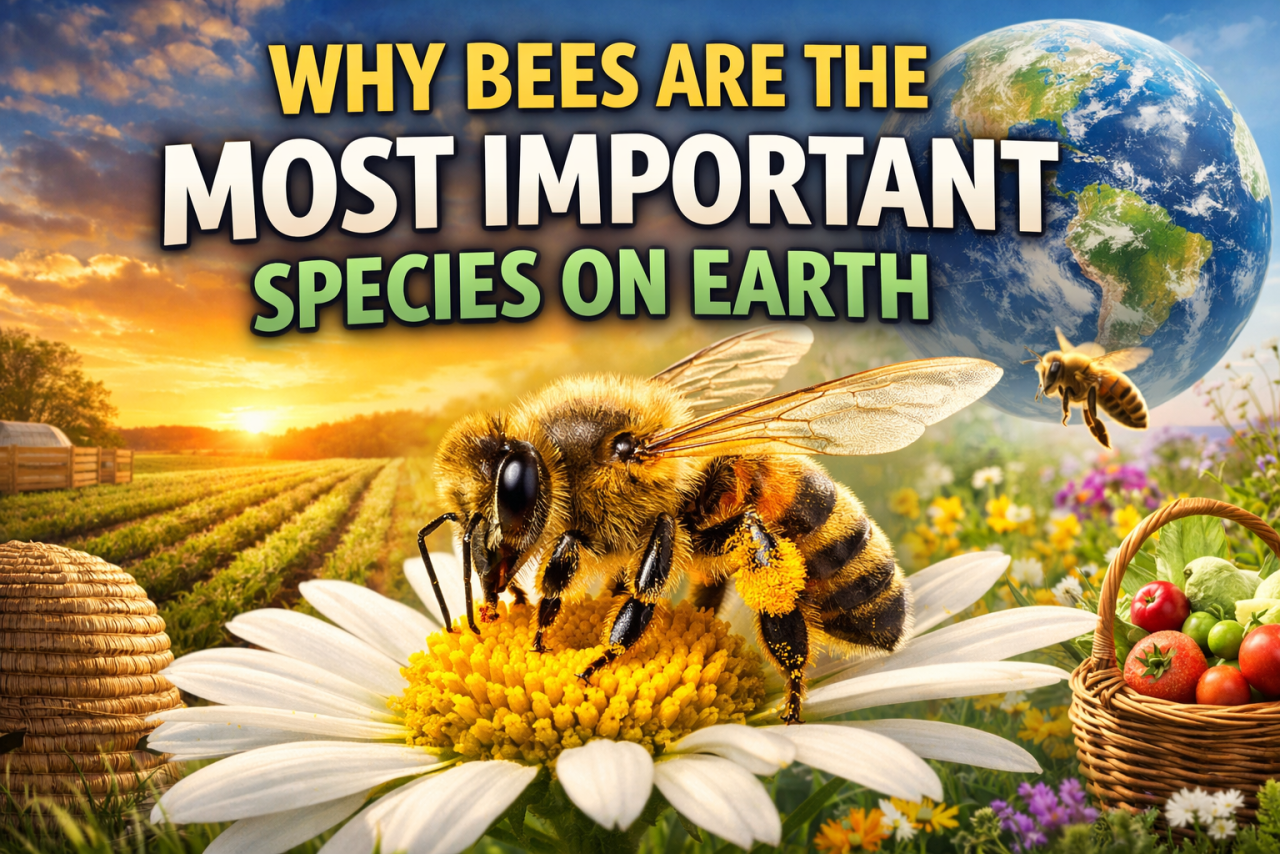
Bees are responsible for pollinating a large share of the crops that sustain global diets. Their declining numbers are now raising concerns among scientists, farmers, and policymakers about long-term food stability.
Bees are often seen as small insects associated with honey and flowers. In reality, their role is much larger. They are essential to agriculture, ecosystems, and the balance of life on Earth. Scientists and environmental researchers increasingly point out that the decline of bee populations is closely linked to risks in food production and biodiversity.
Bees and Food Security: The Backbone of Agriculture
Bees play a direct role in the food we consume every day. They are among the most effective pollinators, helping plants reproduce by transferring pollen between flowers.
According to the Food and Agriculture Organization, more than 75% of global food crops depend to some extent on pollination. This includes fruits, vegetables, oilseeds, and nuts—foods that are essential for a balanced diet.
Scientific studies published in the Journal of Economic Entomology show that bee pollination can increase crop yields significantly, in some cases by over 50%. This directly affects farm productivity and income, especially in regions where agriculture is the primary source of livelihood.
In addition, research from countries like Canada estimates that wild bees contribute billions of dollars annually to agricultural output. A decline in bee populations would likely reduce crop yields, increase production costs, and make nutritious food less accessible.
A 120-Million-Year Ecological Relationship
The importance of bees comes from a long evolutionary connection with flowering plants. Research indicates that bees and plants have been evolving together for around 120 million years, dating back to the Cretaceous period.
Over time, bees developed physical traits such as pollen-carrying hairs and behavioral patterns like buzz pollination. At the same time, plants evolved to attract bees through color, scent, and nectar.
This relationship supports the reproduction of a wide range of plant species. If pollination declines, it can affect plant diversity, which in turn impacts animals and ecosystems that depend on those plants.
Cognitive Abilities and Social Coordination
Bees also display notable levels of coordination and learning. Studies in Entomology show that bees can recognize patterns, learn tasks, and share information within their colonies.
One well-known example is the waggle dance. Honeybees use this movement to communicate the direction and distance of food sources to other members of the hive. This system helps colonies locate resources efficiently and adapt to environmental changes.
Factors Behind the Decline in Bee Populations
Bee populations have been declining in many parts of the world. This trend is linked to several environmental and human-driven factors:
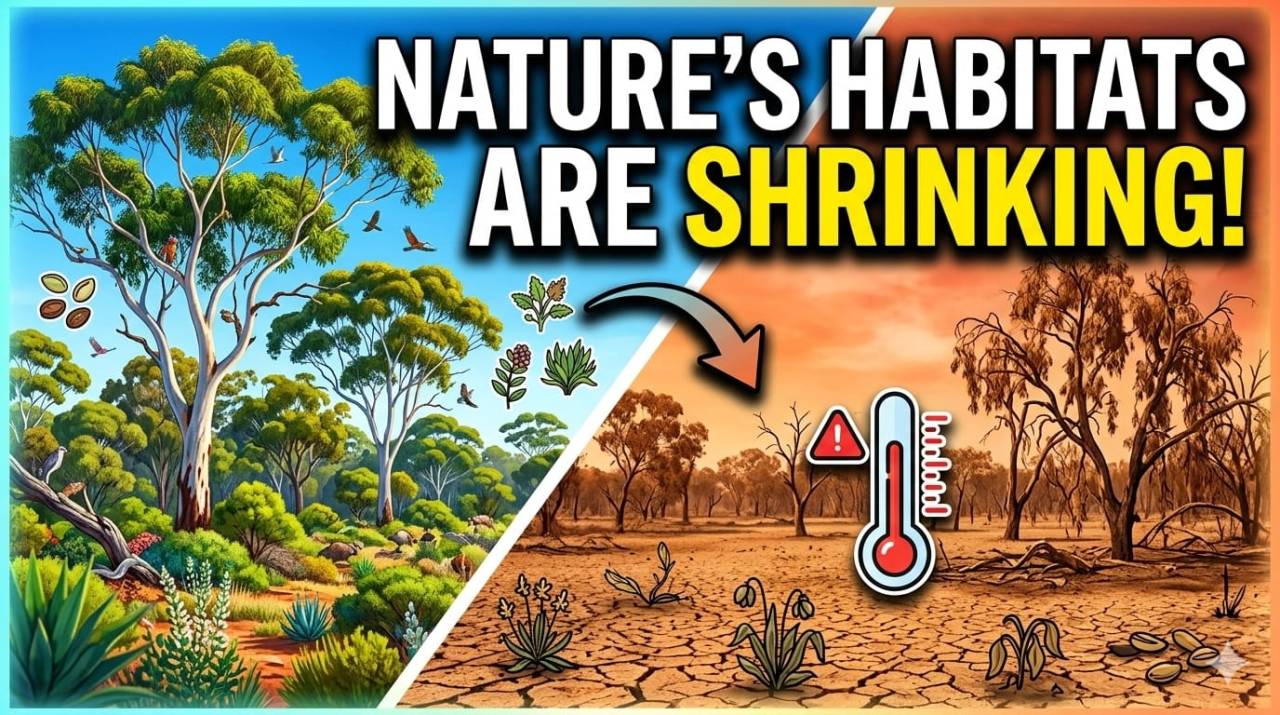
- Loss of natural habitats due to urban expansion and intensive farming
- Climate change affecting flowering cycles and food availability
- Use of pesticides and chemical inputs in agriculture
- Pollution, including microplastics and heavy metals
Recent findings from the University of Reading highlight additional concerns such as artificial lighting, which disrupts pollination patterns, and environmental damage in conflict-affected regions.
These combined pressures are affecting bee health, reproduction, and survival rates.
Wider Implications for Agriculture and Ecosystems
A reduction in bee populations can influence multiple sectors. Lower pollination rates may lead to reduced crop output and higher market prices. It can also affect livestock indirectly by reducing the availability of forage crops.
Environmental organizations like the International Union for Conservation of Nature have raised concerns that pollinator decline could weaken ecosystem stability. Plants that depend on pollination may decline, which can disrupt food chains and reduce biodiversity.
Steps to Support Bee Populations
There are practical measures that can help support bee populations and pollination systems:
- Reducing the use of harmful pesticides
- Encouraging crop diversity and mixed farming practices
- Planting native flowering species in urban and rural areas
- Protecting natural habitats such as grasslands and forests
- Supporting small-scale and sustainable farming systems
Many of these efforts align with initiatives led by the United Nations under sustainable development programs.
Final Take
Bees play a key role in agriculture, ecosystems, and biodiversity through their work as pollinators. Their contribution supports food production, plant diversity, and ecological balance.
Addressing the factors behind their decline requires coordinated efforts in agriculture, policy, and environmental management. Protecting bee populations will help maintain stable food systems and healthier ecosystems in the long term.


























Leave a Comment