
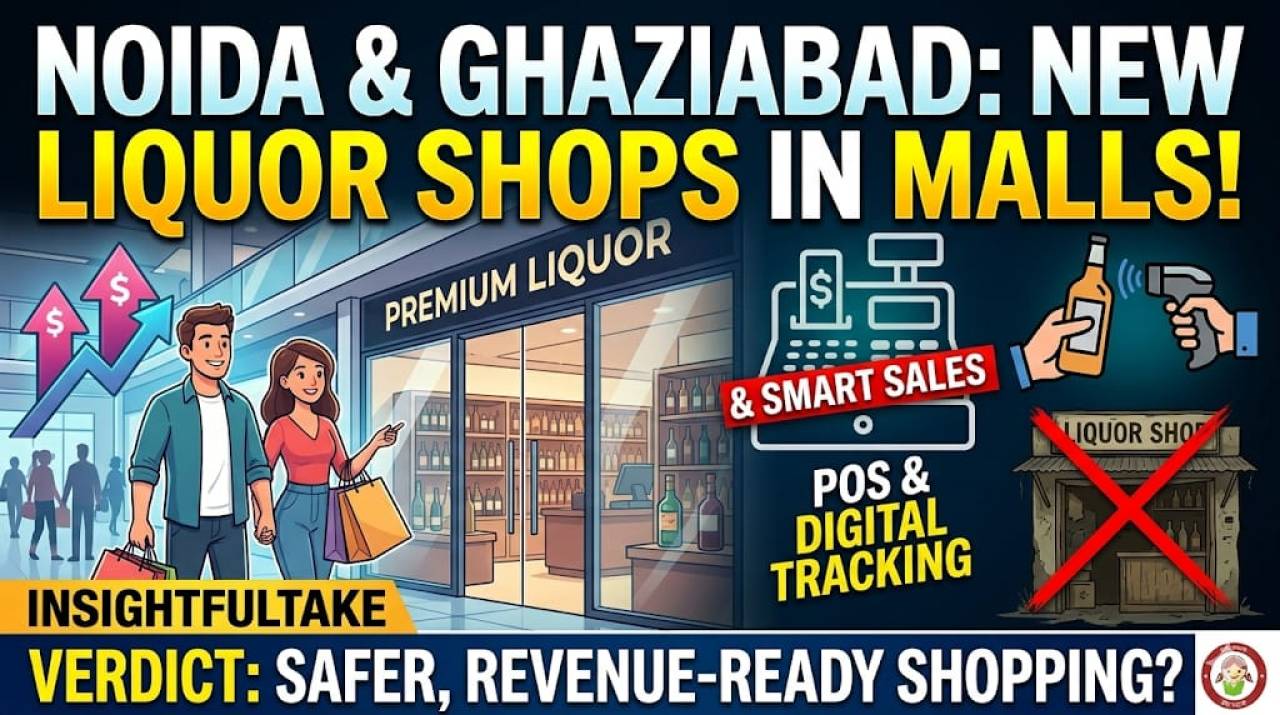
Noida and Ghaziabad liquor retail is shifting to malls with digital tracking, promising safer shopping, transparency, and tighter control on illegal trade.
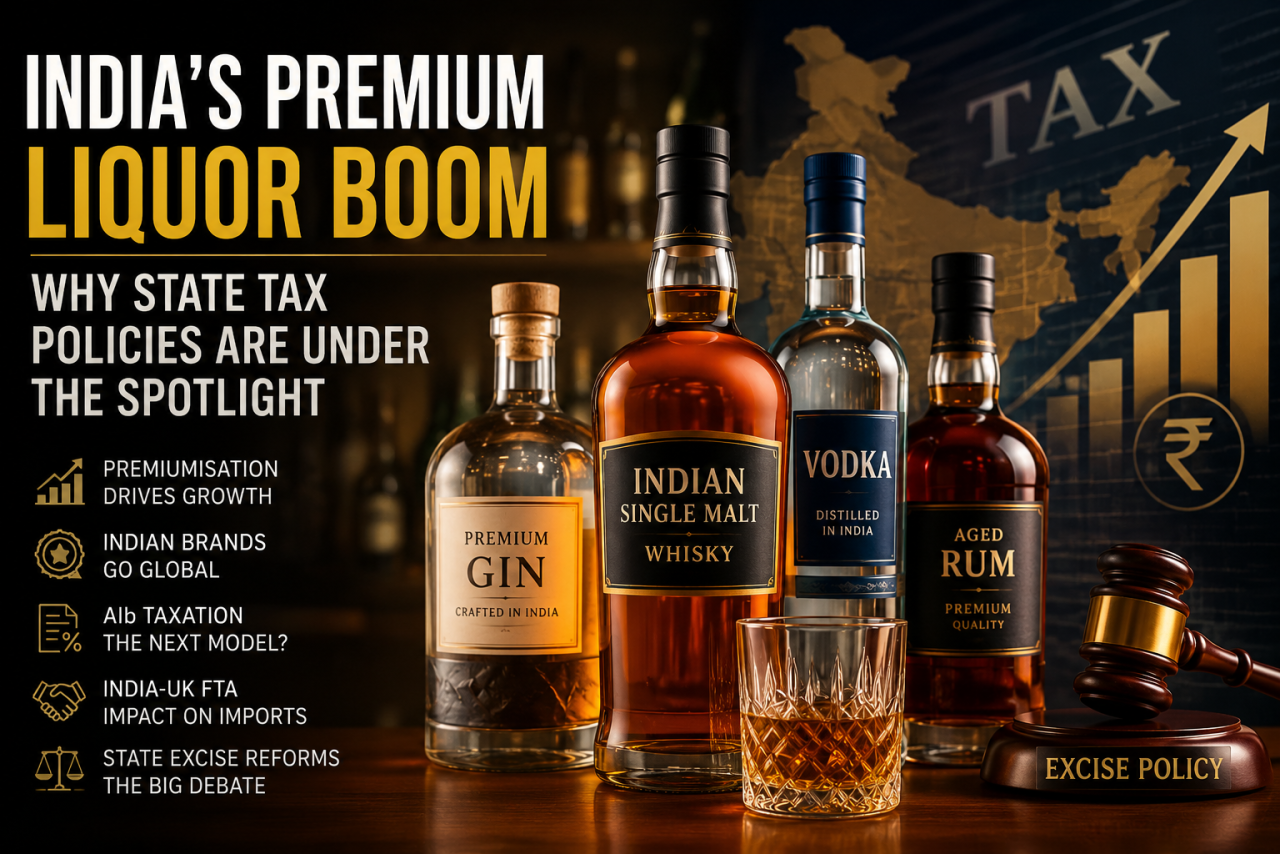
Residents of Noida and Ghaziabad may soon notice a significant change in the way alcohol is sold across the two cities. The Uttar Pradesh Excise Department is preparing to introduce more premium liquor outlets inside malls, hypermarkets, and large retail complexes, replacing the image of traditional standalone liquor vends that have long dominated the market.
The move is part of a broader effort to modernize liquor retailing in some of the state's fastest-growing urban centers. Officials believe that integrating liquor sales into organized retail spaces will not only improve the customer experience but also strengthen transparency, reduce illegal trade, and increase government revenue.
For many consumers, buying alcohol has often meant visiting small, crowded shops located on busy roads or in commercial pockets. These outlets are frequently criticized for poor infrastructure, limited parking, and an uncomfortable shopping environment. By contrast, the proposed stores will operate within modern retail settings where customers already visit for groceries, dining, entertainment, and shopping.
According to officials, the initiative is aimed at creating a more organized and professional retail ecosystem. Premium liquor stores located inside malls and large supermarkets are expected to offer a wider range of products, better customer service, and a safer environment for shoppers.
Another important feature of the new strategy is the government's focus on promoting low-alcohol beverages such as beer and wine. These products are expected to receive greater visibility in premium retail outlets. The approach reflects changing consumer preferences in urban India, where younger and middle-class consumers are increasingly choosing lighter alcoholic beverages over stronger spirits.
While the improved shopping experience is likely to attract attention, the policy's larger significance lies in its emphasis on technology and regulation.
The Excise Department is simultaneously pushing for complete digital monitoring of liquor sales. Every transaction will be recorded through electronic Point-of-Sale (POS) billing systems, creating a real-time digital trail from inventory to final sale. This will allow authorities to monitor stock movement more effectively and identify irregularities quickly.
The digitization drive is particularly important because the liquor industry has long faced challenges related to smuggling, tax evasion, and the circulation of counterfeit products. Illegal liquor trade not only causes financial losses for the government but can also pose serious risks to public health.
With every bottle entering and leaving a store being digitally tracked, authorities hope to make it much harder for illegal products to enter the market. Officials have indicated that strict action will be taken against retailers who attempt to bypass the digital monitoring system.
The policy is also expected to strengthen state finances. Alcohol sales represent one of the largest sources of revenue for state governments across India. Excise duties collected from liquor contribute significantly to public spending on infrastructure, education, healthcare, and welfare programs.
By encouraging sales through organized retail channels and improving compliance through digital tracking, the Uttar Pradesh government aims to ensure that tax revenues are collected more efficiently. Better monitoring can reduce leakages in the system and help the state capture revenue that might otherwise be lost through illegal sales or underreporting.
Urban planners and policy observers note that the move reflects a broader trend toward formalization in India's retail sector. Over the past decade, several industries have undergone rapid digital transformation, with governments increasingly relying on technology to improve transparency and accountability. The liquor sector now appears to be moving in the same direction.
For consumers, the benefits could include greater convenience, improved safety, and access to a wider range of products. For the government, the advantages include stronger regulatory oversight, reduced opportunities for illegal trade, and enhanced revenue collection.
As Noida and Ghaziabad continue to grow into major urban and commercial hubs within the National Capital Region, the modernization of liquor retailing represents another step in adapting public policy to the realities of a rapidly changing consumer economy.
The proposed changes suggest that liquor retail in Uttar Pradesh is moving away from the traditional storefront model toward a system that resembles mainstream organized retail—one built on technology, transparency, and a more structured customer experience.
Residents of Noida and Ghaziabad may soon notice a significant change in the way alcohol is sold across the two cities. The Uttar Pradesh Excise Department is preparing to introduce more premium liquor outlets inside malls, hypermarkets, and large retail complexes, replacing the image of traditional standalone liquor vends that have long dominated the market.
The move is part of a broader effort to modernize liquor retailing in some of the state's fastest-growing urban centers. Officials believe that integrating liquor sales into organized retail spaces will not only improve the customer experience but also strengthen transparency, reduce illegal trade, and increase government revenue.
For many consumers, buying alcohol has often meant visiting small, crowded shops located on busy roads or in commercial pockets. These outlets are frequently criticized for poor infrastructure, limited parking, and an uncomfortable shopping environment. By contrast, the proposed stores will operate within modern retail settings where customers already visit for groceries, dining, entertainment, and shopping.
According to officials, the initiative is aimed at creating a more organized and professional retail ecosystem. Premium liquor stores located inside malls and large supermarkets are expected to offer a wider range of products, better customer service, and a safer environment for shoppers.
Another important feature of the new strategy is the government's focus on promoting low-alcohol beverages such as beer and wine. These products are expected to receive greater visibility in premium retail outlets. The approach reflects changing consumer preferences in urban India, where younger and middle-class consumers are increasingly choosing lighter alcoholic beverages over stronger spirits.
While the improved shopping experience is likely to attract attention, the policy's larger significance lies in its emphasis on technology and regulation.
The Excise Department is simultaneously pushing for complete digital monitoring of liquor sales. Every transaction will be recorded through electronic Point-of-Sale (POS) billing systems, creating a real-time digital trail from inventory to final sale. This will allow authorities to monitor stock movement more effectively and identify irregularities quickly.
The digitization drive is particularly important because the liquor industry has long faced challenges related to smuggling, tax evasion, and the circulation of counterfeit products. Illegal liquor trade not only causes financial losses for the government but can also pose serious risks to public health.
With every bottle entering and leaving a store being digitally tracked, authorities hope to make it much harder for illegal products to enter the market. Officials have indicated that strict action will be taken against retailers who attempt to bypass the digital monitoring system.
The policy is also expected to strengthen state finances. Alcohol sales represent one of the largest sources of revenue for state governments across India. Excise duties collected from liquor contribute significantly to public spending on infrastructure, education, healthcare, and welfare programs.
By encouraging sales through organized retail channels and improving compliance through digital tracking, the Uttar Pradesh government aims to ensure that tax revenues are collected more efficiently. Better monitoring can reduce leakages in the system and help the state capture revenue that might otherwise be lost through illegal sales or underreporting.
Urban planners and policy observers note that the move reflects a broader trend toward formalization in India's retail sector. Over the past decade, several industries have undergone rapid digital transformation, with governments increasingly relying on technology to improve transparency and accountability. The liquor sector now appears to be moving in the same direction.
For consumers, the benefits could include greater convenience, improved safety, and access to a wider range of products. For the government, the advantages include stronger regulatory oversight, reduced opportunities for illegal trade, and enhanced revenue collection.
As Noida and Ghaziabad continue to grow into major urban and commercial hubs within the National Capital Region, the modernization of liquor retailing represents another step in adapting public policy to the realities of a rapidly changing consumer economy.
The proposed changes suggest that liquor retail in Uttar Pradesh is moving away from the traditional storefront model toward a system that resembles mainstream organized retail—one built on technology, transparency, and a more structured customer experience.

















Leave a Comment