
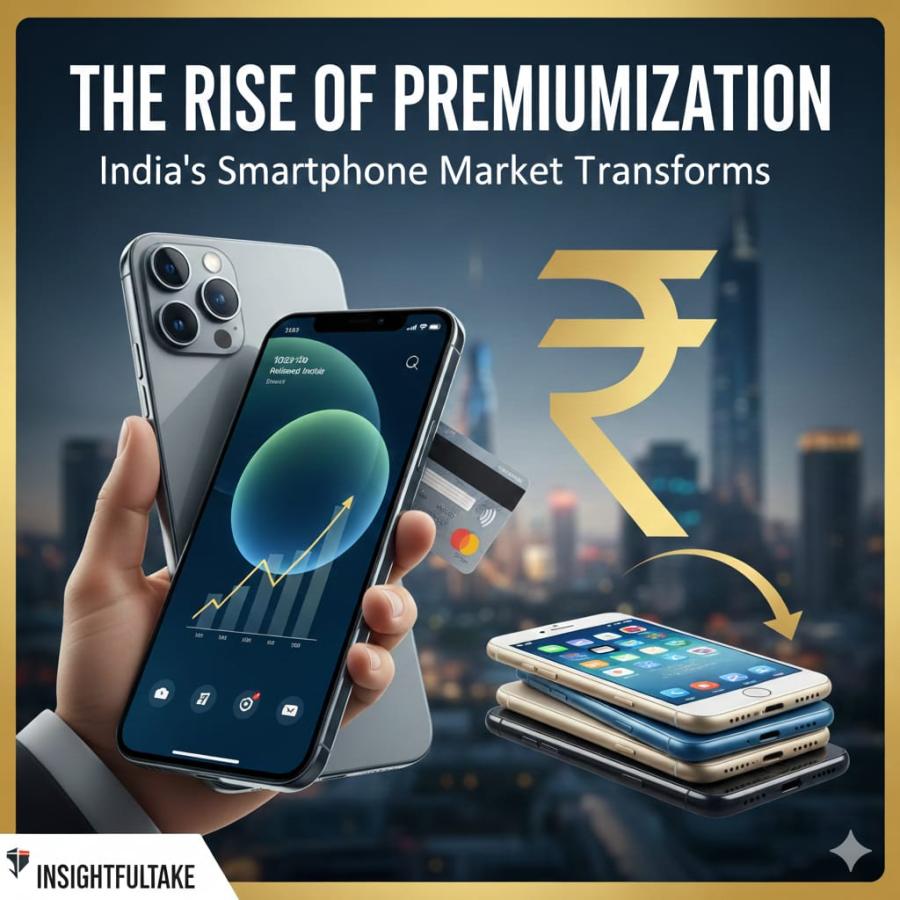
The Indian telecommunications landscape has witnessed a significant transformation over the last decade. While the market was traditionally dominated by budget-friendly devices catering to the mass population, recent trends indicate a profound shift in consumer behavior. As of late 2025, a striking development has emerged: Apple’s flagship iPhone 16 has become the highest-selling smartphone in the country, surpassing more affordable models from Chinese competitors like Vivo.
This transition highlights a phenomenon known as premiumization, where consumers increasingly prefer high-end, aspirational products over entry-level alternatives. Several socioeconomic factors and market strategies have contributed to this shift, reshaping the competitive dynamics of one of the world's largest digital economies.
The Role of Financial Incentives
One of the primary drivers behind the surge in premium smartphone sales is the increased accessibility of credit. In the past, the high upfront cost of a premium device acted as a significant barrier for the average Indian consumer. However, the introduction of easy Equated Monthly Installments (EMIs), aggressive cashback offers, and trade-in schemes has effectively lowered the entry threshold.
By spreading the cost of a device over 12 to 24 months, high-end smartphones like the iPhone 15 and 16—which often retail at three times the price of budget models—have become attainable for a larger segment of the middle class. According to recent market data, the iPhone 16 series sold approximately 6.5 million units within the first 11 months of 2025, a testament to how financial "affordability" has been redefined through credit.
Market Dynamics and Competition
The rise of premium brands has come at a cost to traditional market leaders. For years, brands such as Samsung and various Chinese manufacturers dominated the Indian market by focusing on the "value-for-money" segment. However, current data suggests a reversal. While brands like Vivo still maintain high volume—shipping millions of units—the "poster boy" for the Indian smartphone market has shifted toward premium segments.
Interestingly, even older premium models continue to perform exceptionally well. The iPhone 15, for instance, remains among the top five best-selling devices in the country. This suggests that the Indian consumer is not just looking for the "newest" technology, but is also valuing brand prestige and long-term device software support, even if it comes at a higher price point.
Manufacturing and Retail Expansion
To sustain this growth, global technology giants have deepened their roots in India. Beyond sales, there is a strategic move toward local manufacturing. Leading companies have partnered with contract manufacturers to double production capacity within India. This diversification serves two purposes: it reduces reliance on a single global supply chain and aligns with national initiatives to boost local electronics manufacturing.
Furthermore, the expansion of physical retail presence has played a crucial role. The opening of flagship stores in major urban centers like Delhi, Mumbai, Bengaluru, and Pune has enhanced the "brand experience," allowing consumers to engage with products directly before making a purchase.
Future Outlook
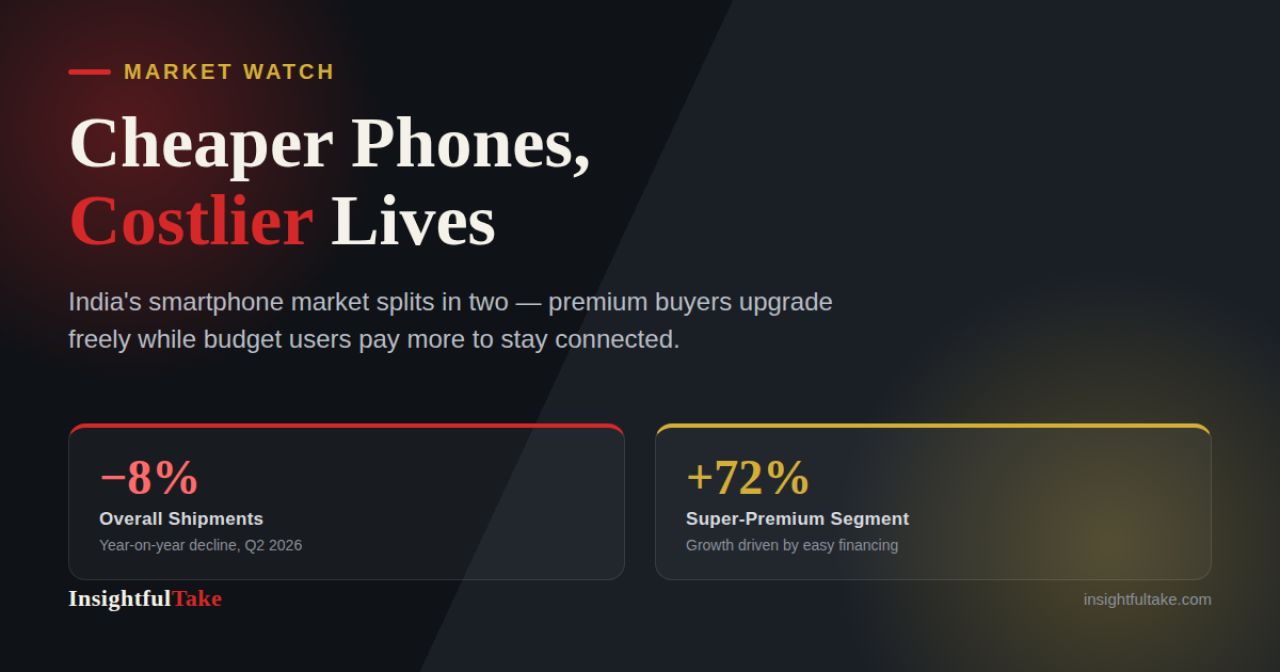
Despite the optimistic growth in the premium sector, the overall Indian smartphone market faces certain headwinds. Analysts predict a period of stagnation or low single-digit growth for the broader market in the coming years. Factors such as global memory chip shortages and fluctuating component prices could potentially drive up costs, impacting the demand for entry-level devices.
However, the premium segment appears resilient. Projections suggest that total smartphone shipments in India could reach between 151 and 158 million units annually. As India continues to urbanize and digital literacy spreads, the desire for high-performance technology is likely to remain a permanent fixture of the consumer landscape.




















Leave a Comment