
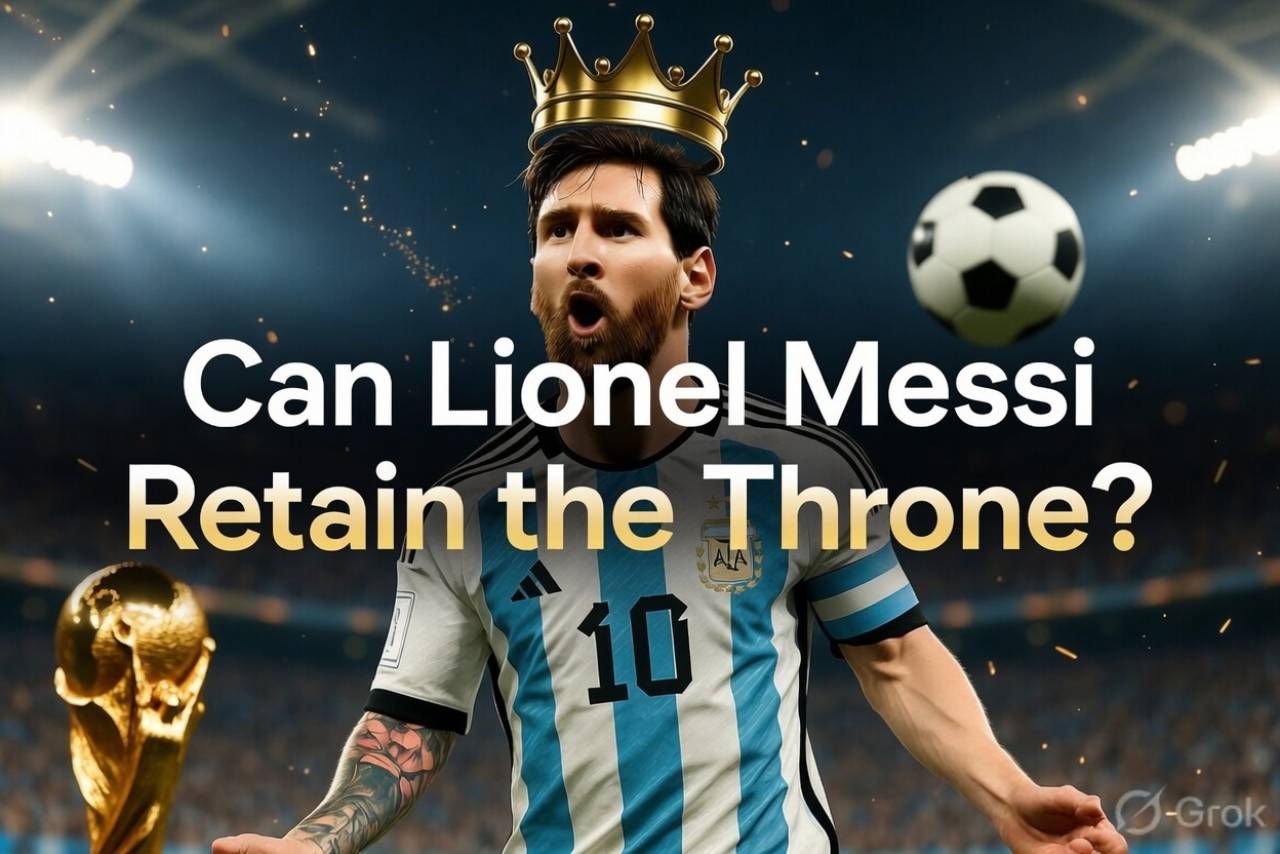
Argentina enters the 2026 World Cup as defending champion, but all eyes are on Lionel Messi. Can the 39-year-old legend inspire one more historic run?
When Lionel Messi finally lifted the FIFA World Cup trophy in Qatar in December 2022, it felt like the perfect ending to one of football's greatest careers. For years, fans and critics had argued about his place among the sport's legends. Winning the World Cup gave Messi the one major achievement that had long eluded him and strengthened his claim as the greatest player of all time.
Now, four years later, the football world is preparing for another World Cup, this time hosted across the United States, Canada, and Mexico. Messi is expected to make a record sixth World Cup appearance. But the challenge before him is very different from the one he faced in Qatar. Instead of chasing a missing trophy, he is now trying to help Argentina achieve something that has rarely been done in football history—defend a World Cup title.
The question is simple: Can Argentina and Messi do it again?
The Challenge of Age and Endurance
The biggest concern is Messi's age. He will turn 39 during the tournament, making him one of the oldest players in the competition. While his vision, passing, and football intelligence remain world-class, age naturally affects speed, stamina, and recovery time.
This issue becomes even more important because the 2026 World Cup will feature 48 teams instead of 32. The new format adds an extra knockout round, meaning the eventual champions will need to win eight matches instead of seven.
For Argentina coach Lionel Scaloni, managing Messi's workload will be crucial. Messi no longer needs to run constantly to influence a game. At Inter Miami, he has adapted his style, conserving energy and choosing the right moments to make an impact. Argentina will likely use a similar approach, allowing Messi to focus on creating chances and controlling important moments rather than carrying the physical burden for an entire match.
A New-Look Argentina
Argentina's squad has changed since their triumph in Qatar. The most significant absence is Ángel Di María, who retired from international football after helping Argentina win both the Copa América and the World Cup.
Di María was often the team's game-changer. His pace, direct attacking style, and ability to perform in big matches gave Argentina another attacking threat alongside Messi. Replacing his influence will not be easy.
The responsibility now falls on a younger generation of players.
In midfield, Rodrigo De Paul, Alexis Mac Allister, and Enzo Fernández remain central figures. Their energy and work rate allow Messi to focus more on attacking duties. They will have to cover large areas of the pitch and help Argentina maintain control against stronger opponents.
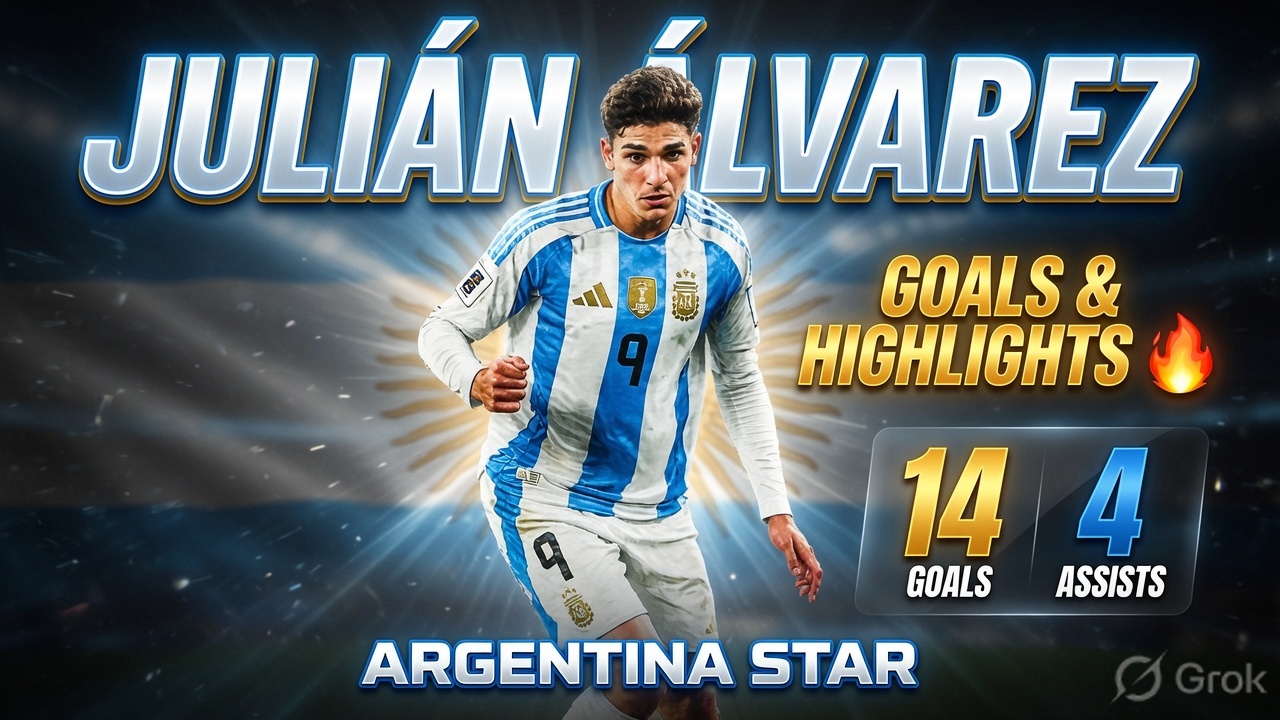
Up front, Julián Álvarez and Lautaro Martínez will carry much of the attacking load. Both players are known for their movement, pressing, and ability to score important goals. Their work off the ball could be just as important as their finishing because it helps create space for Messi to operate.
Scaloni has also introduced younger talents into the squad. Players such as Valentín Barco and Nicolás Paz bring fresh energy and technical quality. Their presence could provide the pace and dynamism Argentina may need during a long tournament.
History Is Not on Argentina's Side
Defending a World Cup title is one of the hardest tasks in football. The last men's team to achieve it was Brazil in 1962, led by the legendary Pelé. Since then, every defending champion has failed to repeat the feat.
Argentina will also face a different level of competition compared to what they regularly encounter in South American qualifiers. Since winning the World Cup, most of their competitive matches have been against CONMEBOL opponents. As a result, they have had limited opportunities to test themselves against Europe's strongest teams.
That could become a problem later in the tournament. Teams such as France, Spain, England, and Germany possess different tactical styles and squad depth. These nations have consistently produced elite-level performances and remain among the favorites for the title.
Argentina's experience and chemistry are major strengths, but facing Europe's best in knockout football presents challenges that cannot be ignored.
Navigating the Group Stage
Argentina's journey begins in Group J, where they are scheduled to face Algeria, Austria, and Jordan.
On paper, Argentina should comfortably advance to the knockout rounds. However, international football has repeatedly shown that no match can be taken lightly. Austria, in particular, is known for its organized pressing system and disciplined approach. They could provide a stern test during the group stage.
Finishing at the top of the group would give Argentina a more favorable path in the knockout rounds. It could also lead to matches being played in locations familiar to Messi, particularly in the United States, where he now plays club football.
Such familiarity might prove valuable as the pressure increases and the tournament enters its decisive stages.
The Importance of Playing Without Pressure
Perhaps Argentina's greatest advantage is not tactical or physical. It is psychological.
In previous World Cups, Messi carried the weight of enormous expectations. Every tournament seemed like a final chance to complete his legacy. Every defeat brought criticism. Every missed opportunity became a national discussion.
That burden no longer exists.
Messi has already won football's biggest prize. He has nothing left to prove. This freedom could allow him to play with a level of calmness and confidence rarely seen in previous tournaments.
Argentina also enters the competition as a team that knows how to win under pressure. The squad has captured the Copa América twice and the World Cup within a short span. That experience cannot be measured by statistics alone.
A Difficult but Possible Mission
Argentina may not be the strongest favorite heading into the tournament. Many analysts place France and Spain slightly ahead because of their depth, youth, and recent performances.
Still, writing off Argentina would be a mistake.
The team has an experienced coach, a balanced squad, and the world's most influential footballer, even at 39. If Scaloni manages Messi's minutes wisely and the younger players continue to shoulder more responsibility, Argentina will have every chance of making another deep run.
Winning back-to-back World Cups remains one of football's toughest achievements. The odds are against Argentina. History is against Argentina.
But history has often underestimated Lionel Messi before. And more often than not, he has found a way to prove it wrong.
When Lionel Messi finally lifted the FIFA World Cup trophy in Qatar in December 2022, it felt like the perfect ending to one of football's greatest careers. For years, fans and critics had argued about his place among the sport's legends. Winning the World Cup gave Messi the one major achievement that had long eluded him and strengthened his claim as the greatest player of all time.
Now, four years later, the football world is preparing for another World Cup, this time hosted across the United States, Canada, and Mexico. Messi is expected to make a record sixth World Cup appearance. But the challenge before him is very different from the one he faced in Qatar. Instead of chasing a missing trophy, he is now trying to help Argentina achieve something that has rarely been done in football history—defend a World Cup title.
The question is simple: Can Argentina and Messi do it again?
The Challenge of Age and Endurance
The biggest concern is Messi's age. He will turn 39 during the tournament, making him one of the oldest players in the competition. While his vision, passing, and football intelligence remain world-class, age naturally affects speed, stamina, and recovery time.
This issue becomes even more important because the 2026 World Cup will feature 48 teams instead of 32. The new format adds an extra knockout round, meaning the eventual champions will need to win eight matches instead of seven.
For Argentina coach Lionel Scaloni, managing Messi's workload will be crucial. Messi no longer needs to run constantly to influence a game. At Inter Miami, he has adapted his style, conserving energy and choosing the right moments to make an impact. Argentina will likely use a similar approach, allowing Messi to focus on creating chances and controlling important moments rather than carrying the physical burden for an entire match.
A New-Look Argentina
Argentina's squad has changed since their triumph in Qatar. The most significant absence is Ángel Di María, who retired from international football after helping Argentina win both the Copa América and the World Cup.
Di María was often the team's game-changer. His pace, direct attacking style, and ability to perform in big matches gave Argentina another attacking threat alongside Messi. Replacing his influence will not be easy.
The responsibility now falls on a younger generation of players.
In midfield, Rodrigo De Paul, Alexis Mac Allister, and Enzo Fernández remain central figures. Their energy and work rate allow Messi to focus more on attacking duties. They will have to cover large areas of the pitch and help Argentina maintain control against stronger opponents.
Up front, Julián Álvarez and Lautaro Martínez will carry much of the attacking load. Both players are known for their movement, pressing, and ability to score important goals. Their work off the ball could be just as important as their finishing because it helps create space for Messi to operate.
Scaloni has also introduced younger talents into the squad. Players such as Valentín Barco and Nicolás Paz bring fresh energy and technical quality. Their presence could provide the pace and dynamism Argentina may need during a long tournament.
History Is Not on Argentina's Side
Defending a World Cup title is one of the hardest tasks in football. The last men's team to achieve it was Brazil in 1962, led by the legendary Pelé. Since then, every defending champion has failed to repeat the feat.
Argentina will also face a different level of competition compared to what they regularly encounter in South American qualifiers. Since winning the World Cup, most of their competitive matches have been against CONMEBOL opponents. As a result, they have had limited opportunities to test themselves against Europe's strongest teams.
That could become a problem later in the tournament. Teams such as France, Spain, England, and Germany possess different tactical styles and squad depth. These nations have consistently produced elite-level performances and remain among the favorites for the title.
Argentina's experience and chemistry are major strengths, but facing Europe's best in knockout football presents challenges that cannot be ignored.
Navigating the Group Stage
Argentina's journey begins in Group J, where they are scheduled to face Algeria, Austria, and Jordan.
On paper, Argentina should comfortably advance to the knockout rounds. However, international football has repeatedly shown that no match can be taken lightly. Austria, in particular, is known for its organized pressing system and disciplined approach. They could provide a stern test during the group stage.
Finishing at the top of the group would give Argentina a more favorable path in the knockout rounds. It could also lead to matches being played in locations familiar to Messi, particularly in the United States, where he now plays club football.
Such familiarity might prove valuable as the pressure increases and the tournament enters its decisive stages.
The Importance of Playing Without Pressure
Perhaps Argentina's greatest advantage is not tactical or physical. It is psychological.
In previous World Cups, Messi carried the weight of enormous expectations. Every tournament seemed like a final chance to complete his legacy. Every defeat brought criticism. Every missed opportunity became a national discussion.
That burden no longer exists.
Messi has already won football's biggest prize. He has nothing left to prove. This freedom could allow him to play with a level of calmness and confidence rarely seen in previous tournaments.
Argentina also enters the competition as a team that knows how to win under pressure. The squad has captured the Copa América twice and the World Cup within a short span. That experience cannot be measured by statistics alone.
A Difficult but Possible Mission
Argentina may not be the strongest favorite heading into the tournament. Many analysts place France and Spain slightly ahead because of their depth, youth, and recent performances.
Still, writing off Argentina would be a mistake.
The team has an experienced coach, a balanced squad, and the world's most influential footballer, even at 39. If Scaloni manages Messi's minutes wisely and the younger players continue to shoulder more responsibility, Argentina will have every chance of making another deep run.
Winning back-to-back World Cups remains one of football's toughest achievements. The odds are against Argentina. History is against Argentina.
But history has often underestimated Lionel Messi before. And more often than not, he has found a way to prove it wrong.

















Leave a Comment