
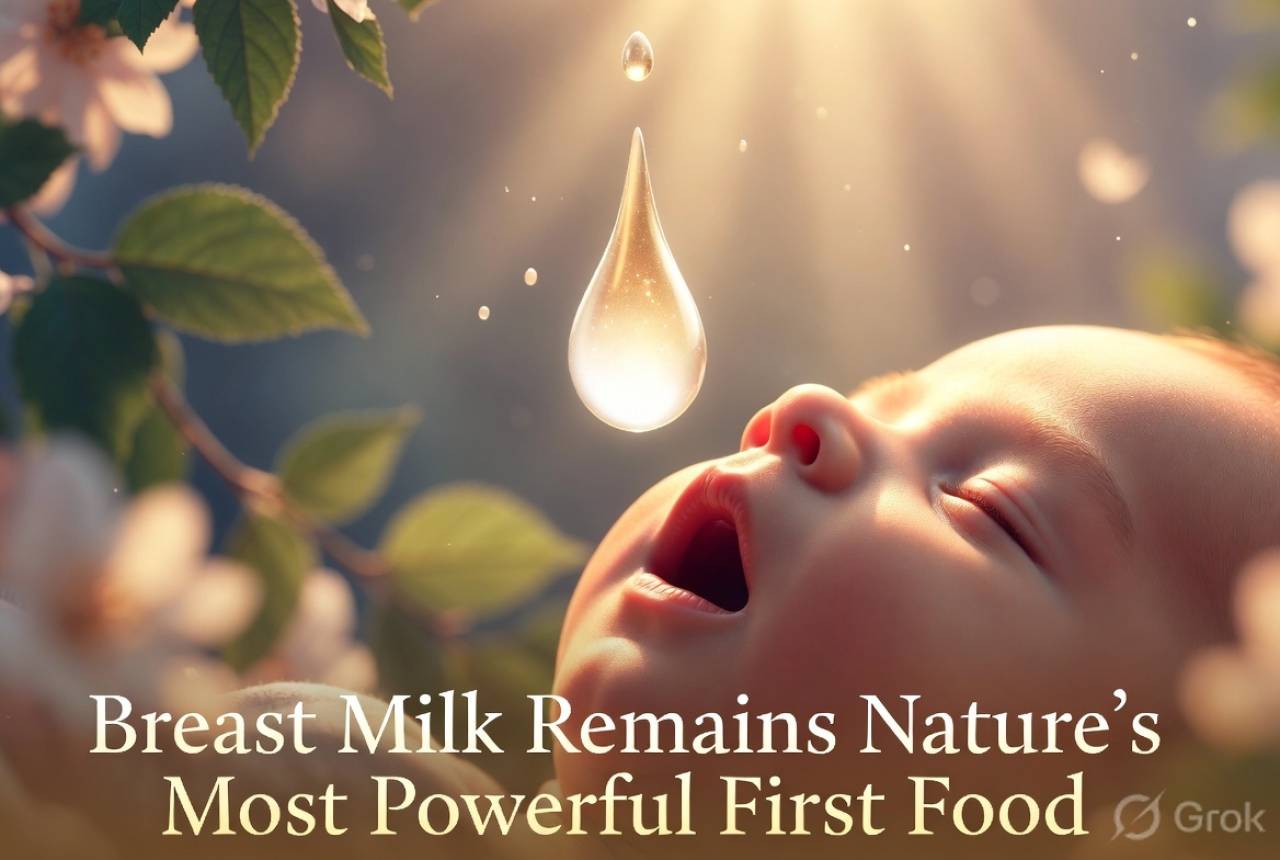
Breast milk is often called "liquid gold" for a reason. Rich in nutrients, antibodies, and life-saving properties, it provides babies with the strongest possible start in life while offering significant health benefits to mothers.
The recent stories of public figures and mothers donating excess breast milk have once again highlighted an important truth: breast milk is far more than just food. Often called “liquid gold” by health experts, breast milk is a remarkable biological substance that provides newborns with essential nutrition, protection against disease, and the foundation for healthy growth.
For centuries, breastfeeding has been the natural way to nourish infants. Modern science has only strengthened our understanding of its importance. Researchers continue to discover new benefits of breast milk, not only for babies but also for mothers and society as a whole.
A Perfectly Designed Food
Breast milk is uniquely tailored to meet a baby's nutritional needs. Unlike formula, it contains the exact balance of proteins, fats, carbohydrates, vitamins, and minerals required for healthy development.
What makes breast milk extraordinary is that its composition changes over time. In the first few days after birth, mothers produce a thick yellowish substance called colostrum. Often referred to as a baby's “first vaccine,” colostrum is packed with antibodies, immune cells, and nutrients that help protect newborns from infections.
As the baby grows, breast milk adapts. It changes from day to day and even during a single feeding session to provide the right amount of hydration, energy, and nutrition.
Building a Strong Immune System
One of the greatest benefits of breast milk is its ability to strengthen a baby's immune system. Newborns enter the world with developing immune defenses, making them vulnerable to illnesses.
Breast milk contains antibodies, white blood cells, enzymes, and beneficial bacteria that help fight infections. Studies have shown that breastfed babies are less likely to suffer from respiratory infections, ear infections, diarrhea, and certain stomach illnesses.
Researchers have also found that breastfeeding may lower the risk of chronic conditions later in life, including obesity, type 2 diabetes, and some allergic diseases. While genetics and lifestyle also play important roles, breast milk gives children a healthier start.
Supporting Brain Development
Nutrition during the first years of life plays a critical role in brain growth. Breast milk contains essential fatty acids such as DHA (docosahexaenoic acid), which contribute to the development of the brain and nervous system.
Several studies suggest that breastfeeding may be associated with improved cognitive development and learning outcomes. Scientists believe that both the nutritional components of breast milk and the close physical interaction between mother and child contribute to these benefits.
The skin-to-skin contact that often accompanies breastfeeding also promotes emotional security and bonding, helping babies feel safe and connected.
Benefits for Mothers
The advantages of breastfeeding extend beyond infants. Mothers who breastfeed often experience health benefits as well.
Breastfeeding helps the uterus return to its normal size after childbirth and can reduce postpartum bleeding. It also burns additional calories, which may assist some women in returning to their pre-pregnancy weight.
Long-term research suggests that breastfeeding may lower a mother's risk of breast cancer, ovarian cancer, and type 2 diabetes. In addition, the release of hormones during breastfeeding can support emotional bonding and may contribute to reduced stress levels.
The Lifesaving Role of Donor Milk
While breastfeeding is recommended whenever possible, some mothers face challenges such as medical complications, premature births, insufficient milk production, or certain medications that prevent breastfeeding.
In such cases, donor human milk can become a lifesaving alternative. Milk banks carefully screen donors, test and process donated milk, and follow strict safety standards before distributing it to hospitals and infants in need.
Donor milk is especially valuable for premature and medically vulnerable babies. These infants often have fragile digestive systems and higher nutritional needs. Research has shown that donor breast milk can help reduce serious complications and improve health outcomes among preterm newborns.
As awareness grows, more mothers are choosing to donate surplus milk, helping babies they may never meet. Such acts of generosity can make a profound difference in neonatal care.
Encouraging a Breastfeeding-Friendly Society
Despite its benefits, breastfeeding is not always easy. Many mothers face challenges including lack of workplace support, social stigma, inadequate maternity leave, and limited access to lactation counseling.
Health experts emphasize the need for stronger support systems, including breastfeeding education, hospital-based guidance, milk banks, and family encouragement. Creating an environment where mothers feel informed and supported can significantly improve breastfeeding success rates.
A Gift for Life
Breast milk is one of nature's most remarkable creations. It nourishes, protects, and nurtures babies during the most critical stage of their development. At the same time, it offers important health benefits to mothers and can even save lives through milk donation programs.
In a world increasingly driven by medical innovation, breast milk remains a powerful reminder that some of the most effective forms of healthcare begin with the simplest human connection—a mother nourishing her child.
The recent stories of public figures and mothers donating excess breast milk have once again highlighted an important truth: breast milk is far more than just food. Often called “liquid gold” by health experts, breast milk is a remarkable biological substance that provides newborns with essential nutrition, protection against disease, and the foundation for healthy growth.
For centuries, breastfeeding has been the natural way to nourish infants. Modern science has only strengthened our understanding of its importance. Researchers continue to discover new benefits of breast milk, not only for babies but also for mothers and society as a whole.
A Perfectly Designed Food
Breast milk is uniquely tailored to meet a baby's nutritional needs. Unlike formula, it contains the exact balance of proteins, fats, carbohydrates, vitamins, and minerals required for healthy development.
What makes breast milk extraordinary is that its composition changes over time. In the first few days after birth, mothers produce a thick yellowish substance called colostrum. Often referred to as a baby's “first vaccine,” colostrum is packed with antibodies, immune cells, and nutrients that help protect newborns from infections.
As the baby grows, breast milk adapts. It changes from day to day and even during a single feeding session to provide the right amount of hydration, energy, and nutrition.
Building a Strong Immune System
One of the greatest benefits of breast milk is its ability to strengthen a baby's immune system. Newborns enter the world with developing immune defenses, making them vulnerable to illnesses.
Breast milk contains antibodies, white blood cells, enzymes, and beneficial bacteria that help fight infections. Studies have shown that breastfed babies are less likely to suffer from respiratory infections, ear infections, diarrhea, and certain stomach illnesses.
Researchers have also found that breastfeeding may lower the risk of chronic conditions later in life, including obesity, type 2 diabetes, and some allergic diseases. While genetics and lifestyle also play important roles, breast milk gives children a healthier start.
Supporting Brain Development
Nutrition during the first years of life plays a critical role in brain growth. Breast milk contains essential fatty acids such as DHA (docosahexaenoic acid), which contribute to the development of the brain and nervous system.
Several studies suggest that breastfeeding may be associated with improved cognitive development and learning outcomes. Scientists believe that both the nutritional components of breast milk and the close physical interaction between mother and child contribute to these benefits.
The skin-to-skin contact that often accompanies breastfeeding also promotes emotional security and bonding, helping babies feel safe and connected.
Benefits for Mothers
The advantages of breastfeeding extend beyond infants. Mothers who breastfeed often experience health benefits as well.
Breastfeeding helps the uterus return to its normal size after childbirth and can reduce postpartum bleeding. It also burns additional calories, which may assist some women in returning to their pre-pregnancy weight.
Long-term research suggests that breastfeeding may lower a mother's risk of breast cancer, ovarian cancer, and type 2 diabetes. In addition, the release of hormones during breastfeeding can support emotional bonding and may contribute to reduced stress levels.
The Lifesaving Role of Donor Milk
While breastfeeding is recommended whenever possible, some mothers face challenges such as medical complications, premature births, insufficient milk production, or certain medications that prevent breastfeeding.
In such cases, donor human milk can become a lifesaving alternative. Milk banks carefully screen donors, test and process donated milk, and follow strict safety standards before distributing it to hospitals and infants in need.
Donor milk is especially valuable for premature and medically vulnerable babies. These infants often have fragile digestive systems and higher nutritional needs. Research has shown that donor breast milk can help reduce serious complications and improve health outcomes among preterm newborns.
As awareness grows, more mothers are choosing to donate surplus milk, helping babies they may never meet. Such acts of generosity can make a profound difference in neonatal care.
Encouraging a Breastfeeding-Friendly Society
Despite its benefits, breastfeeding is not always easy. Many mothers face challenges including lack of workplace support, social stigma, inadequate maternity leave, and limited access to lactation counseling.
Health experts emphasize the need for stronger support systems, including breastfeeding education, hospital-based guidance, milk banks, and family encouragement. Creating an environment where mothers feel informed and supported can significantly improve breastfeeding success rates.
A Gift for Life
Breast milk is one of nature's most remarkable creations. It nourishes, protects, and nurtures babies during the most critical stage of their development. At the same time, it offers important health benefits to mothers and can even save lives through milk donation programs.
In a world increasingly driven by medical innovation, breast milk remains a powerful reminder that some of the most effective forms of healthcare begin with the simplest human connection—a mother nourishing her child.




























Leave a Comment