

For millions of farmers struggling under the weight of debt, a farm loan waiver can feel like the first breath of relief after years of uncertainty.
Across India, farming remains the backbone of rural life. Yet for many farmers, agriculture has become increasingly difficult due to rising costs, unpredictable weather, and fluctuating crop prices. In this context, farm loan waivers announced by state governments often become a major source of relief for rural households. Recent developments in Maharashtra have once again brought this issue into focus, highlighting both the benefits and the long-term challenges of such policies.
The Maharashtra government, led by Chief Minister Devendra Fadnavis, has presented a budget that includes significant measures aimed at supporting farmers. One of the key announcements is the continuation of the farm loan waiver scheme, a promise that had been made earlier to help reduce the financial burden on small and marginal farmers.
Relief for Farmers in Distress
According to government estimates, more than 2.8 million farmers in the state are expected to benefit from the waiver. Many of these farmers had taken loans for seeds, fertilizers, equipment, and irrigation. However, repeated crop failures, market fluctuations, and rising input costs made it difficult for them to repay their loans on time.
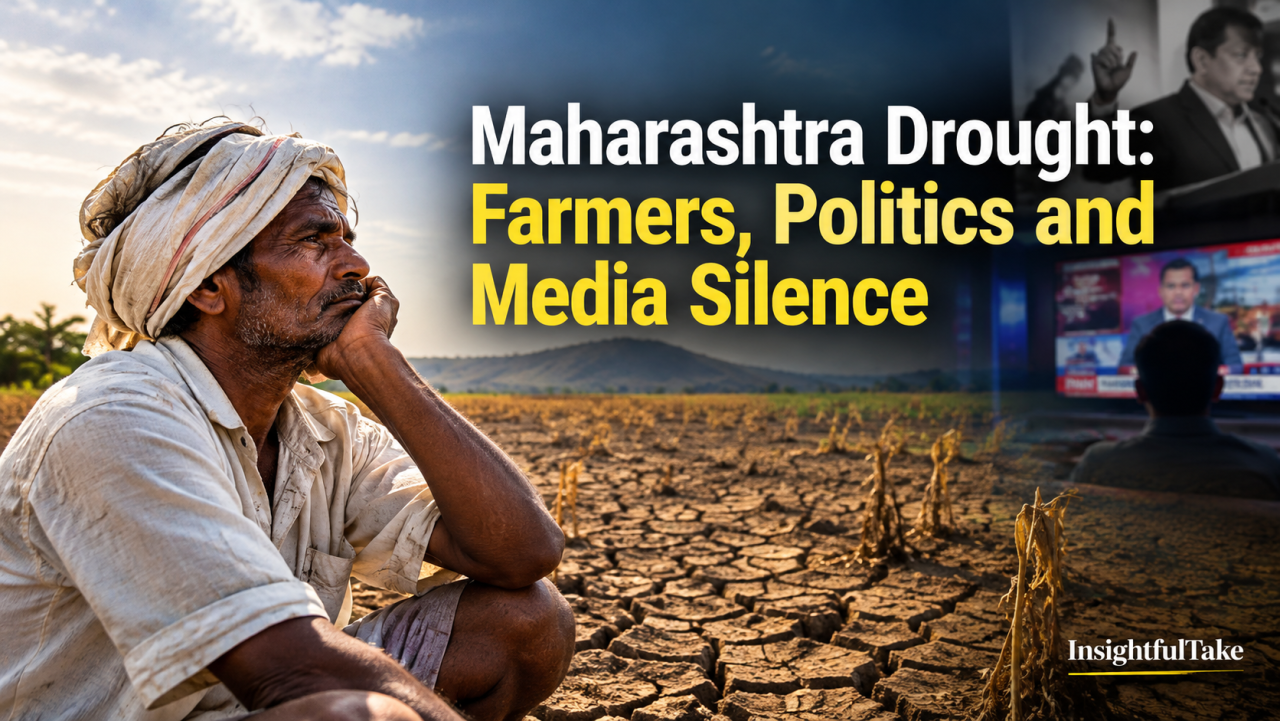
For farmers in rural India, debt often becomes a cycle. When crops fail due to drought, floods, or pest attacks, farmers may borrow again to prepare for the next season. Over time, the pressure of unpaid loans can become overwhelming.
Loan waivers aim to break this cycle by cancelling or reducing the amount farmers owe to banks. In the current plan, the government has allocated a large financial outlay to ensure that eligible farmers receive relief.
Incentives for Responsible Borrowers
In addition to waiving loans for distressed farmers, the government has also announced incentives for farmers who have been regularly repaying their loans. Around two million farmers who maintained good repayment records may receive an annual incentive of about ₹50,000.
This move is intended to ensure that honest borrowers are not left feeling disadvantaged. Policymakers believe such incentives encourage responsible financial behavior while still supporting those facing genuine hardship.
Impact on Rural Economy
Farm loan waivers do more than just reduce debt. They also help revive the rural economy.
When farmers are freed from heavy loan burdens, they are more likely to invest again in farming activities. This means purchasing better seeds, fertilizers, and equipment. Increased agricultural activity can also generate more work for laborers, transport workers, and small rural businesses.
In many villages, agriculture is the main source of income. When farmers have money in hand, it flows through the entire rural economy—from local shops to small service providers.
The Fiscal Challenge
However, loan waivers also come with challenges. Such schemes require huge financial resources from the state government. In Maharashtra’s case, the cost of the waiver and related schemes is estimated to run into tens of thousands of crores of rupees.
Economists often debate whether repeated loan waivers are a sustainable solution. Critics argue that frequent waivers may increase pressure on government finances and reduce funds available for long-term investments such as irrigation projects, rural infrastructure, and agricultural technology.
Some experts also warn that regular waivers may create expectations among borrowers that loans will eventually be cancelled, which could affect the banking system.
The Need for Long-Term Solutions
While loan waivers provide immediate relief, many agricultural experts believe that deeper reforms are necessary to secure the future of farmers.
These include improving irrigation facilities, ensuring better crop insurance coverage, expanding access to affordable credit, and strengthening market systems so farmers receive fair prices for their produce.
Investment in rural infrastructure—such as roads, storage facilities, and digital platforms—can also help farmers connect to larger markets and reduce post-harvest losses.
A Balancing Act
For governments, the challenge is to balance immediate relief with long-term development. Loan waivers can help farmers survive difficult times, but sustainable agricultural growth requires broader reforms and consistent investment.
For millions of farmers across rural India, however, such waivers remain an important safety net. In a profession deeply tied to nature and uncertainty, the promise of financial relief can restore hope and help farmers prepare for the next sowing season.
As India continues to depend on its farmers for food security and rural stability, policies that support their livelihoods will remain at the center of national development debates.






















Leave a Comment