
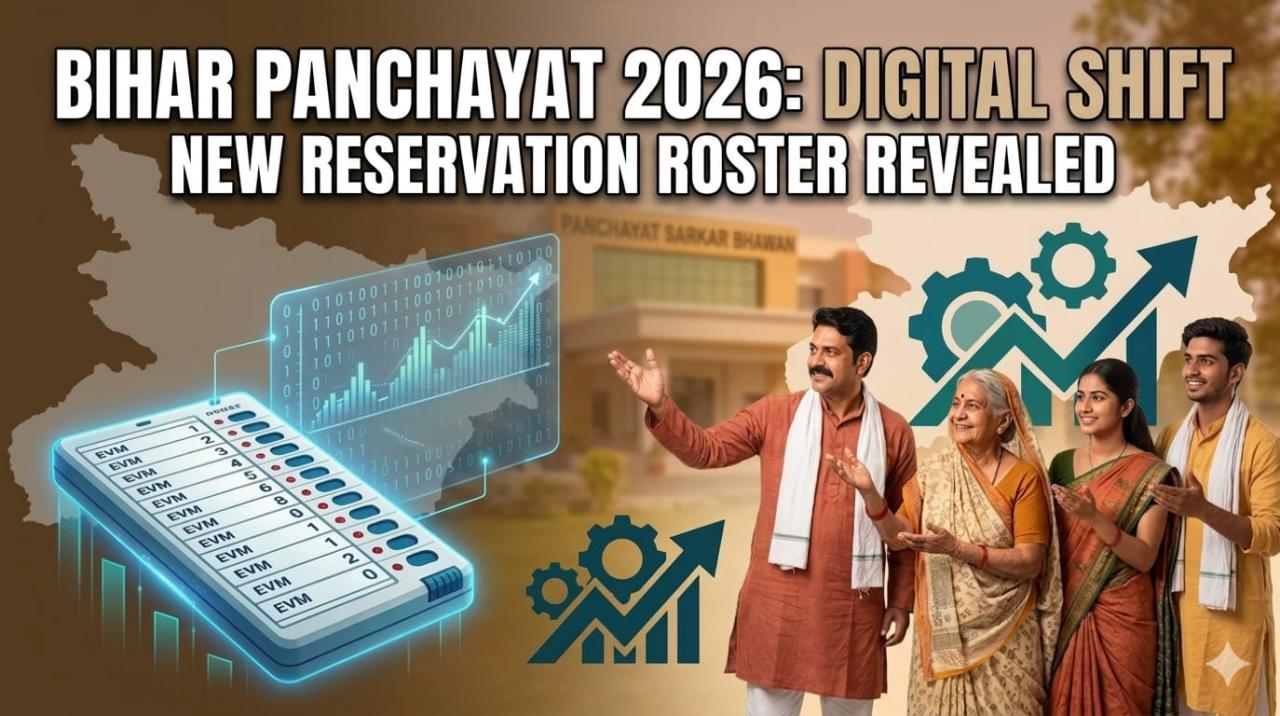
Bihar’s next Panchayat elections are not just about electing village leaders. With digital voting systems and a reshuffled reservation roster, the state is quietly redrawing the balance of power across rural Bihar.
Bihar’s upcoming Three-Tier Panchayat Elections are shaping up to be far more than a routine local democratic exercise. The state is preparing for one of the most significant transformations in rural electoral management in recent years, combining technology-driven voting systems with a sweeping restructuring of reservation rosters. Together, these reforms are expected to influence not only how elections are conducted, but also who gets to exercise political power in Bihar’s villages.
For decades, Panchayat elections in Bihar have reflected the realities of caste equations, local dominance, delayed counting processes, and administrative bottlenecks. This time, however, the State Election Commission is attempting to modernize the system through a fully digitized polling mechanism based on Electronic Voting Machines (EVMs), while simultaneously redesigning reservation allocations to widen political participation.
The changes could reshape grassroots leadership across large parts of the state.
Bihar’s Shift Toward Digital Panchayat Polls
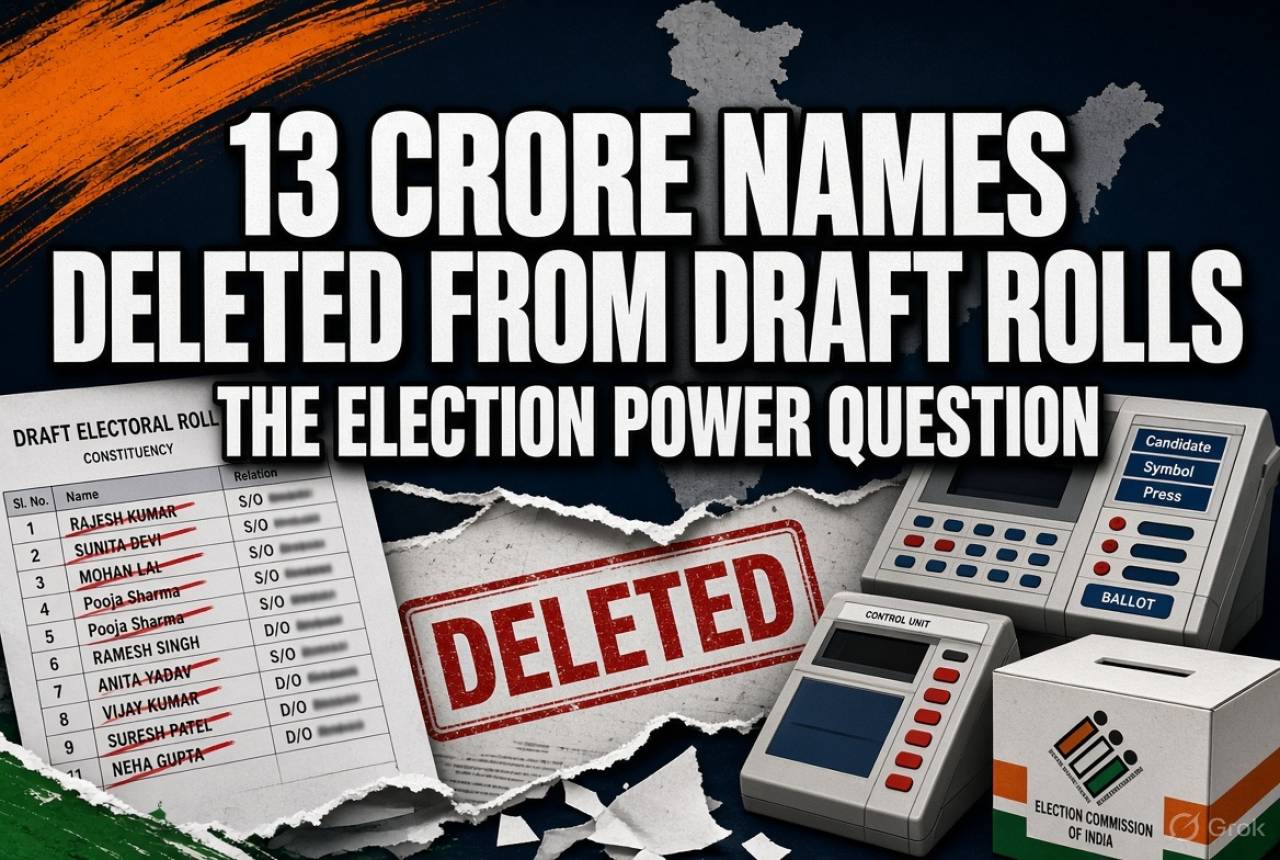
One of the biggest changes in the upcoming elections is the adoption of Multi-Post Electronic Voting Machines. Unlike conventional voting systems, these machines are designed to manage multiple local posts simultaneously, including Mukhiya, Sarpanch, Ward Members, Panchayat Samiti members, and district board representatives.
The move marks Bihar’s strongest push yet toward digitized local governance.
Traditionally, Panchayat elections in the state relied heavily on paper ballots, a process often criticized for slow counting, logistical confusion, and vulnerability to human error. Counting in rural elections sometimes stretched over several days, occasionally triggering disputes and allegations of irregularities.
The introduction of EVMs is expected to reduce many of these complications.
Election officials believe the digital process will help ensure faster counting, quicker declaration of results, and smoother administrative transitions after polling. More importantly, election management is now shifting away from physical ballot handling toward data security, machine testing, and technical training for polling personnel.
In many ways, Bihar’s villages are entering a phase where local democracy is becoming increasingly tied to administrative efficiency and technological management.
Reservation Roster Reset Could Redraw Rural Power Equations
While the technological transition has attracted attention, the more politically sensitive reform lies in the restructuring of reservation rosters.
The state government has chosen to retain existing geographic boundaries without fresh delimitation while introducing a revised reservation framework based on updated demographic data. In effect, constituencies will remain geographically unchanged, but their reservation categories may shift significantly.
The new allocation process is being carried out through population-density mapping and sequential seat assignment based on localized census patterns.
The political implications are substantial.
For years, several Panchayat seats in Bihar were effectively controlled by entrenched local political families or dominant caste groups. The fresh reservation matrix disrupts many of these long-standing strongholds by reallocating seats for women, Scheduled Castes, Scheduled Tribes, and Extremely Backward Classes according to updated demographic calculations.
In practical terms, many established local leaders may no longer be able to contest from seats they previously dominated, while entirely new social groups gain entry into electoral politics.
This restructuring could create opportunities for a younger and more socially diverse generation of grassroots representatives, particularly women and marginalized communities that historically remained outside local power structures.
A More Structured and Transparent Election Process
Another notable feature of this election cycle is the administrative emphasis on transparency and public verification.
Following the publication of the draft reservation roster earlier this month, citizens were given an official window to submit objections and corrections. District administrations have been tasked with resolving disputes before the final gazette notification is issued.
Reports from several districts suggest that the number of formal grievances has remained relatively limited, indicating that much of the demographic groundwork and data verification process may have been conducted with greater accuracy than in previous cycles.
If the remaining objections are resolved without prolonged litigation, Bihar could avoid the legal delays that have repeatedly disrupted local body elections in the past.
That alone would mark a major administrative achievement.
Why These Elections Matter Beyond Bihar
Panchayat elections are often treated as secondary political contests compared to Assembly or Lok Sabha polls. In reality, however, they form the foundation of governance in rural India. Decisions involving roads, drinking water, welfare delivery, sanitation, public housing, and village-level development frequently begin at the Panchayat level.
In Bihar, where a substantial section of the population still depends heavily on rural governance systems for basic public services, these elections carry significant administrative and social importance.
The combination of digital voting infrastructure and revised reservation politics also reflects a broader shift emerging across India: the modernization of local democracy without major territorial restructuring.
By avoiding fresh delimitation disputes while implementing social rebalancing through reservations, Bihar appears to be attempting a carefully managed political transition — one that updates governance systems while limiting territorial friction.
Final Take
Bihar’s upcoming Panchayat elections are likely to alter rural politics in ways that extend beyond voting technology. The use of EVMs may streamline polling and counting, but the sharper political impact will come from the new reservation roster, which is reshuffling access to power across thousands of local seats.
For many established local leaders, this election could mean the loss of familiar political ground. At the same time, communities that remained underrepresented for years may find a stronger opening in village administration. Whether this transition produces better governance will become clear only after the new representatives begin functioning on the ground.
Bihar’s upcoming Three-Tier Panchayat Elections are shaping up to be far more than a routine local democratic exercise. The state is preparing for one of the most significant transformations in rural electoral management in recent years, combining technology-driven voting systems with a sweeping restructuring of reservation rosters. Together, these reforms are expected to influence not only how elections are conducted, but also who gets to exercise political power in Bihar’s villages.
For decades, Panchayat elections in Bihar have reflected the realities of caste equations, local dominance, delayed counting processes, and administrative bottlenecks. This time, however, the State Election Commission is attempting to modernize the system through a fully digitized polling mechanism based on Electronic Voting Machines (EVMs), while simultaneously redesigning reservation allocations to widen political participation.
The changes could reshape grassroots leadership across large parts of the state.
Bihar’s Shift Toward Digital Panchayat Polls
One of the biggest changes in the upcoming elections is the adoption of Multi-Post Electronic Voting Machines. Unlike conventional voting systems, these machines are designed to manage multiple local posts simultaneously, including Mukhiya, Sarpanch, Ward Members, Panchayat Samiti members, and district board representatives.
The move marks Bihar’s strongest push yet toward digitized local governance.
Traditionally, Panchayat elections in the state relied heavily on paper ballots, a process often criticized for slow counting, logistical confusion, and vulnerability to human error. Counting in rural elections sometimes stretched over several days, occasionally triggering disputes and allegations of irregularities.
The introduction of EVMs is expected to reduce many of these complications.
Election officials believe the digital process will help ensure faster counting, quicker declaration of results, and smoother administrative transitions after polling. More importantly, election management is now shifting away from physical ballot handling toward data security, machine testing, and technical training for polling personnel.
In many ways, Bihar’s villages are entering a phase where local democracy is becoming increasingly tied to administrative efficiency and technological management.
Reservation Roster Reset Could Redraw Rural Power Equations
While the technological transition has attracted attention, the more politically sensitive reform lies in the restructuring of reservation rosters.
The state government has chosen to retain existing geographic boundaries without fresh delimitation while introducing a revised reservation framework based on updated demographic data. In effect, constituencies will remain geographically unchanged, but their reservation categories may shift significantly.
The new allocation process is being carried out through population-density mapping and sequential seat assignment based on localized census patterns.
The political implications are substantial.
For years, several Panchayat seats in Bihar were effectively controlled by entrenched local political families or dominant caste groups. The fresh reservation matrix disrupts many of these long-standing strongholds by reallocating seats for women, Scheduled Castes, Scheduled Tribes, and Extremely Backward Classes according to updated demographic calculations.
In practical terms, many established local leaders may no longer be able to contest from seats they previously dominated, while entirely new social groups gain entry into electoral politics.
This restructuring could create opportunities for a younger and more socially diverse generation of grassroots representatives, particularly women and marginalized communities that historically remained outside local power structures.
A More Structured and Transparent Election Process
Another notable feature of this election cycle is the administrative emphasis on transparency and public verification.
Following the publication of the draft reservation roster earlier this month, citizens were given an official window to submit objections and corrections. District administrations have been tasked with resolving disputes before the final gazette notification is issued.
Reports from several districts suggest that the number of formal grievances has remained relatively limited, indicating that much of the demographic groundwork and data verification process may have been conducted with greater accuracy than in previous cycles.
If the remaining objections are resolved without prolonged litigation, Bihar could avoid the legal delays that have repeatedly disrupted local body elections in the past.
That alone would mark a major administrative achievement.
Why These Elections Matter Beyond Bihar
Panchayat elections are often treated as secondary political contests compared to Assembly or Lok Sabha polls. In reality, however, they form the foundation of governance in rural India. Decisions involving roads, drinking water, welfare delivery, sanitation, public housing, and village-level development frequently begin at the Panchayat level.
In Bihar, where a substantial section of the population still depends heavily on rural governance systems for basic public services, these elections carry significant administrative and social importance.
The combination of digital voting infrastructure and revised reservation politics also reflects a broader shift emerging across India: the modernization of local democracy without major territorial restructuring.
By avoiding fresh delimitation disputes while implementing social rebalancing through reservations, Bihar appears to be attempting a carefully managed political transition — one that updates governance systems while limiting territorial friction.
Final Take
Bihar’s upcoming Panchayat elections are likely to alter rural politics in ways that extend beyond voting technology. The use of EVMs may streamline polling and counting, but the sharper political impact will come from the new reservation roster, which is reshuffling access to power across thousands of local seats.
For many established local leaders, this election could mean the loss of familiar political ground. At the same time, communities that remained underrepresented for years may find a stronger opening in village administration. Whether this transition produces better governance will become clear only after the new representatives begin functioning on the ground.




















Leave a Comment