

A village in Darbhanga is gripped by fear after a large police operation named nearly 70 villagers in a case, raising serious questions about proportional enforcement, misuse of the SC/ST Act, and the balance between law and public trust.
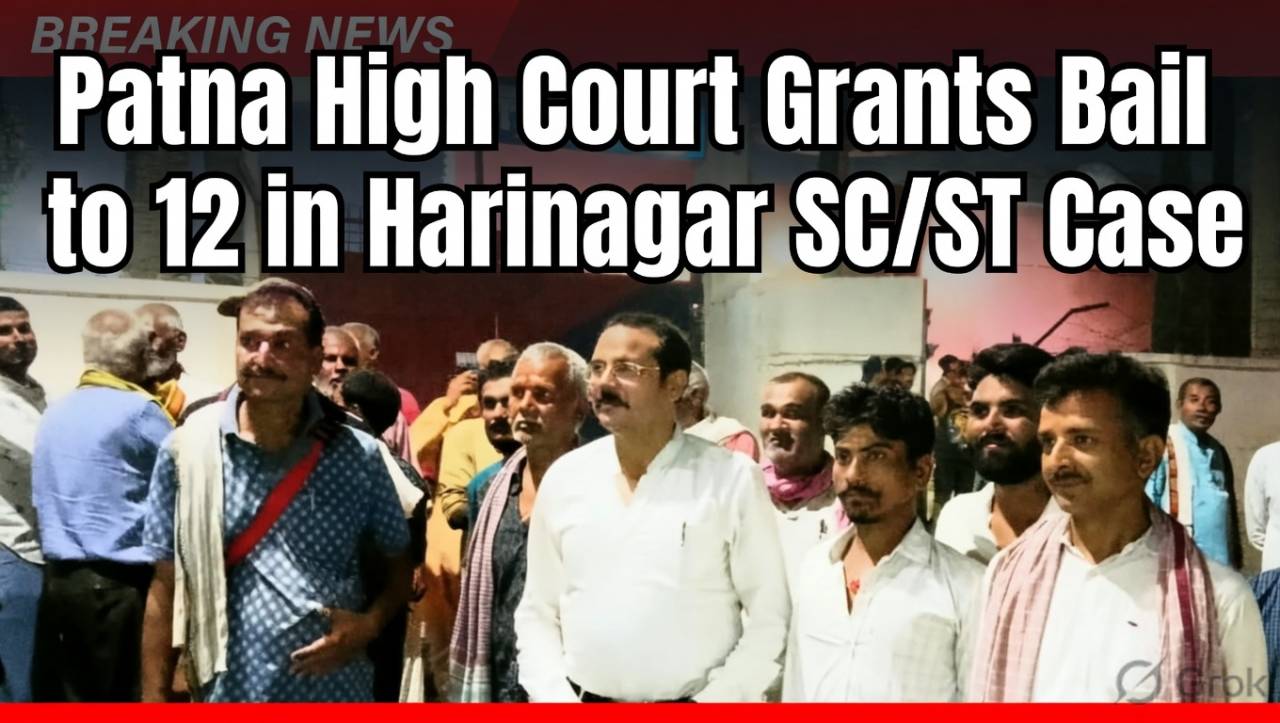
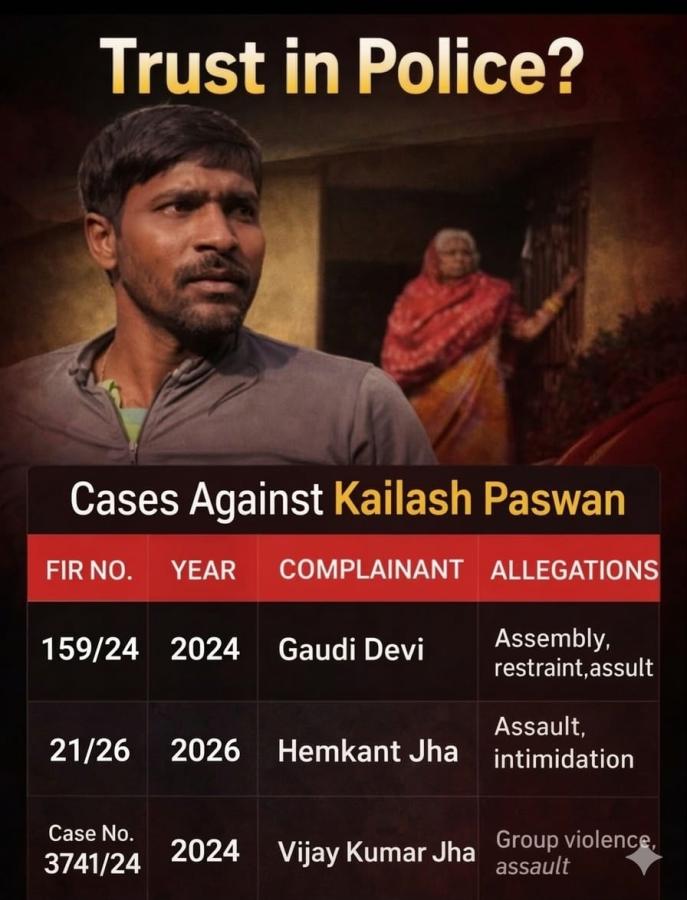
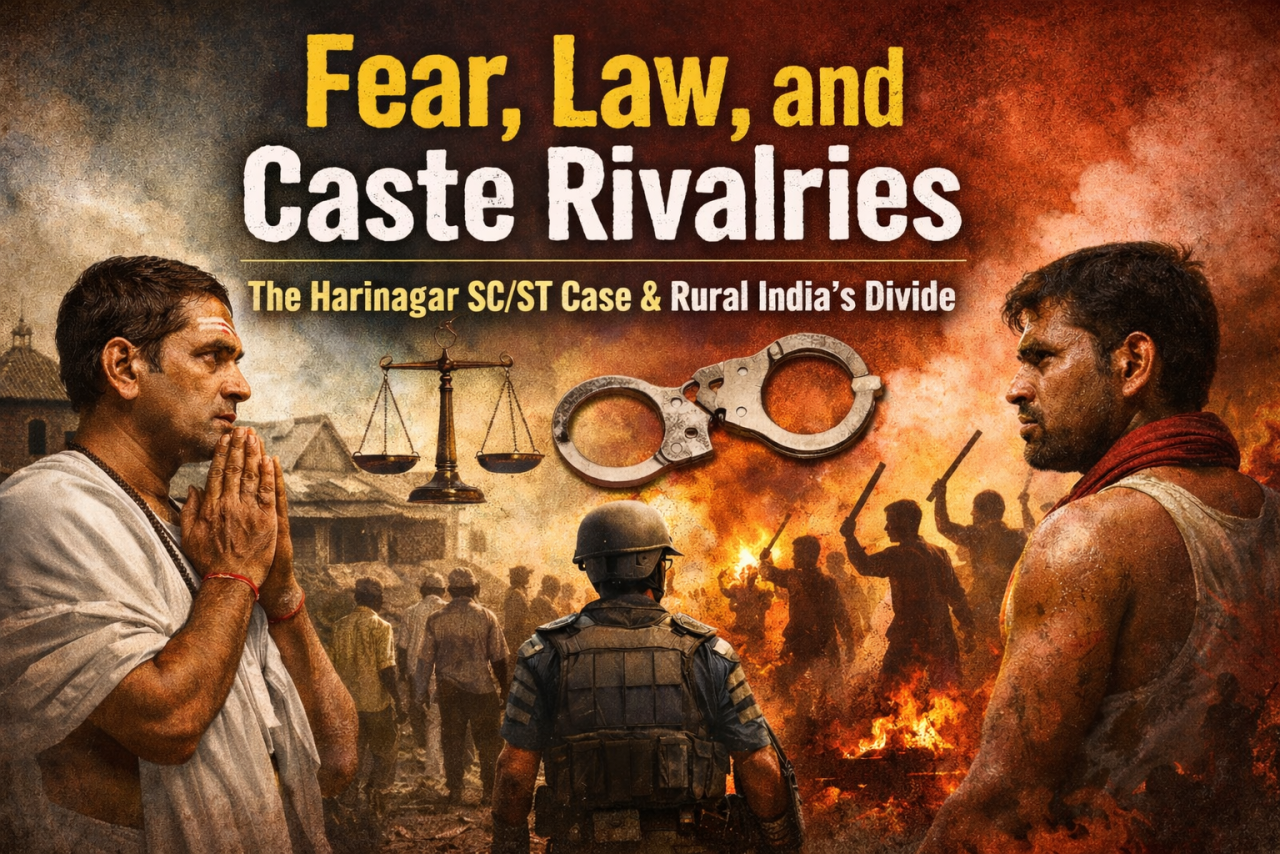
Harinagar in Bihar’s Darbhanga district has emerged as a focal point of controversy following a recent police operation led by DSP Prabhakar Tiwari of Biraul Sub-divisional office. The raid resulted in the arrest of Pankaj Jha and another individual from the Paswan community, and the filing of cases against nearly 70 villagers.
While the administration maintains that action was taken as part of a lawful investigation, the scale of the case has triggered serious concerns among residents about collective targeting and procedural fairness.
Fear, disruption, and mass movement from the village
On the ground, Harinagar is witnessing visible social and psychological disruption.
- Atmosphere of fear: Residents report heightened anxiety following repeated police visits and large-scale raids. Even those not directly named in the case say they fear being drawn into ongoing legal action.
- Displacement of families: Several families have reportedly left the village temporarily, moving to relatives in nearby areas due to fear of arrests or continued police pressure.
- Collapse of routine life: Normal economic and social activities have slowed down significantly, with public spaces appearing unusually quiet since the crackdown.
Allegations of heavy-handed policing
Locals have raised concerns over what they describe as an aggressive style of policing during the operation led by DSP Prabhakar Tiwari. Allegations include the use of large police contingents, repeated raids, and broad naming of individuals in FIRs without clear differentiation of individual roles at the initial stage.
While the police maintain that these actions are necessary for maintaining law and order, villagers argue that the manner of enforcement has created a climate of fear that extends beyond those directly accused.
Such situations often raise a critical question in policing ethics: where is the line between enforcement and intimidation in sensitive rural conflicts?
SC/ST Act and concerns over expansive application
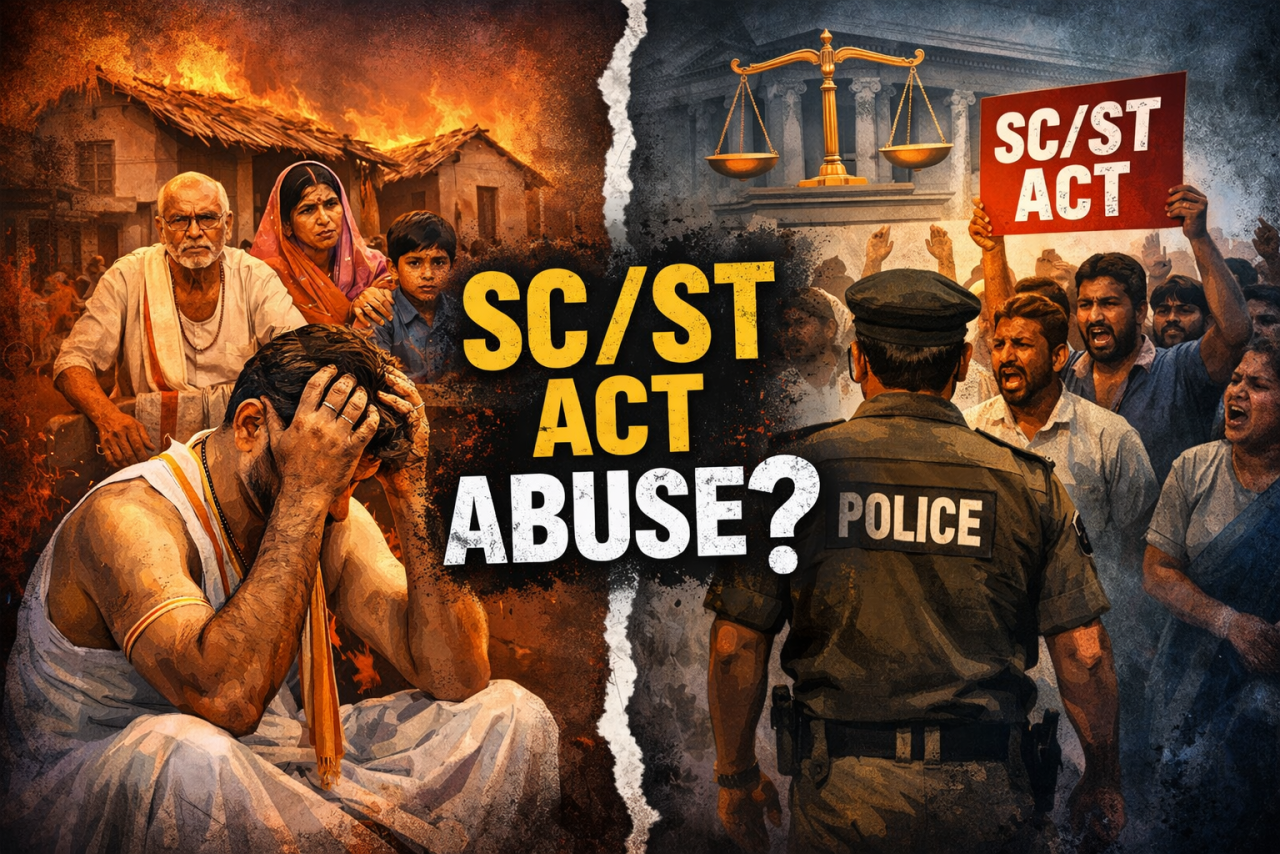
The case has also revived debate around the use of the Scheduled Castes and the Scheduled Tribes (Prevention of Atrocities) Act, 1989.
The law was enacted as a strong protective framework to address caste-based violence and discrimination. It includes stringent provisions to ensure swift legal action in cases of atrocities against marginalized communities.
However, in several states including Bihar and Uttar Pradesh, legal observers and public discourse have periodically flagged concerns about the expansive or strategic invocation of the Act in local disputes, particularly in cases involving land conflicts, political rivalry, or interpersonal tensions.
According to NCRB (National Crime Records Bureau) data in recent years, Uttar Pradesh, Bihar, Rajasthan, and Madhya Pradesh consistently report among the highest numbers of registered cases under the SC/ST (Prevention of Atrocities) Act. While this reflects both high reporting and strong legal awareness, critics argue that it also highlights the need for careful scrutiny at the FIR stage to prevent misuse or over-inclusion.
Legal experts often emphasize that the credibility of such protective laws depends on two parallel principles:
- swift justice for genuine victims
- and strict safeguards against wrongful implication
Social fragmentation and rising mistrust
Beyond legal debate, the most immediate impact in Harinagar is social fragmentation.
The arrests include individuals from different communities, including both upper-caste and Dalit families, complicating a simple binary interpretation of the conflict. As a result, mistrust has deepened across social lines.
Residents say that everyday disputes are now viewed through the lens of potential legal escalation, particularly under the SC/ST Act, increasing tension in already fragile local relationships.
The broader question of governance and proportionality
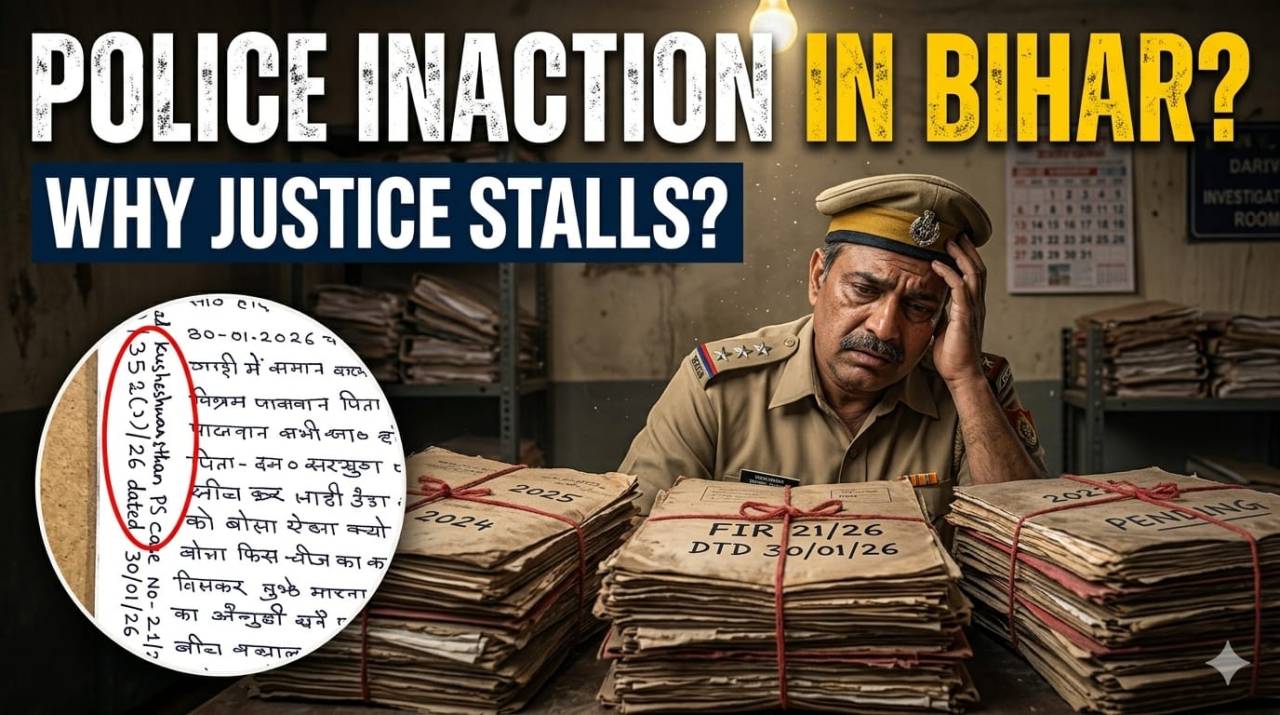
While law enforcement agencies maintain that the operation is part of a lawful process, the scale of the crackdown—especially the naming of around 70 villagers—has raised questions about proportionality and investigative procedure.
Critics argue that when enforcement actions become too broad, they risk undermining public confidence in the neutrality of the justice system. Supporters of strict action, however, maintain that strong enforcement is sometimes necessary to deter serious offenses.
Need for transparency and independent review
The situation in Harinagar highlights the importance of transparency in sensitive policing operations. An independent review of the FIR structure, evidence basis, and inclusion criteria could help clarify whether individual accountability has been properly established.
At its core, the effectiveness of any legal framework depends not only on enforcement strength but also on public trust. Without procedural clarity and restraint, even protective laws risk being perceived as instruments of fear rather than justice.
For Harinagar, restoring normalcy will require not only legal proceedings but also confidence-building measures that reassure residents that law enforcement remains impartial, evidence-driven, and proportionate.
Harinagar in Bihar’s Darbhanga district has emerged as a focal point of controversy following a recent police operation led by DSP Prabhakar Tiwari of Biraul Sub-divisional office. The raid resulted in the arrest of Pankaj Jha and another individual from the Paswan community, and the filing of cases against nearly 70 villagers.
While the administration maintains that action was taken as part of a lawful investigation, the scale of the case has triggered serious concerns among residents about collective targeting and procedural fairness.
Fear, disruption, and mass movement from the village
On the ground, Harinagar is witnessing visible social and psychological disruption.
- Atmosphere of fear: Residents report heightened anxiety following repeated police visits and large-scale raids. Even those not directly named in the case say they fear being drawn into ongoing legal action.
- Displacement of families: Several families have reportedly left the village temporarily, moving to relatives in nearby areas due to fear of arrests or continued police pressure.
- Collapse of routine life: Normal economic and social activities have slowed down significantly, with public spaces appearing unusually quiet since the crackdown.
Allegations of heavy-handed policing
Locals have raised concerns over what they describe as an aggressive style of policing during the operation led by DSP Prabhakar Tiwari. Allegations include the use of large police contingents, repeated raids, and broad naming of individuals in FIRs without clear differentiation of individual roles at the initial stage.
While the police maintain that these actions are necessary for maintaining law and order, villagers argue that the manner of enforcement has created a climate of fear that extends beyond those directly accused.
Such situations often raise a critical question in policing ethics: where is the line between enforcement and intimidation in sensitive rural conflicts?
SC/ST Act and concerns over expansive application
The case has also revived debate around the use of the Scheduled Castes and the Scheduled Tribes (Prevention of Atrocities) Act, 1989.
The law was enacted as a strong protective framework to address caste-based violence and discrimination. It includes stringent provisions to ensure swift legal action in cases of atrocities against marginalized communities.
However, in several states including Bihar and Uttar Pradesh, legal observers and public discourse have periodically flagged concerns about the expansive or strategic invocation of the Act in local disputes, particularly in cases involving land conflicts, political rivalry, or interpersonal tensions.
According to NCRB (National Crime Records Bureau) data in recent years, Uttar Pradesh, Bihar, Rajasthan, and Madhya Pradesh consistently report among the highest numbers of registered cases under the SC/ST (Prevention of Atrocities) Act. While this reflects both high reporting and strong legal awareness, critics argue that it also highlights the need for careful scrutiny at the FIR stage to prevent misuse or over-inclusion.
Legal experts often emphasize that the credibility of such protective laws depends on two parallel principles:
- swift justice for genuine victims
- and strict safeguards against wrongful implication
Social fragmentation and rising mistrust
Beyond legal debate, the most immediate impact in Harinagar is social fragmentation.
The arrests include individuals from different communities, including both upper-caste and Dalit families, complicating a simple binary interpretation of the conflict. As a result, mistrust has deepened across social lines.
Residents say that everyday disputes are now viewed through the lens of potential legal escalation, particularly under the SC/ST Act, increasing tension in already fragile local relationships.
The broader question of governance and proportionality
While law enforcement agencies maintain that the operation is part of a lawful process, the scale of the crackdown—especially the naming of around 70 villagers—has raised questions about proportionality and investigative procedure.
Critics argue that when enforcement actions become too broad, they risk undermining public confidence in the neutrality of the justice system. Supporters of strict action, however, maintain that strong enforcement is sometimes necessary to deter serious offenses.
Need for transparency and independent review
The situation in Harinagar highlights the importance of transparency in sensitive policing operations. An independent review of the FIR structure, evidence basis, and inclusion criteria could help clarify whether individual accountability has been properly established.
At its core, the effectiveness of any legal framework depends not only on enforcement strength but also on public trust. Without procedural clarity and restraint, even protective laws risk being perceived as instruments of fear rather than justice.
For Harinagar, restoring normalcy will require not only legal proceedings but also confidence-building measures that reassure residents that law enforcement remains impartial, evidence-driven, and proportionate.






















Leave a Comment