

India’s latest milk price hike is quietly reshaping the country’s food economy. From roadside chai stalls to premium dessert cafés, businesses are cutting portions, raising prices, and reworking sourcing strategies to survive rising dairy costs.
If you walked into your local tea stall or favorite dessert parlor this morning, you might have noticed a subtle shift. Perhaps your morning tea (chai) came in a slightly smaller cup, or maybe your weekend ice cream suddenly costs a few rupees more.
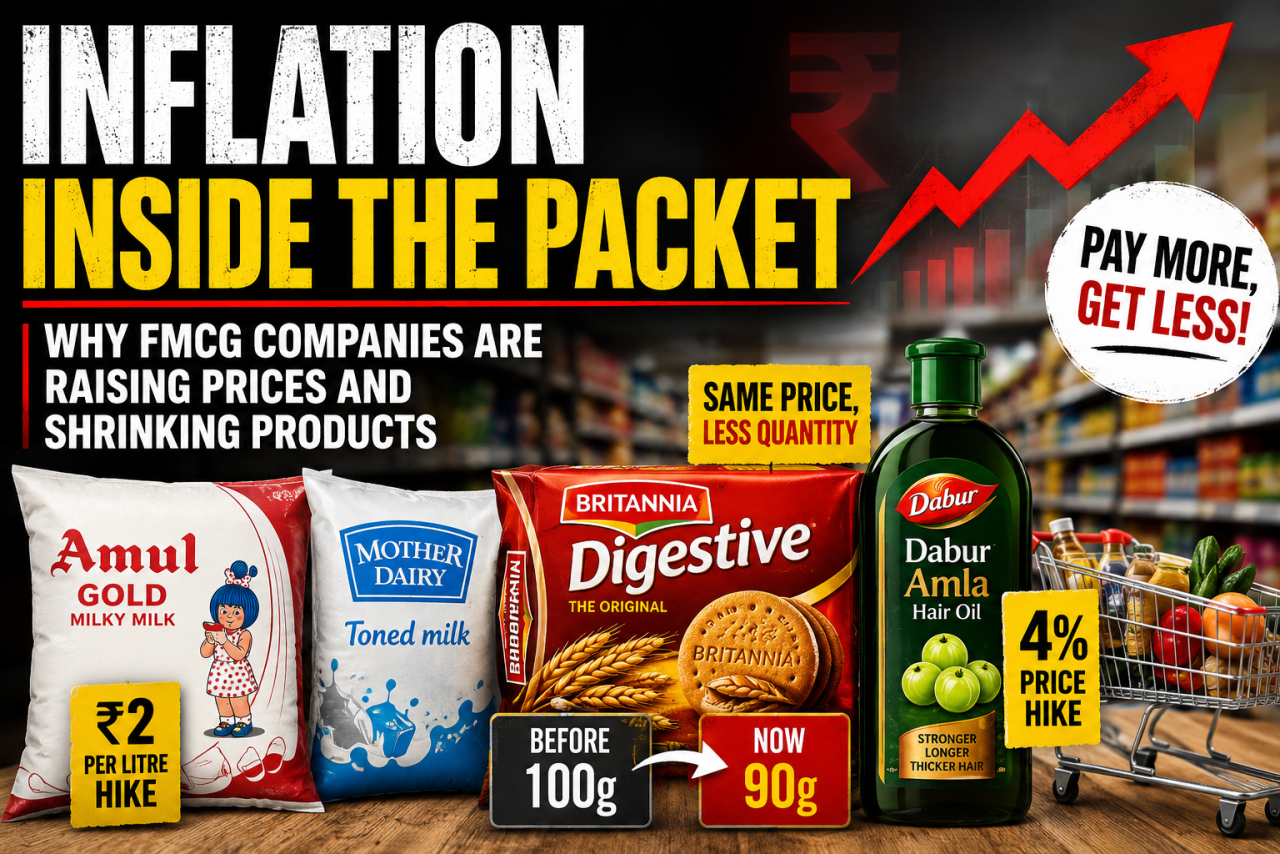
These small adjustments reflect a much larger economic story unfolding across India. Following recent milk price hikes by dairy giants Amul and Mother Dairy—both of which increased prices by ₹2 per litre across several popular variants—the ripple effects are now spreading far beyond household kitchens.
For India’s vast food and beverage industry, milk is not merely a grocery staple. It is one of the foundational ingredients powering everything from roadside chai stalls to premium dessert boutiques. As costs rise, businesses across the spectrum are being forced into a difficult balancing act involving shrinking margins, cautious price hikes, and operational compromises.
The Ground Reality: Survival on the Streets
For small-scale vendors, the immediate challenge is survival without alienating customers.
Across densely populated urban neighborhoods, many tea sellers cater to working-class customers who calculate expenses down to the last rupee. In such price-sensitive markets, even a ₹2 increase per cup can push customers elsewhere. As a result, many vendors are choosing not to raise prices directly.
Instead, they are quietly adjusting portion sizes, using slightly less milk per serving, or absorbing the higher costs through already razor-thin margins. In practical terms, the famous “cutting chai” has become even more “cut.”
For these vendors, the problem is not simply about milk. It is about maintaining daily customer loyalty in an economy where consumers are themselves under financial pressure.
Dessert Parlors Face a Multi-Layered Cost Crunch
The financial strain intensifies further up the food chain.
Dessert parlors, shake outlets, and cafés depend heavily on dairy products while also managing high operating expenses such as electricity and LPG. Refrigeration systems must run continuously, ingredients require constant cooling, and preparation processes consume substantial energy.
With utility bills already elevated, the milk price hike acts as a compounding burden rather than an isolated expense. Many business owners are now implementing small but noticeable price revisions to maintain stable earnings while operating costs continue to rise.
For luxury dessert brands and premium bakeries, the challenge extends beyond milk itself. These businesses rely heavily on fresh cream, butter, and specialty dairy ingredients whose prices often rise in tandem with milk. As production expenses increase, retail price adjustments become increasingly unavoidable.
How Different Businesses Are Responding
Business Type
Strategy to Counter Rising Costs
Street Tea Vendors
Reducing portion sizes instead of raising prices
Shake & Dessert Outlets
Minor price hikes to offset dairy and fuel costs
High-End Cafés
Introducing premium plant-based alternatives
Local Restaurants
Seeking cheaper sourcing options while managing quality
Sourcing Pressures and Quality Risks
Rising dairy prices are also reshaping supply chains inside restaurant kitchens and food manufacturing units.
As the costs of milk, paneer, butter, and cream climb higher, many establishments are searching for lower-cost suppliers to preserve profitability. However, industry observers warn that aggressive cost-cutting can carry serious consequences.
Switching to cheaper sources may affect food quality, consistency, and customer trust. More concerningly, periods of sharp dairy inflation have historically been associated with increased risks of adulteration in high-demand products such as paneer and cream.
Food safety experts argue that businesses now face a dual responsibility: protecting margins while maintaining strict quality standards. For restaurants and food vendors, a single compromise in quality can damage customer confidence far more than a small price increase ever could.
Can Plant-Based Alternatives Fill the Gap?
The growing popularity of oat, almond, and soy milk has sparked discussions about whether plant-based products could help businesses reduce dependence on traditional dairy.
For now, the answer remains limited.
Premium urban cafés in cities like Mumbai and Bengaluru have started offering vegan lattes and dairy-free beverages to affluent consumers willing to pay extra. In some cases, these products even provide better margins for café owners.
However, plant-based milk alternatives continue to remain significantly more expensive for mainstream Indian consumers. They also alter the traditional flavor profile of widely consumed beverages and desserts, making large-scale adoption difficult in a market deeply rooted in conventional dairy tastes.
For most consumers and businesses, traditional milk remains irreplaceable.
Final Take
India’s dairy sector attributes the recent price hikes to rising input costs, including cattle feed, transportation, packaging materials, and broader production overheads. Because these pressures are structural rather than temporary, industry experts believe elevated prices are likely to persist in the near term.
For consumers, this may mean adapting to slightly costlier meals, smaller portions, or premium pricing for dairy-heavy products. For businesses, it is yet another test of resilience in an already challenging economic environment.
From roadside chai vendors to upscale dessert cafés, India’s food industry is once again doing what it has always done best—adjusting, improvising, and finding ways to keep serving customers despite mounting pressures.
If you walked into your local tea stall or favorite dessert parlor this morning, you might have noticed a subtle shift. Perhaps your morning tea (chai) came in a slightly smaller cup, or maybe your weekend ice cream suddenly costs a few rupees more.
These small adjustments reflect a much larger economic story unfolding across India. Following recent milk price hikes by dairy giants Amul and Mother Dairy—both of which increased prices by ₹2 per litre across several popular variants—the ripple effects are now spreading far beyond household kitchens.
For India’s vast food and beverage industry, milk is not merely a grocery staple. It is one of the foundational ingredients powering everything from roadside chai stalls to premium dessert boutiques. As costs rise, businesses across the spectrum are being forced into a difficult balancing act involving shrinking margins, cautious price hikes, and operational compromises.
The Ground Reality: Survival on the Streets
For small-scale vendors, the immediate challenge is survival without alienating customers.
Across densely populated urban neighborhoods, many tea sellers cater to working-class customers who calculate expenses down to the last rupee. In such price-sensitive markets, even a ₹2 increase per cup can push customers elsewhere. As a result, many vendors are choosing not to raise prices directly.
Instead, they are quietly adjusting portion sizes, using slightly less milk per serving, or absorbing the higher costs through already razor-thin margins. In practical terms, the famous “cutting chai” has become even more “cut.”
For these vendors, the problem is not simply about milk. It is about maintaining daily customer loyalty in an economy where consumers are themselves under financial pressure.
Dessert Parlors Face a Multi-Layered Cost Crunch
The financial strain intensifies further up the food chain.
Dessert parlors, shake outlets, and cafés depend heavily on dairy products while also managing high operating expenses such as electricity and LPG. Refrigeration systems must run continuously, ingredients require constant cooling, and preparation processes consume substantial energy.
With utility bills already elevated, the milk price hike acts as a compounding burden rather than an isolated expense. Many business owners are now implementing small but noticeable price revisions to maintain stable earnings while operating costs continue to rise.
For luxury dessert brands and premium bakeries, the challenge extends beyond milk itself. These businesses rely heavily on fresh cream, butter, and specialty dairy ingredients whose prices often rise in tandem with milk. As production expenses increase, retail price adjustments become increasingly unavoidable.
How Different Businesses Are Responding
|
Business Type |
Strategy to Counter Rising Costs |
|
Street Tea Vendors |
Reducing portion sizes instead of raising prices |
|
Shake & Dessert Outlets |
Minor price hikes to offset dairy and fuel costs |
|
High-End Cafés |
Introducing premium plant-based alternatives |
|
Local Restaurants |
Seeking cheaper sourcing options while managing quality |
Sourcing Pressures and Quality Risks
Rising dairy prices are also reshaping supply chains inside restaurant kitchens and food manufacturing units.
As the costs of milk, paneer, butter, and cream climb higher, many establishments are searching for lower-cost suppliers to preserve profitability. However, industry observers warn that aggressive cost-cutting can carry serious consequences.
Switching to cheaper sources may affect food quality, consistency, and customer trust. More concerningly, periods of sharp dairy inflation have historically been associated with increased risks of adulteration in high-demand products such as paneer and cream.
Food safety experts argue that businesses now face a dual responsibility: protecting margins while maintaining strict quality standards. For restaurants and food vendors, a single compromise in quality can damage customer confidence far more than a small price increase ever could.
Can Plant-Based Alternatives Fill the Gap?
The growing popularity of oat, almond, and soy milk has sparked discussions about whether plant-based products could help businesses reduce dependence on traditional dairy.
For now, the answer remains limited.
Premium urban cafés in cities like Mumbai and Bengaluru have started offering vegan lattes and dairy-free beverages to affluent consumers willing to pay extra. In some cases, these products even provide better margins for café owners.
However, plant-based milk alternatives continue to remain significantly more expensive for mainstream Indian consumers. They also alter the traditional flavor profile of widely consumed beverages and desserts, making large-scale adoption difficult in a market deeply rooted in conventional dairy tastes.
For most consumers and businesses, traditional milk remains irreplaceable.
Final Take
India’s dairy sector attributes the recent price hikes to rising input costs, including cattle feed, transportation, packaging materials, and broader production overheads. Because these pressures are structural rather than temporary, industry experts believe elevated prices are likely to persist in the near term.
For consumers, this may mean adapting to slightly costlier meals, smaller portions, or premium pricing for dairy-heavy products. For businesses, it is yet another test of resilience in an already challenging economic environment.
From roadside chai vendors to upscale dessert cafés, India’s food industry is once again doing what it has always done best—adjusting, improvising, and finding ways to keep serving customers despite mounting pressures.

























Leave a Comment