
Why are South Koreans taking their dogs for tarot readings? The surprising trend reveals far more about modern society than it does about the future.
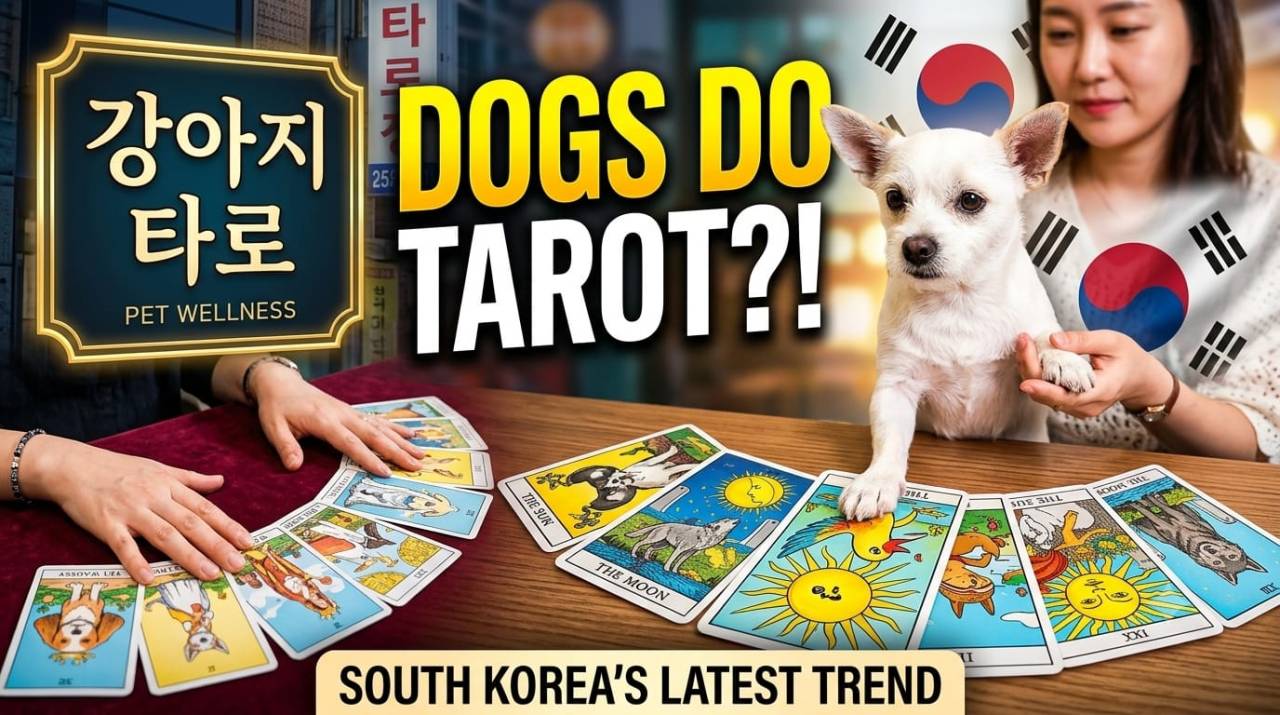
In Seoul's upscale Gangnam district, an unusual trend is quietly reshaping the country's booming pet care industry. Inside fortune-telling parlours, tarot readers lay out specially designed cards on velvet-covered tables. But the clients seeking answers are not people. They are family pets.
Dogs are encouraged to tap a tarot card with their paws or noses, after which mystics interpret the chosen cards to reveal insights into the animal's emotions, behaviour, or even possible physical discomfort. A typical session costs around 20,000 won (approximately US$14), making pet tarot an increasingly popular niche service among South Korea's devoted pet owners.
Although veterinarians and animal behaviour experts emphasise that tarot has no scientific or medical basis for diagnosing an animal's health or emotional state, the growing popularity of these readings highlights a much deeper social transformation taking place across South Korea.
Pets Are Becoming Family
The rise of pet tarot is closely linked to South Korea's changing demographics.
According to official government data, 29.2% of South Korean households now own pets, up significantly from 17.4% in 2010.
At the same time, the country continues to struggle with the world's lowest fertility rate. Rising housing costs, expensive education, demanding work cultures, and changing lifestyle priorities have led many young adults to delay or abandon plans to have children.
As a result, companion animals have increasingly become emotional anchors, family members, and, in many cases, the primary companions in single-person households.
Demographic Indicator
2010
Current Situation
Pet-owning households
17.4%
29.2%
Main drivers
Traditional pet ownership
Low birth rate, high housing costs, solo living
Role of pets
Household animals
Family members and emotional companions
Searching for Emotional Reassurance
For many owners, pet tarot is less about predicting the future and more about understanding companions who cannot communicate through words.
When pets display sudden behavioural changes or appear anxious, owners often struggle to identify the cause. Tarot practitioners present their readings as a way to offer emotional reassurance and a narrative that helps owners interpret their pets' feelings.
One pet owner, Ahn, who brought her dog Khan to a Seoul fortune-telling shop, explained the appeal:
"These feelings Khan experiences are something vets or dog trainers don't know, since it doesn't manifest as a major issue to them."
Experts caution that such interpretations should never replace professional veterinary care. Nevertheless, many owners see tarot sessions as a complementary experience rather than a medical diagnosis.
A Reflection of Modern Society
The popularity of pet tarot also reflects the rapid growth of South Korea's pet economy. Owners are increasingly spending on premium food, luxury grooming, pet psychology, wellness therapies, and now even spiritual services.
As urban lifestyles become more individualistic and single-person households continue to rise, people are investing more emotionally and financially in their pets. Pet tarot, while unconventional, illustrates how many owners are searching for deeper emotional connections with the animals that share their lives.
Whether viewed as entertainment, spiritual practice, or emotional comfort, the trend offers a fascinating glimpse into how changing family structures and modern loneliness are reshaping the relationship between humans and their companion animals.
Disclaimer: Pet tarot readings are a cultural and spiritual practice. They are not supported by scientific evidence and should not be considered a substitute for professional veterinary advice or medical treatment.
In Seoul's upscale Gangnam district, an unusual trend is quietly reshaping the country's booming pet care industry. Inside fortune-telling parlours, tarot readers lay out specially designed cards on velvet-covered tables. But the clients seeking answers are not people. They are family pets.
Dogs are encouraged to tap a tarot card with their paws or noses, after which mystics interpret the chosen cards to reveal insights into the animal's emotions, behaviour, or even possible physical discomfort. A typical session costs around 20,000 won (approximately US$14), making pet tarot an increasingly popular niche service among South Korea's devoted pet owners.
Although veterinarians and animal behaviour experts emphasise that tarot has no scientific or medical basis for diagnosing an animal's health or emotional state, the growing popularity of these readings highlights a much deeper social transformation taking place across South Korea.
Pets Are Becoming Family
The rise of pet tarot is closely linked to South Korea's changing demographics.
According to official government data, 29.2% of South Korean households now own pets, up significantly from 17.4% in 2010.
At the same time, the country continues to struggle with the world's lowest fertility rate. Rising housing costs, expensive education, demanding work cultures, and changing lifestyle priorities have led many young adults to delay or abandon plans to have children.
As a result, companion animals have increasingly become emotional anchors, family members, and, in many cases, the primary companions in single-person households.
|
Demographic Indicator |
2010 |
Current Situation |
|
Pet-owning households |
17.4% |
29.2% |
|
Main drivers |
Traditional pet ownership |
Low birth rate, high housing costs, solo living |
|
Role of pets |
Household animals |
Family members and emotional companions |
Searching for Emotional Reassurance
For many owners, pet tarot is less about predicting the future and more about understanding companions who cannot communicate through words.
When pets display sudden behavioural changes or appear anxious, owners often struggle to identify the cause. Tarot practitioners present their readings as a way to offer emotional reassurance and a narrative that helps owners interpret their pets' feelings.
One pet owner, Ahn, who brought her dog Khan to a Seoul fortune-telling shop, explained the appeal:
"These feelings Khan experiences are something vets or dog trainers don't know, since it doesn't manifest as a major issue to them."
Experts caution that such interpretations should never replace professional veterinary care. Nevertheless, many owners see tarot sessions as a complementary experience rather than a medical diagnosis.
A Reflection of Modern Society
The popularity of pet tarot also reflects the rapid growth of South Korea's pet economy. Owners are increasingly spending on premium food, luxury grooming, pet psychology, wellness therapies, and now even spiritual services.
As urban lifestyles become more individualistic and single-person households continue to rise, people are investing more emotionally and financially in their pets. Pet tarot, while unconventional, illustrates how many owners are searching for deeper emotional connections with the animals that share their lives.
Whether viewed as entertainment, spiritual practice, or emotional comfort, the trend offers a fascinating glimpse into how changing family structures and modern loneliness are reshaping the relationship between humans and their companion animals.
Disclaimer: Pet tarot readings are a cultural and spiritual practice. They are not supported by scientific evidence and should not be considered a substitute for professional veterinary advice or medical treatment.























Leave a Comment