
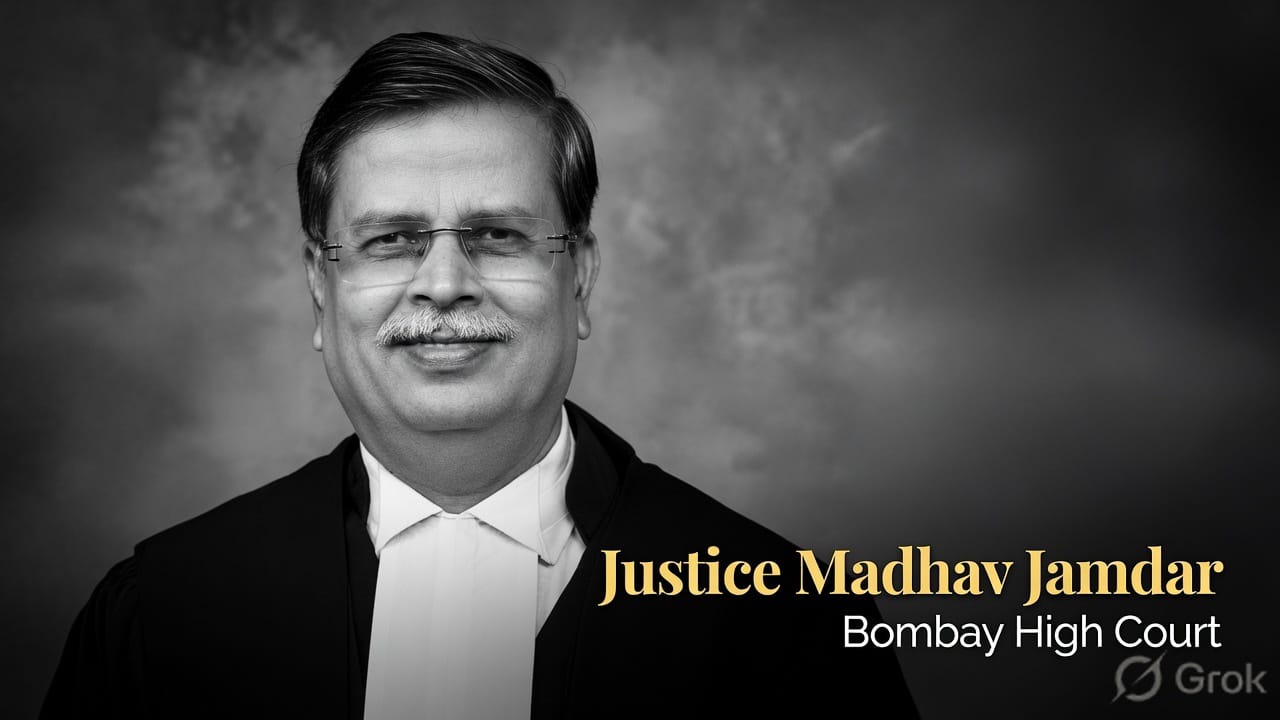
The Bombay High Court has reaffirmed that peaceful protest is a constitutional right, questioning whether criticism of the government can justify externment or criminal action.
In a strongly worded hearing that has drawn national attention, the Bombay High Court reaffirmed that peaceful protest and political dissent remain integral to India's constitutional democracy. While hearing a petition challenging an externment order against a political activist, Justice Madhav Jamdar questioned the growing use of police powers against citizens participating in demonstrations and raising anti-government slogans.
During proceedings on July 2, 2026, Justice Jamdar remarked:
"All citizens are being made slaves of the Indian Government. They cannot stage protests, they cannot agitate—what is all this?"
The observations came while the court was hearing a petition filed by Saeed Ahmad Abdul Wahid Chaudhary, General Secretary of the Social Democratic Party of India (SDPI), who had challenged an externment order barring him from Mumbai and adjoining districts for one year.
Court Quashes Externment Order
The externment order was based on five FIRs registered against Chaudhary, most of which arose from protests, dharnas and political demonstrations opposing decisions of the Union government. Among the allegations were slogans such as "BJP Government Murdabad" and "Amit Shah Murdabad."
Justice Jamdar questioned whether raising such slogans could legitimately justify preventive action as severe as externment.
"Why citizens can't raise such slogans? Why externment orders for such slogans?"
The court ultimately set aside the externment order, holding that the circumstances did not justify removing the petitioner from the city.
"It Is the Right of Citizens to Protest"
During the hearing, Justice Jamdar also referred to the public outrage surrounding repeated examination paper leaks, suggesting that citizens have every right to express their dissatisfaction.
"Now so many papers have been leaked. If people protest, you will slap cases... What is this? It is the right of the citizens to protest."
The remarks reflected judicial concern over what the court appeared to view as an increasing tendency to respond to public demonstrations with criminal proceedings rather than addressing the underlying grievances.
A Wider Debate Over Civil Liberties
The observations come against the backdrop of several high-profile examination paper leak controversies in recent years, including competitive entrance examinations that affected millions of students across India. The resulting protests have, in some cases, led to criminal cases being registered against demonstrators.
The hearing has therefore resonated beyond the individual petitioner, touching on broader questions about the balance between maintaining public order and safeguarding constitutional freedoms.
Externment provisions under the Maharashtra Police Act are intended primarily for habitual offenders or individuals whose presence poses a serious threat to public safety. Their application against political activists participating in protests has increasingly attracted judicial scrutiny.
Legal experts have long argued that such preventive measures must be exercised sparingly because they directly affect an individual's freedom of movement, livelihood and reputation without determining criminal guilt through trial.
Constitutional Protections at the Centre
Although the case turned on the legality of the externment order, the hearing inevitably brought constitutional rights into focus.
Article 19(1)(a) guarantees freedom of speech and expression, while Article 19(1)(b) protects the right to assemble peacefully. These freedoms are subject to reasonable restrictions in the interests of public order and other constitutionally recognised grounds, but courts have consistently held that peaceful criticism of governments forms an essential part of democratic life.
Justice Jamdar also reminded authorities that policing should serve constitutional governance rather than political convenience, drawing a distinction between maintaining law and order and suppressing political opposition.
Beyond One Individual Case
The ruling is significant not merely because it granted relief to one petitioner, but because it adds to an evolving body of judicial scrutiny over the use of preventive policing against political dissent.
Civil liberties advocates have repeatedly expressed concern that FIRs, preventive detention measures and externment proceedings can have a chilling effect on lawful protest, particularly when deployed against activists, students or opposition voices.
During the hearing, Justice Jamdar also made a light-hearted reference to Maharashtra's political landscape, remarking that with multiple FIRs the petitioner might eventually find himself in the "washing machine"—a colloquial political expression often used in discussions about party defections. The remark underscored the court's concern that political circumstances should not become grounds for curtailing individual liberties.
A Reminder of Democratic Principles
The Bombay High Court's decision arrives at a time when debates over civil liberties, policing and democratic accountability continue to occupy public discourse.
By setting aside the externment order, the court reinforced an important constitutional principle: peaceful dissent cannot, by itself, be treated as criminal conduct.
The judgment serves as a reminder that democratic governance depends not only on maintaining public order but also on protecting citizens' right to question those in power. As Justice Jamdar observed during the hearing, the right to protest remains a constitutional entitlement—one that cannot be curtailed merely because criticism is directed at the government of the day.
In a strongly worded hearing that has drawn national attention, the Bombay High Court reaffirmed that peaceful protest and political dissent remain integral to India's constitutional democracy. While hearing a petition challenging an externment order against a political activist, Justice Madhav Jamdar questioned the growing use of police powers against citizens participating in demonstrations and raising anti-government slogans.
During proceedings on July 2, 2026, Justice Jamdar remarked:
"All citizens are being made slaves of the Indian Government. They cannot stage protests, they cannot agitate—what is all this?"
The observations came while the court was hearing a petition filed by Saeed Ahmad Abdul Wahid Chaudhary, General Secretary of the Social Democratic Party of India (SDPI), who had challenged an externment order barring him from Mumbai and adjoining districts for one year.
Court Quashes Externment Order
The externment order was based on five FIRs registered against Chaudhary, most of which arose from protests, dharnas and political demonstrations opposing decisions of the Union government. Among the allegations were slogans such as "BJP Government Murdabad" and "Amit Shah Murdabad."
Justice Jamdar questioned whether raising such slogans could legitimately justify preventive action as severe as externment.
"Why citizens can't raise such slogans? Why externment orders for such slogans?"
The court ultimately set aside the externment order, holding that the circumstances did not justify removing the petitioner from the city.
"It Is the Right of Citizens to Protest"
During the hearing, Justice Jamdar also referred to the public outrage surrounding repeated examination paper leaks, suggesting that citizens have every right to express their dissatisfaction.
"Now so many papers have been leaked. If people protest, you will slap cases... What is this? It is the right of the citizens to protest."
The remarks reflected judicial concern over what the court appeared to view as an increasing tendency to respond to public demonstrations with criminal proceedings rather than addressing the underlying grievances.
A Wider Debate Over Civil Liberties
The observations come against the backdrop of several high-profile examination paper leak controversies in recent years, including competitive entrance examinations that affected millions of students across India. The resulting protests have, in some cases, led to criminal cases being registered against demonstrators.
The hearing has therefore resonated beyond the individual petitioner, touching on broader questions about the balance between maintaining public order and safeguarding constitutional freedoms.
Externment provisions under the Maharashtra Police Act are intended primarily for habitual offenders or individuals whose presence poses a serious threat to public safety. Their application against political activists participating in protests has increasingly attracted judicial scrutiny.
Legal experts have long argued that such preventive measures must be exercised sparingly because they directly affect an individual's freedom of movement, livelihood and reputation without determining criminal guilt through trial.
Constitutional Protections at the Centre
Although the case turned on the legality of the externment order, the hearing inevitably brought constitutional rights into focus.
Article 19(1)(a) guarantees freedom of speech and expression, while Article 19(1)(b) protects the right to assemble peacefully. These freedoms are subject to reasonable restrictions in the interests of public order and other constitutionally recognised grounds, but courts have consistently held that peaceful criticism of governments forms an essential part of democratic life.
Justice Jamdar also reminded authorities that policing should serve constitutional governance rather than political convenience, drawing a distinction between maintaining law and order and suppressing political opposition.
Beyond One Individual Case
The ruling is significant not merely because it granted relief to one petitioner, but because it adds to an evolving body of judicial scrutiny over the use of preventive policing against political dissent.
Civil liberties advocates have repeatedly expressed concern that FIRs, preventive detention measures and externment proceedings can have a chilling effect on lawful protest, particularly when deployed against activists, students or opposition voices.
During the hearing, Justice Jamdar also made a light-hearted reference to Maharashtra's political landscape, remarking that with multiple FIRs the petitioner might eventually find himself in the "washing machine"—a colloquial political expression often used in discussions about party defections. The remark underscored the court's concern that political circumstances should not become grounds for curtailing individual liberties.
A Reminder of Democratic Principles
The Bombay High Court's decision arrives at a time when debates over civil liberties, policing and democratic accountability continue to occupy public discourse.
By setting aside the externment order, the court reinforced an important constitutional principle: peaceful dissent cannot, by itself, be treated as criminal conduct.
The judgment serves as a reminder that democratic governance depends not only on maintaining public order but also on protecting citizens' right to question those in power. As Justice Jamdar observed during the hearing, the right to protest remains a constitutional entitlement—one that cannot be curtailed merely because criticism is directed at the government of the day.



















Leave a Comment