
A jersey change became a debate over identity, politics and process. India is back in blue, but the questions raised by the saffron episode remain.
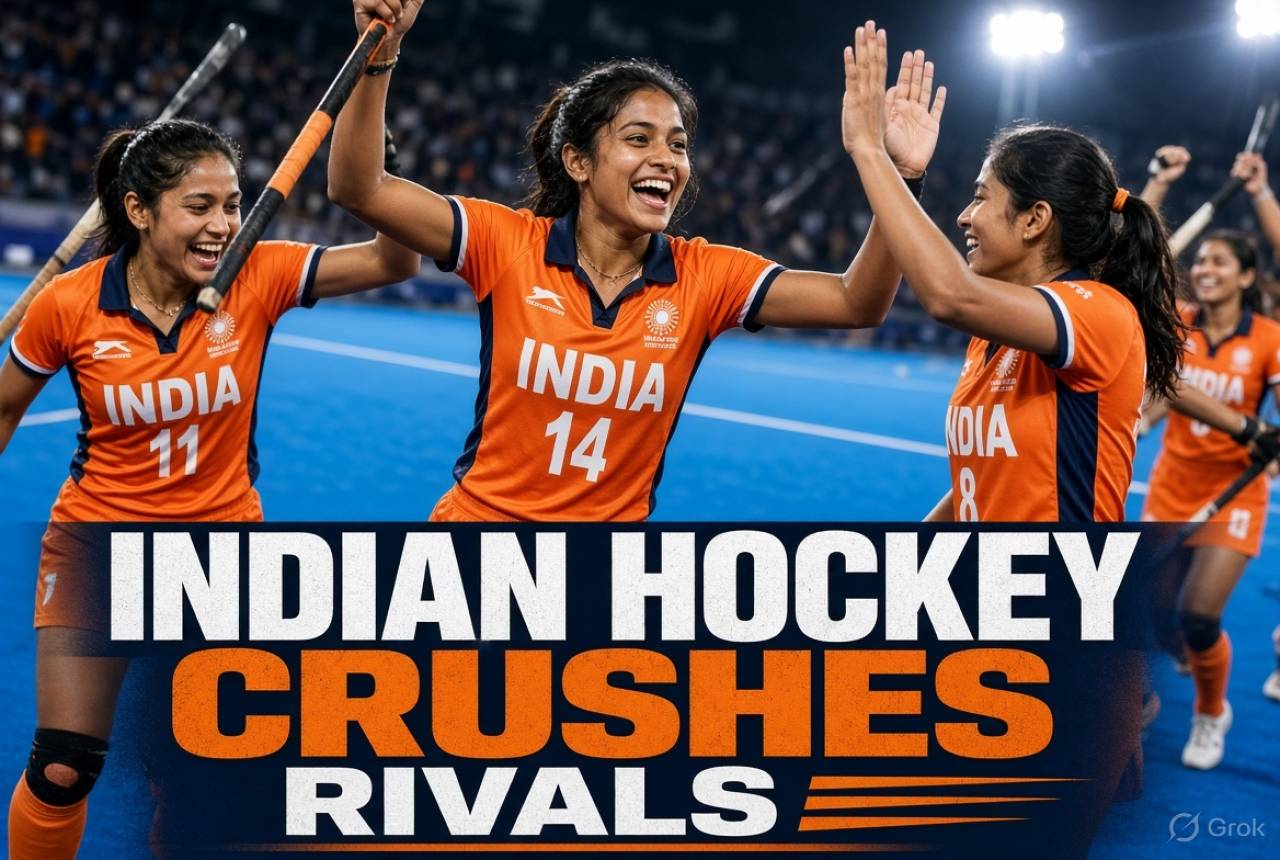
The Indian hockey teams will step out in familiar blue when the Asian Games begin in Japan later this month, closing a two-month saga that had little to do with sport and everything to do with optics.
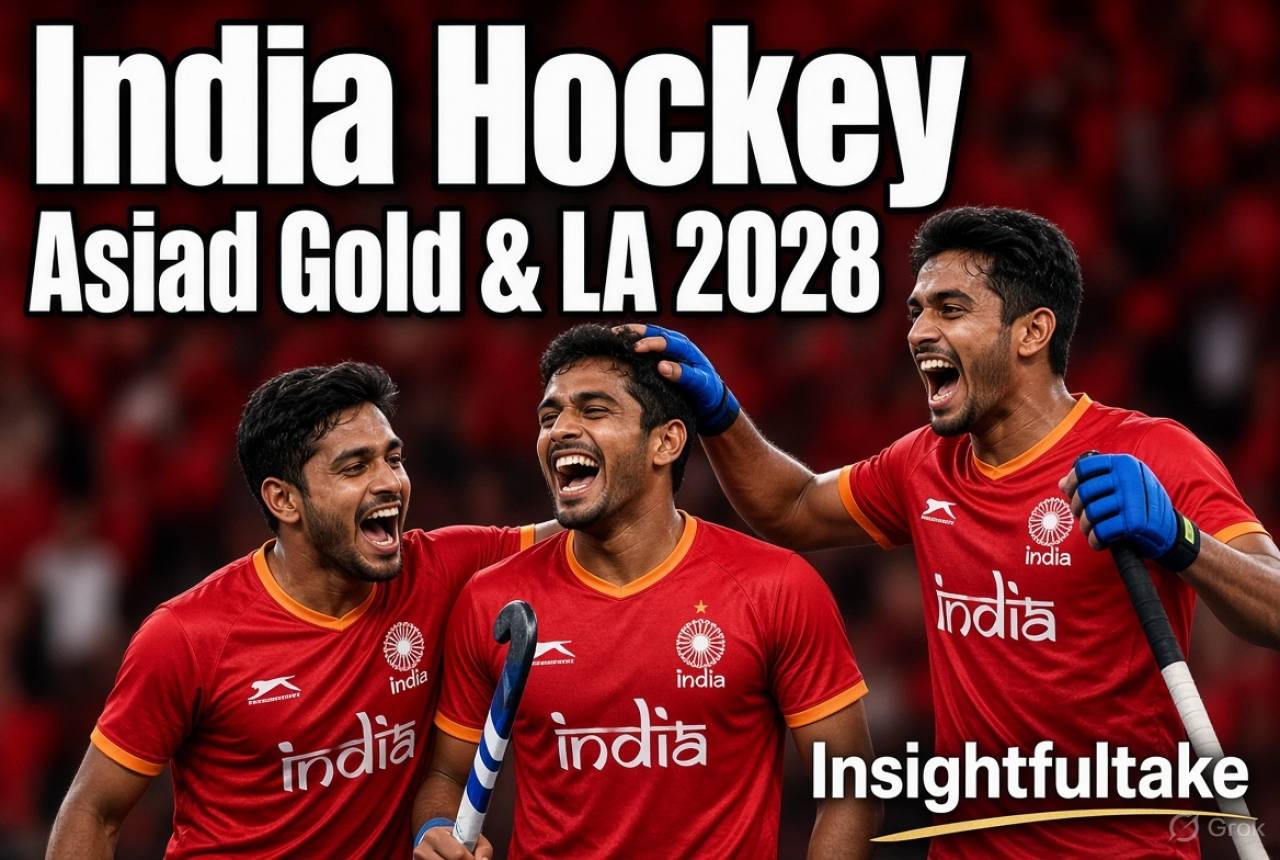
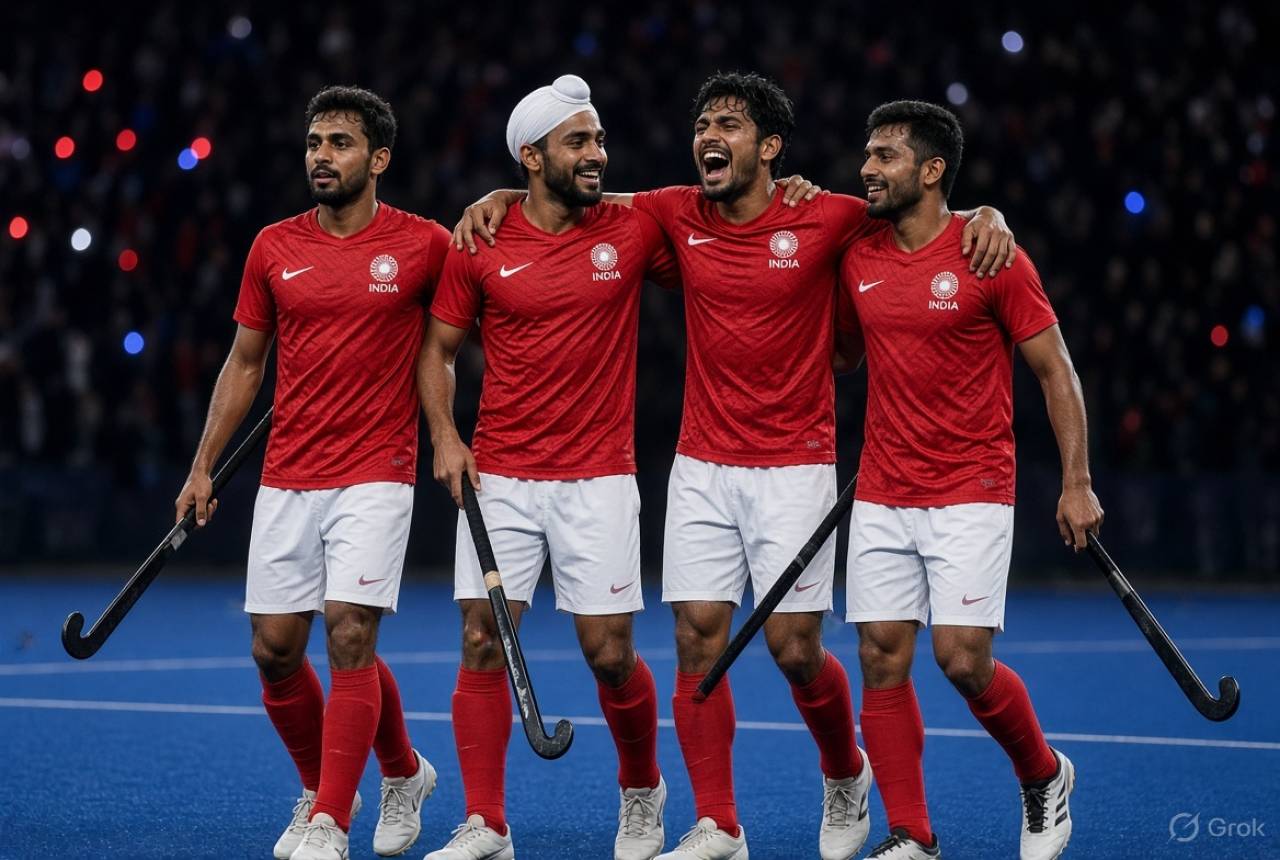
Barely six weeks after the men's and women's sides wore saffron for the first time at a major FIH event, Hockey India has reversed course. The episode says less about paint charts and turf contrast than it does about how a national sporting symbol can be pulled into political crosscurrents almost overnight.
How Saffron Arrived, Unannounced
The change was first flagged in an email exchange within Hockey India on August 6, in which a senior federation official proposed saffron as the primary colour for the World Cup, with white as the secondary option.
That decision reached the players before it reached the federation's own president.
Dilip Tirkey, a former India captain and one of the most respected voices in the sport, later wrote to Hockey India's Executive Board saying the switch had been implemented without being placed before the board and without his knowledge. His objection was carefully worded. He insisted his concern was not the colour itself but the process, given that any change to the national team's identity ought to have gone through the elected leadership first.
Hockey India's official explanation was technical: the traditional blue jersey clashed visually with the blue synthetic turf on which international hockey is now played, making it harder for spectators and broadcasters to distinguish players from the surface.
There is some history behind the explanation. Hockey's playing colours have shifted over the decades, moving between white, yellow and saffron as secondary shades, while blue has remained the primary colour associated with the Indian team.
But the timing undercut the technical argument.
The switch arrived amid a broader public conversation about saffron's political associations, and it did not take long for the story to move from sports pages to political ones. Former Odisha chief minister Naveen Patnaik, whose government had backed Indian hockey for years through state sponsorship, was among those who criticised the move as an unnecessary politicisation of a symbol that belonged to the whole country, not to any one political camp.
Inside Hockey India, the disagreement exposed a genuine rift.
Secretary General Bhola Nath Singh maintained that senior officials were aware of the change, directly contradicting Tirkey's account. Former captains and stalwarts of the game, including some who helped build India's hockey legacy over decades, also questioned the abrupt switch.
Their criticism carried weight because blue is not a recent branding choice for Indian hockey. The national team has worn blue, in one shade or another, since its first Olympic appearance in 1928.
Why the Reversal, and Why Now?
With the Asian Games in Japan approaching, Hockey India chose to step back from the controversy rather than let it follow the team into another major tournament.
Tirkey has since said publicly that the saffron jersey was never meant to be permanent, describing it as a one-off experiment for the World Cup rather than a complete rebrand.
Blue will now return as the primary colour at the Asian Games, worn with white, echoing the kit India used at the 2023 Asian Games in Hangzhou.
Saffron has not been discarded altogether. It remains available as a secondary option because FIH tournament rules require teams to have contrasting kits so that opposing colours do not clash on a given matchday. If an opponent is assigned a saffron-adjacent shade, India can fall back on white over sky blue instead.
The reversal therefore resolves the immediate question of what India will wear. It does not fully answer the larger question of how the original decision was made.
Does the Jersey Actually Change How the Team Plays?
This is the question that outlasts the politics, and the honest answer is that the science remains unsettled.
Sports psychology research does suggest that colour can have measurable effects in some settings. A widely cited study of the 2004 Olympics found that combat-sport athletes wearing red won more contests than evenly matched opponents in blue. Researchers linked the effect to red's association with dominance and heightened arousal.
Other studies have examined whether uniform colour can influence refereeing decisions, including findings that teams wearing black jerseys received more penalties in some contact sports.
But the wider research is far from conclusive. Meta-analyses of colour and sporting performance have also found studies showing no reliable relationship between jersey colour and results once other factors are controlled for.
And hockey is a team sport.
Tactics, fitness, coaching, execution and decision-making matter far more than whether the players are wearing blue, saffron or white.
What the colour debate can affect, more plausibly, is attention away from the field.
India's men finished a disappointing eighth at the World Cup, while the women's team, led by Salima Tete, finished fifth, their best result since the tournament's inaugural edition in 1974.
Neither result can reasonably be attributed to jersey colour.
But a squad preparing for a major tournament should not have to spend its time answering questions about kit politics, internal disagreements and symbolism when the focus should be on opponents, tactics and performance.
That, more than any tint of saffron or blue, is the real cost of how this decision was handled.
More Than a Jersey
For a sport still rebuilding its place in India's sporting imagination after decades in cricket's shadow, Indian hockey did not need a costume controversy.
The return to blue may settle the optics question. It may also restore a familiar visual identity to teams that have carried the colour through generations.
But the more important issue is not what colour India wears next.
It is whether decisions involving a national sporting symbol are made through consultation, transparency and institutional process.
A jersey can be changed overnight.
Trust within a sporting federation takes considerably longer to build.
The Indian hockey teams will step out in familiar blue when the Asian Games begin in Japan later this month, closing a two-month saga that had little to do with sport and everything to do with optics.
Barely six weeks after the men's and women's sides wore saffron for the first time at a major FIH event, Hockey India has reversed course. The episode says less about paint charts and turf contrast than it does about how a national sporting symbol can be pulled into political crosscurrents almost overnight.
How Saffron Arrived, Unannounced
The change was first flagged in an email exchange within Hockey India on August 6, in which a senior federation official proposed saffron as the primary colour for the World Cup, with white as the secondary option.
That decision reached the players before it reached the federation's own president.
Dilip Tirkey, a former India captain and one of the most respected voices in the sport, later wrote to Hockey India's Executive Board saying the switch had been implemented without being placed before the board and without his knowledge. His objection was carefully worded. He insisted his concern was not the colour itself but the process, given that any change to the national team's identity ought to have gone through the elected leadership first.
Hockey India's official explanation was technical: the traditional blue jersey clashed visually with the blue synthetic turf on which international hockey is now played, making it harder for spectators and broadcasters to distinguish players from the surface.
There is some history behind the explanation. Hockey's playing colours have shifted over the decades, moving between white, yellow and saffron as secondary shades, while blue has remained the primary colour associated with the Indian team.
But the timing undercut the technical argument.
The switch arrived amid a broader public conversation about saffron's political associations, and it did not take long for the story to move from sports pages to political ones. Former Odisha chief minister Naveen Patnaik, whose government had backed Indian hockey for years through state sponsorship, was among those who criticised the move as an unnecessary politicisation of a symbol that belonged to the whole country, not to any one political camp.
Inside Hockey India, the disagreement exposed a genuine rift.
Secretary General Bhola Nath Singh maintained that senior officials were aware of the change, directly contradicting Tirkey's account. Former captains and stalwarts of the game, including some who helped build India's hockey legacy over decades, also questioned the abrupt switch.
Their criticism carried weight because blue is not a recent branding choice for Indian hockey. The national team has worn blue, in one shade or another, since its first Olympic appearance in 1928.
Why the Reversal, and Why Now?
With the Asian Games in Japan approaching, Hockey India chose to step back from the controversy rather than let it follow the team into another major tournament.
Tirkey has since said publicly that the saffron jersey was never meant to be permanent, describing it as a one-off experiment for the World Cup rather than a complete rebrand.
Blue will now return as the primary colour at the Asian Games, worn with white, echoing the kit India used at the 2023 Asian Games in Hangzhou.
Saffron has not been discarded altogether. It remains available as a secondary option because FIH tournament rules require teams to have contrasting kits so that opposing colours do not clash on a given matchday. If an opponent is assigned a saffron-adjacent shade, India can fall back on white over sky blue instead.
The reversal therefore resolves the immediate question of what India will wear. It does not fully answer the larger question of how the original decision was made.
Does the Jersey Actually Change How the Team Plays?
This is the question that outlasts the politics, and the honest answer is that the science remains unsettled.
Sports psychology research does suggest that colour can have measurable effects in some settings. A widely cited study of the 2004 Olympics found that combat-sport athletes wearing red won more contests than evenly matched opponents in blue. Researchers linked the effect to red's association with dominance and heightened arousal.
Other studies have examined whether uniform colour can influence refereeing decisions, including findings that teams wearing black jerseys received more penalties in some contact sports.
But the wider research is far from conclusive. Meta-analyses of colour and sporting performance have also found studies showing no reliable relationship between jersey colour and results once other factors are controlled for.
And hockey is a team sport.
Tactics, fitness, coaching, execution and decision-making matter far more than whether the players are wearing blue, saffron or white.
What the colour debate can affect, more plausibly, is attention away from the field.
India's men finished a disappointing eighth at the World Cup, while the women's team, led by Salima Tete, finished fifth, their best result since the tournament's inaugural edition in 1974.
Neither result can reasonably be attributed to jersey colour.
But a squad preparing for a major tournament should not have to spend its time answering questions about kit politics, internal disagreements and symbolism when the focus should be on opponents, tactics and performance.
That, more than any tint of saffron or blue, is the real cost of how this decision was handled.
More Than a Jersey
For a sport still rebuilding its place in India's sporting imagination after decades in cricket's shadow, Indian hockey did not need a costume controversy.
The return to blue may settle the optics question. It may also restore a familiar visual identity to teams that have carried the colour through generations.
But the more important issue is not what colour India wears next.
It is whether decisions involving a national sporting symbol are made through consultation, transparency and institutional process.
A jersey can be changed overnight.
Trust within a sporting federation takes considerably longer to build.














Leave a Comment