

India’s women’s hockey team faces a defining double challenge as the World Cup comes first and the Asian Games follow, with Olympic qualification and breakthrough gold within reach.
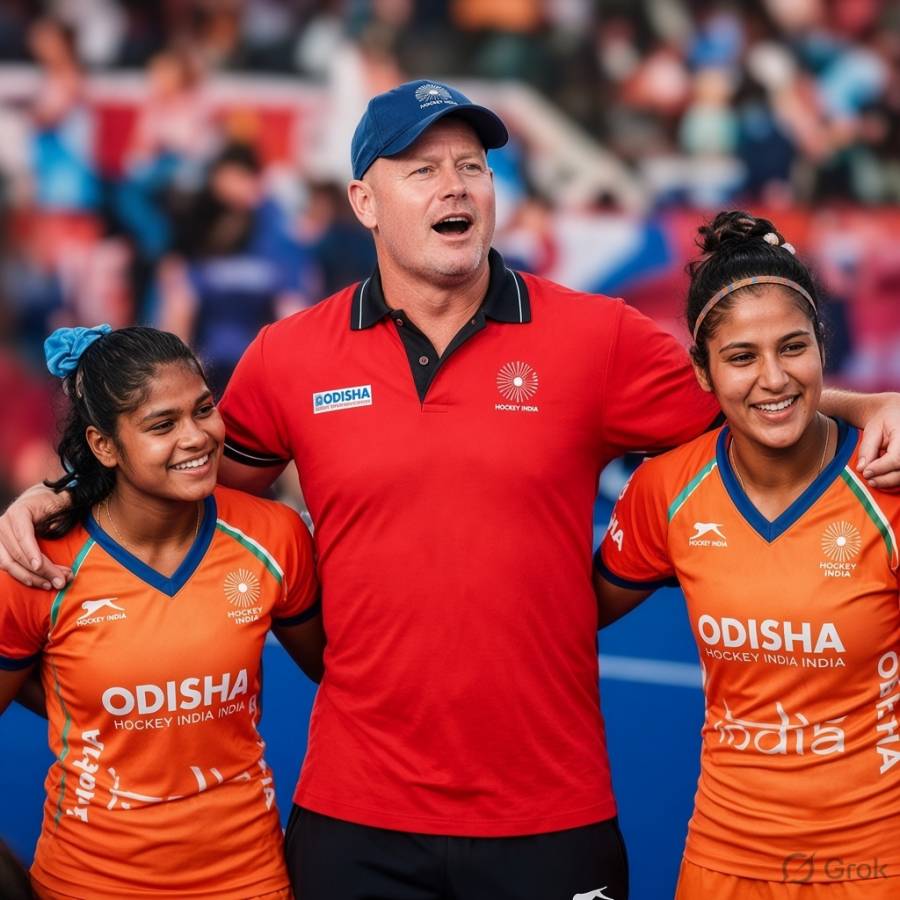
For a coach steering a national team through one of the most congested calendars in recent memory, Sjoerd Marijne is taking an unusually ambitious approach. He is refusing to treat any tournament as disposable.
The Dutch head coach of the Indian women’s hockey team faces a formidable double challenge. The World Cup in the Netherlands comes first, followed almost immediately by the Asian Games in China, where the stakes extend far beyond a continental medal. The Asian Games also carries direct qualification implications for the 2028 Los Angeles Olympics.
The temptation would be obvious. Prioritise the tournament that offers the clearest route to Olympic qualification and manage resources around it. Marijne, however, appears determined to do the opposite. His message is that both competitions deserve India’s full commitment.
That philosophy says as much about his coaching approach as it does about the crossroads at which Indian women’s hockey now finds itself.
Two tournaments, one demanding test
The Asian Games represents perhaps the more immediate strategic prize. A strong campaign in China could secure India a direct route to the 2028 Olympics, sparing the team another arduous qualification campaign.
But the World Cup, coming only weeks earlier, presents an entirely different challenge. It will place India against some of the strongest teams in international hockey and demand tactical discipline, physical endurance and mental resilience.
Expecting the same squad to peak twice in such a short period is no small technical challenge.
Yet Marijne appears to see the compressed schedule differently. Rather than treating the World Cup as a distraction from the Asian Games, he seems to regard it as part of the preparation for it.
That could prove crucial.
A major tournament against the world's best can expose weaknesses that ordinary training sessions cannot. It can reveal how a defence responds when placed under sustained pressure, how midfielders react when possession becomes scarce and whether forwards can remain composed when opportunities are limited.
In that sense, the World Cup could become India's most demanding rehearsal for China.
Auckland offered an important lesson
India's recent experience in the Nations Cup in Auckland provides an important backdrop to this approach.
The team entered a difficult campaign against higher-ranked opposition, knowing that winning the competition was essential to securing its place in the sport's top tier. It was hardly a comfortable route.
India had to navigate difficult matches and find ways to compete when the balance of expectations was not necessarily in its favour. Such experiences can be uncomfortable, but they can also be invaluable.
For Marijne, the lesson appears to be that difficult tournaments should not simply be viewed as hurdles.
They are diagnostic exercises.
A team learns more about itself when it is forced to defend under pressure, recover from setbacks and find solutions against stronger opponents than it does when it dominates weaker opposition.
That perspective offers a fresh way of looking at India's current campaign.
Moving beyond the medal mentality
Indian women's hockey has often been judged through a relatively narrow lens: medals, rankings and qualification.
That is understandable. The team has created some extraordinary moments over the past decade, including its historic Olympic semifinal appearance and strong performances at Asian Games and other international competitions.
But the story has also contained recurring disappointments.
Silver has sometimes replaced gold. A semifinal has taken the place of a final. Qualification has occasionally slipped away at the last hurdle.
The danger is that such near-misses can create a culture where avoiding failure becomes as important as pursuing success.
Marijne's approach suggests something different.
Instead of protecting the team from difficult opposition, the emphasis appears to be on confronting it. Instead of viewing a challenging draw as an obstacle, it can be treated as an opportunity to discover what the team needs to improve.
That is particularly significant for a squad containing players who are still establishing themselves at the highest level.
The next generation has inherited a big expectation
Indian women's hockey is no longer simply chasing recognition. It is trying to turn recognition into sustained success.
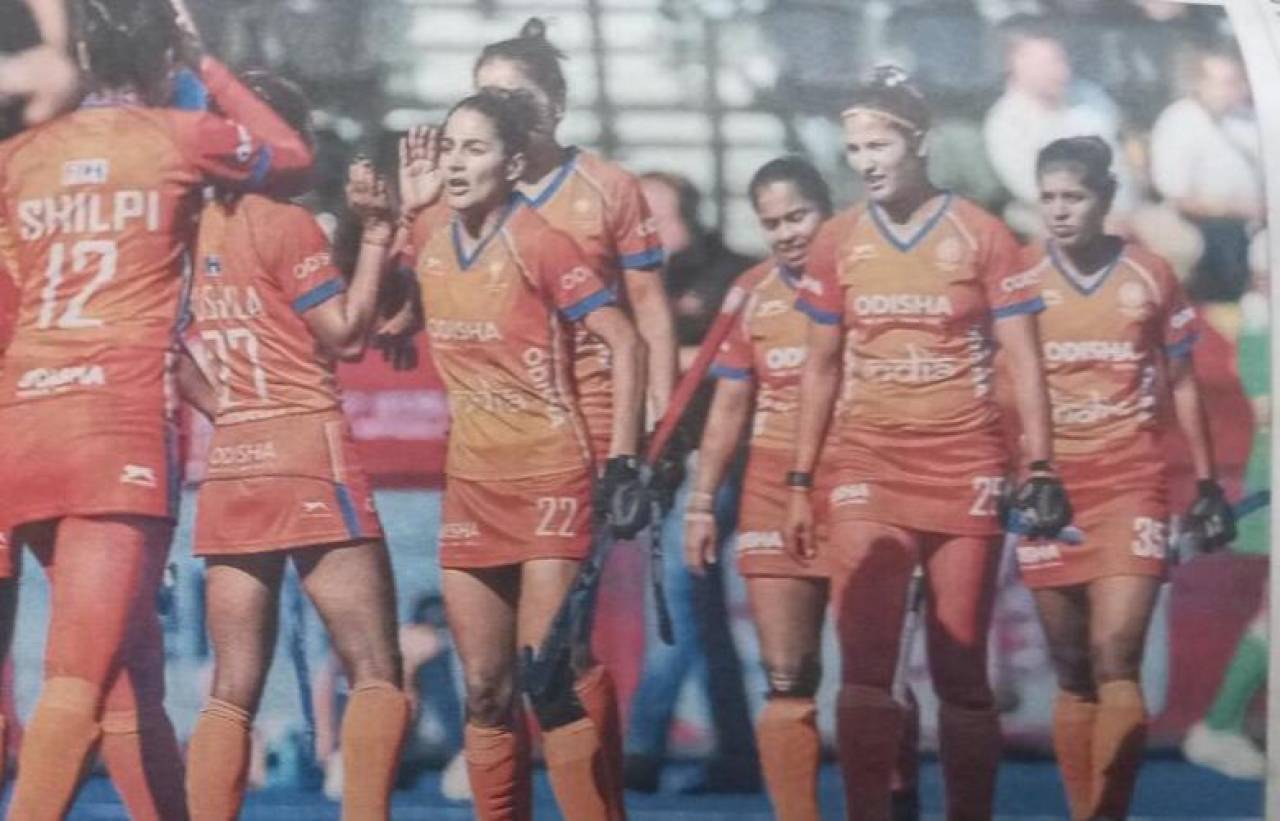
The generation that helped change perceptions of the team has also raised expectations for those who have followed. The players now entering or consolidating their senior careers are expected not merely to repeat past achievements but to push beyond them.
That requires more than technical ability.
It requires a different relationship with pressure.
Treating the World Cup as an important competition in its own right, rather than merely a stepping stone towards the Asian Games, could help create precisely that mentality. Players who regularly compete against elite opposition learn to become comfortable in uncomfortable situations.
And that may ultimately be more valuable than any carefully protected preparation schedule.
The risks are real
Still, ambition has its price.
Back-to-back major tournaments can place enormous physical and psychological demands on athletes. Fatigue can increase the risk of injury. Tactical adjustments made under pressure can take a toll. A single knockout match can undo months of preparation.
India's opponents at the Asian Games will also have their own ambitions, making the road to Olympic qualification anything but straightforward.
There is no guarantee that lessons from Auckland will translate into victories at the World Cup, or that World Cup experience will automatically produce success in China.
But the approach itself is worth watching.
India appears to be choosing exposure over protection, pressure over comfort and experience over easy fixtures.
Can two dreams become one journey?
The World Cup and Asian Games may look like separate objectives, but for Marijne they could ultimately form two chapters of the same campaign.
The World Cup can test India's ability to compete with the world's best. The Asian Games can test whether the team has learned from that experience when an Olympic opportunity is on the line.
If India can carry the lessons of Auckland into the Netherlands and then into China, the reward could extend well beyond a single medal or qualification ticket.
It could mark a more significant transformation: a team learning to convert difficult experiences into consistent performances.
For years, Indian women's hockey has shown that it can surprise the world. The next challenge is proving that such moments can become a pattern rather than an exception.
Marijne's balancing act is therefore about more than managing two tournaments.
It is about testing whether India's women can finally turn promise into permanence, and near-misses into breakthroughs.
The World Cup will provide the test.
The Asian Games could provide the reward.
And somewhere between the two, Indian women's hockey may discover whether it is finally ready to chase both dreams at once.
For a coach steering a national team through one of the most congested calendars in recent memory, Sjoerd Marijne is taking an unusually ambitious approach. He is refusing to treat any tournament as disposable.
The Dutch head coach of the Indian women’s hockey team faces a formidable double challenge. The World Cup in the Netherlands comes first, followed almost immediately by the Asian Games in China, where the stakes extend far beyond a continental medal. The Asian Games also carries direct qualification implications for the 2028 Los Angeles Olympics.
The temptation would be obvious. Prioritise the tournament that offers the clearest route to Olympic qualification and manage resources around it. Marijne, however, appears determined to do the opposite. His message is that both competitions deserve India’s full commitment.
That philosophy says as much about his coaching approach as it does about the crossroads at which Indian women’s hockey now finds itself.
Two tournaments, one demanding test
The Asian Games represents perhaps the more immediate strategic prize. A strong campaign in China could secure India a direct route to the 2028 Olympics, sparing the team another arduous qualification campaign.
But the World Cup, coming only weeks earlier, presents an entirely different challenge. It will place India against some of the strongest teams in international hockey and demand tactical discipline, physical endurance and mental resilience.
Expecting the same squad to peak twice in such a short period is no small technical challenge.
Yet Marijne appears to see the compressed schedule differently. Rather than treating the World Cup as a distraction from the Asian Games, he seems to regard it as part of the preparation for it.
That could prove crucial.
A major tournament against the world's best can expose weaknesses that ordinary training sessions cannot. It can reveal how a defence responds when placed under sustained pressure, how midfielders react when possession becomes scarce and whether forwards can remain composed when opportunities are limited.
In that sense, the World Cup could become India's most demanding rehearsal for China.
Auckland offered an important lesson
India's recent experience in the Nations Cup in Auckland provides an important backdrop to this approach.
The team entered a difficult campaign against higher-ranked opposition, knowing that winning the competition was essential to securing its place in the sport's top tier. It was hardly a comfortable route.
India had to navigate difficult matches and find ways to compete when the balance of expectations was not necessarily in its favour. Such experiences can be uncomfortable, but they can also be invaluable.
For Marijne, the lesson appears to be that difficult tournaments should not simply be viewed as hurdles.
They are diagnostic exercises.
A team learns more about itself when it is forced to defend under pressure, recover from setbacks and find solutions against stronger opponents than it does when it dominates weaker opposition.
That perspective offers a fresh way of looking at India's current campaign.
Moving beyond the medal mentality
Indian women's hockey has often been judged through a relatively narrow lens: medals, rankings and qualification.
That is understandable. The team has created some extraordinary moments over the past decade, including its historic Olympic semifinal appearance and strong performances at Asian Games and other international competitions.
But the story has also contained recurring disappointments.
Silver has sometimes replaced gold. A semifinal has taken the place of a final. Qualification has occasionally slipped away at the last hurdle.
The danger is that such near-misses can create a culture where avoiding failure becomes as important as pursuing success.
Marijne's approach suggests something different.
Instead of protecting the team from difficult opposition, the emphasis appears to be on confronting it. Instead of viewing a challenging draw as an obstacle, it can be treated as an opportunity to discover what the team needs to improve.
That is particularly significant for a squad containing players who are still establishing themselves at the highest level.
The next generation has inherited a big expectation
Indian women's hockey is no longer simply chasing recognition. It is trying to turn recognition into sustained success.
The generation that helped change perceptions of the team has also raised expectations for those who have followed. The players now entering or consolidating their senior careers are expected not merely to repeat past achievements but to push beyond them.
That requires more than technical ability.
It requires a different relationship with pressure.
Treating the World Cup as an important competition in its own right, rather than merely a stepping stone towards the Asian Games, could help create precisely that mentality. Players who regularly compete against elite opposition learn to become comfortable in uncomfortable situations.
And that may ultimately be more valuable than any carefully protected preparation schedule.
The risks are real
Still, ambition has its price.
Back-to-back major tournaments can place enormous physical and psychological demands on athletes. Fatigue can increase the risk of injury. Tactical adjustments made under pressure can take a toll. A single knockout match can undo months of preparation.
India's opponents at the Asian Games will also have their own ambitions, making the road to Olympic qualification anything but straightforward.
There is no guarantee that lessons from Auckland will translate into victories at the World Cup, or that World Cup experience will automatically produce success in China.
But the approach itself is worth watching.
India appears to be choosing exposure over protection, pressure over comfort and experience over easy fixtures.
Can two dreams become one journey?
The World Cup and Asian Games may look like separate objectives, but for Marijne they could ultimately form two chapters of the same campaign.
The World Cup can test India's ability to compete with the world's best. The Asian Games can test whether the team has learned from that experience when an Olympic opportunity is on the line.
If India can carry the lessons of Auckland into the Netherlands and then into China, the reward could extend well beyond a single medal or qualification ticket.
It could mark a more significant transformation: a team learning to convert difficult experiences into consistent performances.
For years, Indian women's hockey has shown that it can surprise the world. The next challenge is proving that such moments can become a pattern rather than an exception.
Marijne's balancing act is therefore about more than managing two tournaments.
It is about testing whether India's women can finally turn promise into permanence, and near-misses into breakthroughs.
The World Cup will provide the test.
The Asian Games could provide the reward.
And somewhere between the two, Indian women's hockey may discover whether it is finally ready to chase both dreams at once.




















Leave a Comment