
Something Has Changed—Solar Is Now Ready to Power Most of India
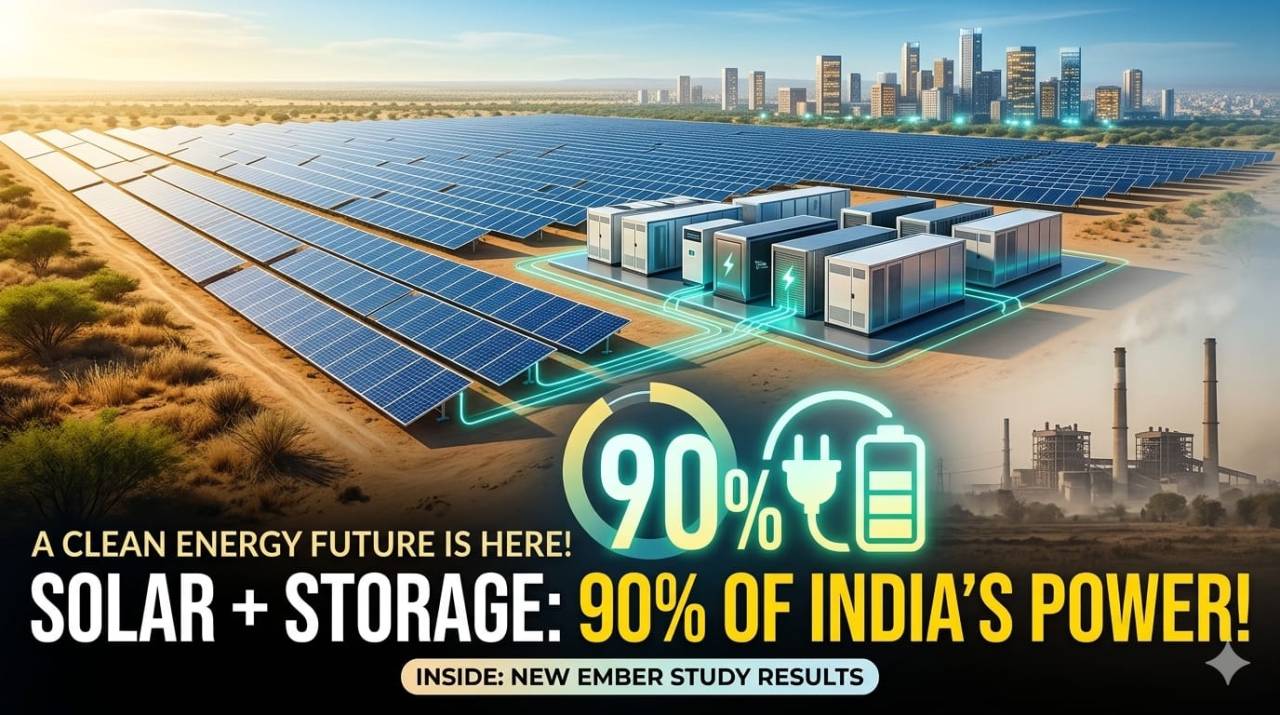
India is standing at a major turning point in its energy journey. For decades, the country has relied on coal to keep the lights on. However, new data suggests a massive shift is coming. A recent study by Ember shows that solar power combined with battery storage can now meet 90% of India’s electricity demand. This is not just a distant ambition—the technology and economics are already in place.
The Power of Affordable Storage
In the past, the biggest argument against solar energy was its reliability. Critics often pointed out that the sun does not shine at night, making it difficult for solar to replace coal as a “baseload” power source. That reality is changing fast due to a dramatic fall in battery costs.
Between 2024 and 2025, the price of battery storage in India dropped by over 30%. This sharp decline means solar energy can now be stored during the day and used whenever needed. According to the report, the cost of this combined solar-plus-storage power stands at about ₹5.06 per kWh—already cheaper than conventional electricity in many Indian states.
Impact on the National Grid
The scale of this transition is significant. To meet 90% of electricity demand, India would need to build around 930 gigawatts (GW) of solar capacity, along with 2,560 gigawatt-hours (GWh) of battery storage.
While these figures appear large, they are achievable. India has vast stretches of wasteland suitable for solar farms. In fact, using just 1% of the country’s land could generate enough power to meet these targets.
States like Tamil Nadu, Maharashtra, and Gujarat are already leading the transition. With high solar intensity and favorable policies, these regions are well-positioned to scale renewable energy. The study finds that India’s 10 largest states could meet at least 83% of their electricity needs using only solar and batteries.
Overcoming the Monsoon Challenge
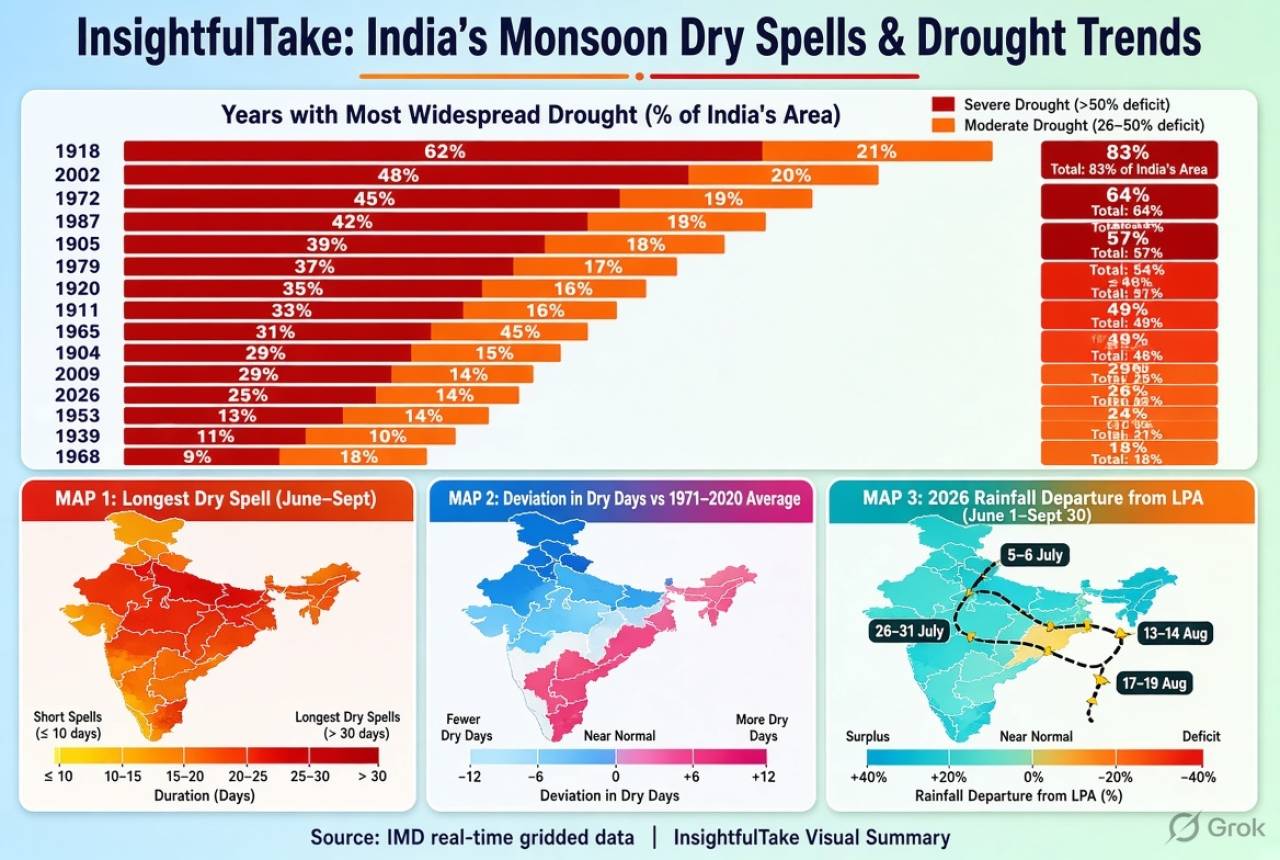
Despite its promise, solar power faces a key challenge in India: the monsoon. During this season, heavy cloud cover significantly reduces solar generation for extended periods.
The report highlights that the issue is not simply about battery capacity, but prolonged dips in solar output. To address this, India will need a diversified energy mix. A small share of electricity must come from complementary sources such as wind, hydro, or green hydrogen.
This hybrid approach ensures grid stability even during low-sunlight periods, making the system more resilient.
Why This Matters for the Future
A shift toward solar energy offers benefits beyond environmental gains. It strengthens energy security. Fossil fuel prices are vulnerable to global disruptions, including conflicts and supply shocks. In contrast, solar energy relies on a domestic and abundant resource—sunlight.
This transition also supports India’s target of achieving 500 GW of non-fossil fuel capacity by 2030. As battery prices continue to decline, solar-plus-storage solutions will become even more competitive.
India is no longer debating whether solar can power the nation. The real question now is how quickly the country can scale the infrastructure required to make this transition a reality.
Final Take
India’s power landscape is undergoing a fundamental shift. With the right investments in solar and battery storage, the country has a clear pathway to reduce dependence on fossil fuels while ensuring reliable and affordable electricity.
It’s becoming clear that renewable energy will shape India’s future, sooner rather than later.




























Leave a Comment