
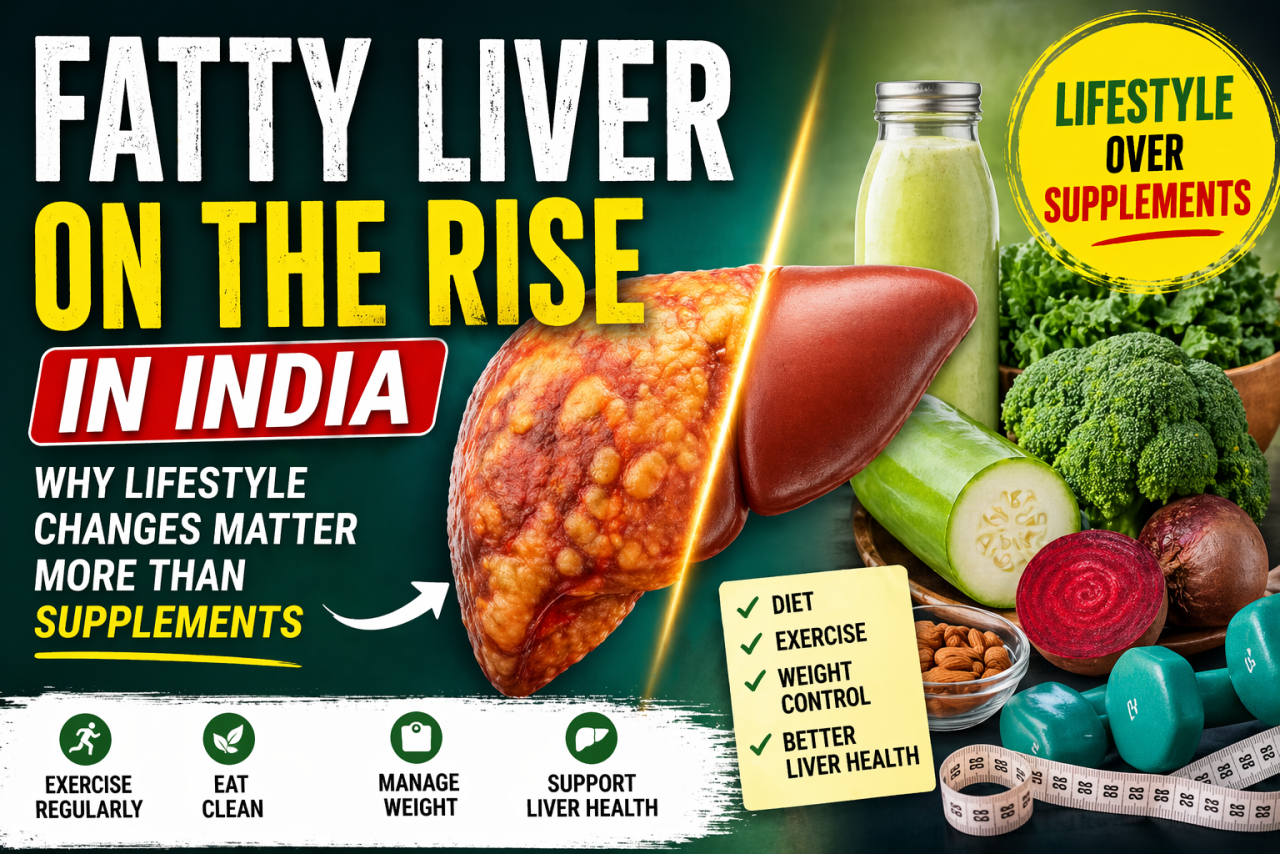
Fatty liver is no longer silent—simple lifestyle changes can reverse the damage before it turns serious.
Fatty liver disease is becoming one of the most common health problems in India. It is no longer limited to people who consume alcohol. Many cases are now linked to poor lifestyle habits. Doctors say that unhealthy diets, lack of exercise, and rising obesity are the main reasons behind this trend. This condition is known as non-alcoholic fatty liver disease. It is quietly affecting a large number of people across the country.
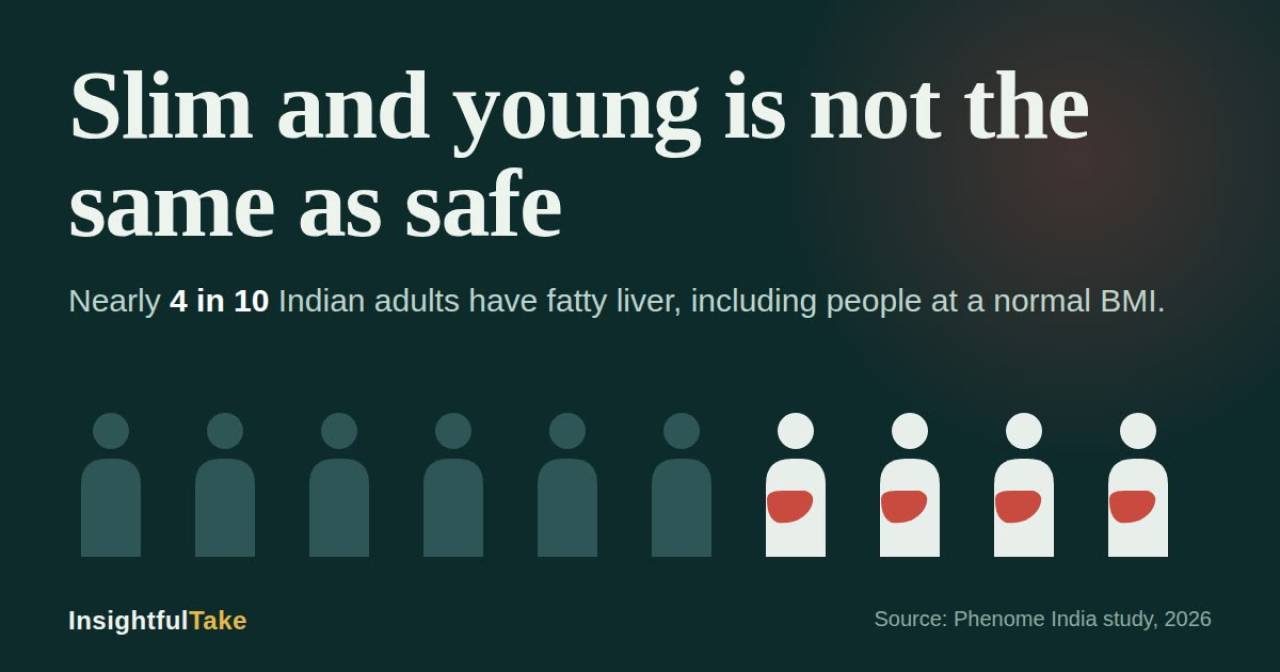
Recent studies show that around 5% to 32% of people may have some form of fatty liver disease. This means that nearly one in three Indians could be at risk. Many people do not even know they have it because symptoms are not always visible in the early stages. Over time, it can lead to serious health problems like diabetes, liver damage, and even the need for a liver transplant in severe cases.
Doctors stress that fatty liver is mostly a lifestyle-driven condition. This means it develops because of daily habits. Eating too much processed food, consuming high sugar drinks, and sitting for long hours without physical activity increase the risk. Weight gain also plays a major role. Even a small increase in body fat can affect liver health.
There is growing awareness about the disease. Many people are now turning to over-the-counter supplements for help. These include nutrients like choline, omega-3 fatty acids, and herbal extracts such as milk thistle. While these supplements can support liver function, doctors clearly say they are not a cure. They should not replace healthy habits.
Experts suggest that the most effective way to manage fatty liver is to focus on weight loss. Losing even 5% to 10% of body weight can make a big difference. This can reduce fat in the liver and improve overall health. Regular exercise is also important. At least 150 minutes of physical activity every week is recommended. Simple activities like walking, cycling, or light workouts can help.
Diet also plays a key role in controlling fatty liver. Doctors often suggest a balanced and simple diet. Foods that are low in calories and rich in nutrients are helpful. Bottle gourd is one such food. It is light and contains antioxidants that support the body. Cruciferous vegetables like broccoli, cabbage, and kale are also good choices. They help reduce inflammation and support liver function.
Beetroot is another useful food. It is rich in antioxidants and may help improve insulin sensitivity. Better insulin control means less fat buildup in the liver. Including such foods in daily meals can support recovery over time.
Doctors also highlight the importance of reducing sugar and refined carbohydrates. Sugary drinks, sweets, and processed snacks should be limited. Instead, whole foods like fruits, vegetables, whole grains, and lean proteins should be preferred. Drinking enough water and avoiding excessive junk food can also help maintain liver health.
Supplements can be used, but only after consulting a doctor. They may help reduce inflammation and support recovery, but they cannot reverse fatty liver on their own. Relying only on pills without changing lifestyle habits will not work.
Fatty liver disease is a warning sign. It shows that the body is under stress due to unhealthy habits. The good news is that it can be managed and even reversed in many cases. Simple changes in diet, regular exercise, and weight control can make a big difference. The focus should always be on long-term healthy living rather than quick fixes.
In the end, the message is clear. Fatty liver is not just a medical condition. It is a lifestyle issue. The solution also lies in changing that lifestyle.
Fatty liver disease is becoming one of the most common health problems in India. It is no longer limited to people who consume alcohol. Many cases are now linked to poor lifestyle habits. Doctors say that unhealthy diets, lack of exercise, and rising obesity are the main reasons behind this trend. This condition is known as non-alcoholic fatty liver disease. It is quietly affecting a large number of people across the country.
Recent studies show that around 5% to 32% of people may have some form of fatty liver disease. This means that nearly one in three Indians could be at risk. Many people do not even know they have it because symptoms are not always visible in the early stages. Over time, it can lead to serious health problems like diabetes, liver damage, and even the need for a liver transplant in severe cases.
Doctors stress that fatty liver is mostly a lifestyle-driven condition. This means it develops because of daily habits. Eating too much processed food, consuming high sugar drinks, and sitting for long hours without physical activity increase the risk. Weight gain also plays a major role. Even a small increase in body fat can affect liver health.
There is growing awareness about the disease. Many people are now turning to over-the-counter supplements for help. These include nutrients like choline, omega-3 fatty acids, and herbal extracts such as milk thistle. While these supplements can support liver function, doctors clearly say they are not a cure. They should not replace healthy habits.
Experts suggest that the most effective way to manage fatty liver is to focus on weight loss. Losing even 5% to 10% of body weight can make a big difference. This can reduce fat in the liver and improve overall health. Regular exercise is also important. At least 150 minutes of physical activity every week is recommended. Simple activities like walking, cycling, or light workouts can help.
Diet also plays a key role in controlling fatty liver. Doctors often suggest a balanced and simple diet. Foods that are low in calories and rich in nutrients are helpful. Bottle gourd is one such food. It is light and contains antioxidants that support the body. Cruciferous vegetables like broccoli, cabbage, and kale are also good choices. They help reduce inflammation and support liver function.
Beetroot is another useful food. It is rich in antioxidants and may help improve insulin sensitivity. Better insulin control means less fat buildup in the liver. Including such foods in daily meals can support recovery over time.
Doctors also highlight the importance of reducing sugar and refined carbohydrates. Sugary drinks, sweets, and processed snacks should be limited. Instead, whole foods like fruits, vegetables, whole grains, and lean proteins should be preferred. Drinking enough water and avoiding excessive junk food can also help maintain liver health.
Supplements can be used, but only after consulting a doctor. They may help reduce inflammation and support recovery, but they cannot reverse fatty liver on their own. Relying only on pills without changing lifestyle habits will not work.
Fatty liver disease is a warning sign. It shows that the body is under stress due to unhealthy habits. The good news is that it can be managed and even reversed in many cases. Simple changes in diet, regular exercise, and weight control can make a big difference. The focus should always be on long-term healthy living rather than quick fixes.
In the end, the message is clear. Fatty liver is not just a medical condition. It is a lifestyle issue. The solution also lies in changing that lifestyle.

























Leave a Comment