
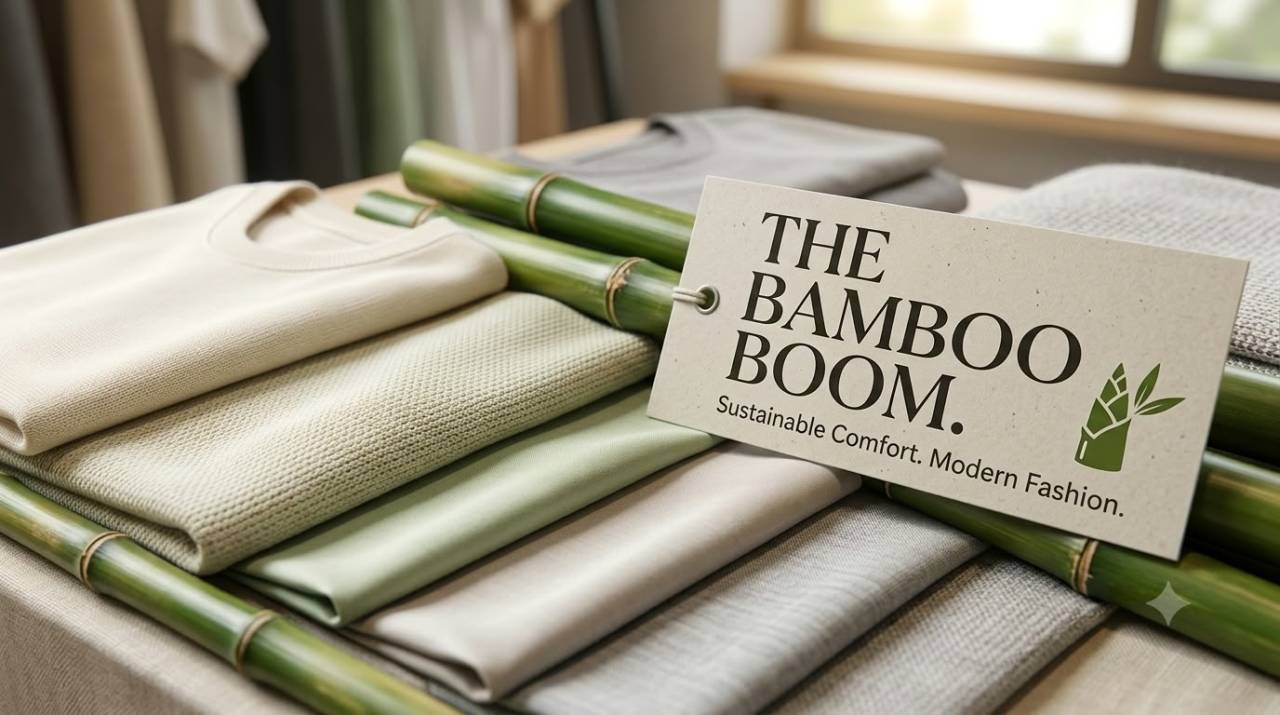
Bamboo fabric is moving beyond eco-fashion circles and into everyday wardrobes, but its sustainability story is more complex than the label suggests.
Bamboo fabric is moving beyond the small world of eco-conscious fashion and finding a place in everyday wardrobes. Its soft texture, breathability and growing association with sustainable production have attracted both consumers and fashion brands. On World Bamboo Day, the growing interest in bamboo textiles offers a closer look at how a plant once known mainly for construction, food and crafts is becoming part of modern clothing.
A Market Finding New Space
The growing interest in bamboo textiles is also reflected in the market. The global bamboo fabric market is estimated to be worth billions of dollars, with industry projections pointing to continued growth in the coming years. India is also emerging as an important market because of its large bamboo resources and expanding interest in sustainable materials.
Bamboo is often described as a fast-growing plant that can be cultivated with comparatively low water requirements. Some varieties can grow rapidly without the intensive agricultural inputs associated with several conventional crops. These characteristics have helped bamboo gain attention as fashion companies look for materials that can support their sustainability goals.
However, the environmental story is more complicated than simply calling bamboo fabric a green alternative.
Most bamboo textiles sold commercially are not made by simply turning bamboo fibres directly into cloth. A large share is produced by converting bamboo cellulose into regenerated fibres such as viscose or rayon. The environmental impact therefore depends not only on how the bamboo is grown but also on the chemicals, energy and manufacturing processes used to turn it into fabric.
That distinction is becoming increasingly important as consumers become more interested in understanding the claims behind sustainable fashion.
From Innerwear to Designer Wear
Bamboo fabric has also expanded beyond specialist sustainable clothing. Its softness and ability to absorb moisture have made it attractive for products such as innerwear, socks, sleepwear, children's clothing and loungewear.
The material is also appearing in more fashion-oriented products. Designers and brands have experimented with bamboo-based textiles in dresses, casual wear and other everyday garments, showing that sustainability does not necessarily have to mean sacrificing appearance or comfort.
Celebrity and influencer visibility has added another layer to this trend. Public figures including Kusha Kapila and Kajol have been associated with bamboo-based or bamboo-inspired fashion, helping introduce the material to audiences that may not traditionally follow sustainable fashion.
The bigger change, however, is happening at the consumer level.
Comfort Is Driving the Conversation
For many shoppers, environmental responsibility alone is not enough to change buying habits. Clothing has to feel comfortable, perform well and fit easily into everyday life.
This is where bamboo fabric has found an advantage.
Bamboo-based textiles are often valued for their soft feel, breathability and moisture management. These characteristics make them particularly suitable for clothing worn close to the skin. For consumers looking beyond conventional synthetic fabrics, bamboo can appear to offer a different combination of comfort and natural fibre credentials.
Its growing popularity also reflects a broader change in fashion consumption. Consumers are increasingly asking where their clothes come from, how they are produced and what happens after they are discarded.
That does not mean every bamboo garment automatically qualifies as sustainable. The production method, chemical use, energy consumption, durability and eventual disposal all matter when assessing the environmental footprint of a textile.
What Comes Next for Bamboo Fashion
India has a particular reason to watch this space. Bamboo is already deeply connected with several parts of the country's rural economy, handicrafts and traditional industries. Greater demand for bamboo-based textiles could create opportunities across cultivation, processing, design and manufacturing if the supply chain develops responsibly.
For fashion brands, bamboo offers another material to consider as the industry searches for alternatives to resource-intensive and petroleum-based textiles. For consumers, it provides another choice in a market where comfort, affordability and environmental concerns increasingly overlap.
Bamboo fabric may not replace cotton, polyester or other established materials anytime soon. But it is no longer confined to a small sustainable-fashion niche either.
Its journey into everyday clothing shows how changing consumer expectations can push once-specialised materials into the mainstream. The real test now is whether the industry can make bamboo textiles more transparent, responsibly produced and accessible while ensuring that sustainability claims match the reality behind the fabric.
Bamboo fabric is moving beyond the small world of eco-conscious fashion and finding a place in everyday wardrobes. Its soft texture, breathability and growing association with sustainable production have attracted both consumers and fashion brands. On World Bamboo Day, the growing interest in bamboo textiles offers a closer look at how a plant once known mainly for construction, food and crafts is becoming part of modern clothing.
A Market Finding New Space
The growing interest in bamboo textiles is also reflected in the market. The global bamboo fabric market is estimated to be worth billions of dollars, with industry projections pointing to continued growth in the coming years. India is also emerging as an important market because of its large bamboo resources and expanding interest in sustainable materials.
Bamboo is often described as a fast-growing plant that can be cultivated with comparatively low water requirements. Some varieties can grow rapidly without the intensive agricultural inputs associated with several conventional crops. These characteristics have helped bamboo gain attention as fashion companies look for materials that can support their sustainability goals.
However, the environmental story is more complicated than simply calling bamboo fabric a green alternative.
Most bamboo textiles sold commercially are not made by simply turning bamboo fibres directly into cloth. A large share is produced by converting bamboo cellulose into regenerated fibres such as viscose or rayon. The environmental impact therefore depends not only on how the bamboo is grown but also on the chemicals, energy and manufacturing processes used to turn it into fabric.
That distinction is becoming increasingly important as consumers become more interested in understanding the claims behind sustainable fashion.
From Innerwear to Designer Wear
Bamboo fabric has also expanded beyond specialist sustainable clothing. Its softness and ability to absorb moisture have made it attractive for products such as innerwear, socks, sleepwear, children's clothing and loungewear.
The material is also appearing in more fashion-oriented products. Designers and brands have experimented with bamboo-based textiles in dresses, casual wear and other everyday garments, showing that sustainability does not necessarily have to mean sacrificing appearance or comfort.
Celebrity and influencer visibility has added another layer to this trend. Public figures including Kusha Kapila and Kajol have been associated with bamboo-based or bamboo-inspired fashion, helping introduce the material to audiences that may not traditionally follow sustainable fashion.
The bigger change, however, is happening at the consumer level.
Comfort Is Driving the Conversation
For many shoppers, environmental responsibility alone is not enough to change buying habits. Clothing has to feel comfortable, perform well and fit easily into everyday life.
This is where bamboo fabric has found an advantage.
Bamboo-based textiles are often valued for their soft feel, breathability and moisture management. These characteristics make them particularly suitable for clothing worn close to the skin. For consumers looking beyond conventional synthetic fabrics, bamboo can appear to offer a different combination of comfort and natural fibre credentials.
Its growing popularity also reflects a broader change in fashion consumption. Consumers are increasingly asking where their clothes come from, how they are produced and what happens after they are discarded.
That does not mean every bamboo garment automatically qualifies as sustainable. The production method, chemical use, energy consumption, durability and eventual disposal all matter when assessing the environmental footprint of a textile.
What Comes Next for Bamboo Fashion
India has a particular reason to watch this space. Bamboo is already deeply connected with several parts of the country's rural economy, handicrafts and traditional industries. Greater demand for bamboo-based textiles could create opportunities across cultivation, processing, design and manufacturing if the supply chain develops responsibly.
For fashion brands, bamboo offers another material to consider as the industry searches for alternatives to resource-intensive and petroleum-based textiles. For consumers, it provides another choice in a market where comfort, affordability and environmental concerns increasingly overlap.
Bamboo fabric may not replace cotton, polyester or other established materials anytime soon. But it is no longer confined to a small sustainable-fashion niche either.
Its journey into everyday clothing shows how changing consumer expectations can push once-specialised materials into the mainstream. The real test now is whether the industry can make bamboo textiles more transparent, responsibly produced and accessible while ensuring that sustainability claims match the reality behind the fabric.






















Leave a Comment