

Khadi is stepping beyond its traditional image as designers give India’s iconic hand-spun fabric a modern look for a new generation.
For generations, khadi was seen mainly as a traditional Indian fabric, closely associated with freedom fighters, political leaders and an older style of dressing. That image is changing. Designers, young entrepreneurs and fashion brands are giving khadi new colours, cuts and forms, making it increasingly relevant to younger consumers.
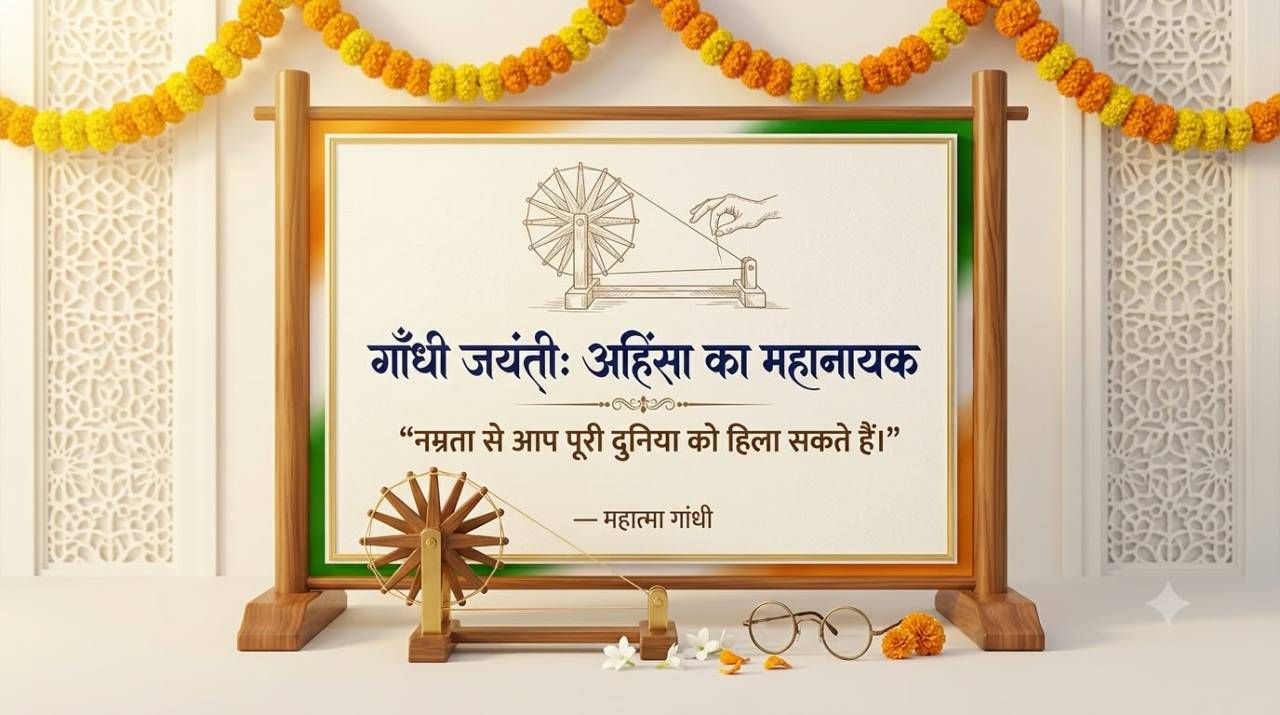
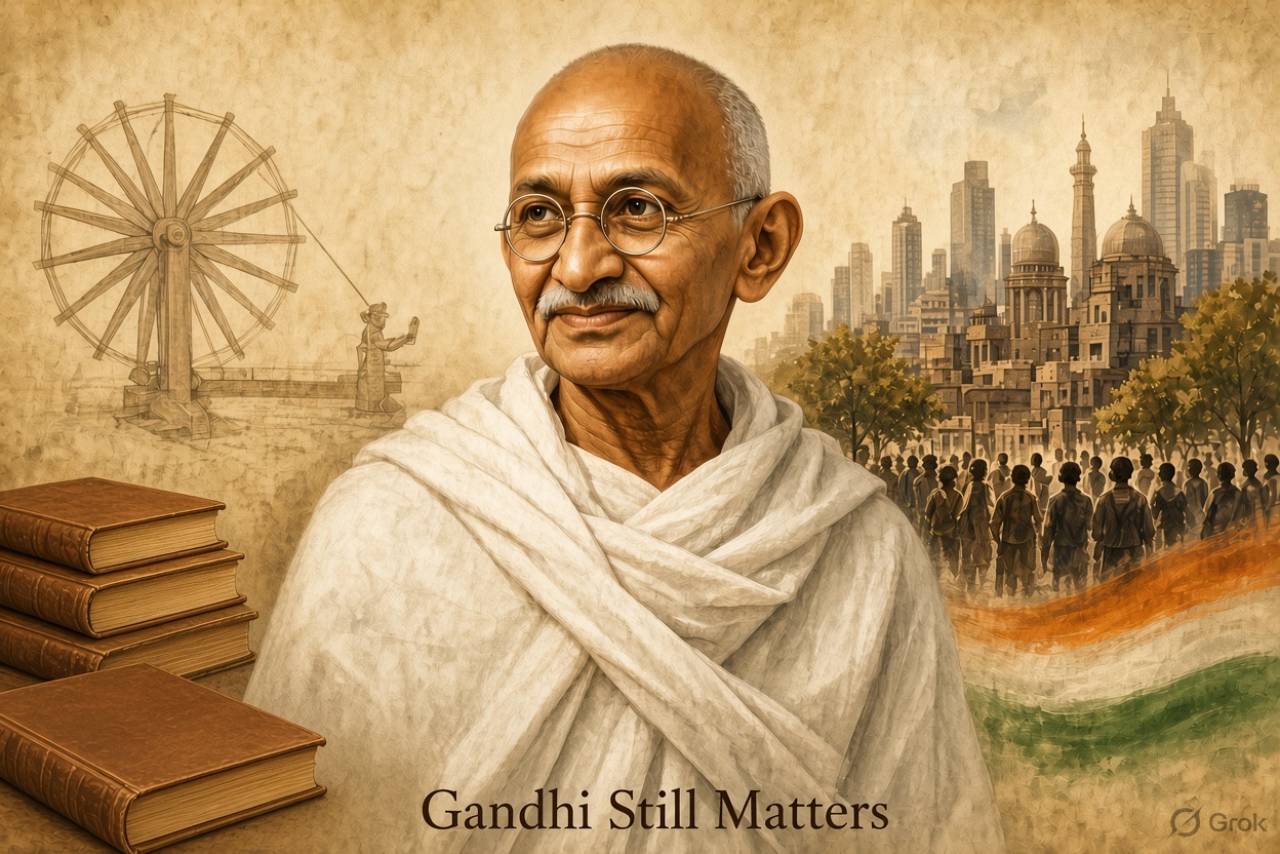
The change is particularly visible among Gen Z, whose interest in fashion is increasingly linked to individuality, sustainability and the story behind what they wear. On Gandhi Jayanti, industry voices reflected on how khadi can enter contemporary wardrobes without losing the values associated with Mahatma Gandhi’s vision of self-reliance, simplicity and conscious consumption.
From Traditional Fabric to Everyday Fashion
One of the biggest changes is the way khadi is being presented. Instead of limiting it to conventional kurtas, sarees or formal wear, designers are experimenting with brighter colours, relaxed silhouettes, streetwear-inspired designs and contemporary tailoring.
Designer Shruti Sancheti believes khadi needs to become part of everyday life rather than remain confined to traditional occasions. Consumers do not necessarily have to wear an entire khadi outfit. A well-designed shirt, jacket, waistcoat or pair of trousers can bring the fabric into a modern wardrobe without making the wearer feel that they are dressing in a deliberately traditional style.
Stuti Dhanuka, founder of Gujarat-based brand Terra Luna, points to another important shift. Younger buyers are increasingly choosing khadi because they like the fabric itself, including its appearance and texture, rather than buying it simply because it represents an ethical or sustainable choice.
That distinction matters. For Gen Z, sustainability may influence a purchase, but design and personal style still play a major role.
The Numbers Tell a Bigger Story
The growing commercial value of khadi also suggests that the change is not merely about fashion trends.
According to the Khadi and Village Industries Commission (KVIC), khadi production increased from ₹811 crore in 2013–14 to ₹3,974 crore in 2025–26. During the same period, khadi sales rose from ₹1,081 crore to ₹7,869 crore.
These figures point to a substantial expansion in the market for khadi and khadi-based products.
Designer Samant Chauhan, who has showcased khadi creations at New Zealand Fashion Week, has also observed growing curiosity among younger consumers. For many of them, hand-spun textiles are not simply pieces of India's past. They represent craftsmanship, history and an alternative to increasingly standardised mass production.
When Imperfection Becomes a Design Feature
Khadi's appeal also lies in what makes it different from factory-produced fabric.
Because it is hand-spun and hand-woven, khadi carries small variations in its yarn and texture. The occasional slub or irregularity is not necessarily a defect. It is evidence of the human hand involved in making the fabric.
In a fashion industry where automated production can reproduce the same design thousands of times, these variations give khadi an individual character. No two pieces need to look exactly alike.
For Sancheti, this human element is becoming increasingly valuable. Dhanuka similarly sees the texture of khadi as a visible reminder of the artisan's work.
Sustainability Meets Comfort
Khadi's relevance also extends beyond aesthetics. Its production supports traditional artisans and rural livelihoods while keeping alive skills that might otherwise disappear.
The fabric is naturally breathable and durable, and it tends to become softer with use. These qualities make it suitable for clothing that can be worn repeatedly rather than treated as disposable fashion.
Brands such as 11.11/eleven eleven have demonstrated how hand-crafted textiles can be transformed into contemporary menswear and womenswear, combining traditional techniques with modern design.
Khadi's journey into Gen Z fashion is therefore not about turning an old fabric into a passing trend. It is about allowing traditional craftsmanship to evolve with changing tastes.
The larger question is whether fashion can move forward without leaving its heritage behind. Tradition does not always have to remain in the past. Sometimes, it only needs a new way to be worn.
For generations, khadi was seen mainly as a traditional Indian fabric, closely associated with freedom fighters, political leaders and an older style of dressing. That image is changing. Designers, young entrepreneurs and fashion brands are giving khadi new colours, cuts and forms, making it increasingly relevant to younger consumers.
The change is particularly visible among Gen Z, whose interest in fashion is increasingly linked to individuality, sustainability and the story behind what they wear. On Gandhi Jayanti, industry voices reflected on how khadi can enter contemporary wardrobes without losing the values associated with Mahatma Gandhi’s vision of self-reliance, simplicity and conscious consumption.
From Traditional Fabric to Everyday Fashion
One of the biggest changes is the way khadi is being presented. Instead of limiting it to conventional kurtas, sarees or formal wear, designers are experimenting with brighter colours, relaxed silhouettes, streetwear-inspired designs and contemporary tailoring.
Designer Shruti Sancheti believes khadi needs to become part of everyday life rather than remain confined to traditional occasions. Consumers do not necessarily have to wear an entire khadi outfit. A well-designed shirt, jacket, waistcoat or pair of trousers can bring the fabric into a modern wardrobe without making the wearer feel that they are dressing in a deliberately traditional style.
Stuti Dhanuka, founder of Gujarat-based brand Terra Luna, points to another important shift. Younger buyers are increasingly choosing khadi because they like the fabric itself, including its appearance and texture, rather than buying it simply because it represents an ethical or sustainable choice.
That distinction matters. For Gen Z, sustainability may influence a purchase, but design and personal style still play a major role.
The Numbers Tell a Bigger Story
The growing commercial value of khadi also suggests that the change is not merely about fashion trends.
According to the Khadi and Village Industries Commission (KVIC), khadi production increased from ₹811 crore in 2013–14 to ₹3,974 crore in 2025–26. During the same period, khadi sales rose from ₹1,081 crore to ₹7,869 crore.
These figures point to a substantial expansion in the market for khadi and khadi-based products.
Designer Samant Chauhan, who has showcased khadi creations at New Zealand Fashion Week, has also observed growing curiosity among younger consumers. For many of them, hand-spun textiles are not simply pieces of India's past. They represent craftsmanship, history and an alternative to increasingly standardised mass production.
When Imperfection Becomes a Design Feature
Khadi's appeal also lies in what makes it different from factory-produced fabric.
Because it is hand-spun and hand-woven, khadi carries small variations in its yarn and texture. The occasional slub or irregularity is not necessarily a defect. It is evidence of the human hand involved in making the fabric.
In a fashion industry where automated production can reproduce the same design thousands of times, these variations give khadi an individual character. No two pieces need to look exactly alike.
For Sancheti, this human element is becoming increasingly valuable. Dhanuka similarly sees the texture of khadi as a visible reminder of the artisan's work.
Sustainability Meets Comfort
Khadi's relevance also extends beyond aesthetics. Its production supports traditional artisans and rural livelihoods while keeping alive skills that might otherwise disappear.
The fabric is naturally breathable and durable, and it tends to become softer with use. These qualities make it suitable for clothing that can be worn repeatedly rather than treated as disposable fashion.
Brands such as 11.11/eleven eleven have demonstrated how hand-crafted textiles can be transformed into contemporary menswear and womenswear, combining traditional techniques with modern design.
Khadi's journey into Gen Z fashion is therefore not about turning an old fabric into a passing trend. It is about allowing traditional craftsmanship to evolve with changing tastes.
The larger question is whether fashion can move forward without leaving its heritage behind. Tradition does not always have to remain in the past. Sometimes, it only needs a new way to be worn.












Leave a Comment