
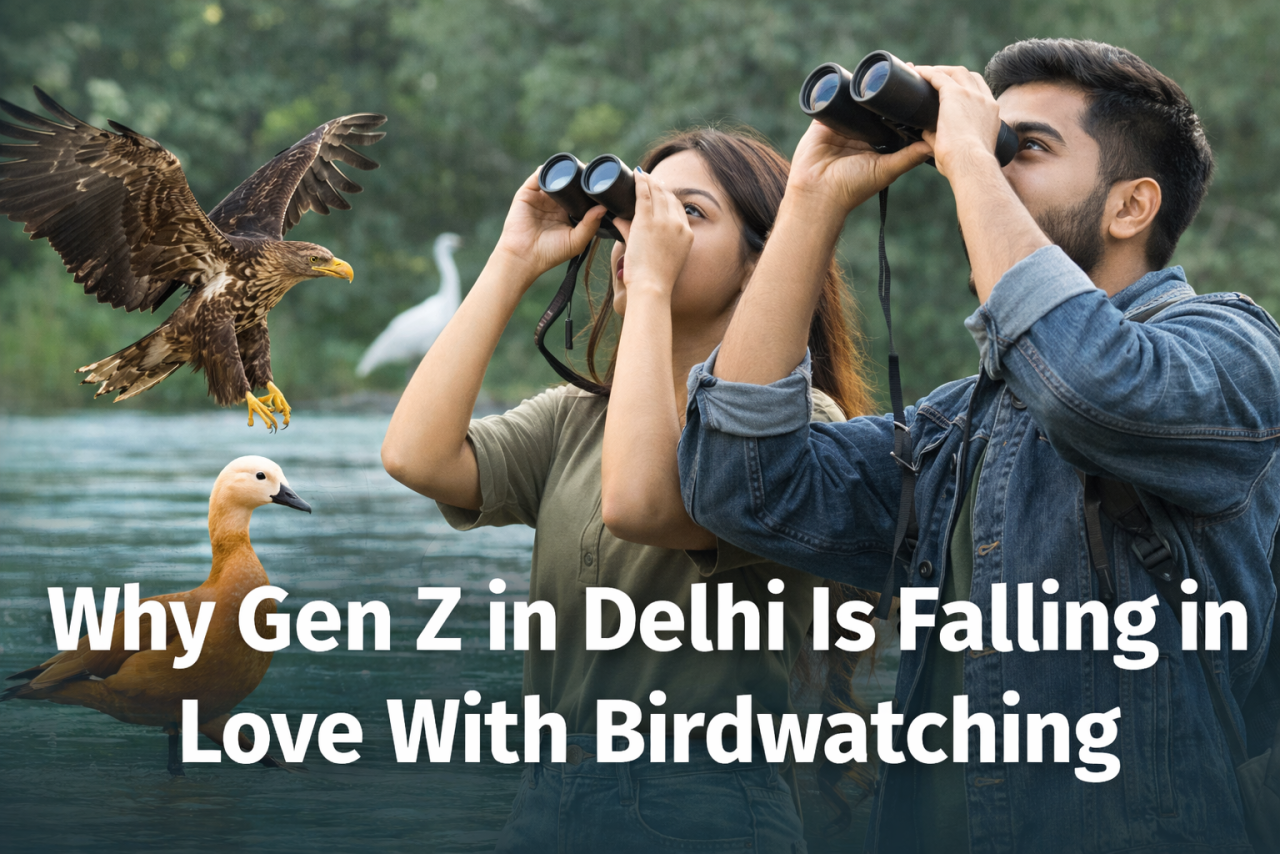
In the middle of Delhi’s noise, traffic, and fast digital life, a quiet habit is taking shape among Gen Z. More young people in the city are waking up early, heading to wetlands, parks, and riverbanks, and spending hours watching birds. What was once seen as a hobby for retired people or hardcore wildlife experts is now becoming a meaningful part of youth culture in Delhi.
The recent excitement around the rare white-tailed eagle sighted in Delhi NCR is not just about the bird itself. It reflects how deeply birdwatching has entered the imagination of young Delhiites. For Gen Z, spotting a rare bird is not just about ticking a box on a checklist. It is about connection, calm, curiosity, and finding something real beyond screens.
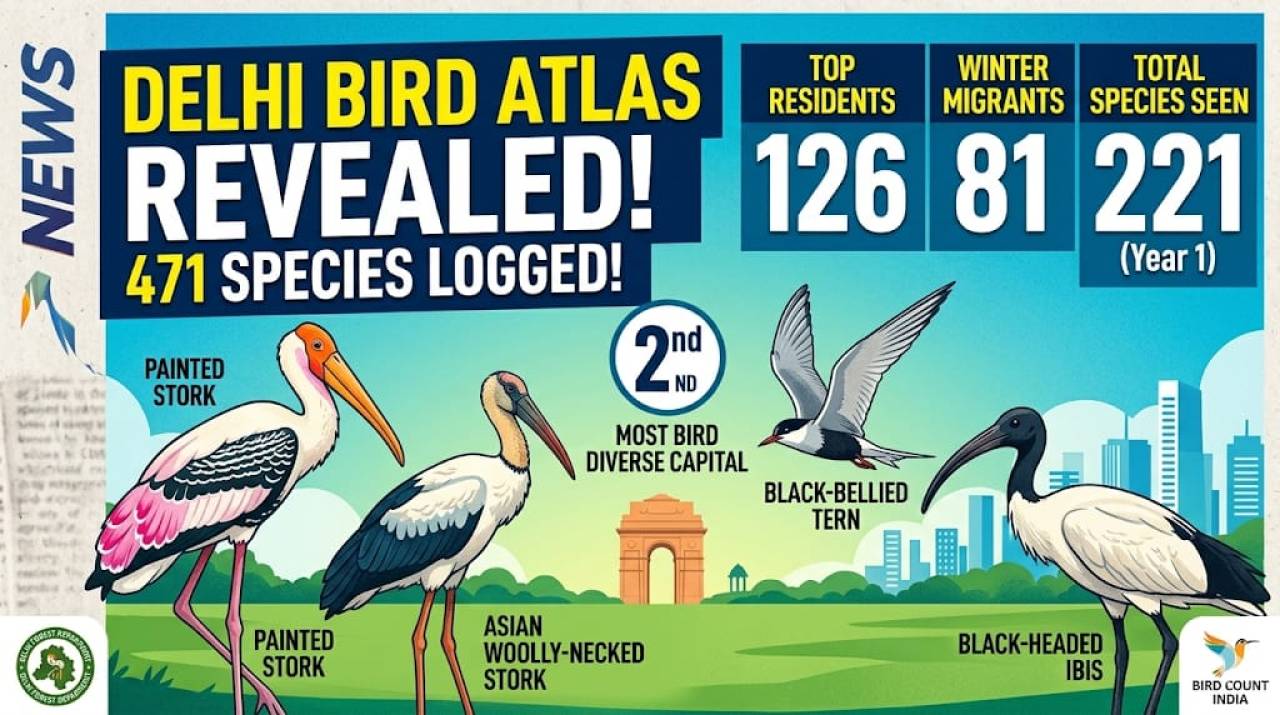
Delhi offers an unexpected advantage for bird lovers. Despite pollution and overcrowding, the city sits on important migratory routes. Places like Okhla Bird Sanctuary, Yamuna Biodiversity Park, Asola Bhatti Wildlife Sanctuary, Sanjay Van, Sultanpur, and Najafgarh Jheel attract hundreds of resident and migratory bird species every year. Gen Z birders know this. Many of them track seasonal movements, monitor sightings through online birding groups, and plan weekend visits accordingly.
Social media plays a major role, but not in the way people usually expect. For this generation, Instagram and X are not just platforms for selfies or trends. They are tools for sharing sightings, learning bird calls, identifying species, and alerting others when something unusual appears. A single post about an eagle or a rare duck can bring dozens of young birders to a location within hours. This sense of shared discovery is central to Gen Z’s interest in birdwatching.
Another reason behind this growing love for birds is mental health. Gen Z in Delhi has grown up under academic pressure, competitive careers, climate anxiety, and constant digital exposure. Birdwatching offers a pause. Standing quietly near water, listening to calls, and waiting patiently for movement creates a rare sense of stillness. Many young birders say it helps them feel grounded and present in a way few other activities do.
Unlike earlier generations, Gen Z approaches birdwatching with inclusivity and curiosity rather than expertise alone. You do not need expensive binoculars or formal training to begin. Many start with a phone camera, free bird identification apps, and basic curiosity. Over time, interest grows into learning about habitats, conservation issues, and migration patterns. What begins as a hobby often turns into environmental awareness.
There is also a strong ethical shift visible among young birders. Gen Z is careful about not disturbing birds, avoiding loud behavior, and discouraging practices like baiting or overcrowding nesting areas. Online discussions often include reminders about responsible birding. This shows that the habit is not just about personal enjoyment but also about respect for nature.
Educational institutions in Delhi are indirectly supporting this trend. College nature clubs, informal walking groups, and university biodiversity projects are introducing students to birdwatching. Many young people first encounter the activity through a friend or a campus event and then continue independently. The learning feels organic rather than imposed.
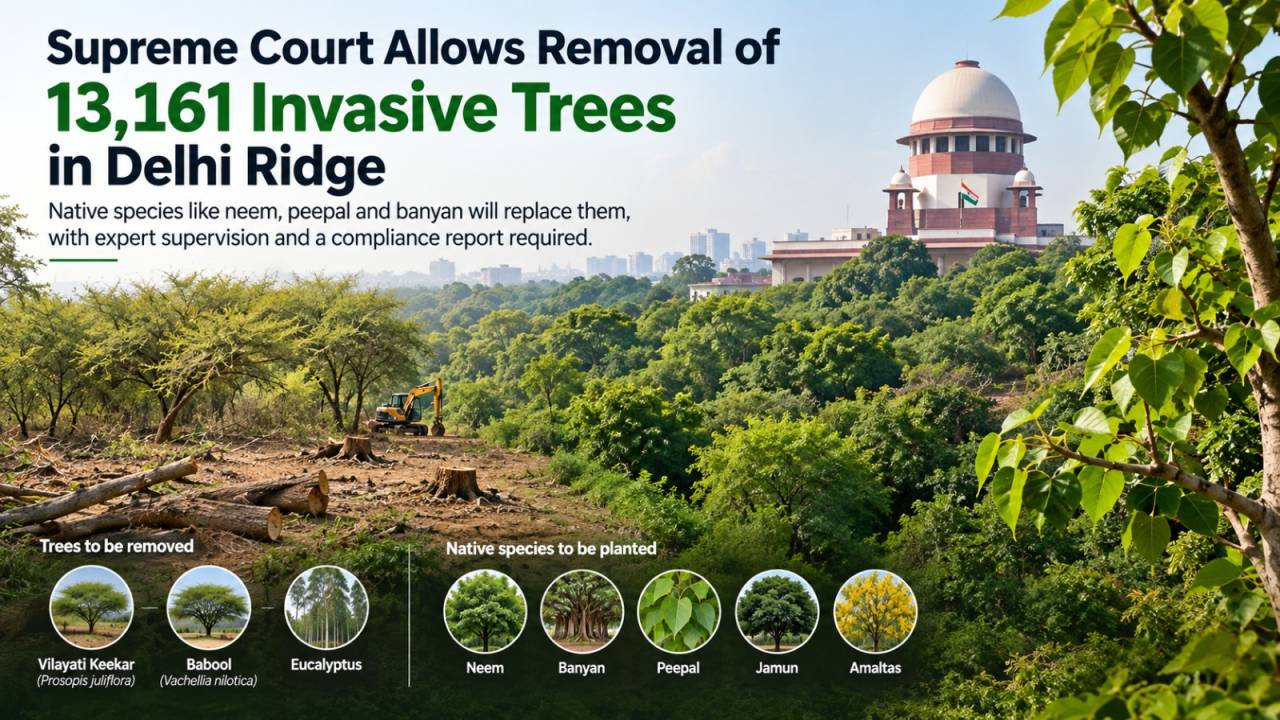
Birdwatching also gives Gen Z a sense of ownership over their city. Delhi is often discussed only in terms of pollution, congestion, and decline. Discovering thriving birdlife challenges that narrative. Young people begin to see wetlands, forests, and rivers not as wasted land but as living spaces worth protecting. This shift in perception matters deeply for future conservation efforts.
The rise of bird love among Gen Z in Delhi is not a passing trend. It reflects a deeper desire for balance, meaning, and connection with the natural world. In a city constantly pushing people to move faster, birdwatching asks them to slow down. In doing so, it is shaping a generation that listens more closely, observes more patiently, and understands coexistence better than before.

























Leave a Comment