
Wheat MSP rises by just ₹25, but pulses and oilseeds get much bigger hikes. What should farmers consider before this rabi sowing season?
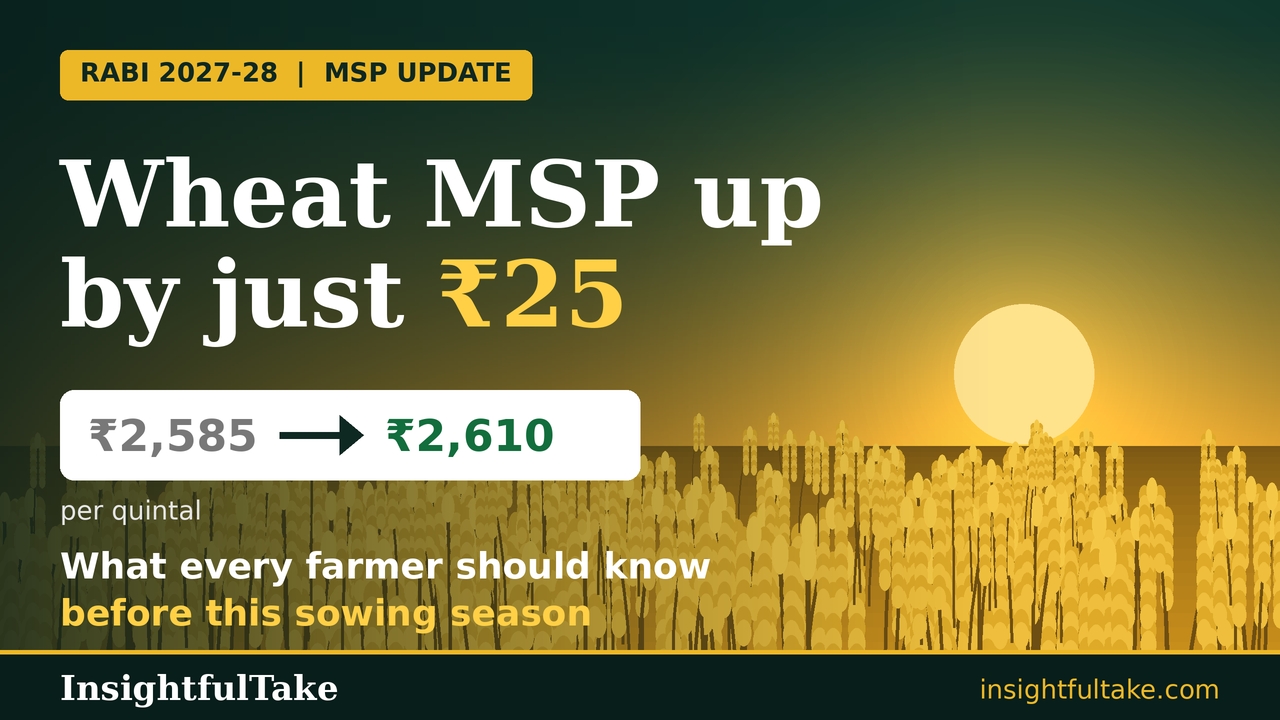
Winter sowing is about to begin, and farmers across the country now know the price the government will offer for their rabi crops. The Union Cabinet has raised the Minimum Support Price (MSP) of wheat by ₹25 per quintal. From ₹2,585 last year, it now stands at ₹2,610 per quintal for the 2027-28 marketing year.
First, What Is MSP?
MSP is the rate at which the government promises to buy agricultural produce from farmers. It gives farmers a price benchmark and some protection if market prices fall.
The MSPs for rabi and kharif crops are announced before the respective sowing seasons. This allows farmers to consider expected returns while deciding which crops to grow.
But MSP is not the same as a guaranteed price for every farmer. Actual procurement depends on government buying arrangements, location, crop quality and access to procurement centres.
A Small Rise for Wheat, a Bigger One for Others
For most wheat growers, an increase of ₹25 may feel too small. It amounts to less than 1% over last year's MSP.
Other rabi crops have received larger increases.
Gram MSP has increased by ₹83 to ₹5,958 per quintal. Masur, or lentil, gets a much bigger increase of ₹390, taking its MSP to ₹7,390 per quintal. Barley rises by ₹136 to ₹2,286.
Rapeseed and mustard receive an increase of ₹413 per quintal, while safflower gets the biggest increase of ₹675.
The difference matters because it gives farmers another factor to consider before deciding what to sow.
Why Is the Wheat Hike So Low?
There appear to be two important reasons.
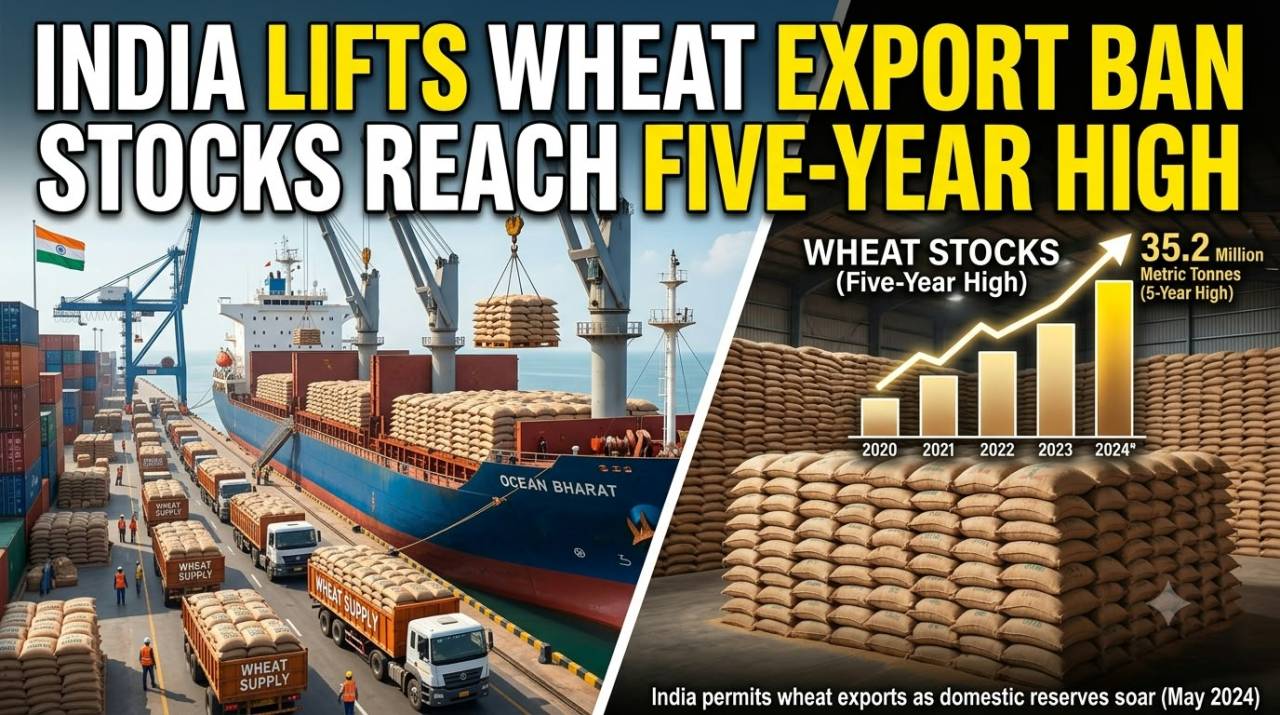
First, government wheat stocks are already substantial. There is therefore less pressure to encourage a sharp increase in wheat production through a higher MSP.
Second, the government says the average cost of producing a quintal of wheat is ₹1,264. The new MSP of ₹2,610 is more than twice that figure.
The larger increases for pulses and oilseeds also carry a policy message. India imports significant quantities of pulses and edible oils. Higher MSPs for crops such as gram, masur and mustard are intended to make their cultivation more attractive and support domestic production.
The Real Question: Your Costs and the Weather
The government's production-cost figure is an average across the country. A farmer's actual cost can be very different.
Seed, diesel, labour, fertiliser, irrigation and machinery costs vary from one region to another. If input prices rise, a higher MSP does not automatically mean higher income.
Fertiliser prices and availability also remain important concerns for farmers. Any increase in input costs can reduce the benefit of a higher MSP.
There is another factor that cannot be ignored: inflation. When prices of everyday goods rise, an additional ₹25 does not have the same value it had a few years ago.
For a farm family, the important calculation is therefore not simply the MSP. It is the amount left after all cultivation costs are deducted.
Weather Could Be the Bigger Risk
Price is only one side of the equation. The other is production.
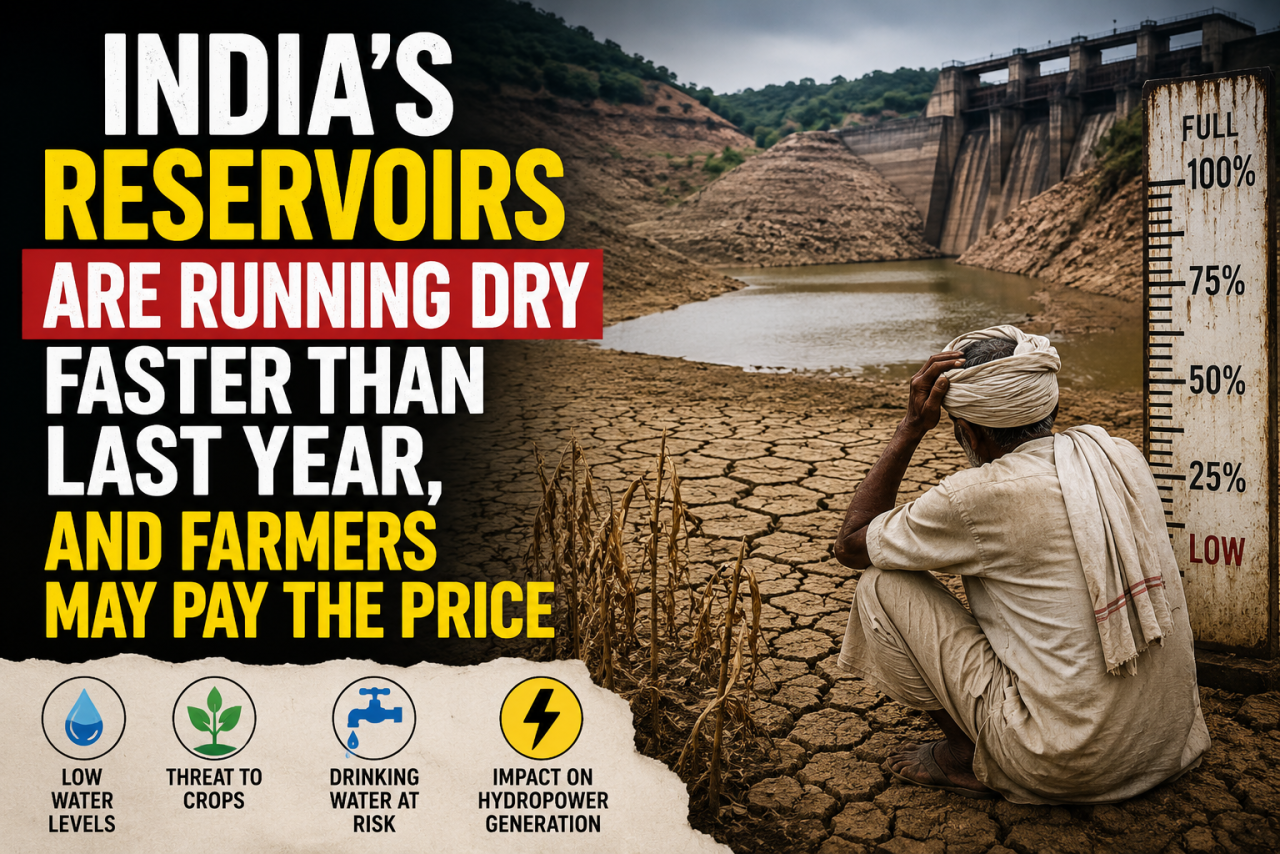
Water availability, soil moisture, temperature and winter rainfall can directly affect rabi crops. If irrigation is limited, farmers may have to reconsider crops that require more water.
A higher MSP helps only when there is enough produce to sell.
That makes local weather conditions and irrigation availability just as important as the government-announced price.
What Farmers Can Do Before Sowing
Farmers can take a few practical steps before putting seed into the soil:
- Check water availability and soil moisture before sowing. If water is limited, seek advice on crops requiring less irrigation.
- Compare crop returns, rather than looking only at wheat. Pulses and mustard have received larger MSP increases this year.
- Buy certified seeds and fertilisers from authorised dealers and keep purchase bills safely.
- Check procurement registration requirements in your state and complete them well before harvest.
- Keep bank details updated if government procurement payments are made directly into the farmer's account.
- Check crop insurance deadlines and enrol within the prescribed period.
- Consult the nearest Krishi Vigyan Kendra or agriculture officer if you are unsure about crop selection, seed varieties or irrigation requirements.
Why MSP Matters Even If You Never Visit a Government Centre
MSP is announced in Delhi, but its impact can reach the local mandi.
It gives farmers a reference point when traders quote prices. However, where government procurement is limited, farmers may still sell below MSP because they need immediate cash, lack storage or do not have easy access to procurement centres.
Knowing the official MSP gives farmers a stronger basis for negotiation.
If wheat MSP is ₹2,610 per quintal and gram MSP is ₹5,958, farmers can compare these figures with the price being offered locally and ask why there is a difference.
Where storage is available and the farmer can afford to wait, avoiding a hurried sale may sometimes provide greater bargaining power.
Final Take
The ₹25 increase in wheat MSP is modest and, by itself, is unlikely to transform the economics of wheat farming.
But the larger increases for pulses and oilseeds give farmers another option to consider, particularly where soil, water and local market conditions are suitable.
The final decision should not be based on the MSP alone. Farmers need to look at their own cultivation costs, water availability, expected yield, local mandi prices and procurement access.
The most useful number for a farmer is not simply the MSP announced in Delhi. It is what remains in the family after the crop is harvested and every cost is paid.
Winter sowing is about to begin, and farmers across the country now know the price the government will offer for their rabi crops. The Union Cabinet has raised the Minimum Support Price (MSP) of wheat by ₹25 per quintal. From ₹2,585 last year, it now stands at ₹2,610 per quintal for the 2027-28 marketing year.
First, What Is MSP?
MSP is the rate at which the government promises to buy agricultural produce from farmers. It gives farmers a price benchmark and some protection if market prices fall.
The MSPs for rabi and kharif crops are announced before the respective sowing seasons. This allows farmers to consider expected returns while deciding which crops to grow.
But MSP is not the same as a guaranteed price for every farmer. Actual procurement depends on government buying arrangements, location, crop quality and access to procurement centres.
A Small Rise for Wheat, a Bigger One for Others
For most wheat growers, an increase of ₹25 may feel too small. It amounts to less than 1% over last year's MSP.
Other rabi crops have received larger increases.
Gram MSP has increased by ₹83 to ₹5,958 per quintal. Masur, or lentil, gets a much bigger increase of ₹390, taking its MSP to ₹7,390 per quintal. Barley rises by ₹136 to ₹2,286.
Rapeseed and mustard receive an increase of ₹413 per quintal, while safflower gets the biggest increase of ₹675.
The difference matters because it gives farmers another factor to consider before deciding what to sow.
Why Is the Wheat Hike So Low?
There appear to be two important reasons.
First, government wheat stocks are already substantial. There is therefore less pressure to encourage a sharp increase in wheat production through a higher MSP.
Second, the government says the average cost of producing a quintal of wheat is ₹1,264. The new MSP of ₹2,610 is more than twice that figure.
The larger increases for pulses and oilseeds also carry a policy message. India imports significant quantities of pulses and edible oils. Higher MSPs for crops such as gram, masur and mustard are intended to make their cultivation more attractive and support domestic production.
The Real Question: Your Costs and the Weather
The government's production-cost figure is an average across the country. A farmer's actual cost can be very different.
Seed, diesel, labour, fertiliser, irrigation and machinery costs vary from one region to another. If input prices rise, a higher MSP does not automatically mean higher income.
Fertiliser prices and availability also remain important concerns for farmers. Any increase in input costs can reduce the benefit of a higher MSP.
There is another factor that cannot be ignored: inflation. When prices of everyday goods rise, an additional ₹25 does not have the same value it had a few years ago.
For a farm family, the important calculation is therefore not simply the MSP. It is the amount left after all cultivation costs are deducted.
Weather Could Be the Bigger Risk
Price is only one side of the equation. The other is production.
Water availability, soil moisture, temperature and winter rainfall can directly affect rabi crops. If irrigation is limited, farmers may have to reconsider crops that require more water.
A higher MSP helps only when there is enough produce to sell.
That makes local weather conditions and irrigation availability just as important as the government-announced price.
What Farmers Can Do Before Sowing
Farmers can take a few practical steps before putting seed into the soil:
- Check water availability and soil moisture before sowing. If water is limited, seek advice on crops requiring less irrigation.
- Compare crop returns, rather than looking only at wheat. Pulses and mustard have received larger MSP increases this year.
- Buy certified seeds and fertilisers from authorised dealers and keep purchase bills safely.
- Check procurement registration requirements in your state and complete them well before harvest.
- Keep bank details updated if government procurement payments are made directly into the farmer's account.
- Check crop insurance deadlines and enrol within the prescribed period.
- Consult the nearest Krishi Vigyan Kendra or agriculture officer if you are unsure about crop selection, seed varieties or irrigation requirements.
Why MSP Matters Even If You Never Visit a Government Centre
MSP is announced in Delhi, but its impact can reach the local mandi.
It gives farmers a reference point when traders quote prices. However, where government procurement is limited, farmers may still sell below MSP because they need immediate cash, lack storage or do not have easy access to procurement centres.
Knowing the official MSP gives farmers a stronger basis for negotiation.
If wheat MSP is ₹2,610 per quintal and gram MSP is ₹5,958, farmers can compare these figures with the price being offered locally and ask why there is a difference.
Where storage is available and the farmer can afford to wait, avoiding a hurried sale may sometimes provide greater bargaining power.
Final Take
The ₹25 increase in wheat MSP is modest and, by itself, is unlikely to transform the economics of wheat farming.
But the larger increases for pulses and oilseeds give farmers another option to consider, particularly where soil, water and local market conditions are suitable.
The final decision should not be based on the MSP alone. Farmers need to look at their own cultivation costs, water availability, expected yield, local mandi prices and procurement access.
The most useful number for a farmer is not simply the MSP announced in Delhi. It is what remains in the family after the crop is harvested and every cost is paid.






















Leave a Comment